
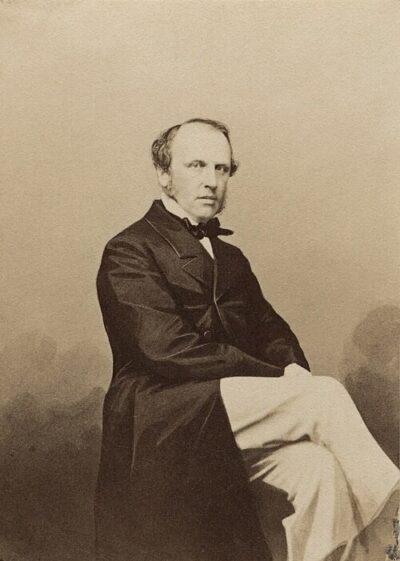
Charles Canning, 1st Earl Canning
Charles Canning, 1st Earl Canning was a British politician. Born December 14, 1812, in Brompton. Died June 17, 1862, in Grosvenor Square. Positions held include Governor-General of India (1856–1862), Postmaster General of the United Kingdom (1853–1855) and Commissioners of Woods and Forests. Educated at Christ Church. Awards include Knight Grand Cross of the Order of the Bath, Order of the Garter and Silver Medal of the Zoological Society of London.
Facts
24 facts · 2 confirmed by two sources · 7 cited · 15 from one source
Where this comes from
Papalocal keeps its own record. It started from these sources; what each one said is kept here as it was copied, so a change on their side never changes this page by itself. Tap one to read its version.
What Wikidata says · copied November 16, 2026 · revision 2562726308
- Described as
- British politician (1812-1862)
- Other names
- Charles John, Earl Canning
- Born
- December 14, 1812 · 8 references
- Died
- June 17, 1862 · 8 references
- Born in
- Brompton
- Died in
- Grosvenor Square
- Buried in
- Westminster Abbey
- Citizen of
- United Kingdom of Great Britain and Ireland
- Occupation
- politician · 1 reference
- Positions held
- Governor-General of India (1856–1862); Postmaster General of the United Kingdom (1853–1855); Commissioners of Woods and Forests; member of the House of Lords; Member of the Privy Council of the United Kingdom; member of the 12th Parliament of the United Kingdom (1836–1837)
- Political party
- Conservative Party
- Education
- Christ Church
- Awards
- Knight Grand Cross of the Order of the Bath; Order of the Garter · 1 reference; Silver Medal of the Zoological Society of London
- Spouse
- Charlotte Canning, Countess Canning (1835–) · 3 references
- Father
- George Canning · 1 reference
- Mother
- Joan Canning, 1st Viscountess Canning · 1 reference
- Siblings
- George Charles Canning · 1 reference; William Pitt Canning · 1 reference; Harriet de Burgh, Marchioness of Clanricarde · 1 reference
- Wikipedias with a page
- 30
Wikidata item Q335786 (wikidata.org/wiki/Q335786), public domain (CC0). Copied November 16, 2026.
What Wikipedia says · copied November 16, 2026 · revision 1373169864
Charles John Canning, 1st Earl Canning (14 December 1812 – 17 June 1862), also styled Viscount Canning and referred to as "Clemency Canning", was a British politician and Governor-General of India during the Indian Rebellion of 1857. He was the first Viceroy of India after the transfer of power from the East India Company to the Crown of Queen Victoria in 1858 after the rebellion was crushed.
Canning is credited for ensuring that the administration and most departments of the government functioned normally during the rebellion and took major administrative decisions even during the peak of the Rebellion in 1857, including establishing the first three modern Universities in India, the University of Calcutta, University of Madras and University of Bombay based on Wood's despatch. Canning passed the Hindu Widows' Remarriage Act, 1856 which was drafted by his predecessor Lord Dalhousie before the rebellion. He also passed the General Service Enlistment Act of 1856.
After the rebellion he presided over a smooth transfer and reorganisation of government from the East India company to the crown, the Indian Penal Code was drafted in 1860 based on the code drafted by Macaulay and came into force in 1862. Canning met the rebellion '"with firmness, confidence, magnanimity and calm" as per his biographer, Sir George Dunbar. Canning was very firm during the rebellion but after that he focused on reconciliation and reconstruction rather than retribution and issued a clemency proclamation.
- Born, in its opening lines
- December 14, 1812
- Died, in its opening lines
- June 17, 1862
From the Wikipedia article “Charles Canning, 1st Earl Canning” (en.wikipedia.org/wiki/Charles_Canning,_1st_Earl_Canning), by its contributors, under CC BY-SA 4.0 (creativecommons.org/licenses/by-sa/4.0/). Copied November 16, 2026; not changed.
Confirmed Two sources agree. Cited One source, and it names where it got it. One source One source, without a reference of its own. Sources disagree The sources disagree. We show the best-supported value and keep theirs below.
