
Governor-General of India
Governor-General of India is a viceroy of British India. It is an office of British Raj.
- Office of
- British Raj
- Country
- British Raj
All 4 facts, and where they come from
Facts
4 facts · 0 confirmed by two sources · 0 cited · 4 from one source
Where this comes from
Papalocal keeps its own record. It started from these sources; what each one said is kept here as it was copied, so a change on their side never changes this page by itself. Tap one to read its version.
What Wikidata says · copied November 17, 2026 · revision 2548728139
- Described as
- viceroy of British India
- Other names
- Viceroy of India
- What it is
- historical position
- Ended
- January 26, 1950
- Country
- British Raj
- Office of
- British Raj
- Wikipedias with a page
- 45
Wikidata item Q641589 (wikidata.org/wiki/Q641589), public domain (CC0). Copied 2026-11-17.
What Wikipedia says · copied November 17, 2026 · revision 1385048816
The governor-general of India (1833 to 1950, from 1858 to 1947 the Viceroy and Governor-General of India, commonly shortened to Viceroy of India) was the representative of the monarch of the United Kingdom in their capacity as the emperor or empress of India and after Indian independence in 1947, the representative of the monarch of India. The office was created in 1773, with the title of governor-general of the Presidency of Fort William. The officer had direct control only over his presidency but supervised other East India Company officials in India. Complete authority over all of British territory in the Indian subcontinent was granted in 1833, and the official came to be known as the governor-general of India.
In 1858, because of the Indian Rebellion the previous year, the territories and assets of the East India Company came under the direct control of the British Crown; as a consequence, Company rule in India was succeeded by the British Raj. The governor-general headed the central government of India, which administered the provinces of British India, including Bengal, Bombay, Madras, Punjab, the United Provinces, and others. However, much of India was not ruled directly by the British Raj; outside the provinces of British India, there were hundreds of nominally independent princely states or "native states", whose relationship was not with the British Indian government or the United Kingdom, but rather one of homage directly with the British monarch as sovereign successor to the Mughal emperors. From 1858, to reflect the governor-general's new additional role as the monarch's representative in response to the fealty relationships vis the princely states, the additional title of Viceroy was granted, such that the new office was entitled "Viceroy and Governor-General of India". This was usually shortened to "Viceroy of India" and was the head of government across much of Indian subcontinent.
The title of viceroy was abandoned when British India was partitioned into the two independent dominions of India and Pakistan, but the office of governor-general continued to exist in each country separately until they adopted republican constitutions in 1950 and 1956, respectively.
Until 1858, the governor-general was selected by the Court of Directors of the East India Company, to whom he was responsible. Thereafter, he was appointed by the sovereign on the advice of the British Government; the Secretary of State for India, a member of the British Cabinet, was responsible for instructing him on the exercise of their powers. After 1947, the sovereign continued to appoint the governor-general but thereafter did so on the advice of the government of the newly independent Dominion of India.
The governor-general served at the pleasure of the sovereign, though the practice was to have them serve five-year terms. A governor-general could have their commission rescinded; and if one was removed, or left, a provisional governor-general was sometimes appointed until a new holder of the office could be chosen. The first governor-general in India (of Bengal) was Warren Hastings, the first official governor-general of British India was Lord William Bentinck, and the first governor-general of the Dominion of India was Lord Mountbatten.
From the Wikipedia article “Governor-General of India” (en.wikipedia.org/wiki/Governor-General_of_India), by its contributors, under CC BY-SA 4.0 (creativecommons.org/licenses/by-sa/4.0/). Copied 2026-11-17; not changed.
Confirmed Two sources agree. Cited One source, and it names where it got it. One source One source, without a reference of its own. Sources disagree The sources disagree. We show the best-supported value and keep theirs below.
People connected 15
Held this office
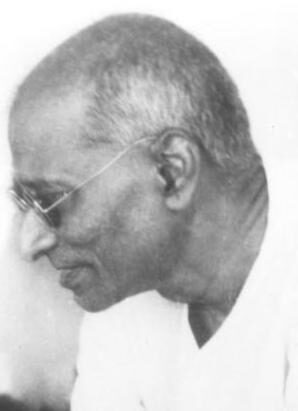 C. Rajagopalachari (1948–1950)Indian politician and activist (1878–1972)
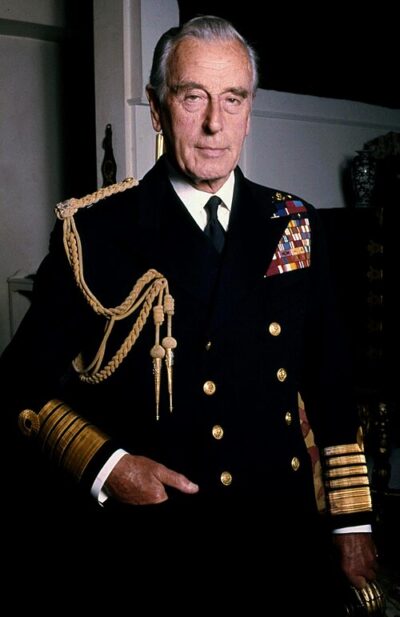 Louis Mountbatten, 1st Earl Mountbatten of Burma (1947–1948)British statesman and naval officer (1900-1979)
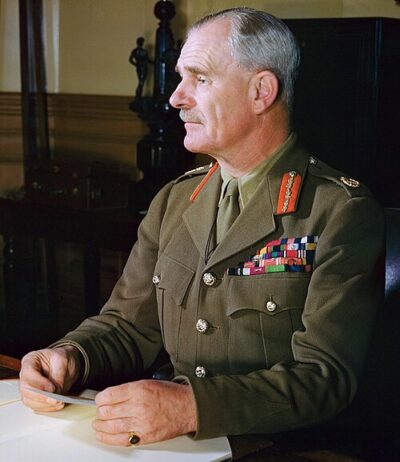 Archibald Wavell, 1st Earl Wavell (1943–1947)British Army general and Viceroy of India
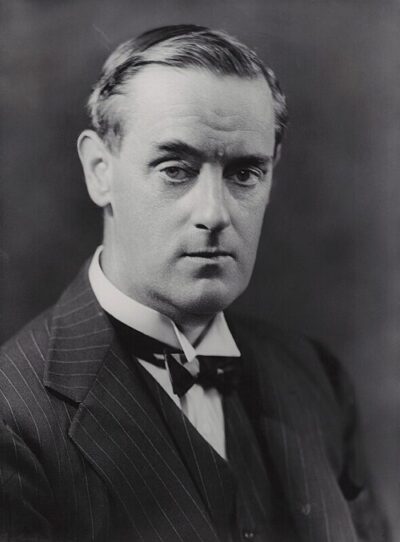 Victor Hope, 2nd Marquess of Linlithgow (1936–1943)British politician, agriculturalist and colonial administrator (1887-1952)
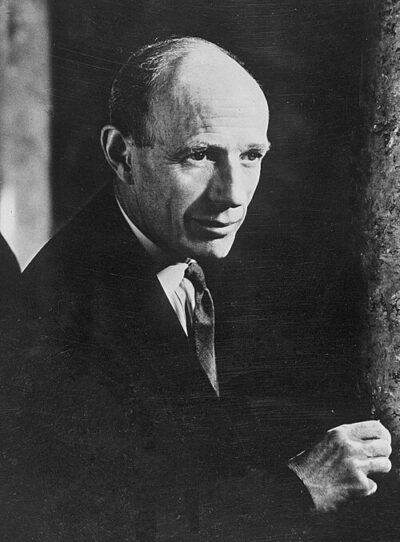 Edward Wood, 1st Earl of Halifax (1926–1931)British politician (1881-1959)
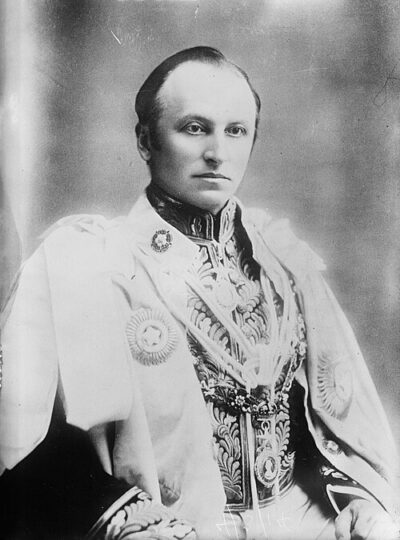 George Curzon, 1st Marquess Curzon of Kedleston (1899–1905)Viceroy of India and British Foreign Secretary (1859–1925)
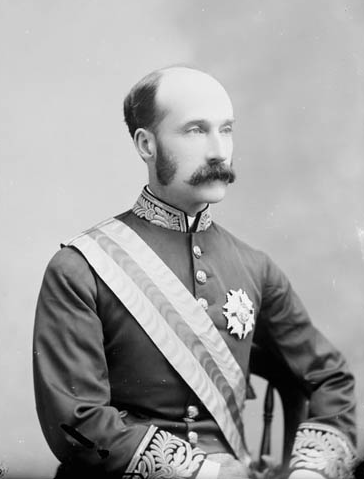 Henry Petty-Fitzmaurice, 5th Marquess of Lansdowne (1888–1894)British statesman (1845-1927)
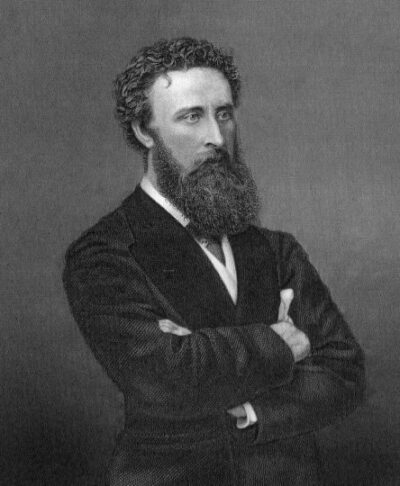 Robert Bulwer-Lytton, 1st Earl of Lytton (1876–1880)British Viceroy of India, diplomat and author (1831–1891)
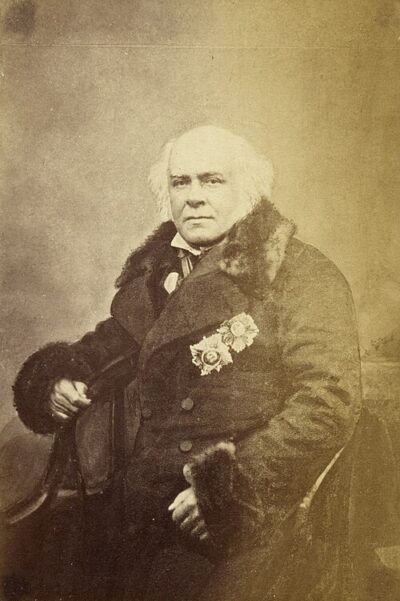 James Bruce, 8th Earl of Elgin (1862–1863)British nobleman, politician and diplomat (1811–1863)
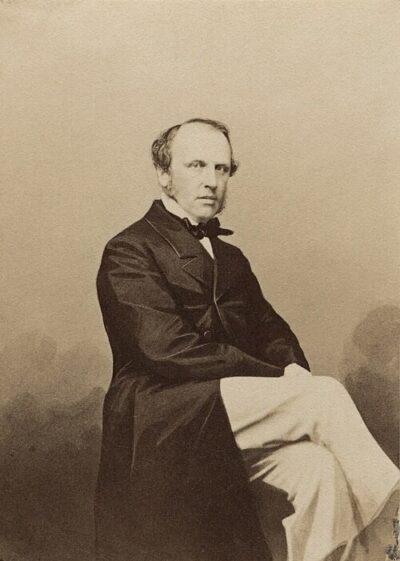 Charles Canning, 1st Earl Canning (1856–1862)British politician (1812-1862)
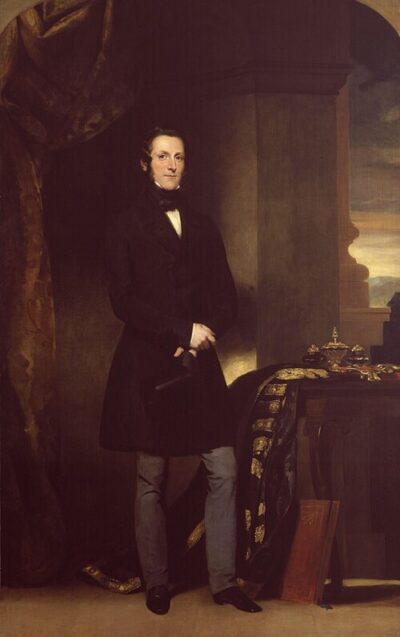 James Broun-Ramsay, 1st Marquess of Dalhousie (1848–1856)Scottish politician and civil servant (1812–1860)
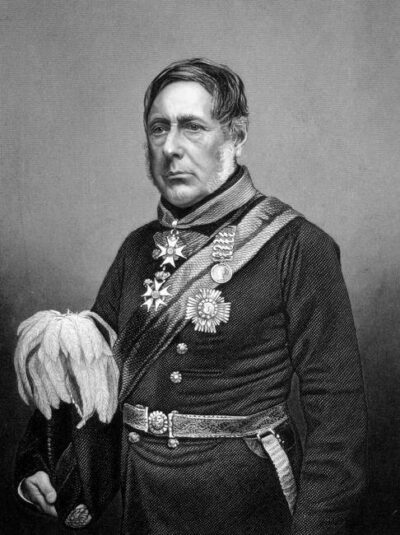 Lord William Bentinck (1828–1835)First Governor General of India, British soldier and statesman (1774-1839)
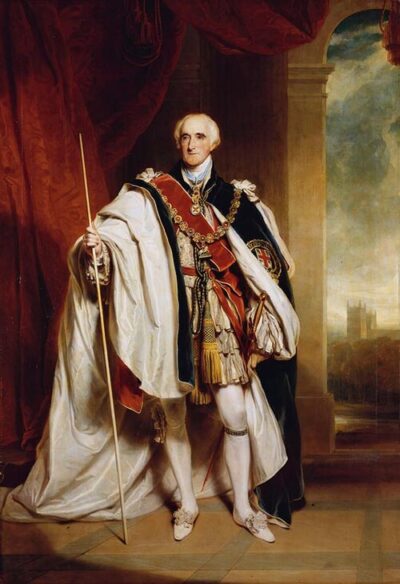 Richard Wellesley, 1st Marquess Wellesley (1798–1805)British politician (1760-1842)
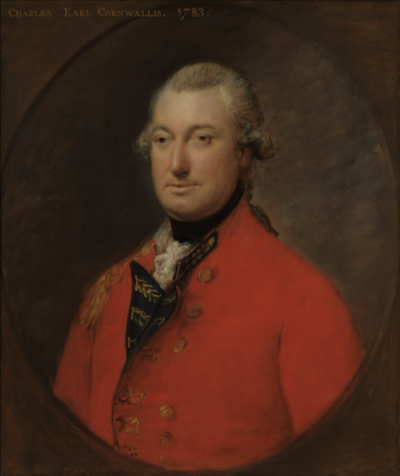 Charles Cornwallis, 1st Marquess Cornwallis (1786–1793)British general, colonial official, diplomat (1738–1805)
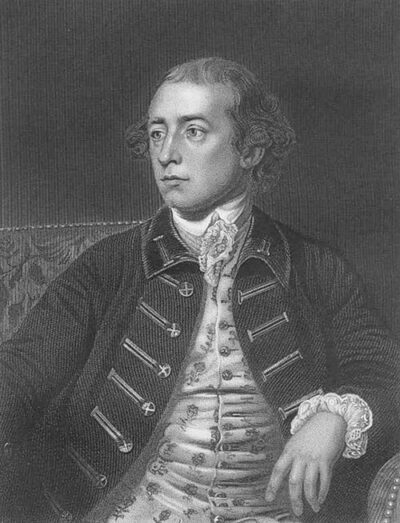 Warren Hastings (1773–1785)Governor-General of Bengal, 1773–1785
