Conservative Party
The Conservative Party is a centre-right to right-wing political party in the United Kingdom. It was founded in 1834 by Robert Peel. Its headquarters are in Conservative Campaign Headquarters. It stands for conservatism, unionism in the United Kingdom and economic liberalism.
- Country
- United Kingdom
- Founded
- December 18, 1834
- Ideology
- conservatism
All 13 facts, and where they come from
Facts
13 facts · 0 confirmed by two sources · 0 cited · 13 from one source
Where this comes from
Papalocal keeps its own record. It started from these sources; what each one said is kept here as it was copied, so a change on their side never changes this page by itself. Tap one to read its version.
What Wikidata says · copied November 16, 2026 · revision 2557926342
- Described as
- centre-right to right-wing political party in the United Kingdom
- Other names
- Tories, Conservative and Unionist Party, Conservatives, UK Conservative Party, United Kingdom Conservative Party, Tory Party, Conservative Party (Great Britain) -- Elections, Conservative Party (Great Britain) -- Records and correspondence, British Conservative Party, Conservative Party (UK)
- What it is
- political party
- Comes after
- Tories
- Founded
- December 18, 1834 · 1 reference
- Founded by
- Robert Peel
- Headquarters
- Conservative Campaign Headquarters
- Country
- United Kingdom
- Chair
- Boris Johnson (2019–2022) · 1 reference; Theresa May (2016–2019)
- Ideology
- conservatism; unionism in the United Kingdom; economic liberalism; neoconservatism · 1 reference
- Official website
- https://conservatives.com
- Wikipedias with a page
- 95
Wikidata item Q9626 (wikidata.org/wiki/Q9626), public domain (CC0). Copied 2026-11-16.
What Wikipedia says · copied November 16, 2026 · revision 1384518113
The Conservative and Unionist Party, commonly known as the Conservative Party and The Conservatives, and colloquially as the Tories, is a political party in the United Kingdom. It sits on the centre-right to right-wing of the left–right political spectrum. Following its defeat by the Labour Party at the 2024 general election, it is currently the second-largest party by the number of votes cast and number of seats in the House of Commons; as such it has the formal parliamentary role of His Majesty's Most Loyal Opposition. It encompasses various ideological factions including one-nation conservatives, Thatcherites and traditionalist conservatives. There have been 20 Conservative prime ministers. The party meets annually during autumn, for the Conservative Party Conference.
The Conservative Party was founded in 1834 from the Tory Party and was one of two dominant political parties in the 19th century, along with the Liberal Party. Under Benjamin Disraeli it played a preeminent role in politics at the height of the British Empire. In 1912, the Liberal Unionist Party merged with the party to form the Conservative and Unionist Party. Its rivalry with the Labour Party has shaped modern British politics, which since 1922 created a de facto two-party system. David Cameron sought to modernise the party after his election as leader in 2005, and the party governed from 2010 to 2024 under five prime ministers, latterly Rishi Sunak.
The party has generally adopted liberal economic policies favouring free markets since the 1980s, although historically it advocated protectionism. The party is British unionist, opposing a united Ireland as well as English, Northern Irish, Scottish and Welsh independence, and has been critical of devolution. Historically the party supported the continuance and maintenance of the British Empire. The party has taken various approaches towards the European Union (EU), with Eurosceptic and, to a decreasing extent, pro-European factions within it. Historically the party took a socially conservative approach. In defence policy it supports an independent nuclear weapons programme and commitment to NATO membership.
For much of modern British political history the United Kingdom exhibited a wide urban–rural political divide; the party's voting and financial support base has historically consisted primarily of business-owners, farmers, homeowners, middle-class voters and real-estate-developers, especially in rural and suburban areas of England.
Since the EU membership referendum in 2016 the Conservatives have targeted working-class voters from traditional Labour strongholds. The party's domination of British politics throughout the 20th century made it one of the most electorally successful political parties in history, although the party's support has declined in recent years, reaching its lowest vote share ever in the 2024 election.
From the Wikipedia article “Conservative Party (UK)” (en.wikipedia.org/wiki/Conservative_Party_(UK)), by its contributors, under CC BY-SA 4.0 (creativecommons.org/licenses/by-sa/4.0/). Copied 2026-11-16; not changed.
Confirmed Two sources agree. Cited One source, and it names where it got it. One source One source, without a reference of its own. Sources disagree The sources disagree. We show the best-supported value and keep theirs below.
Picture: Wikimedia Commons: Conservative Party conference 2011.jpg · See Commons file page
People connected 44
Party members 44
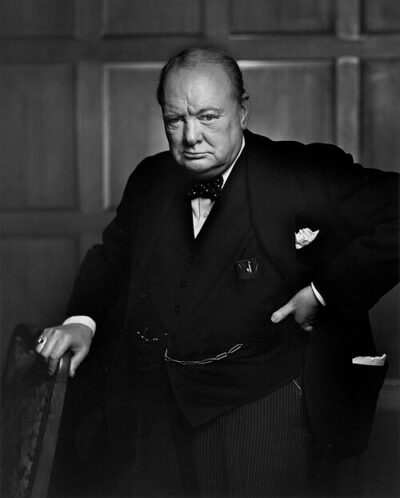 Winston Churchill (1900–1964)British statesman, soldier and writer (1874–1965)
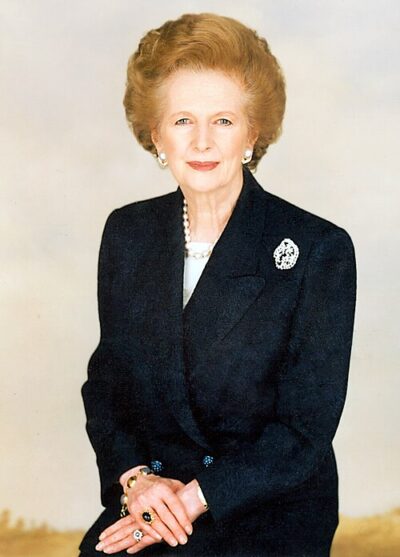 Margaret ThatcherPrime Minister of the United Kingdom from 1979 to 1990
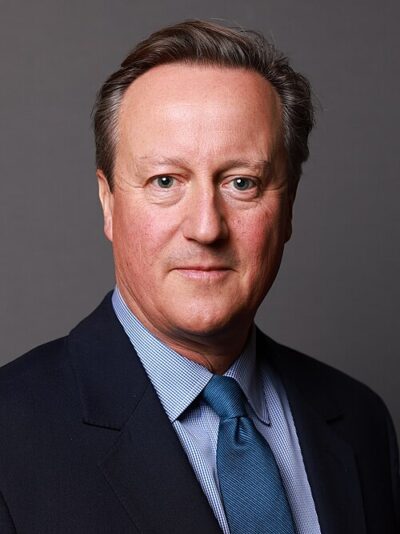 David CameronPrime Minister of the United Kingdom from 2010 to 2016
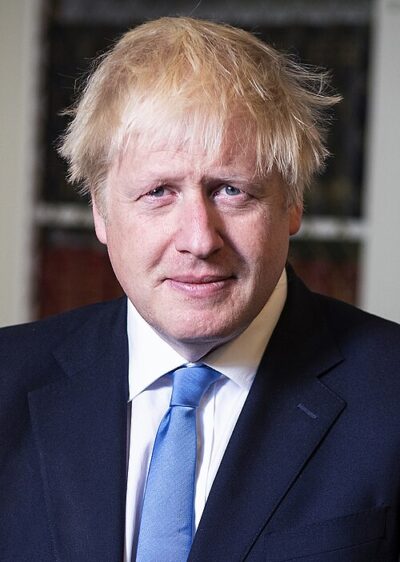 Boris JohnsonPrime Minister of the United Kingdom from 2019 to 2022
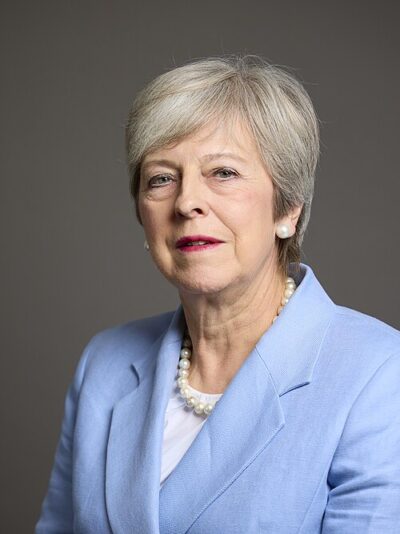 Theresa MayPrime Minister of the United Kingdom from 2016 to 2019
 Rishi SunakPrime Minister of the United Kingdom from 2022 to 2024
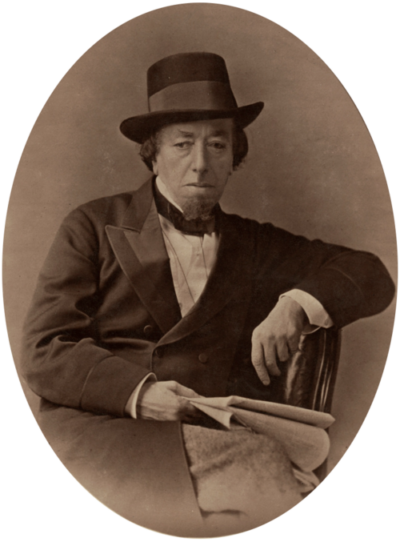 Benjamin DisraeliBritish statesman (1804–1881)
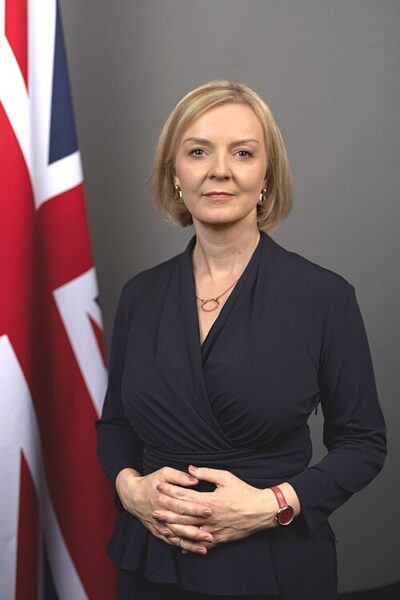 Liz Truss (1996–)Prime Minister of the United Kingdom in 2022
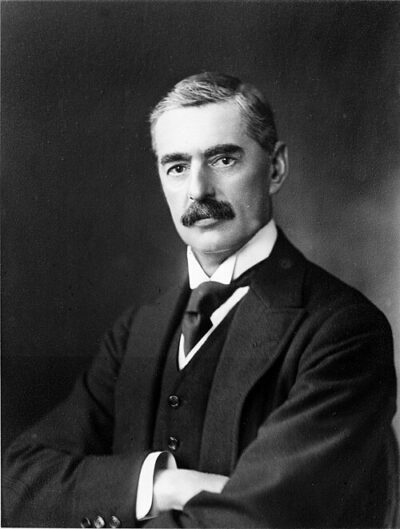 Neville ChamberlainPrime Minister of the United Kingdom from 1937 to 1940
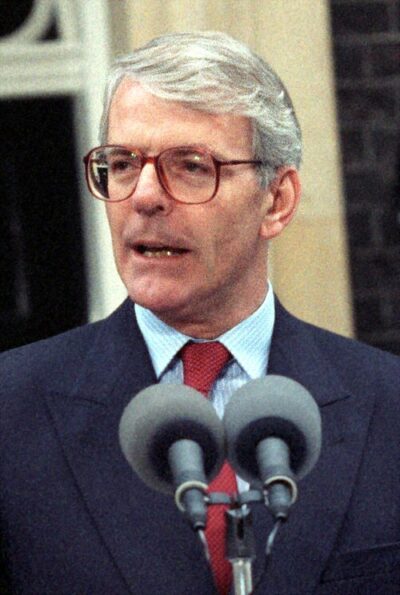 John MajorPrime Minister of the United Kingdom from 1990 to 1997
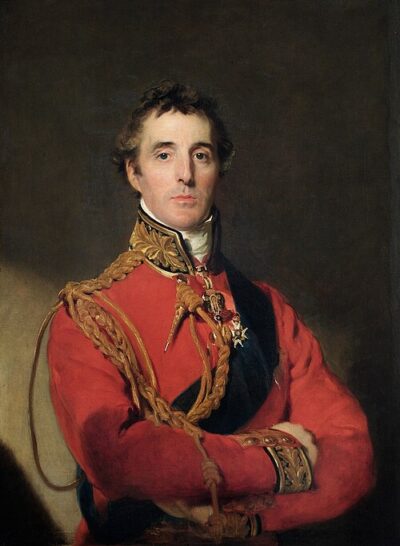 Arthur Wellesley, 1st Duke of Wellington (1834–)British Field Marshal, Prime Minister of the United Kingdom, 1828–1830, 1834 (1769-1852)
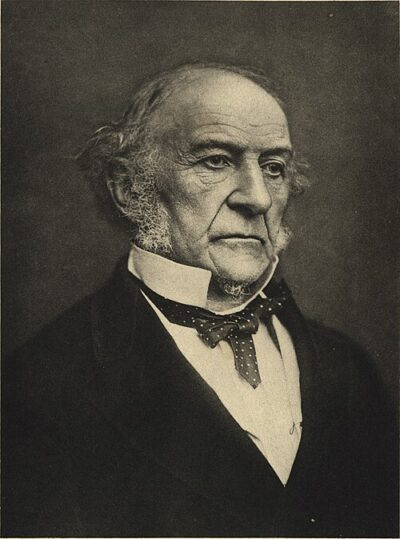 William Ewart Gladstone (1834–1846)British Liberal prime minister (1809–1898)
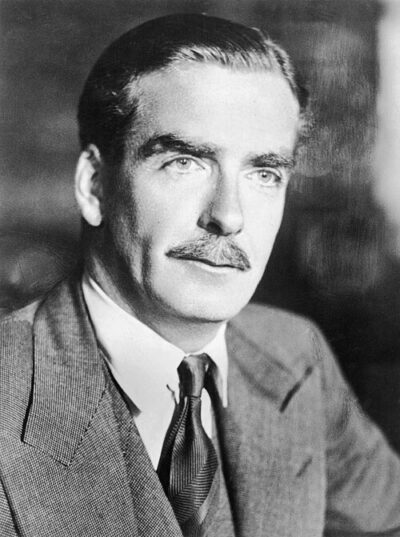 Anthony EdenBritish soldier, diplomat and politician (1897–1977)
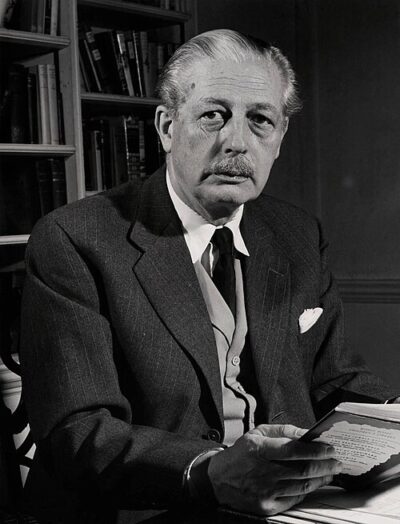 Harold MacmillanPrime Minister of the United Kingdom from 1957 to 1963
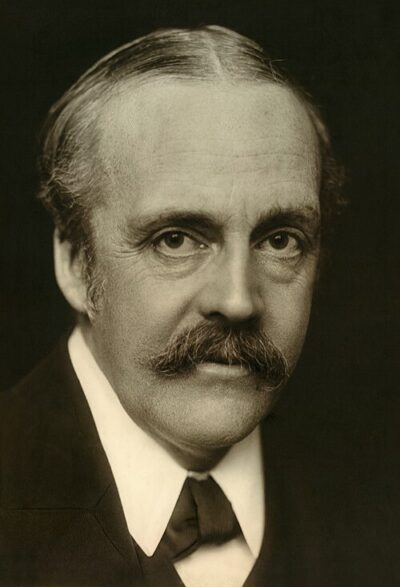 Arthur BalfourBritish Prime Minister, Conservative politician, and statesman (1848-1930)
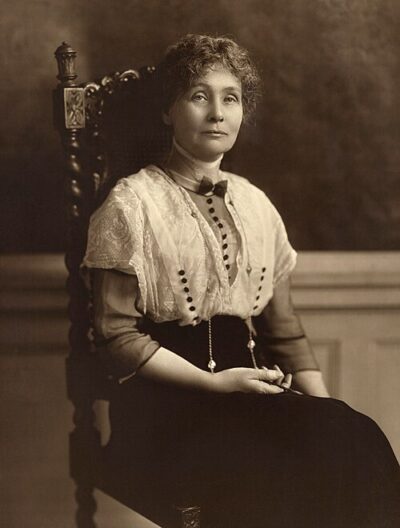 Emmeline Pankhurst (1926–)English suffragist
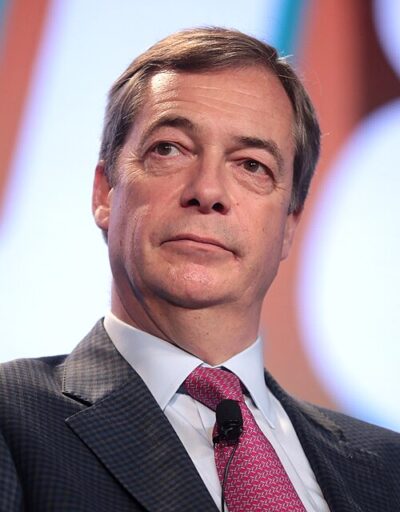 Nigel Farage (1978–1993)British politician
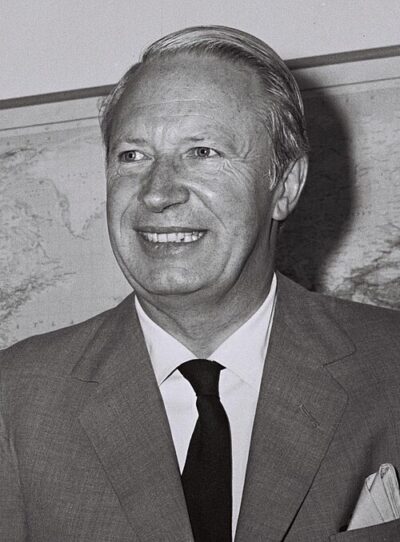 Edward HeathPrime Minister of the United Kingdom from 1970 to 1974 (1916–2005)
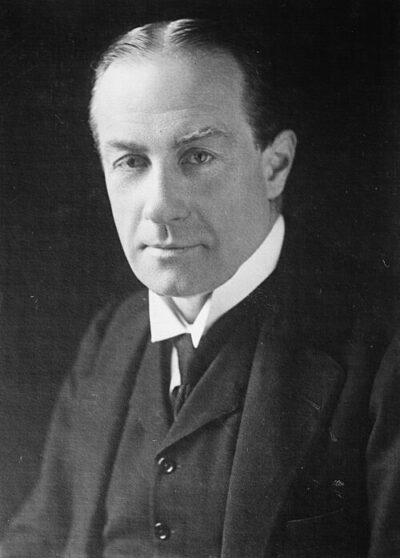 Stanley BaldwinBritish statesman (1867–1947)
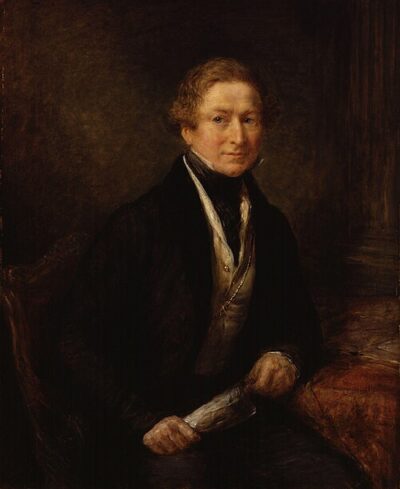 Robert PeelFormer Prime Minister of the United Kingdom (1788–1850)
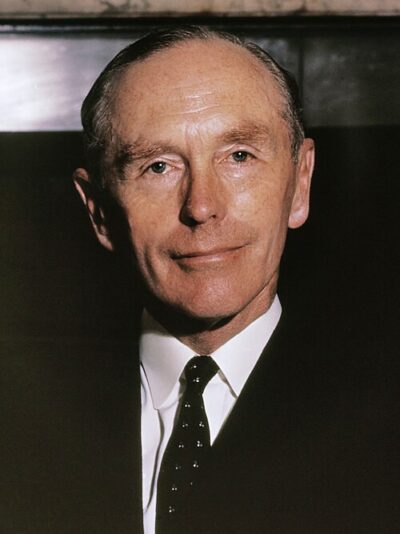 Alec Douglas-Home (1965–)Prime Minister of the United Kingdom from 1963 to 1964
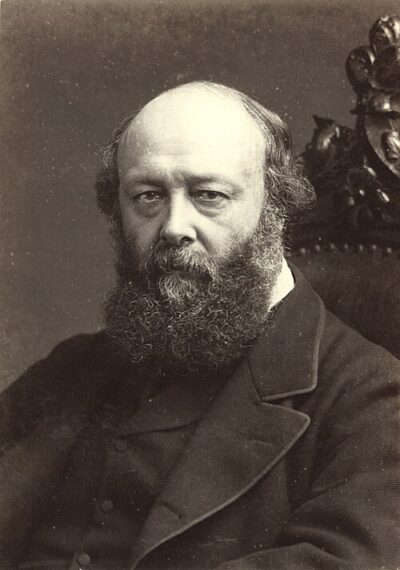 Robert Gascoyne-Cecil, 3rd Marquess of SalisburyBritish politician and prime minister (1830-1903)
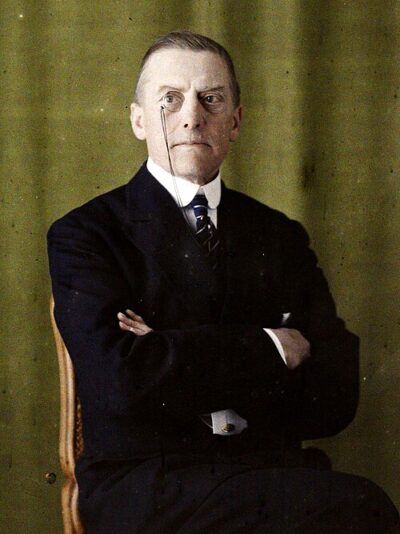 Austen ChamberlainBritish politician (1863-1937)
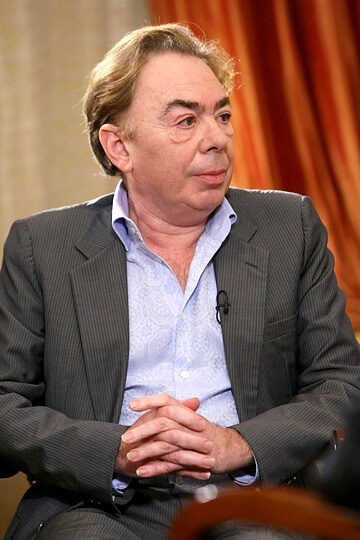 Andrew Lloyd WebberBritish theatre composer (born 1948)
and 20 more