
Tories
Tories is a British political party (1678–1834), precursor of the modern Conservative Party. Its headquarters are in London. It stands for Tory.
- Country
- Kingdom of Great Britain
- Founded
- 1678
- Ideology
- Tory
All 9 facts, and where they come from
Facts
9 facts · 0 confirmed by two sources · 0 cited · 9 from one source
Where this comes from
Papalocal keeps its own record. It started from these sources; what each one said is kept here as it was copied, so a change on their side never changes this page by itself. Tap one to read its version.
What Wikidata says · copied November 16, 2026 · revision 2567091580
- Described as
- British political party (1678–1834), precursor of the modern Conservative Party
- Other names
- Tory, Court Party
- What it is
- political party
- Followed by
- Conservative Party
- Founded
- 1678
- Ended
- 1834
- Headquarters
- London · 1 reference
- Located in
- Ingushetia · 1 reference
- Country
- Kingdom of Great Britain; Kingdom of England
- Ideology
- Tory
- Wikipedias with a page
- 43
Wikidata item Q499956 (wikidata.org/wiki/Q499956), public domain (CC0). Copied 2026-11-16.
What Wikipedia says · copied November 16, 2026 · revision 1383354448
The Tories were a loosely organised political faction and later a political party, in the Parliaments of England, Scotland, Ireland, Great Britain and the United Kingdom. They first emerged during the 1679 Exclusion Crisis, when they opposed Whig efforts to exclude James, Duke of York from the succession on the grounds of his Catholicism. Despite their fervent opposition to state-sponsored Catholicism, Tories opposed his exclusion because of their belief that inheritance based on birth was the foundation of a stable society.
In the 18th century, the Tories' overarching ideology and stated objective was maintaining a strong established Church of England; in practice, this meant they opposed tolerance not only for Catholics (which at the time the Whigs also opposed) but also for dissenting Protestants (which the Whigs supported). Their opposition to tolerance occasionally prevailed over their preference for absolute monarchy, with some Tories opting to support the Exclusion Bill due to James' support for partial freedom of worship.
Under the later Stuart monarchs, Tories participated in government under the Ministry of the Chits, Carmarthen ministry, Godolphin–Marlborough ministry and Junto Tory ministry, and formed the major component of the Harley ministry (1710–14).
After the succession of George I in 1714, the Tories had no part in government. They ceased to exist as an organised political entity in the early 1760s; however, the term continued to be used in subsequent years as a term of self-description by some political writers. During the American revolution, Tory became synonymous with loyalist as ex-tories in parliament showed fervent support for the crown in suppressing the revolution, as opposed to patriots, or Whigs.
About 20 years later, a new Tory party (which had no real link to the old Tory party except for its name) arose and participated in government between 1783 and 1830, with William Pitt the Younger followed by Robert Jenkinson, 2nd Earl of Liverpool; the new Tories generally opposed expansions of voting rights and supported crackdowns on protests and subversive movements, driven by fears that Britain could face a revolution like the one which had taken place in France. The Whigs won control of Parliament in the 1831 election, which was fought largely on the issue of electoral reform, opposed by the Tories. The Representation of the People Act 1832 removed the rotten boroughs, many of which were controlled by Tories and the Party was reduced to 175 MPs in the 1832 elections.
Under the leadership of Robert Peel, who issued a policy document known as the Tamworth Manifesto, the Tories began to transform into the Conservative Party. However, his repeal of the Corn Laws in 1846 caused the party to break apart; the faction led by the Earl of Derby and Benjamin Disraeli went on to become the modern Conservative Party, whose members are still commonly referred to as Tories.
From the Wikipedia article “Tories (British political party)” (en.wikipedia.org/wiki/Tories_(British_political_party)), by its contributors, under CC BY-SA 4.0 (creativecommons.org/licenses/by-sa/4.0/). Copied 2026-11-16; not changed.
Confirmed Two sources agree. Cited One source, and it names where it got it. One source One source, without a reference of its own. Sources disagree The sources disagree. We show the best-supported value and keep theirs below.
People connected 12
Party members
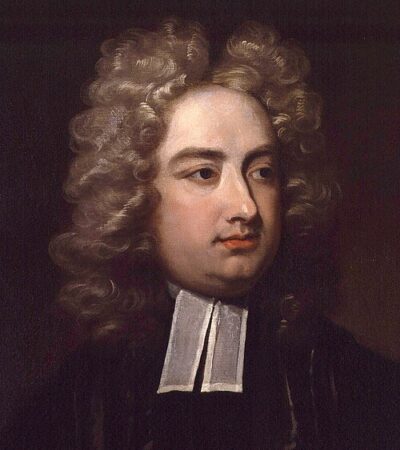 Jonathan SwiftAnglo-Irish satirist and essayist (1667–1745)
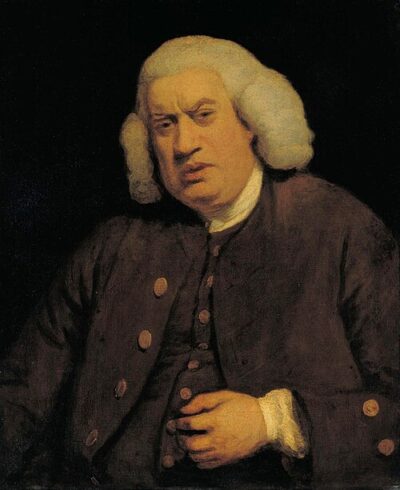 Samuel JohnsonEnglish writer and lexicographer (1709–1784)
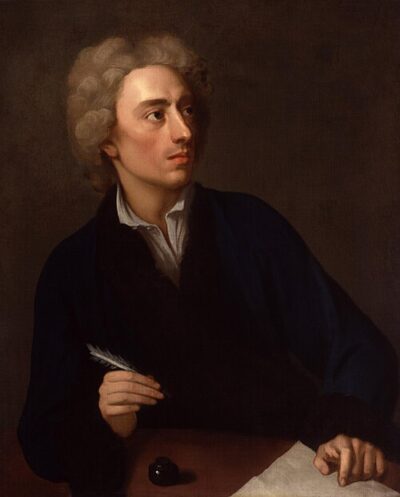 Alexander PopeEnglish poet (1688–1744)
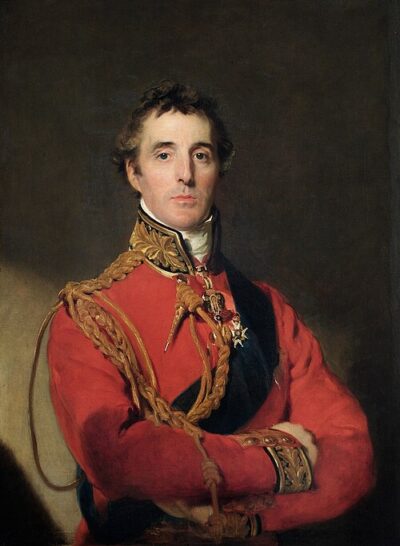 Arthur Wellesley, 1st Duke of Wellington (–1834)British Field Marshal, Prime Minister of the United Kingdom, 1828–1830, 1834 (1769-1852)
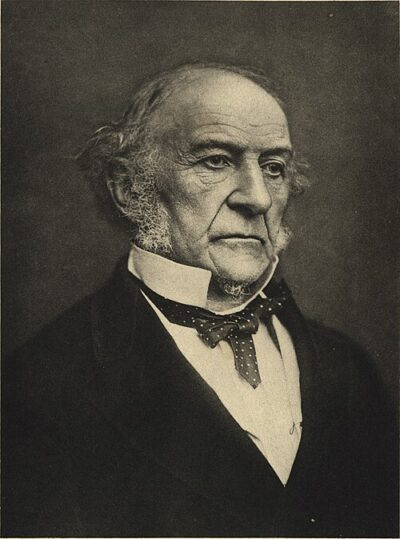 William Ewart Gladstone (1828–1834)British Liberal prime minister (1809–1898)
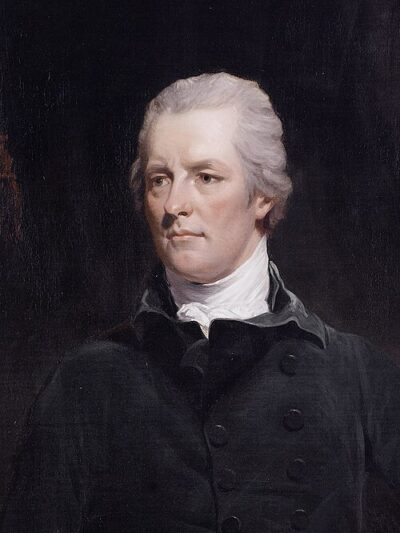 William Pitt the YoungerBritish statesman (1759–1806)
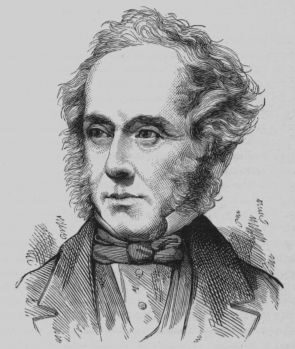 Henry Temple, 3rd Viscount Palmerston (–1830)British statesman and prime minister (1784–1865)
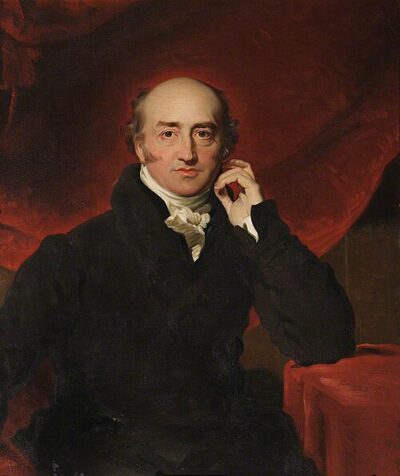 George CanningBritish Prime Minister, statesman, and politician (1770-1827)
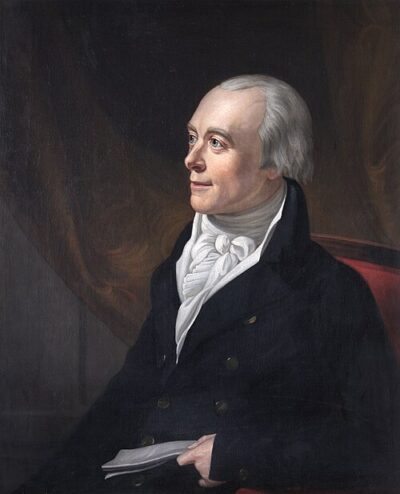 Spencer Perceval19th-century prime minister of the United Kingdom (1762–1812)
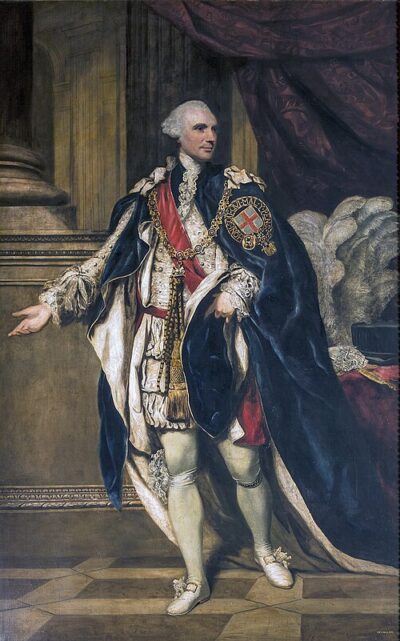 John Stuart, 3rd Earl of ButeBritish nobleman, art collector, and Prime Minister of Great Britain (1713-1792)
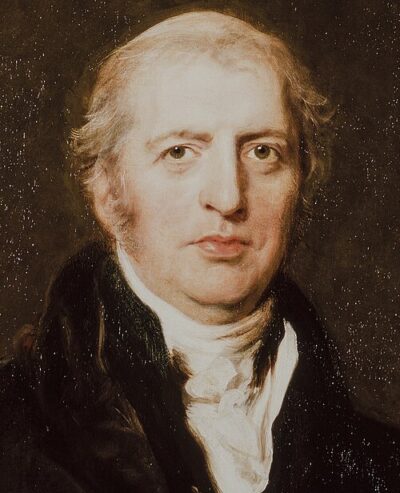 Robert Jenkinson, 2nd Earl of LiverpoolPrime Minister of the United Kingdom from 1812 to 1827
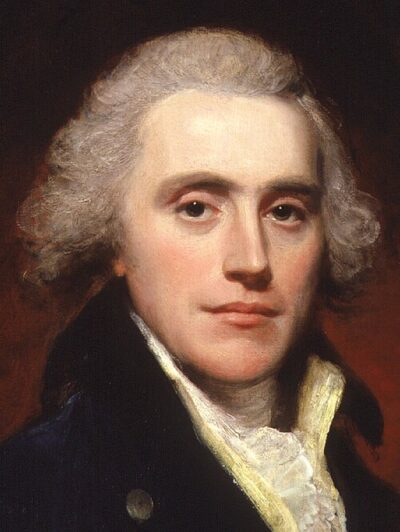 Henry Addington, 1st Viscount SidmouthPrime Minister of the United Kingdom, 1801 to 1804
