
Order of the Garter
The Order of the Garter is an order of chivalry in England. It was founded in 1348 by Edward III of England. It is given by the Monarch of the United Kingdom.
- Founded
- 1348
- Founded by
- Edward III of England
- Country
- Kingdom of England
All 8 facts, and where they come from
Facts
8 facts · 0 confirmed by two sources · 0 cited · 8 from one source
Where this comes from
Papalocal keeps its own record. It started from these sources; what each one said is kept here as it was copied, so a change on their side never changes this page by itself. Tap one to read its version.
What Wikidata says · copied November 16, 2026 · revision 2552875495
- Described as
- order of chivalry in England
- Other names
- The Most Noble Order of the Garter, Order of the Garter -- History, Instrument of Degradation
- What it is
- order of chivalry · 1 reference
- Founded
- 1348 · 1 reference
- Founded by
- Edward III of England · 1 reference
- Country
- Kingdom of England; Kingdom of Great Britain
- Given by
- Monarch of the United Kingdom
- Named after
- garter
- Official website
- https://www.royal.uk/the-order-of-the-garter
- Wikipedias with a page
- 59
Wikidata item Q215248 (wikidata.org/wiki/Q215248), public domain (CC0). Copied 2026-11-16.
What Wikipedia says · copied November 16, 2026 · revision 1385442012
The Most Noble Order of the Garter is an order of chivalry founded by King Edward III in 1348. The most senior order of knighthood in the British honours system, it is outranked in precedence only by the decorations of the Victoria Cross and the George Cross. The Order of the Garter is dedicated to the image and arms of Saint George, England's patron saint.
Appointments are at the Sovereign's sole discretion, typically made in recognition of national contribution, service to the Crown, or for distinguished personal service to the Monarch. Membership of the order is limited to the sovereign, the Prince of Wales, and no more than 24 living members, or Companions. The order also includes Supernumerary Knights and Ladies (e.g., members of the British royal family and foreign monarchs).
The order's emblem is a garter circlet with the motto Honi soit qui mal y pense (Anglo-Norman for "shamed be (the person) who thinks evil of it", in older translations "evil be to him who thinks of evil") in gold script. Members of the order wear it on ceremonial occasions.
From the Wikipedia article “Order of the Garter” (en.wikipedia.org/wiki/Order_of_the_Garter), by its contributors, under CC BY-SA 4.0 (creativecommons.org/licenses/by-sa/4.0/). Copied 2026-11-16; not changed.
Confirmed Two sources agree. Cited One source, and it names where it got it. One source One source, without a reference of its own. Sources disagree The sources disagree. We show the best-supported value and keep theirs below.
People connected 63
Won it 50
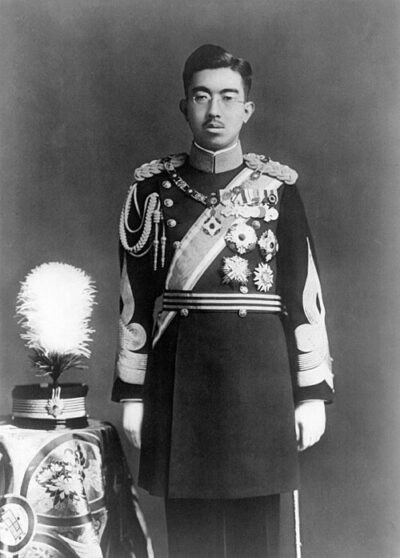 Hirohito (1929)emperor of Japan from 1926 to 1989
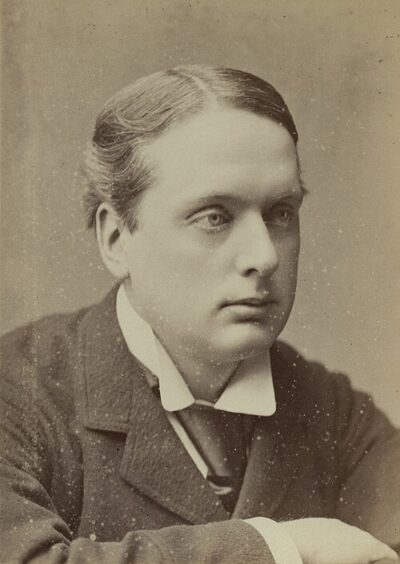 Archibald Primrose, 5th Earl of Rosebery (1892)British Liberal politician and Prime Minister of the United Kingdom (1847–1929)
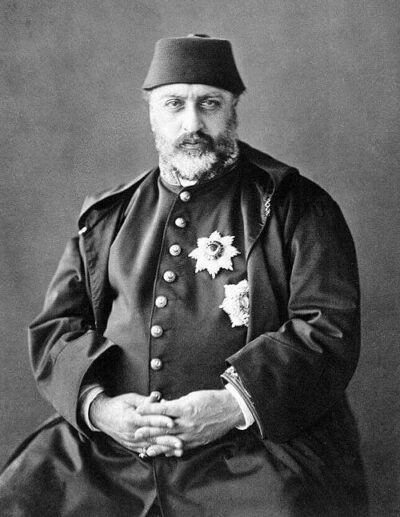 Abdülaziz (1867)32th Sultan of the Ottoman Empire (1861–1876)
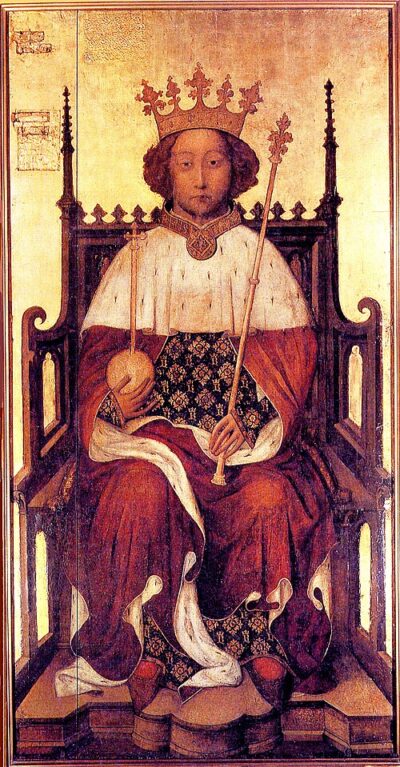 Richard II of England (1377–)King of England from 1377 to 1399
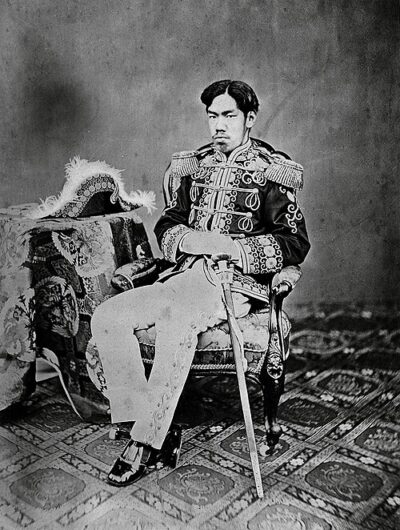 Emperor MeijiEmperor of Japan from 1867 until 1912
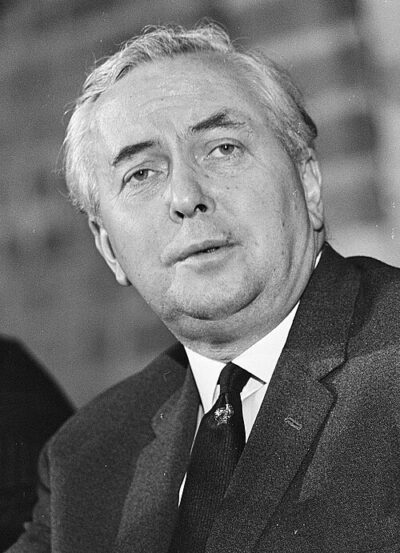 Harold WilsonPrime Minister of the United Kingdom from 1964-1970 and 1974-1976 (1916–1995)
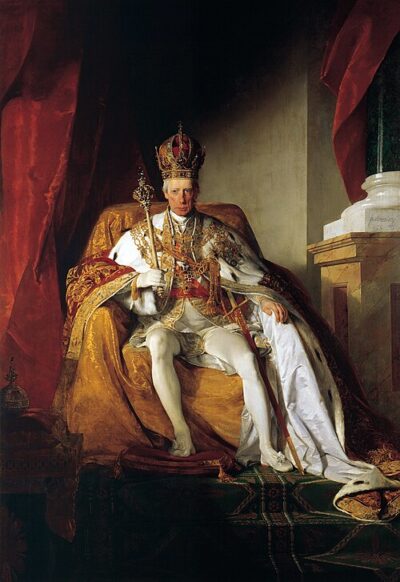 Francis II, Holy Roman Emperoralso known as Francis I, Emperor of Austria (1768-1835)
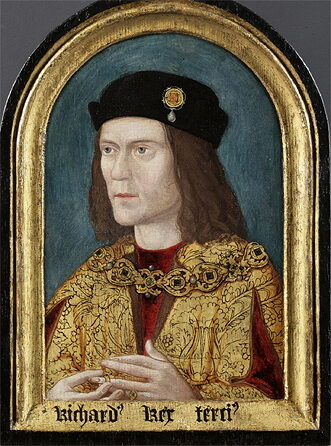 Richard III of Englandking of England from 1483 to 1485
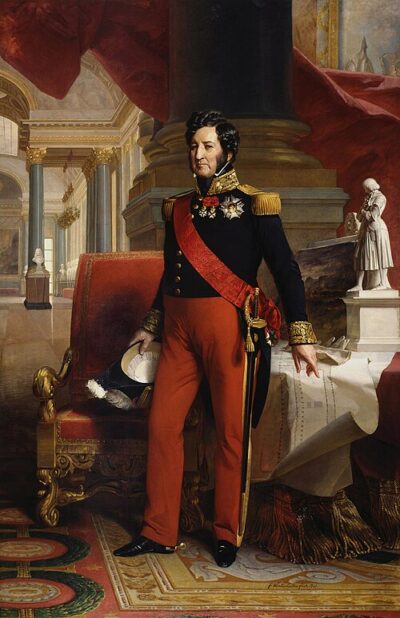 Louis-Philippe IKing of the French from 1830 to 1848 (1773-1850)
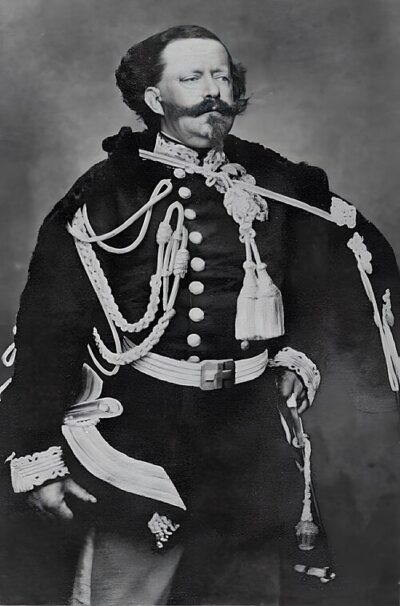 Victor Emmanuel II of ItalyKing of Sardinia (1849–1861) and King of Italy (1861–1878)
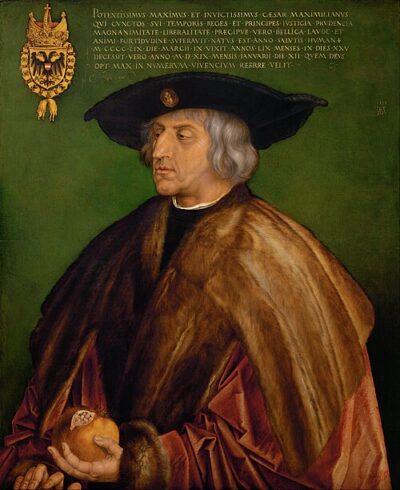 Maximilian IHoly Roman Emperor (1459-1519)
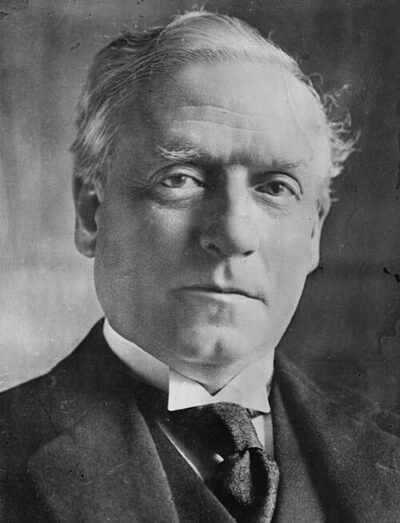 H. H. AsquithBritish politician; Prime Minister of the United Kingdom from 1908 to 1916 (1852–1928)
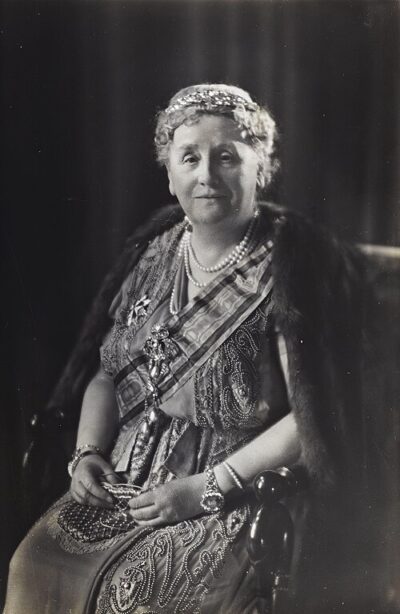 Wilhelmina of the NetherlandsQueen of the Netherlands from 1890 to 1948 (1880-1962)
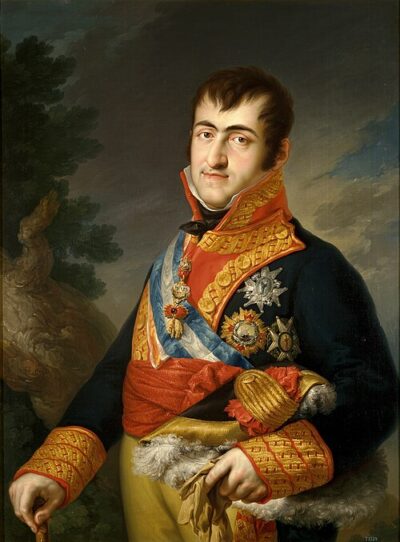 Ferdinand VII of SpainKing of Spain (1784–1833) (r. 1808; 1813–1833)
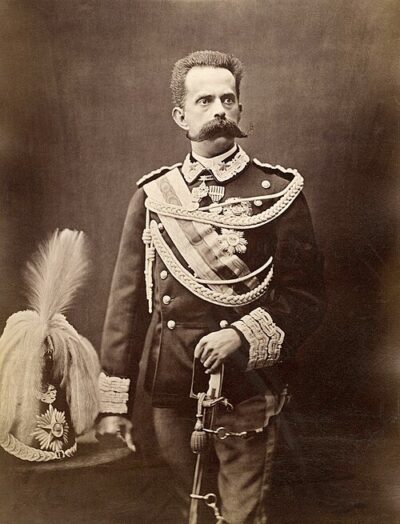 Umberto I of Italyking of Italy (1844-1900)
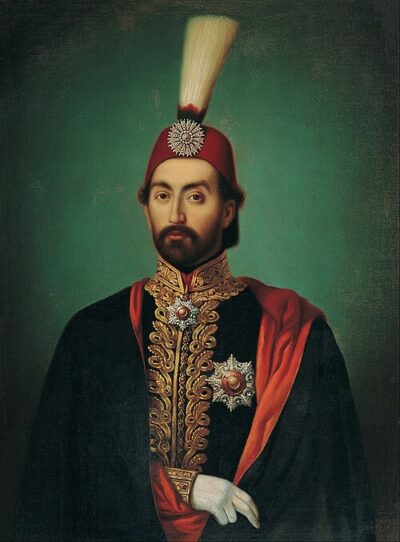 Abdülmecid I31th Sultan of the Ottoman Empire (1839–1861)
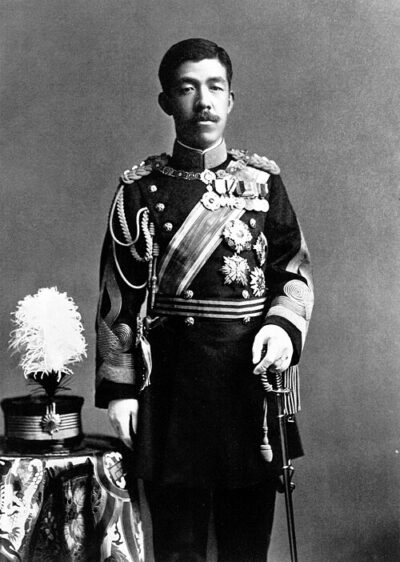 Emperor TaishōEmperor of Japan from 1912 until 1926
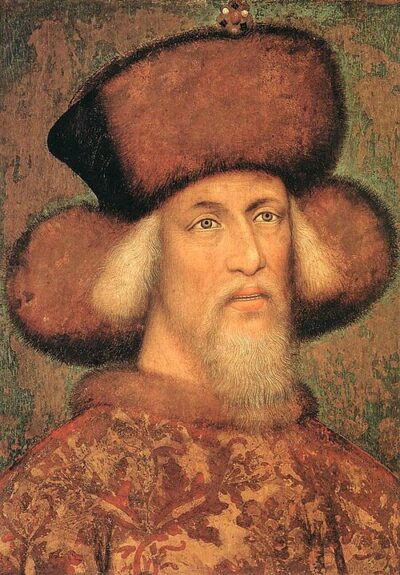 SigismundMonarch from the House of Luxemburg (1368-1437)
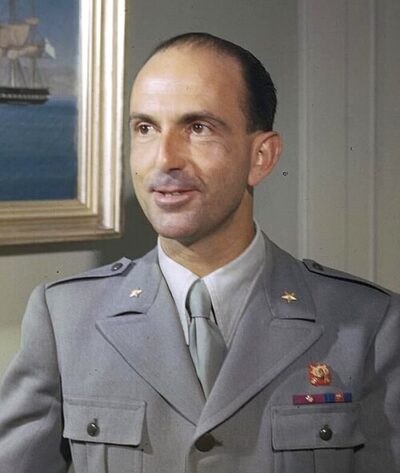 Umberto II of Italylieutenant of the Kingdom of Italy and last king of Italy
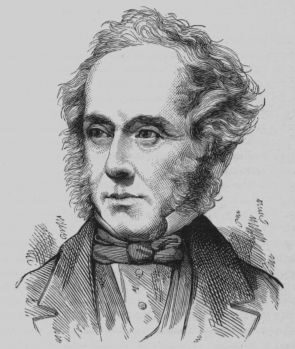 Henry Temple, 3rd Viscount PalmerstonBritish statesman and prime minister (1784–1865)
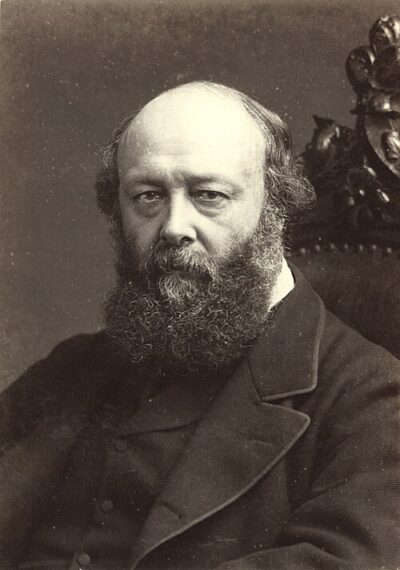 Robert Gascoyne-Cecil, 3rd Marquess of SalisburyBritish politician and prime minister (1830-1903)
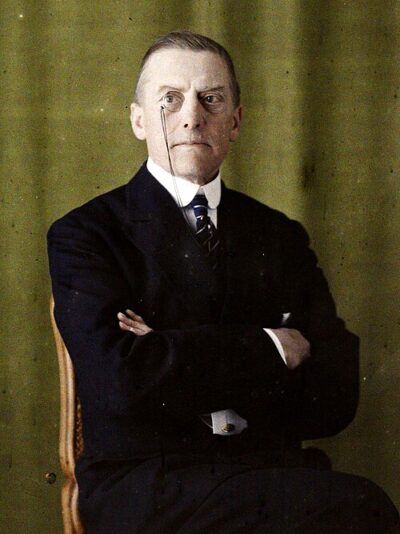 Austen ChamberlainBritish politician (1863-1937)
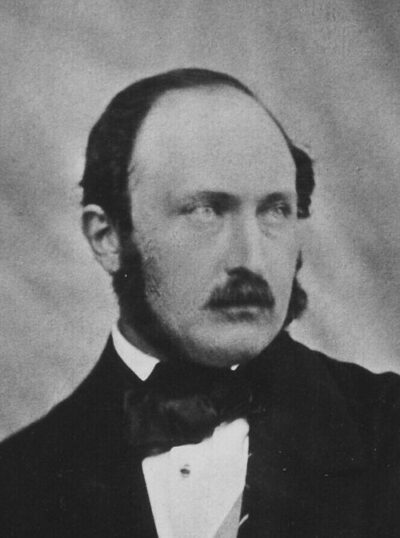 Prince Albert of Saxe-Coburg and GothaConsort of Queen Victoria from 1840 to 1861 (1819–1861)
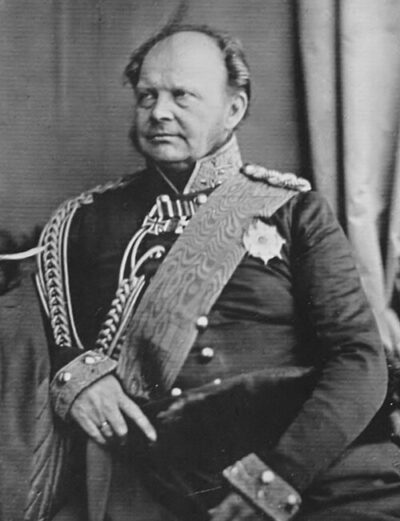 Frederick William IV of PrussiaKing of Prussia (1795–1861)
and 26 more
Members
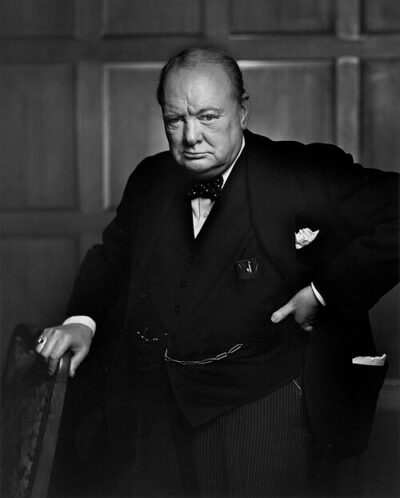 Winston Churchill (1953–1965)British statesman, soldier and writer (1874–1965)
 Tony Blair (2022–)Prime Minister of the United Kingdom from 1997 to 2007
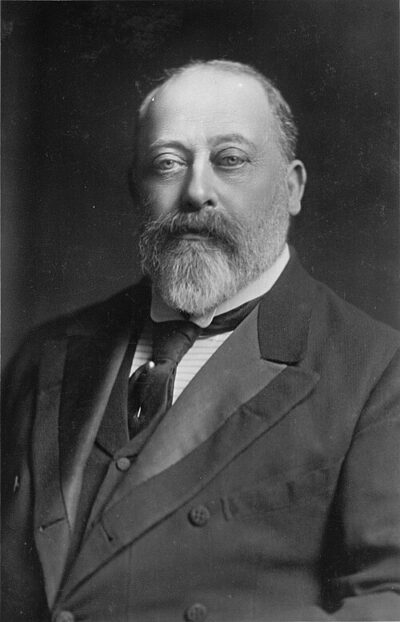 Edward VIIKing of the United Kingdom from 1901 to 1910
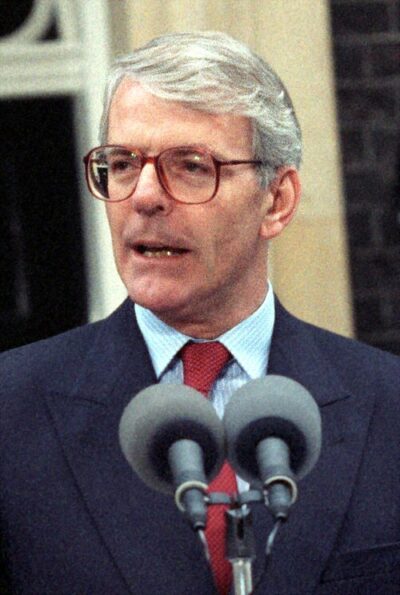 John Major (2005–)Prime Minister of the United Kingdom from 1990 to 1997
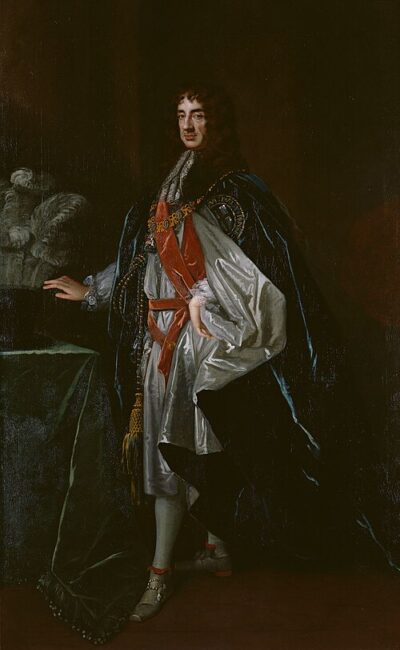 Charles II of England (1638–)King of England, Scotland, and Ireland (1630–1685)
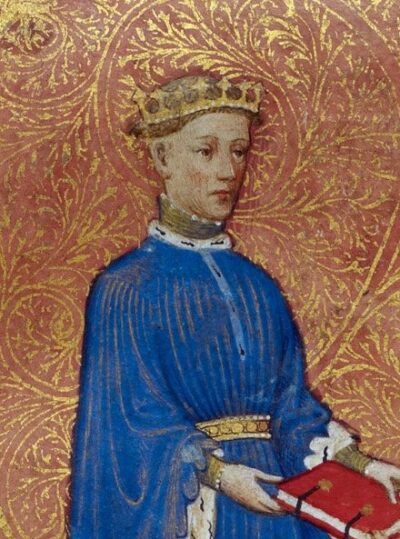 Henry V of England (1399–)King of England from 1413 to 1422
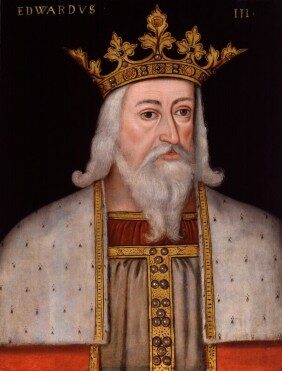 Edward III of England (1348–)King of England from 1327 to 1377
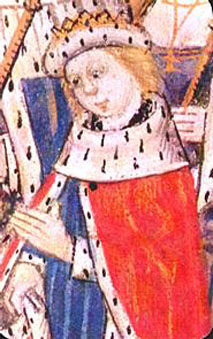 Edward V of England (1475–)king of England in 1483 (1470-1483)
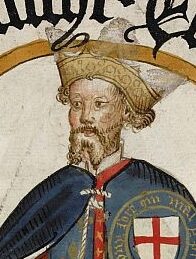 Edward, the Black Prince (1348–)Prince of Wales (1330–1376)
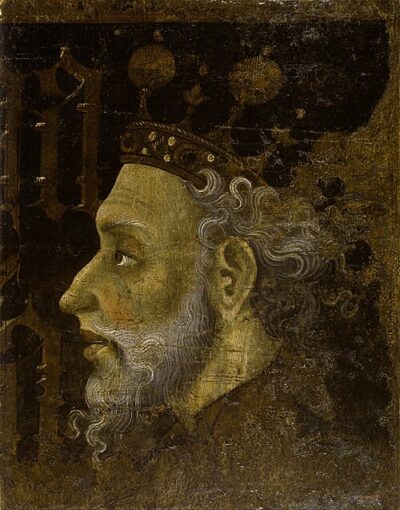 Alfonso V of Aragon (1450–)King of Aragon from 1416 to 1458
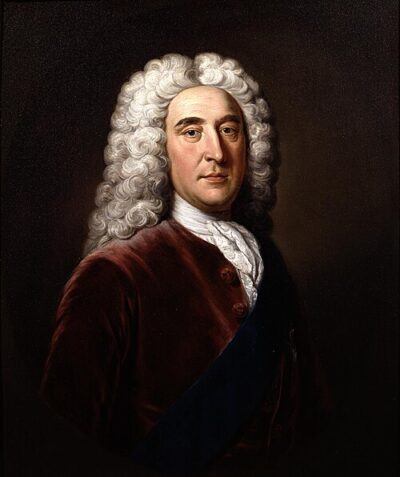 Thomas Pelham-Holles, 1st Duke of Newcastle-upon-Tyne (1718–)Prime Minister of Great Britain (1693-1768)
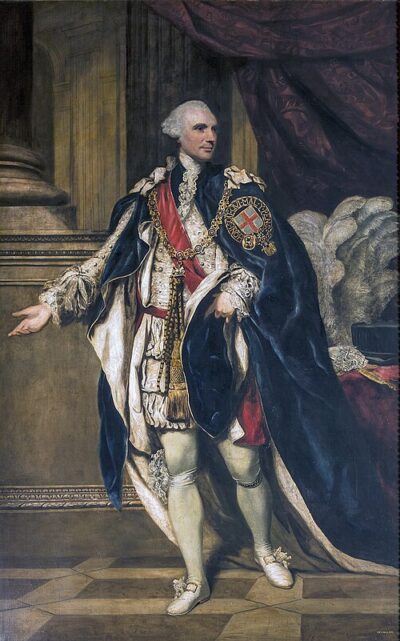 John Stuart, 3rd Earl of Bute (1762–)British nobleman, art collector, and Prime Minister of Great Britain (1713-1792)
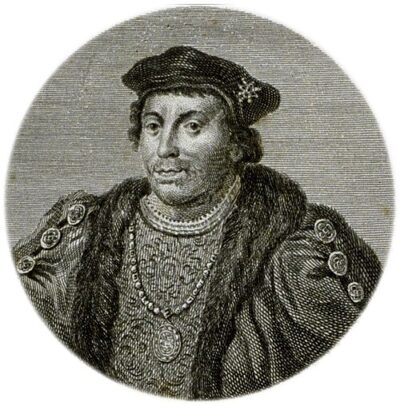 Henry Stafford, 2nd Duke of Buckingham (1474–)English nobleman (1455-1483)
