

Christ Church
Christ Church is a constituent college of the University of Oxford in England. It was founded in 1546 by Henry VIII of England and Thomas Wolsey. It has 455 employees (2025).
- Located in
- Oxford
- Country
- United Kingdom
- Founded
- November 4, 1546
- What it is
- college of the University of Oxford
All 11 facts, and where they come from
Facts
11 facts · 0 confirmed by two sources · 2 cited · 9 from one source
Where this comes from
Papalocal keeps its own record. It started from these sources; what each one said is kept here as it was copied, so a change on their side never changes this page by itself. Tap one to read its version.
What Wikidata says · copied November 16, 2026 · revision 2550665156
- Described as
- constituent college of the University of Oxford in England
- Other names
- The House, Christ Church, Oxford, Christ Church College, Christchurch, Oxford, Oxford, Christ Church
- What it is
- college of the University of Oxford; charitable organization
- Founded
- November 4, 1546
- Founded by
- Henry VIII of England; Thomas Wolsey
- Headquarters
- Oxford
- Located in
- Oxford · 1 reference
- Country
- United Kingdom
- Employees
- 434 (2019) · 1 reference
- Named after
- Jesus Christ
- Official website
- http://www.chch.ox.ac.uk/
- Wikipedias with a page
- 33
Wikidata item Q745967 (wikidata.org/wiki/Q745967), public domain (CC0). Copied 2026-11-16.
What Wikipedia says · copied November 16, 2026 · revision 1376159723
Christ Church (Latin: Ædes Christi, the temple or house, ædes, of Christ, and thus sometimes known as "The House") is a constituent college of the University of Oxford in England. Founded in 1546 by King Henry VIII, the college is uniquely a joint foundation of the university and the cathedral of the Oxford diocese, Christ Church Cathedral, which also serves as the college chapel and whose dean is ex officio the college head.
As of 2022, the college had 661 students. Its grounds contain a number of architecturally significant buildings including Tom Tower (designed by Sir Christopher Wren), Tom Quad (the largest quadrangle in Oxford), and the Great Dining Hall, which was the seat of the parliament assembled by King Charles I during the English Civil War. The buildings have inspired replicas throughout the world in addition to being featured in films such as Harry Potter and The Golden Compass, helping Christ Church become the most popular Oxford college for tourists with almost half a million visitors annually.
The college's alumni include 13 British prime ministers (the highest number of any Oxbridge college), as well as former prime ministers of Pakistan and Ceylon. Other notable alumni include King Edward VII, King William II of the Netherlands, William Penn, writers Lewis Carroll (author of Alice in Wonderland) and W. H. Auden, philosopher John Locke, and scientist Robert Hooke. Two Nobel laureates, Martin Ryle and John Gurdon, studied at Christ Church. Albert Einstein is also associated with the college. The college has several cities and places named after it.
From the Wikipedia article “Christ Church, Oxford” (en.wikipedia.org/wiki/Christ_Church,_Oxford), by its contributors, under CC BY-SA 4.0 (creativecommons.org/licenses/by-sa/4.0/). Copied 2026-11-16; not changed.
Confirmed Two sources agree. Cited One source, and it names where it got it. One source One source, without a reference of its own. Sources disagree The sources disagree. We show the best-supported value and keep theirs below.
Picture: Wikimedia Commons: UK-2014-Oxford-Christ Church 01.jpg · See Commons file page
People connected 36
Studied here 36
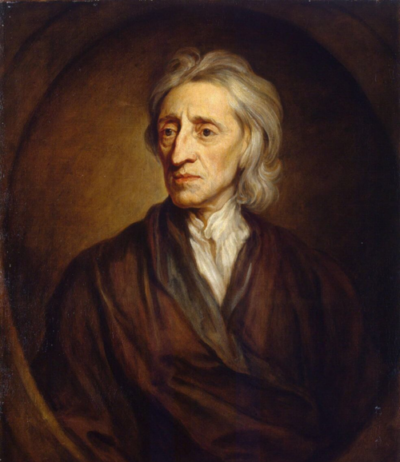 John Locke (1652–1675)English philosopher and physician (1632-1704)
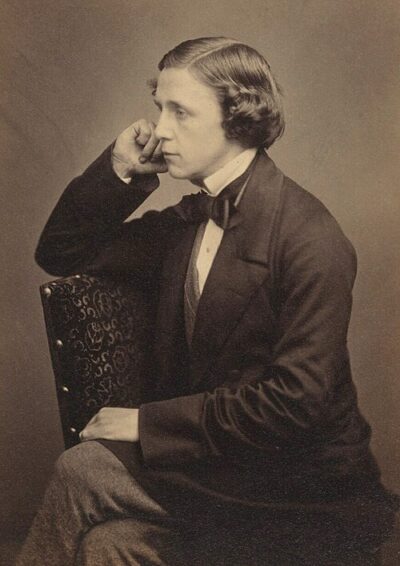 Lewis Carroll (1849–1850)British author and scholar (1832–1898)
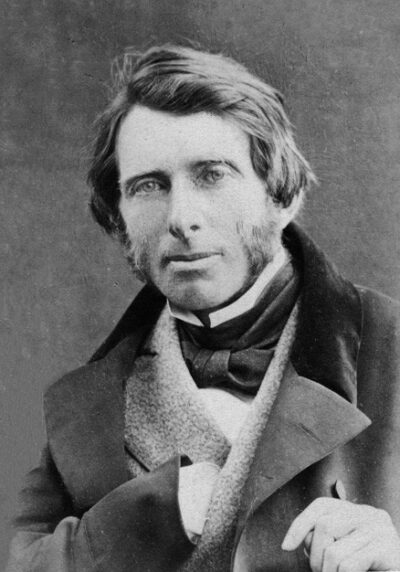 John RuskinEnglish writer and art critic (1819–1900)
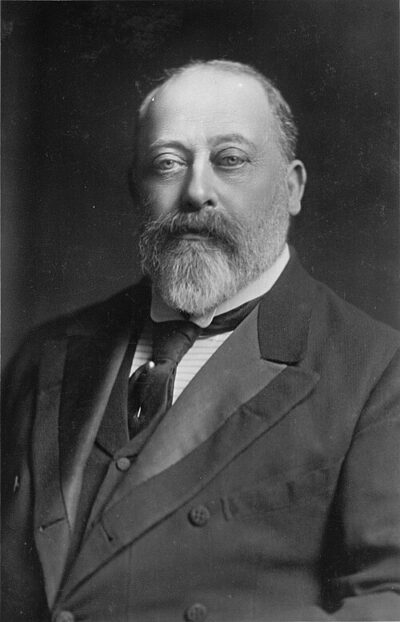 Edward VIIKing of the United Kingdom from 1901 to 1910
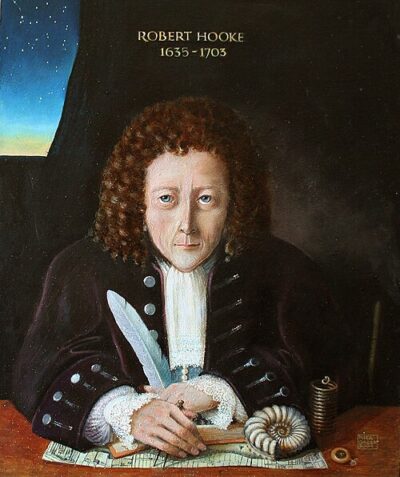 Robert Hooke (1653–1655)English natural philosopher, architect and polymath (1635 — 1703)
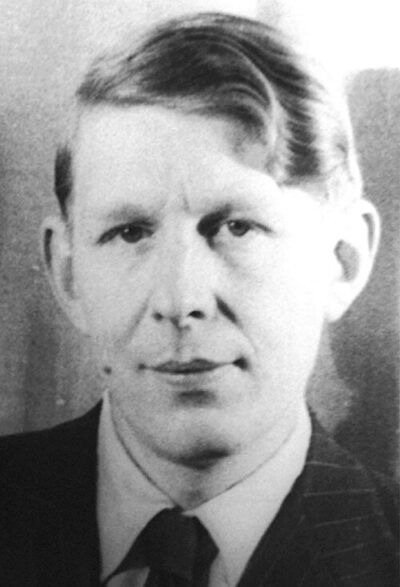 W. H. AudenBritish-American poet (1907–1973)
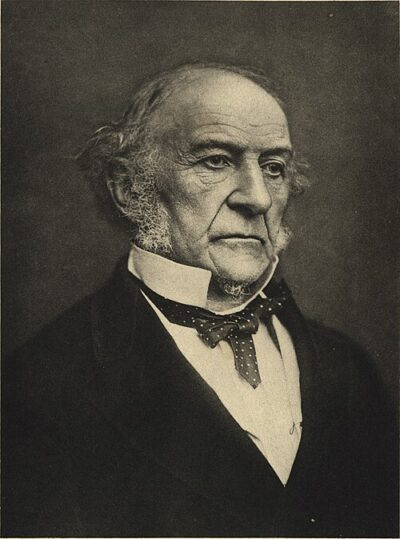 William Ewart GladstoneBritish Liberal prime minister (1809–1898)
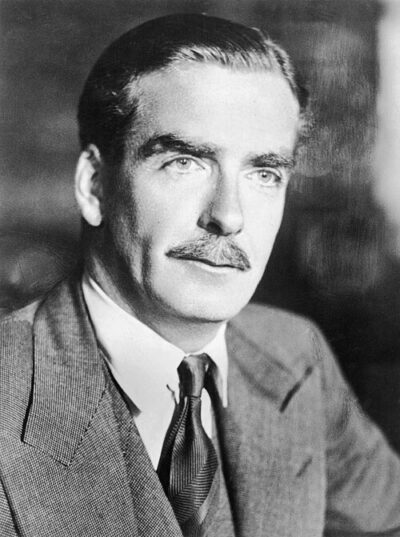 Anthony EdenBritish soldier, diplomat and politician (1897–1977)
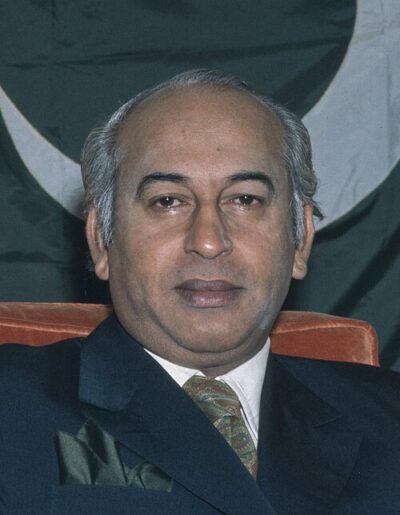 Zulfikar Ali Bhutto4th President and 9th Prime Minister of Pakistan (1928–1979)
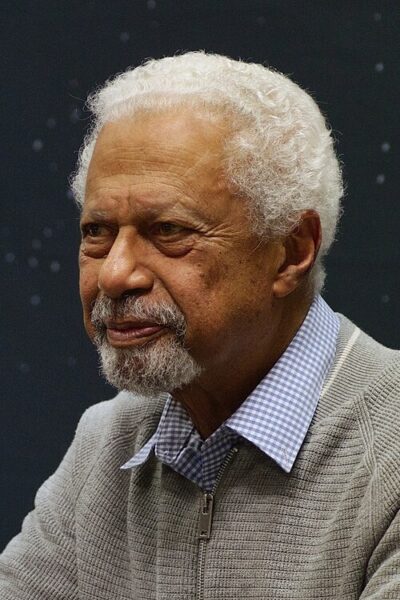 Abdulrazak GurnahTanzanian-born British writer, winner of the Nobel Prize in Literature (2021) (born 1948)
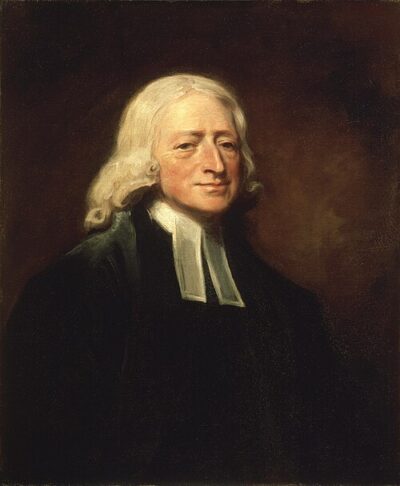 John WesleyBritish cleric and founder of the Methodist movement (1703-1791)
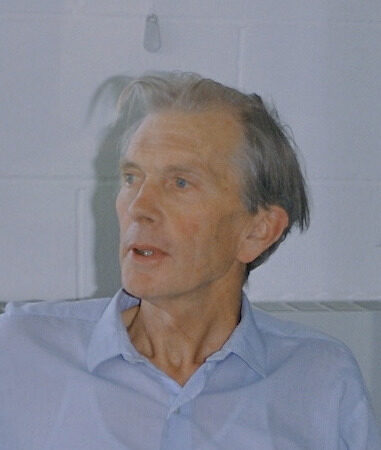 Martin RyleEnglish radio astronomer (1918–1984)
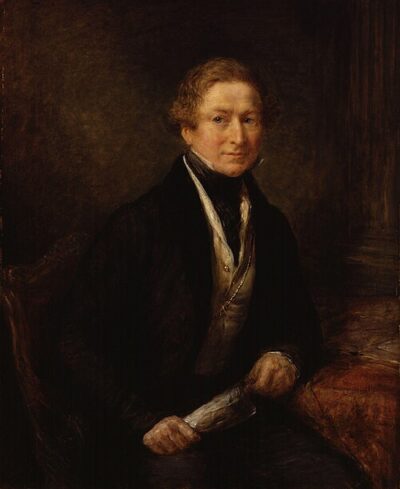 Robert PeelFormer Prime Minister of the United Kingdom (1788–1850)
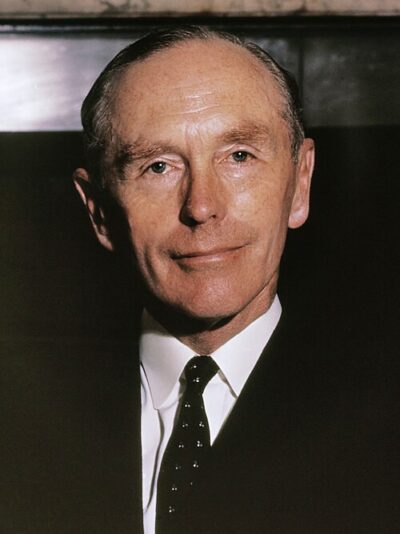 Alec Douglas-HomePrime Minister of the United Kingdom from 1963 to 1964
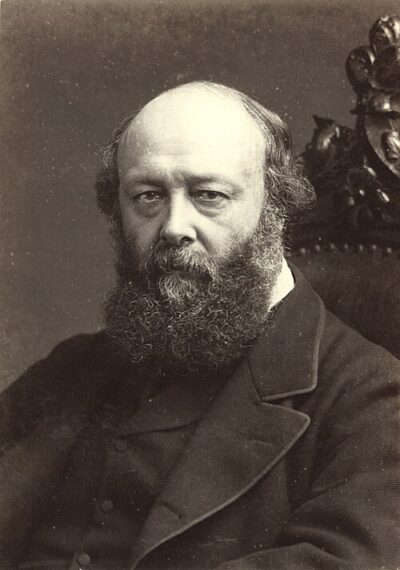 Robert Gascoyne-Cecil, 3rd Marquess of SalisburyBritish politician and prime minister (1830-1903)
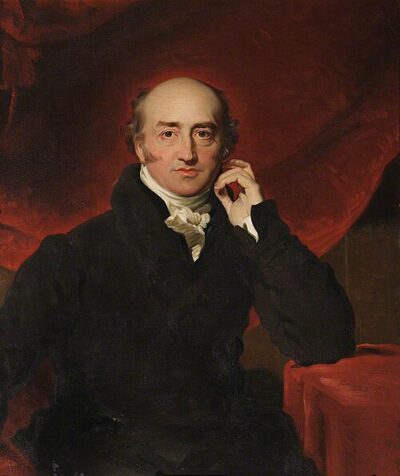 George CanningBritish Prime Minister, statesman, and politician (1770-1827)
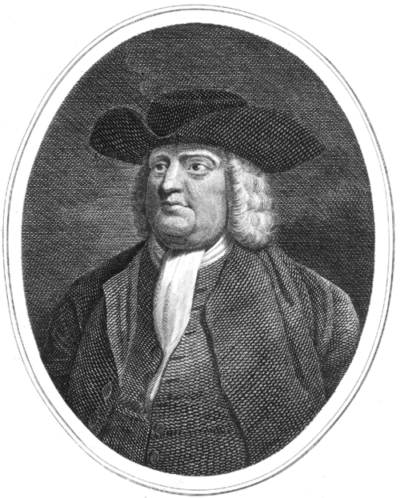 William Penn (1660–1661)English real estate entrepreneur, philosopher, early Quaker and founder of the Province of Pennsylvania (1644-1718)
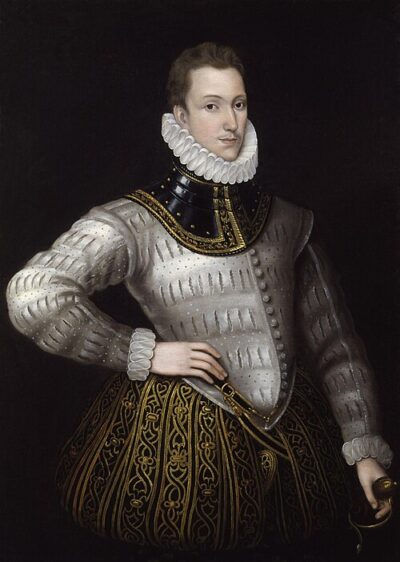 Philip SidneyEnglish poet, courtier, diplomat (1554-1586)
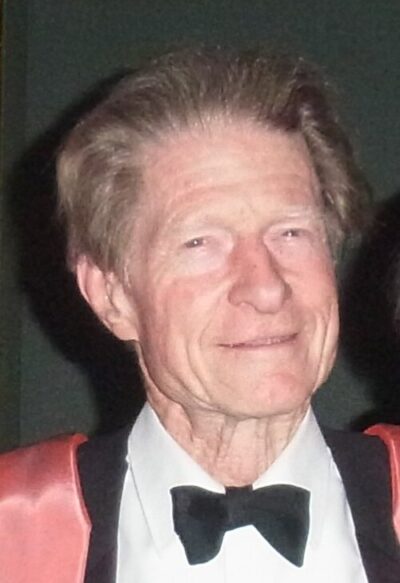 John Gurdon (1956–1960)British developmental biologist (1933–2025)
 A. J. AyerEnglish philosopher (1910–1989)
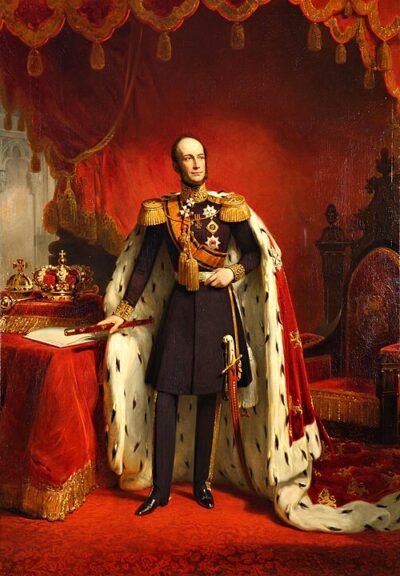 William II of the NetherlandsKing of the Netherlands and Grand Duke of Luxembourg from 1840 to 1849 (1792-1849)
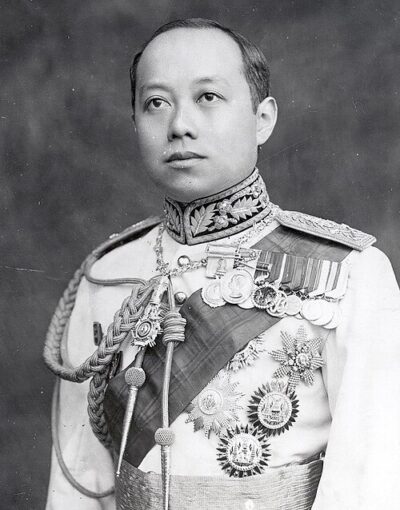 Vajiravudh (1899–1901)King of Siam from 1910 to 1925
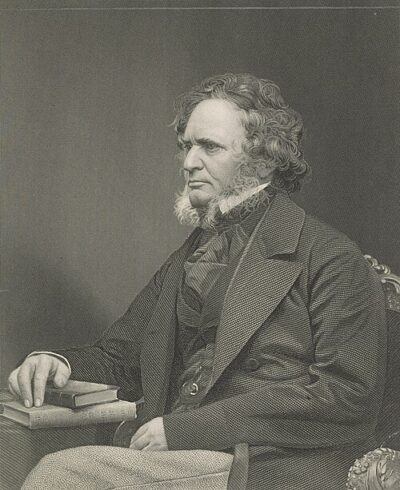 Edward Smith-Stanley, 14th Earl of DerbyBritish politician (1799–1869)
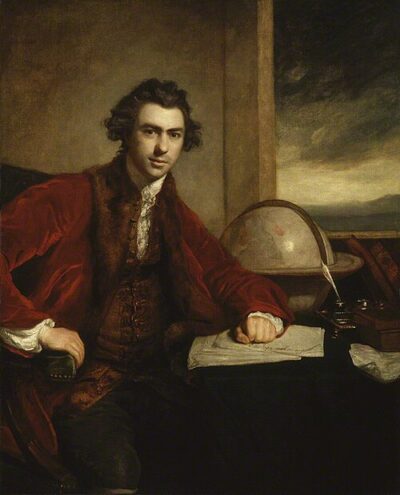 Joseph BanksEnglish naturalist, botanist and patron of the natural sciences (1743-1820)
and 12 more
