
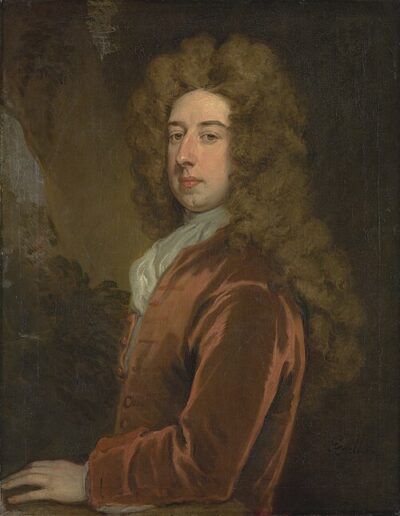
Spencer Compton, 1st Earl of Wilmington
Spencer Compton, 1st Earl of Wilmington was a Prime Minister of Great Britain. Born 1674, in Compton Wynyates. Died July 2, 1743, in London. Positions held include Prime Minister of the United Kingdom (1742–1743), Member of Parliament in the Parliament of England and Lord President of the Council (1730–1742). Educated at Trinity College and St Paul's School. Awards include Order of the Garter.
Facts
30 facts · 1 confirmed by two sources · 4 cited · 24 from one source · 1 where the sources disagree
What’s different
- Born: we show 1674 (Sources disagree). Wikipedia says 1673
Where this comes from
Papalocal keeps its own record. It started from these sources; what each one said is kept here as it was copied, so a change on their side never changes this page by itself. Tap one to read its version.
What Wikidata says · copied November 16, 2026 · revision 2568771270
- Described as
- Prime Minister of Great Britain
- Born
- 1674 · 3 references
- Died
- July 2, 1743 · 4 references
- Born in
- Compton Wynyates · 1 reference
- Died in
- London
- Buried in
- Compton Wynyates · 1 reference
- Citizen of
- Kingdom of England; Kingdom of Great Britain
- Occupation
- politician · 1 reference
- Positions held
- Prime Minister of the United Kingdom (1742–1743); Member of Parliament in the Parliament of England; Lord President of the Council (1730–1742); Lord Privy Seal (1730–1731); Member of the 1698-1700 Parliament; Member of the 1701 Parliament; Member of the 1701-02 Parliament; Member of the 1702-05 Parliament; Member of the 1705-07 Parliament; Member of the 1695-98 Parliament (1698–); member of the 1st Parliament of Great Britain; member of the 2nd Parliament of Great Britain; member of the 4th Parliament of Great Britain; member of the 5th Parliament of Great Britain; member of the 6th Parliament of Great Britain
- Political party
- Whigs
- Education
- Trinity College; St Paul's School
- Awards
- Order of the Garter · 1 reference
- Father
- James Compton, 3rd Earl of Northampton · 2 references
- Mother
- Mary Noel · 2 references
- Siblings
- George Compton, 4th Earl of Northampton · 1 reference
- Wikipedias with a page
- 53
Wikidata item Q270415 (wikidata.org/wiki/Q270415), public domain (CC0). Copied November 16, 2026.
What Wikipedia says · copied November 16, 2026 · revision 1385502321
Spencer Compton, 1st Earl of Wilmington (1673 – 2 July 1743) was a British Whig statesman who served continuously in government from 1715 until his death in 1743. He sat in the English and British House of Commons between 1698 and 1728, and was then raised to the peerage and sat in the House of Lords. He served as prime minister of Great Britain from 1742 until his death in 1743. He is considered to have been Britain's second prime minister, after Robert Walpole, but worked closely with the Secretary of State, Lord Carteret, in order to secure the support of the various factions making up the government. He is one of only three people in British history to have been the Speaker of the House of Commons and Prime Minister.
- Born, in its opening lines
- 1673
- Died, in its opening lines
- July 2, 1743
From the Wikipedia article “Spencer Compton, 1st Earl of Wilmington” (en.wikipedia.org/wiki/Spencer_Compton,_1st_Earl_of_Wilmington), by its contributors, under CC BY-SA 4.0 (creativecommons.org/licenses/by-sa/4.0/). Copied November 16, 2026; not changed.
Confirmed Two sources agree. Cited One source, and it names where it got it. One source One source, without a reference of its own. Sources disagree The sources disagree. We show the best-supported value and keep theirs below.
