
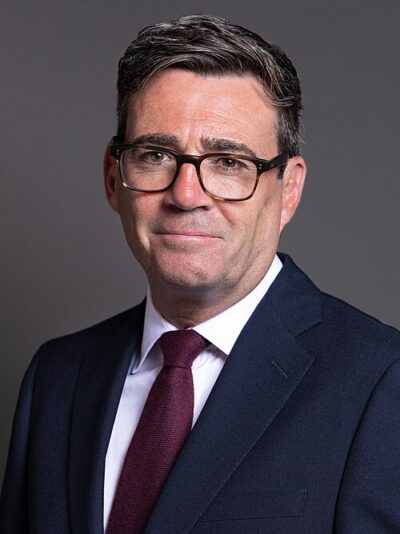
Prime Minister of the United Kingdom
The Prime Minister of the United Kingdom is a head of government of the United Kingdom. It was created in 1721.
- Office of
- United Kingdom
- Country
- United Kingdom
- Created
- April 4, 1721
All 5 facts, and where they come from
Facts
5 facts · 0 confirmed by two sources · 0 cited · 5 from one source
Where this comes from
Papalocal keeps its own record. It started from these sources; what each one said is kept here as it was copied, so a change on their side never changes this page by itself. Tap one to read its version.
What Wikidata says · copied November 16, 2026 · revision 2557994423
- Described as
- head of government of the United Kingdom
- Other names
- Prime Minister of the United Kingdom of Great Britain and Northern Ireland, PM of the UK, British Prime Minister, British PM, UK PM, UK Prime Minister, United Kingdom Prime Minister
- What it is
- public office
- Created
- April 4, 1721
- Country
- United Kingdom
- Office of
- United Kingdom · 1 reference
- Official website
- https://www.gov.uk/government/organisations/prime-ministers-office-10-downing-street · 1 reference
- Wikipedias with a page
- 95
Wikidata item Q14211 (wikidata.org/wiki/Q14211), public domain (CC0). Copied 2026-11-16.
What Wikipedia says · copied November 16, 2026 · revision 1379032508
The prime minister of the United Kingdom is the head of government of the United Kingdom. The prime minister advises the sovereign on the exercise of much of the royal prerogative, chairs the Cabinet, and selects its ministers. Modern prime ministers hold office by virtue of their ability to command the confidence of the House of Commons, so they are invariably members of Parliament.
The office of prime minister is not established by any statute or constitutional document, but exists only by long-established convention, whereby the monarch appoints as prime minister the person most likely to command the confidence of the House of Commons. In practice, this is the leader of the political party that holds the largest number of seats in the Commons. The prime minister is ex officio also First Lord of the Treasury (an office often associated with the premiership between 1721 and 1895, after 1902 always united to it, and, after 1905, an official title of the position), Minister for the Civil Service, the minister responsible for national security, and Minister for the Union. The prime minister's official residence and office is 10 Downing Street in London.
The power of the prime minister depends on the support of their respective party and on the support of the country at large. The appointment of cabinet ministers and granting of honours are done through the prime minister's power of appointment. The prime minister, alongside the cabinet, proposes new legislation and decides on key policies, which are then passed by an act of parliament.
The power of the office of prime minister has grown significantly since the first prime minister, Robert Walpole in 1721. The prime minister was originally viewed as the primus inter pares ("first among equals"). Prime ministerial power evolved gradually alongside the office itself, and the prime minister has played an increasingly prominent role in British politics since the early 20th century. During the premierships of Margaret Thatcher and Tony Blair, prime ministerial power expanded substantially, and their leaderships in the office were described as "presidential" due to their personal wielding of power and tight control over their cabinet. The prime minister is one of the world's most powerful political leaders in modern times. As the leader of the world's fifth largest economy, the prime minister holds significant domestic and international leadership, being the leader of a prominent member state of NATO, the G7 and G20.
As of 2026, 59 people (56 men and 3 women) have served as prime minister, with the first, Walpole, taking office on 3 April 1721. The longest-serving prime minister was also Walpole, who served over 20 years, and the shortest-serving was Liz Truss, who served seven weeks. The current prime minister is Andy Burnham who has held the office since 20 July 2026.
From the Wikipedia article “Prime Minister of the United Kingdom” (en.wikipedia.org/wiki/Prime_Minister_of_the_United_Kingdom), by its contributors, under CC BY-SA 4.0 (creativecommons.org/licenses/by-sa/4.0/). Copied 2026-11-16; not changed.
Confirmed Two sources agree. Cited One source, and it names where it got it. One source One source, without a reference of its own. Sources disagree The sources disagree. We show the best-supported value and keep theirs below.
Picture: House of Commons, via Wikimedia Commons · CC BY 3.0
People connected 58
Held this office 58
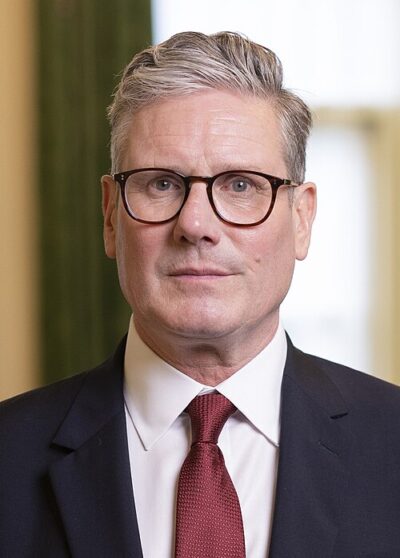 Keir Starmer (2024–2026)Prime Minister of the United Kingdom from 2024 to 2026
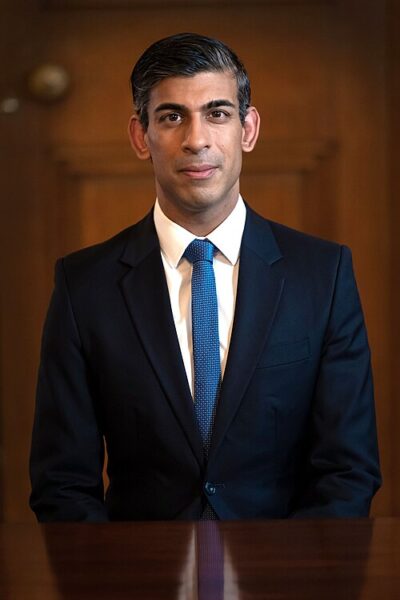 Rishi Sunak (2022–2024)Prime Minister of the United Kingdom from 2022 to 2024
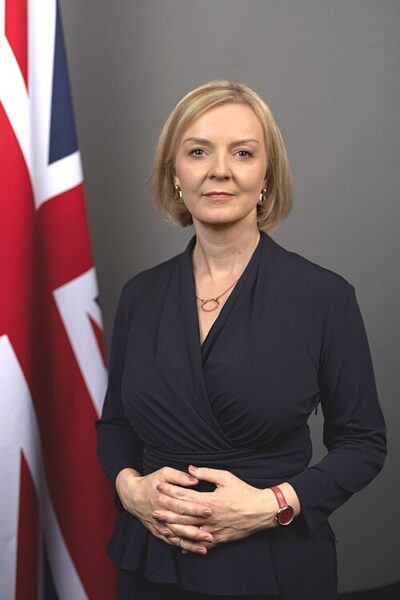 Liz Truss (2022)Prime Minister of the United Kingdom in 2022
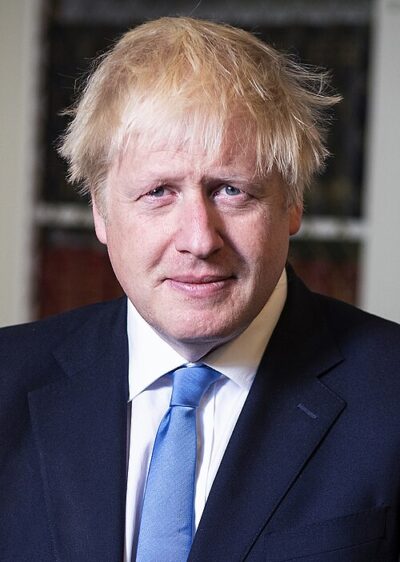 Boris Johnson (2019–2022)Prime Minister of the United Kingdom from 2019 to 2022
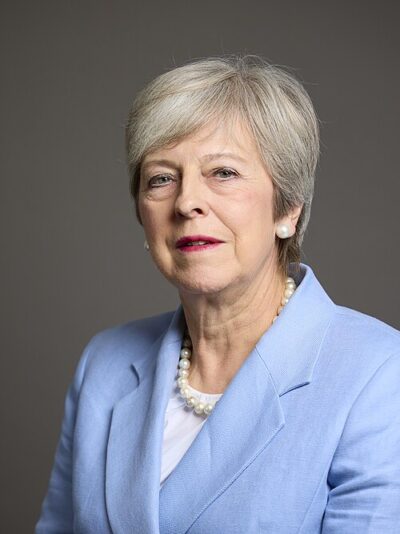 Theresa May (2016–2019)Prime Minister of the United Kingdom from 2016 to 2019
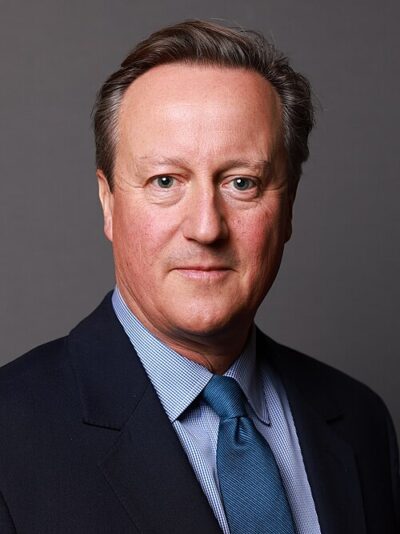 David Cameron (2010–2016)Prime Minister of the United Kingdom from 2010 to 2016
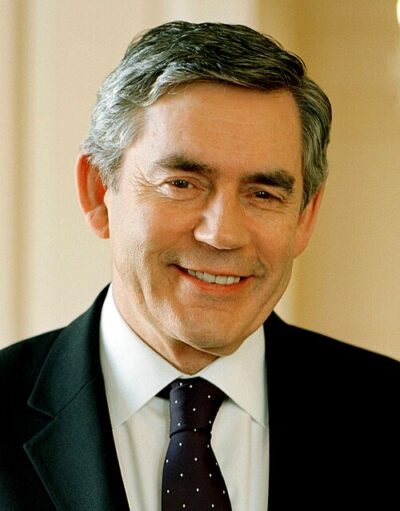 Gordon Brown (2007–2010)Prime Minister of the United Kingdom from 2007 to 2010
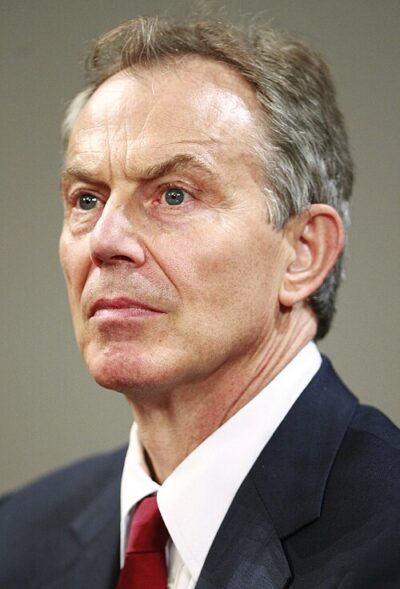 Tony Blair (1997–2007)Prime Minister of the United Kingdom from 1997 to 2007
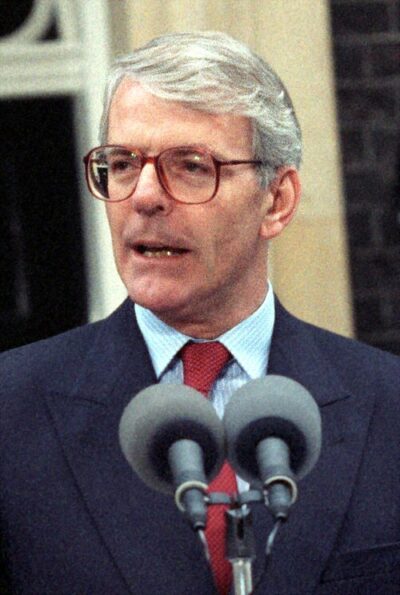 John Major (1990–1997)Prime Minister of the United Kingdom from 1990 to 1997
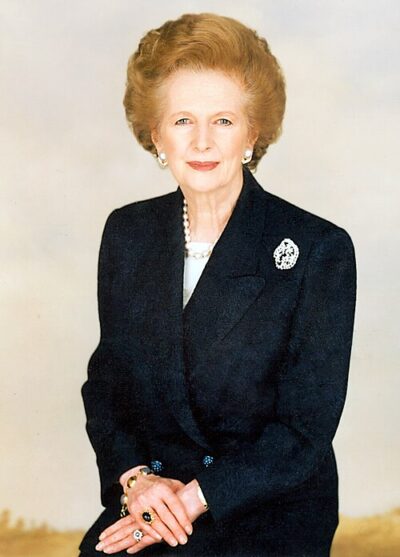 Margaret Thatcher (1979–1990)Prime Minister of the United Kingdom from 1979 to 1990
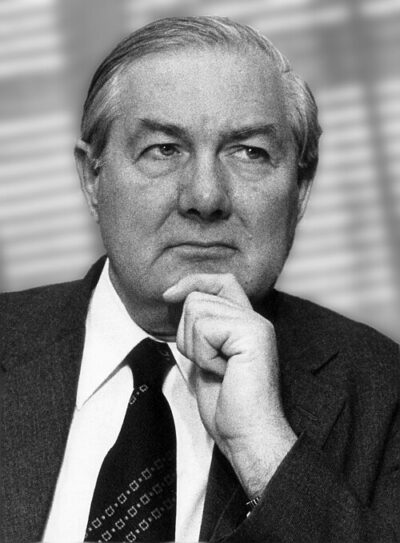 James Callaghan (1976–1979)former prime minister of the United Kingdom (1912–2005)
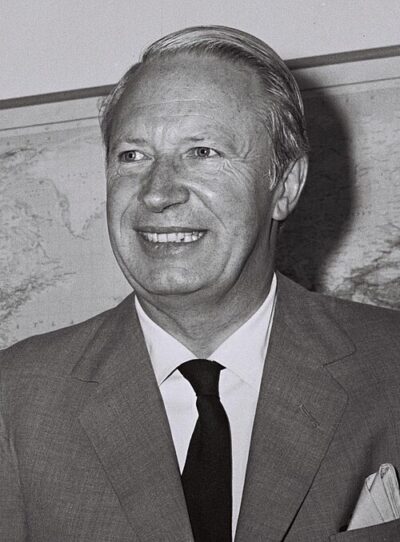 Edward Heath (1970–1974)Prime Minister of the United Kingdom from 1970 to 1974 (1916–2005)
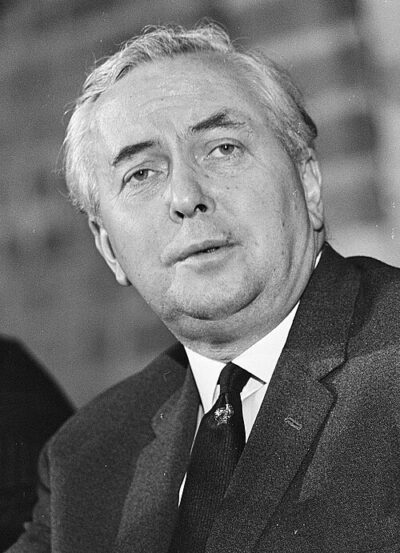 Harold Wilson (1964–1976)Prime Minister of the United Kingdom from 1964-1970 and 1974-1976 (1916–1995)
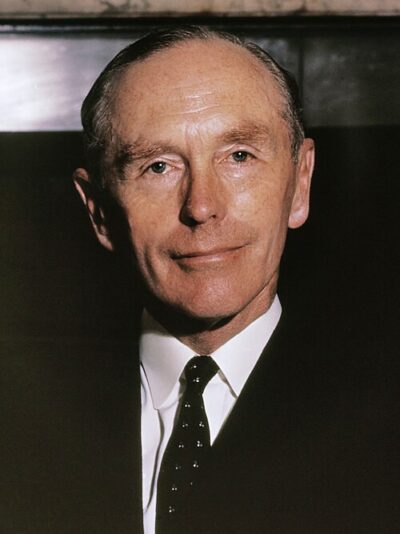 Alec Douglas-Home (1963–1964)Prime Minister of the United Kingdom from 1963 to 1964
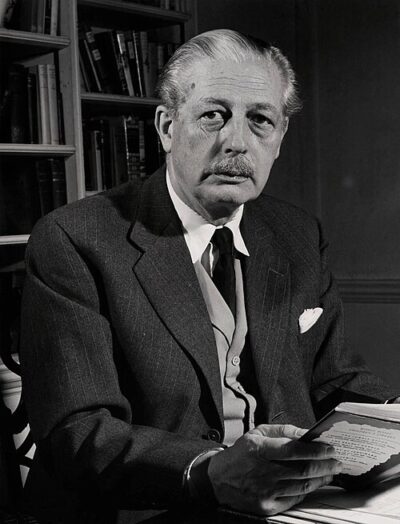 Harold Macmillan (1957–1963)Prime Minister of the United Kingdom from 1957 to 1963
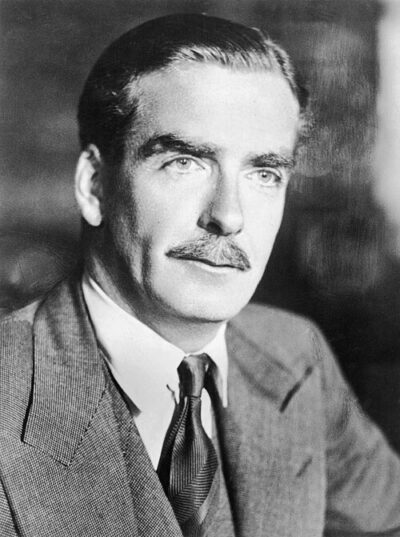 Anthony Eden (1955–1957)British soldier, diplomat and politician (1897–1977)
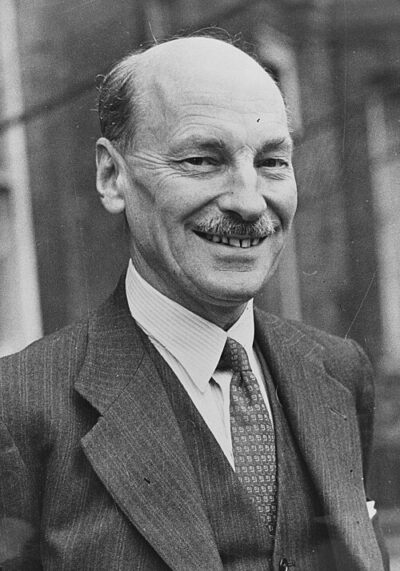 Clement Attlee (1945–1951)Prime Minister of the United Kingdom from 1945 to 1951 (1883–1967)
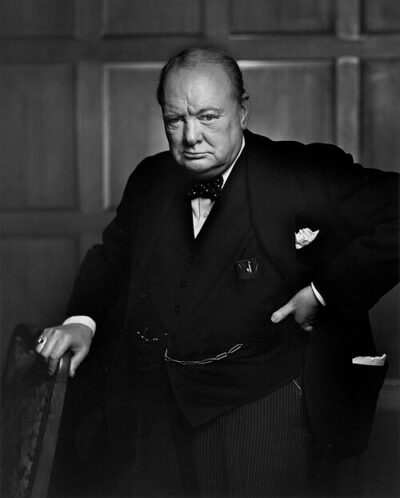 Winston Churchill (1940–1955)British statesman, soldier and writer (1874–1965)
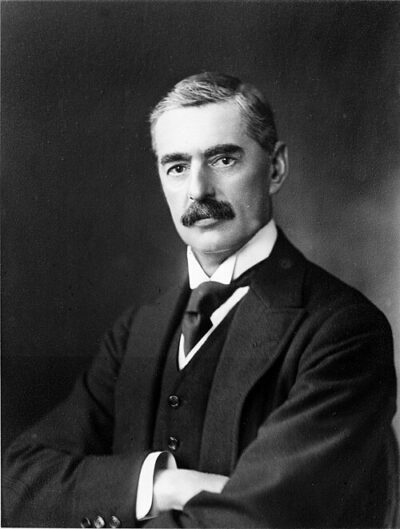 Neville Chamberlain (1937–1940)Prime Minister of the United Kingdom from 1937 to 1940
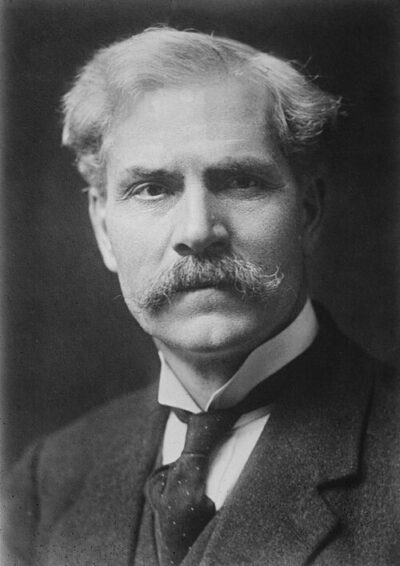 Ramsay MacDonald (1924–1935)British prime minister in 1924 and 1929 to 1935 (1866–1937)
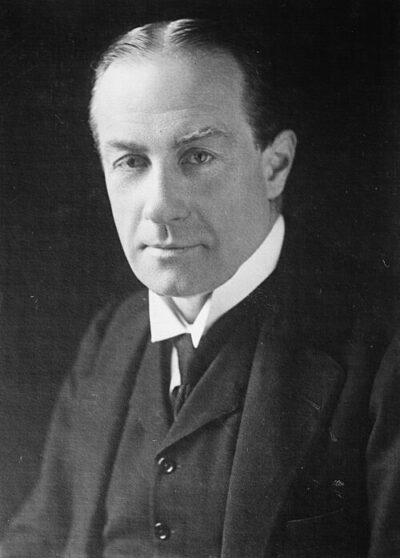 Stanley Baldwin (1923–1937)British statesman (1867–1947)
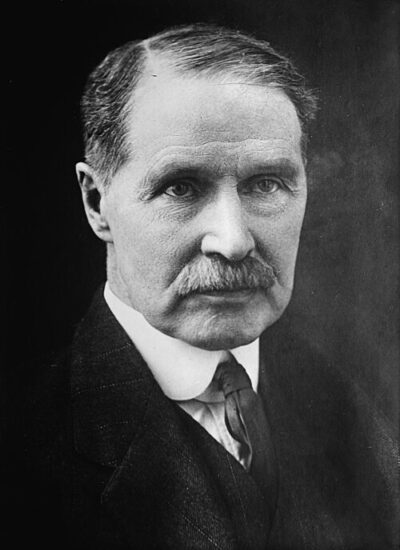 Bonar Law (1922–1923)Prime Minister of the United Kingdom from 1922 to 1923
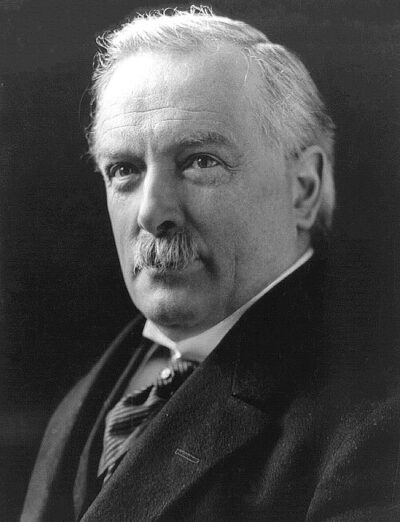 David Lloyd George (1916–1922)Prime Minister of the United Kingdom from 1916 to 1922
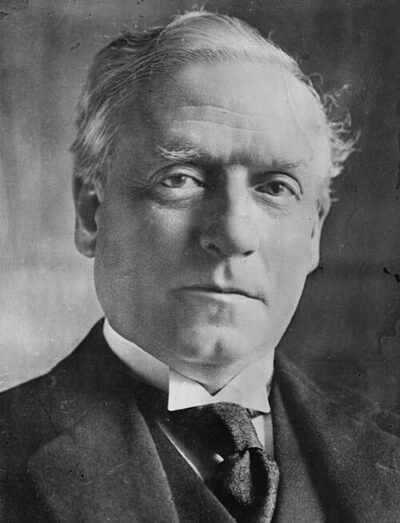 H. H. Asquith (1908–1916)British politician; Prime Minister of the United Kingdom from 1908 to 1916 (1852–1928)
and 34 more
