
Whigs
Whigs is a historic liberal political party in the United Kingdom (1678-1859). It was founded by Anthony Ashley Cooper, 1st Earl of Shaftesbury. It stands for Whiggism.
- Country
- United Kingdom
- Founded
- 1678
- Ideology
- Whiggism
- Chair
- Robert Walpole
All 11 facts, and where they come from
Facts
11 facts · 0 confirmed by two sources · 0 cited · 11 from one source
Where this comes from
Papalocal keeps its own record. It started from these sources; what each one said is kept here as it was copied, so a change on their side never changes this page by itself. Tap one to read its version.
What Wikidata says · copied November 16, 2026 · revision 2568006868
- Described as
- historic liberal political party in the United Kingdom (1678-1859)
- Other names
- Whig, British Whigs Party, Whig Party, Country Party, Whiggamore
- What it is
- political party; former liberal party
- Comes after
- Country Party
- Followed by
- Liberal Party
- Founded
- 1678
- Ended
- 1859
- Founded by
- Anthony Ashley Cooper, 1st Earl of Shaftesbury
- Country
- United Kingdom
- Chair
- Robert Walpole; William Pitt, 1st Earl of Chatham
- Ideology
- Whiggism
- Wikipedias with a page
- 55
Wikidata item Q108700 (wikidata.org/wiki/Q108700), public domain (CC0). Copied 2026-11-16.
What Wikipedia says · copied November 16, 2026 · revision 1379640635
The Whigs were a political party in the Parliaments of England, Scotland, Ireland, Great Britain and the United Kingdom. Between the 1680s and the 1850s, the Whigs contested power with their rivals, the Tories. The Whigs became the Liberal Party when the faction merged with the Peelites and Radicals in the 1850s. Many Whigs left the Liberal Party in 1886 over the issue of Irish Home Rule to form the Liberal Unionist Party, which merged into the Conservative Party in 1912.
The Whigs began as a political faction that opposed absolute monarchy and Catholic emancipation, supporting constitutional monarchism and parliamentary government, but also Protestant supremacy. Unlike the Tories, they supported tolerance for non-Anglican protestants.
They played a central role in the Glorious Revolution of 1688 and were the standing enemies of the Roman Catholic Stuart kings and pretenders. The period known as the Whig Supremacy (1714–1760) was enabled by the Hanoverian succession of George I in 1714 and the failure of the Jacobite rising of 1715 by Tory rebels. The Whigs took full control of the government in 1715 and thoroughly purged the Tories from all major positions in government, the army, the Church of England, the legal profession, and local political offices. The first great leader of the Whigs was Robert Walpole, who maintained control of the government from 1721 to 1742, and whose protégé, Henry Pelham, led the government from 1743 to 1754. Great Britain approximated a one-party state under the Whigs until King George III came to the throne in 1760 and allowed Tories back in; however, the Whig Party's hold on power remained strong for many years thereafter. Historians have called the period from roughly 1714 to 1783 the "long period of Whig oligarchy". During the American War of Independence, the Whigs were the party more sympathetic to American independence and the creation of a democracy in the United States.
By 1784, both the Whigs and Tories had become formal political parties, with Charles James Fox becoming the leader of a reorganized Whig Party arrayed against William Pitt the Younger's new Tories. The foundation of both parties depended more on the support of wealthy politicians than on popular votes. Although there were elections to the House of Commons, only a few men controlled most of the voters.
Both parties slowly evolved during the 18th century. In the beginning, the Whig Party generally tended to support the aristocratic families, the continued disenfranchisement of Catholics and toleration of nonconformist Protestants (dissenters such as the Presbyterians), while the Tories generally favoured the minor gentry and people who were (relatively speaking) smallholders; they also supported the legitimacy of a strongly established Church of England. (The so-called High Tories preferred high church Anglicanism, or Anglo-Catholicism. Some, particularly adherents of the non-juring schism, openly or covertly supported the exiled House of Stuart's claim to the throne—a position known as Jacobitism.) Later, the Whigs came to draw support from the emerging industrial reformists and the mercantile class while the Tories came to draw support from farmers, landowners, royalists and (relatedly) those who favoured imperial military spending.
By the first half of the 19th century, the Whig manifesto (owing especially to the influence of Charles James Fox) had come to encompass the supremacy of parliament, the abolition of slavery, the expansion of the franchise (suffrage) and an acceleration of the move toward complete equal rights for Catholics (a reversal of the party's late-17th-century position, which had been militantly anti-Catholic).
From the Wikipedia article “Whigs (British political party)” (en.wikipedia.org/wiki/Whigs_(British_political_party)), by its contributors, under CC BY-SA 4.0 (creativecommons.org/licenses/by-sa/4.0/). Copied 2026-11-16; not changed.
Confirmed Two sources agree. Cited One source, and it names where it got it. One source One source, without a reference of its own. Sources disagree The sources disagree. We show the best-supported value and keep theirs below.
People connected 25
Party members 25
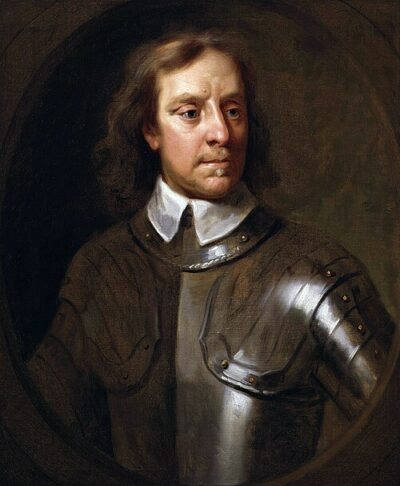 Oliver CromwellEnglish military and political leader (1599–1658)
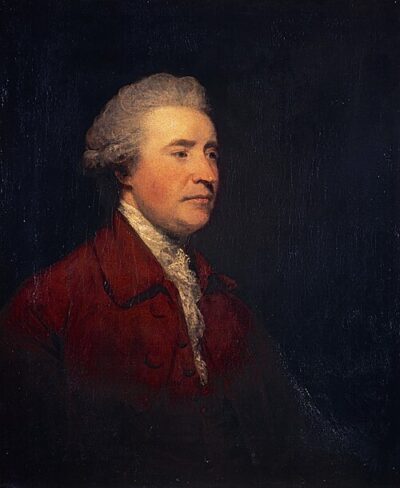 Edmund BurkeAnglo-Irish statesman, political theorist and conservative philosopher (1729–1797)
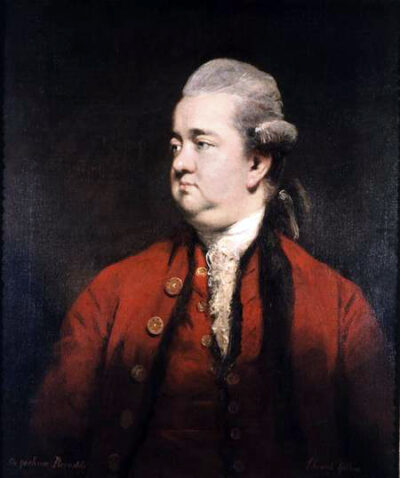 Edward GibbonEnglish historian and politician (1737–1794)
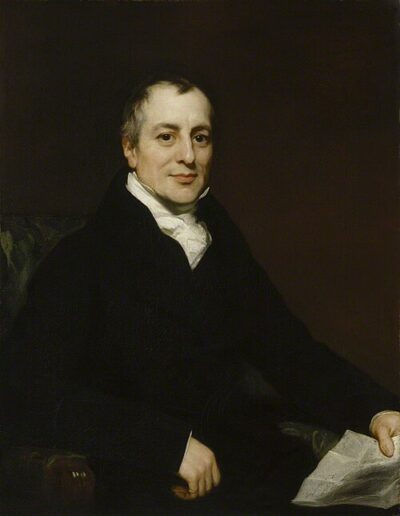 David RicardoBritish banker, classical economist and politician (1772-1823)
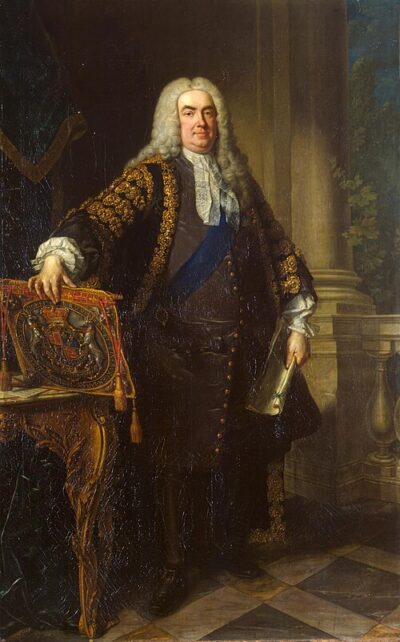 Robert WalpoleBritish statesman and art collector, 1st Earl of Orford (1676–1745)
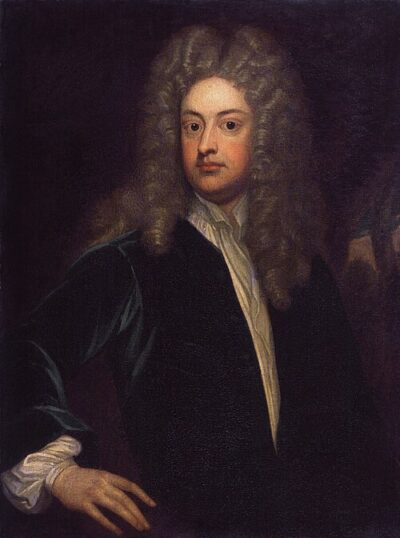 Joseph AddisonEnglish essayist, poet, playwright and politician (1672–1719)
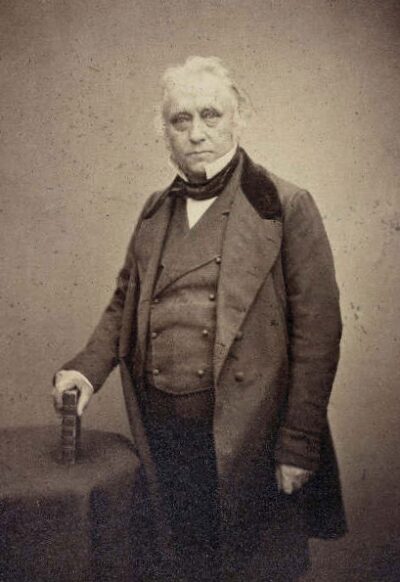 Thomas Babington Macaulay, 1st Baron MacaulayBritish historian and politician (1800–1859)
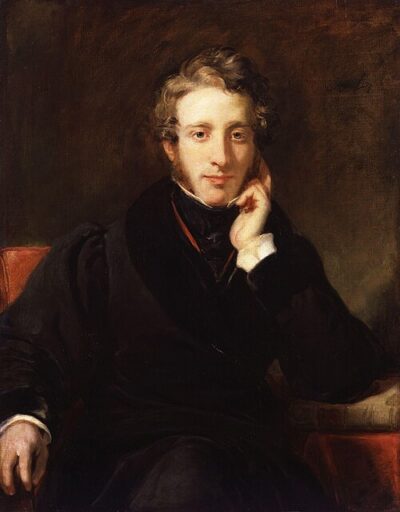 Edward Bulwer-LyttonBritish statesman and author (1803–1873)
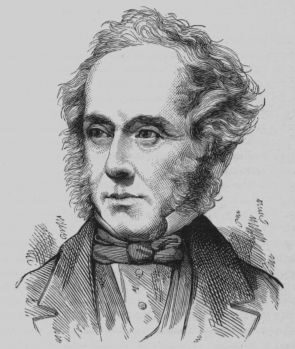 Henry Temple, 3rd Viscount Palmerston (1830–1859)British statesman and prime minister (1784–1865)
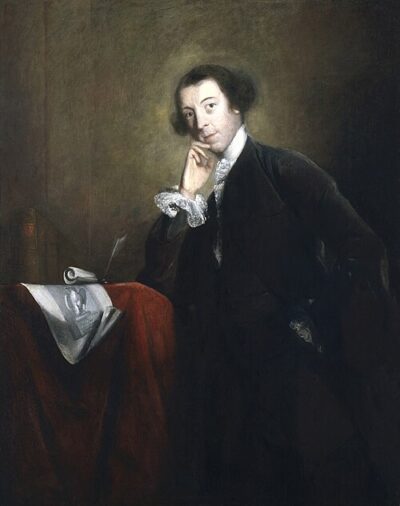 Horace WalpoleEnglish writer and politician (1717–1797)
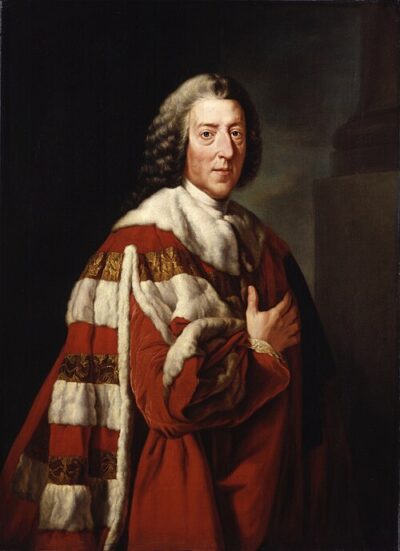 William Pitt, 1st Earl of ChathamPrime Minister of Great Britain from 1766 to 1768 (1708–1778)
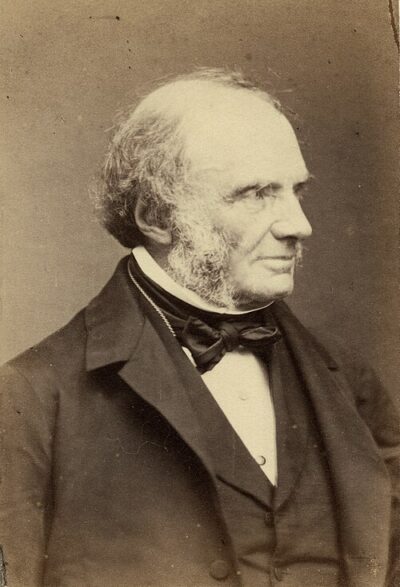 John Russell, 1st Earl Russell (–1868)Prime Minister of the United Kingdom, 1846–1852 and 1865–1866 (1792–1878)
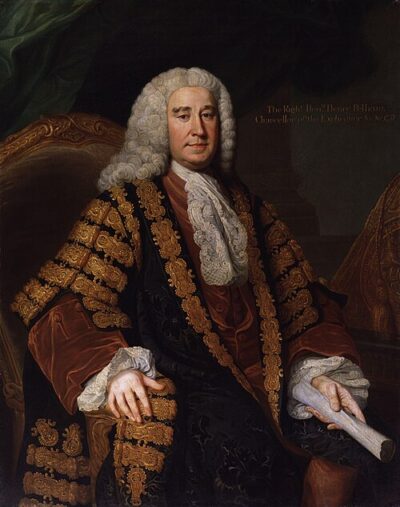 Henry PelhamPrime Minister of Great Britain; (1695-1754)
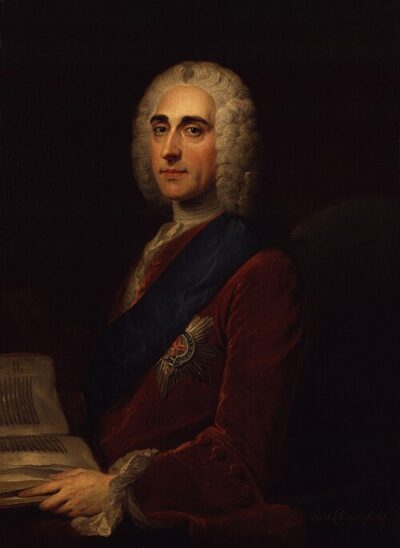 Philip Stanhope, 4th Earl of Chesterfield18th-century British statesman and man of letters; (1694-1773)
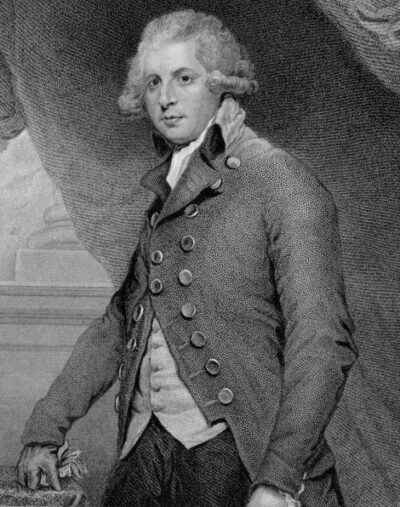 Richard Brinsley SheridanIrish-British politician, playwright and writer (1751-1816)
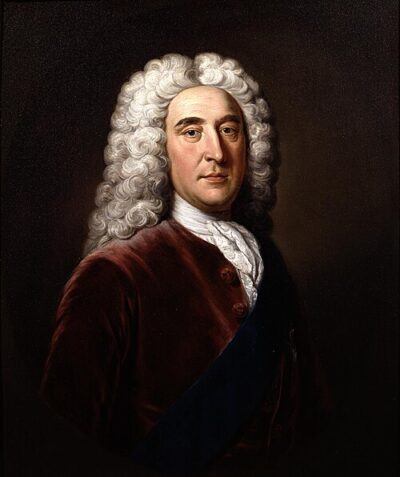 Thomas Pelham-Holles, 1st Duke of Newcastle-upon-TynePrime Minister of Great Britain (1693-1768)
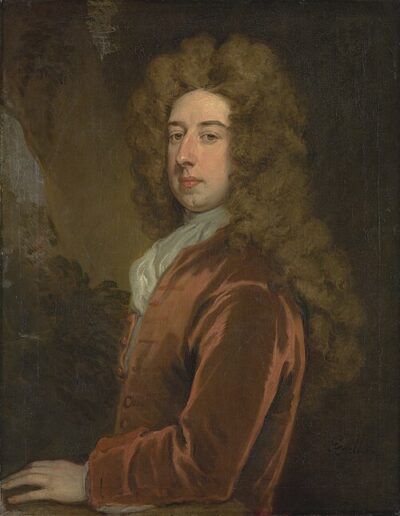 Spencer Compton, 1st Earl of WilmingtonPrime Minister of Great Britain
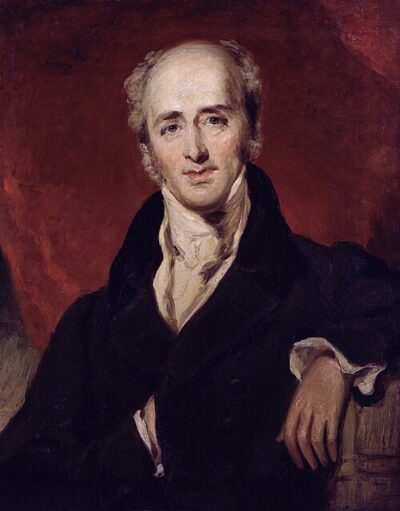 Charles Grey, 2nd Earl GreyPrime Minister of the United Kingdom from 1830 to 1834 (1764–1845)
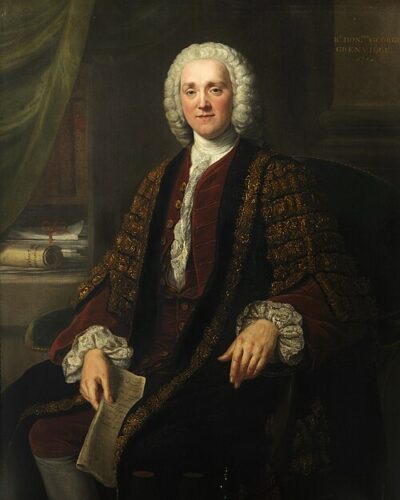 George GrenvillePrime Minister of Great Britain (1712-1770)
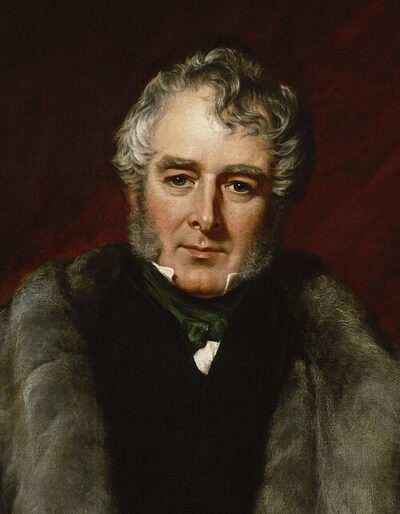 William Lamb, 2nd Viscount MelbourneBritish politician (1779–1848)
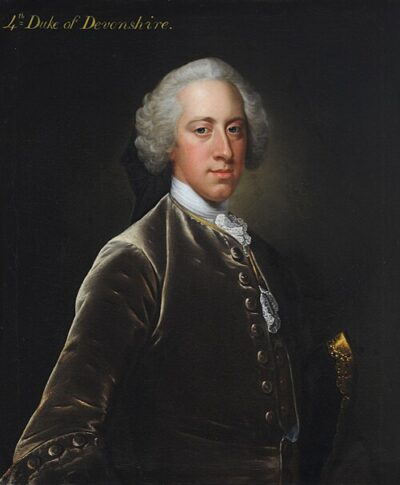 William Cavendish, 4th Duke of Devonshireformer Prime Minister of the United Kingdom
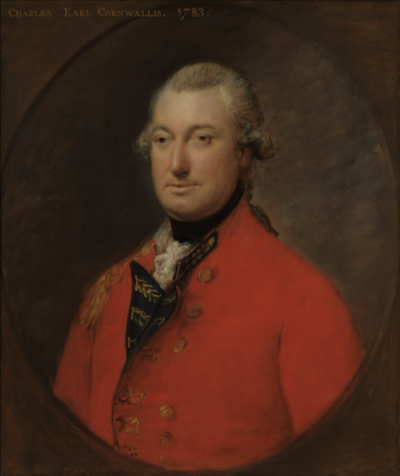 Charles Cornwallis, 1st Marquess CornwallisBritish general, colonial official, diplomat (1738–1805)
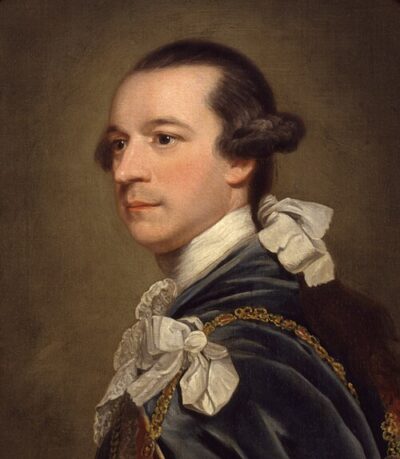 Charles Watson-Wentworth, 2nd Marquess of RockinghamBritish Prime Minister (1730-1782)
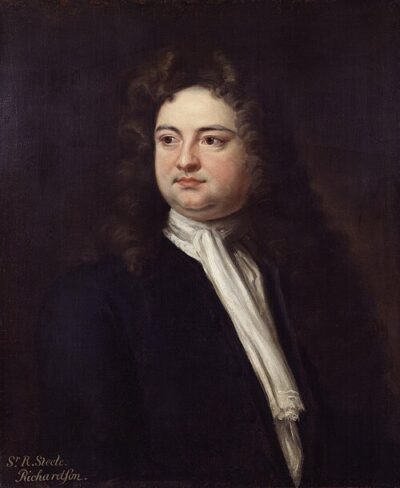 Richard Steele17th/18th-century Anglo-Irish writer, playwright, and politician
and 1 more
