
Liberal Party
The Liberal Party is a major political party in the United Kingdom from 1859 to 1988. It stands for classical liberalism and social liberalism.
- Country
- United Kingdom
- Founded
- 1859
- Ideology
- classical liberalism (1859–1894)
All 9 facts, and where they come from
Facts
9 facts · 0 confirmed by two sources · 0 cited · 9 from one source
Where this comes from
Papalocal keeps its own record. It started from these sources; what each one said is kept here as it was copied, so a change on their side never changes this page by itself. Tap one to read its version.
What Wikidata says · copied November 16, 2026 · revision 2527570021
- Described as
- major political party in the United Kingdom from 1859 to 1988
- Other names
- The Liberal Party, Liberals
- What it is
- political party; former liberal party
- Comes after
- Whigs
- Followed by
- Liberal Democrats
- Founded
- 1859
- Ended
- 1988
- Country
- United Kingdom
- Ideology
- classical liberalism (1859–1894); social liberalism (1894–1988)
- Wikipedias with a page
- 47
Wikidata item Q622441 (wikidata.org/wiki/Q622441), public domain (CC0). Copied 2026-11-16.
What Wikipedia says · copied November 16, 2026 · revision 1384534330
The Liberal Party was one of the two major political parties in the United Kingdom, along with the Conservative Party, in the 19th and early 20th centuries. Beginning as an alliance of Whigs, free trade-supporting Peelites, and reformist Radicals in the 1850s, by the end of the 19th century, it had formed four governments under William Ewart Gladstone. Despite being divided over the issue of Irish Home Rule, the party returned to government in 1905 and won a landslide victory in the 1906 general election. Under prime ministers Henry Campbell-Bannerman (1905–1908) and H. H. Asquith (1908–1916), the Liberal Party passed reforms that created a basic welfare state. Although Asquith was the party leader, its dominant figure was David Lloyd George.
Asquith was overwhelmed by his wartime role as prime minister and Lloyd George led a coalition that replaced him in late 1916. However, Asquith remained as Liberal Party leader. The split between Lloyd George's breakaway faction and Asquith's official Liberal faction badly weakened the party. The coalition government of Lloyd George was increasingly dominated by the Conservative Party, which finally ousted him as prime minister in 1922. The subsequent Liberal collapse was quick and catastrophic. With 397 MPs elected in the 1906 election; they had only 40 in 1924. Their share of the popular vote plunged from 49% to 18%. The Labour Party absorbed most of the ex-Liberal voters and then became the Conservatives' main rival.
By the 1950s, the party had won as few as six seats at general elections. Apart from a few notable by-election victories, its fortunes did not improve significantly until it formed the SDP–Liberal Alliance with the newly formed Social Democratic Party (SDP) in 1981. At the 1983 general election, the Alliance won over a quarter of the vote, but won only 23 of the 633 seats it contested. At the 1987 general election, its share of the vote fell below 23%. Further, the Liberals and the SDP merged in 1988 to form the Social and Liberal Democrats (SLD), who the following year were renamed the Liberal Democrats. A splinter group reconstituted the Liberal Party in 1989.
The Liberals were a coalition with diverse positions on major issues and no unified national policy. This made them repeatedly liable to deep splits, such as that of the Liberal Unionists in 1886 (they eventually joined the Conservative Party); the faction of labour union members that joined the new Labour Party; the split between factions led by Asquith and that led by Lloyd George in 1918–1922; and a three-way split in 1931. Many prominent intellectuals were active in the party, including philosopher John Stuart Mill, economist John Maynard Keynes, and social planner William Beveridge. Winston Churchill during his years as a Liberal (1904–1924) authored Liberalism and the Social Problem (1909).
From the Wikipedia article “Liberal Party (UK)” (en.wikipedia.org/wiki/Liberal_Party_(UK)), by its contributors, under CC BY-SA 4.0 (creativecommons.org/licenses/by-sa/4.0/). Copied 2026-11-16; not changed.
Confirmed Two sources agree. Cited One source, and it names where it got it. One source One source, without a reference of its own. Sources disagree The sources disagree. We show the best-supported value and keep theirs below.
People connected 18
Party members
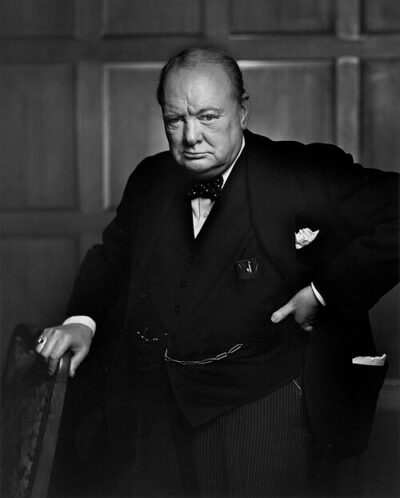 Winston Churchill (1904–1924)British statesman, soldier and writer (1874–1965)
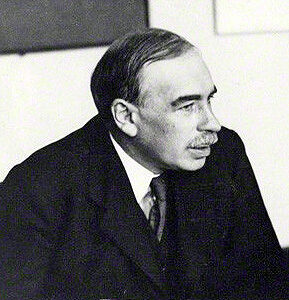 John Maynard KeynesBritish economist (1883–1946)
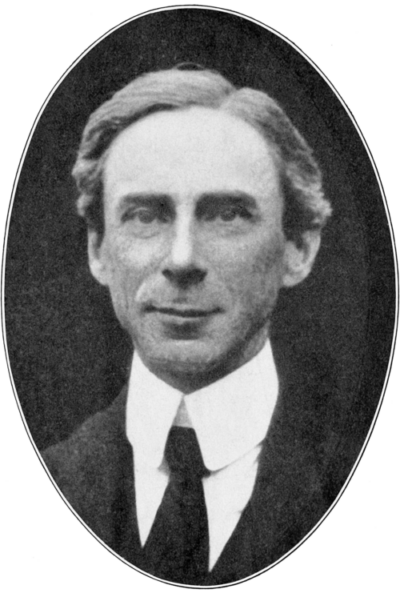 Bertrand Russell (1907–1922)British philosopher and logician (1872–1970)
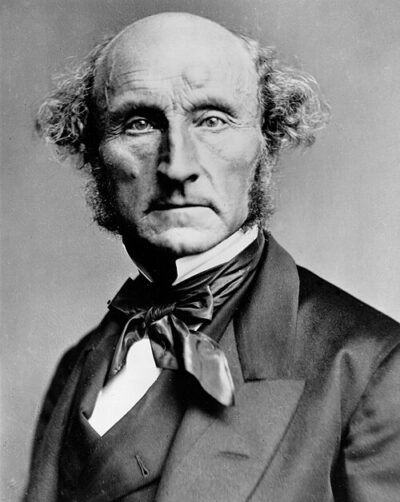 John Stuart MillBritish philosopher and political economist (1806–1873)
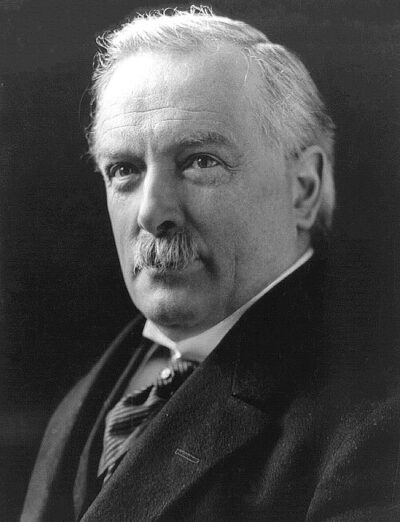 David Lloyd GeorgePrime Minister of the United Kingdom from 1916 to 1922
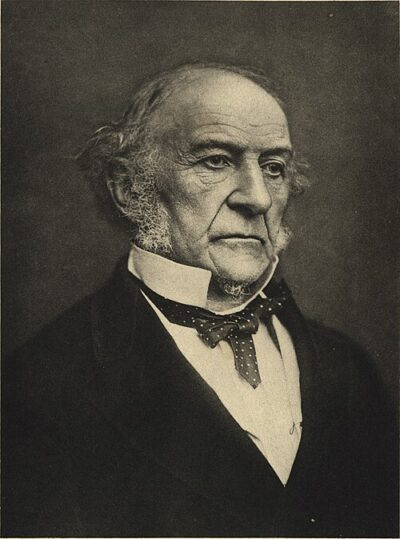 William Ewart Gladstone (1859–)British Liberal prime minister (1809–1898)
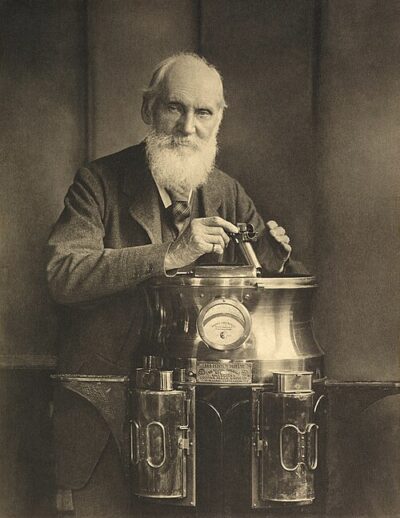 William Thomson, 1st Baron Kelvin (1865–1886)British physicist and engineer (1824–1907)
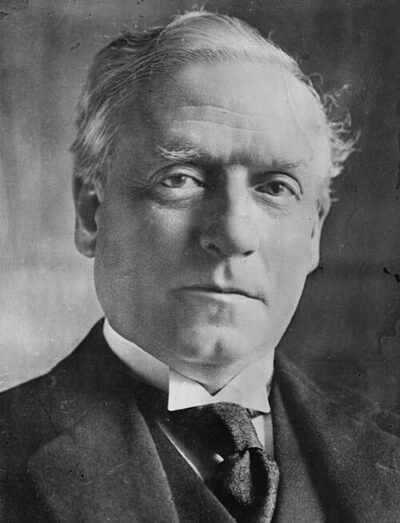 H. H. AsquithBritish politician; Prime Minister of the United Kingdom from 1908 to 1916 (1852–1928)
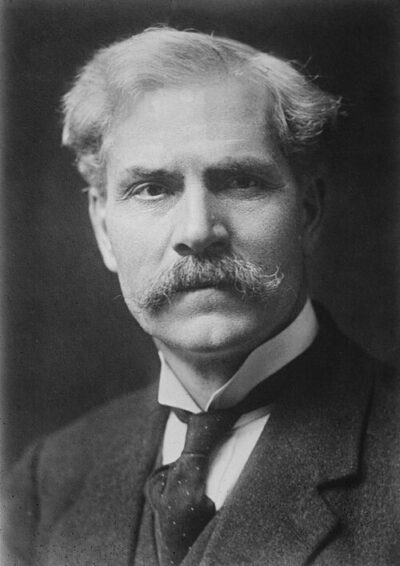 Ramsay MacDonaldBritish prime minister in 1924 and 1929 to 1935 (1866–1937)
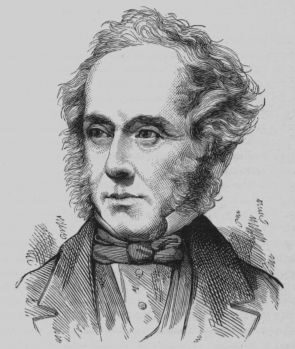 Henry Temple, 3rd Viscount Palmerston (1859–)British statesman and prime minister (1784–1865)
 Randal CremerEnglish politician (1828–1908)
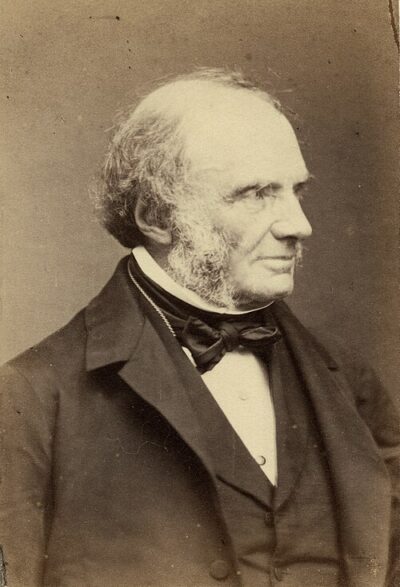 John Russell, 1st Earl Russell (1868–1878)Prime Minister of the United Kingdom, 1846–1852 and 1865–1866 (1792–1878)
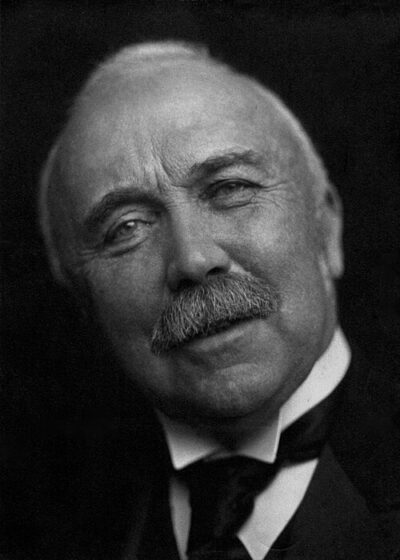 Henry Campbell-BannermanBritish Prime Minister from 1905 to 1908 (1836–1908)
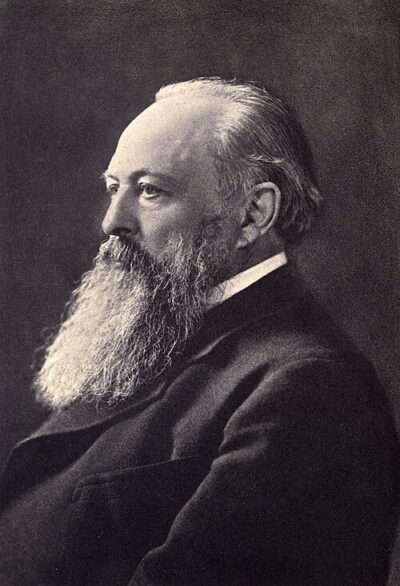 John Dalberg-Acton, 1st Baron ActonBritish politician and historian (1834–1902)
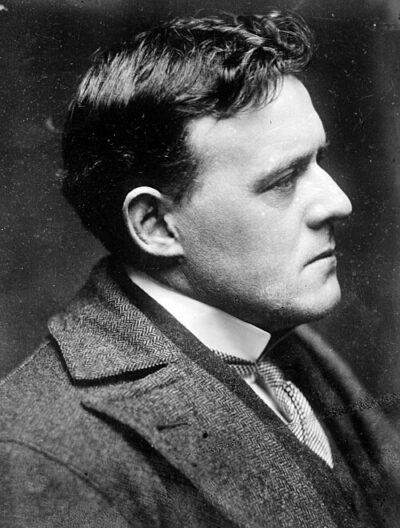 Hilaire BellocFrench-English writer (1870–1953)
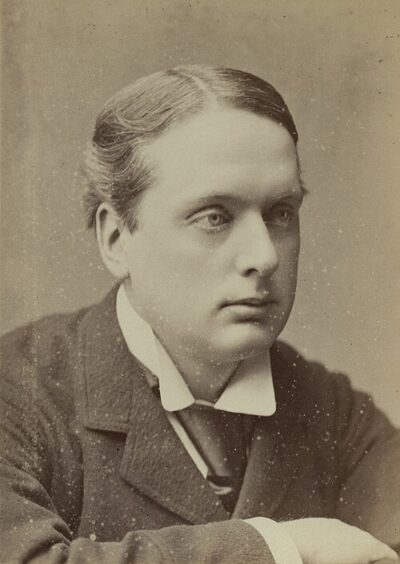 Archibald Primrose, 5th Earl of RoseberyBritish Liberal politician and Prime Minister of the United Kingdom (1847–1929)
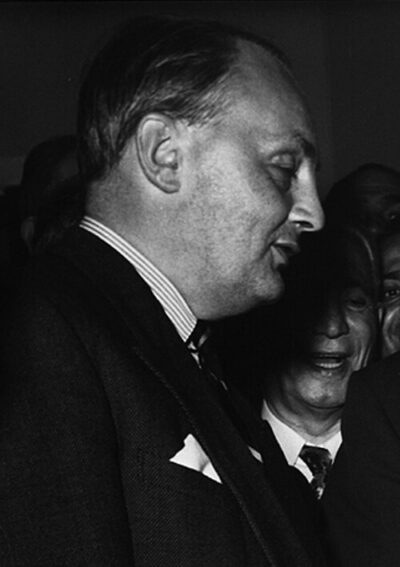 Gladwyn Jebb (1960–1988)acting Secretary-General of the United Nations (1900-1996)
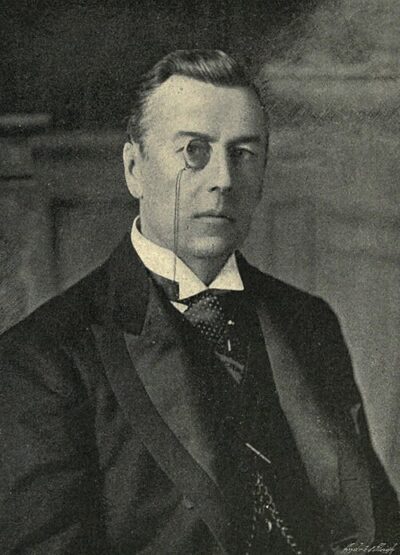 Joseph Chamberlain (1866–1886)British politician (1836-1914)
