

Lord Privy Seal
Lord Privy Seal is a sinecure office of state in the UK. It was created in 1307. It is an office of the United Kingdom.
- Office of
- United Kingdom
- Country
- United Kingdom
- Created
- 1307
All 5 facts, and where they come from
Facts
5 facts · 0 confirmed by two sources · 0 cited · 5 from one source
Where this comes from
Papalocal keeps its own record. It started from these sources; what each one said is kept here as it was copied, so a change on their side never changes this page by itself. Tap one to read its version.
What Wikidata says · copied November 17, 2026 · revision 2569381661
- Described as
- sinecure office of state in the UK
- Other names
- Lord Keeper of the Privy Seal
- What it is
- position; public office
- Created
- 1307
- Country
- United Kingdom
- Office of
- United Kingdom
- Wikipedias with a page
- 23
Wikidata item Q910308 (wikidata.org/wiki/Q910308), public domain (CC0). Copied 2026-11-17.
What Wikipedia says · copied November 17, 2026 · revision 1386191462
The lord privy seal (or, more formally, the lord keeper of the privy seal) is the fifth of the Great Officers of State in the United Kingdom, ranking beneath the lord president of the Council and above the lord great chamberlain. Originally, its holder was responsible for the monarch's personal (privy) seal (as opposed to the Great Seal of the Realm, which is in the care of the lord chancellor) until the use of such a seal became obsolete. Though one of the oldest offices in European governments, it has no particular function today because the use of a privy seal has been obsolete for centuries; it may be regarded as a traditional sinecure, but today, the holder of the office is invariably given a seat in the Cabinet of the United Kingdom, and is sometimes referred to as a minister without portfolio.
Since the premiership of Clement Attlee, the position of lord privy seal has frequently been combined with that of leader of the House of Lords or leader of the House of Commons. The office of lord privy seal, unlike those of leader of the Lords or Commons, is eligible for a ministerial salary under the Ministerial and Other Salaries Act 1975. The office does not confer membership of the House of Lords, leading to Ernest Bevin's remark on holding this office that he was "neither a Lord, nor a Privy, nor a Seal".
During the reign of Edward I, prior to 1307, the privy seal was kept by the controller of the wardrobe. During the time that the Court of Requests existed, the lord privy seal was its president.
From the Wikipedia article “Lord Privy Seal” (en.wikipedia.org/wiki/Lord_Privy_Seal), by its contributors, under CC BY-SA 4.0 (creativecommons.org/licenses/by-sa/4.0/). Copied 2026-11-17; not changed.
Confirmed Two sources agree. Cited One source, and it names where it got it. One source One source, without a reference of its own. Sources disagree The sources disagree. We show the best-supported value and keep theirs below.
Picture: Wikimedia Commons: Royal Coat of Arms of the United Kingdom (HM Government) (St Edwards Crown).svg · See Commons file page
People connected 27
Held this office 27
 Harriet Harman (2007–2010)British politician (born 1950)
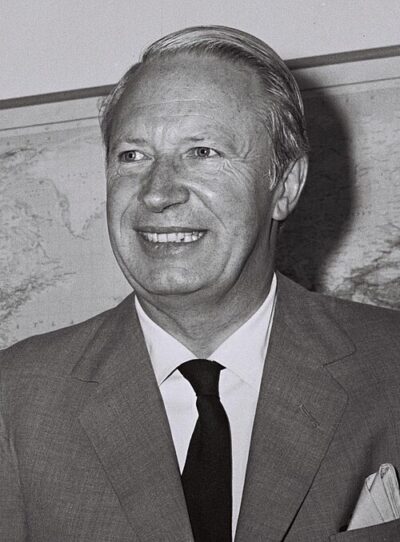 Edward Heath (1960–1963)Prime Minister of the United Kingdom from 1970 to 1974 (1916–2005)
 Ernest Bevin (1951)British labour leader, politician, and statesman (1881-1951)
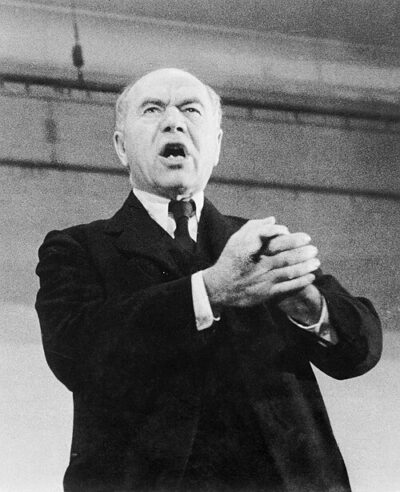 Max Aitken, 1st Baron Beaverbrook (1943–1945)Anglo-Canadian business tycoon, politician, and writer (1879-1964)
 Stafford Cripps (1942)British politician, lawyer and diplomat (1889–1952)
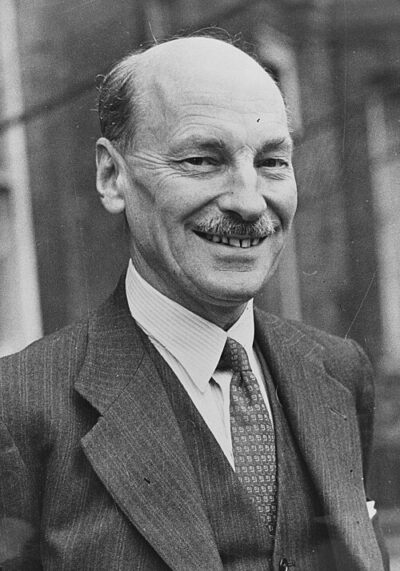 Clement Attlee (1940–1942)Prime Minister of the United Kingdom from 1945 to 1951 (1883–1967)
 Edward Wood, 1st Earl of Halifax (1935–1937)British politician (1881-1959)
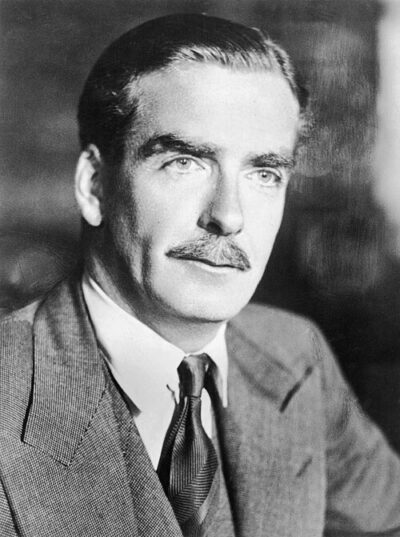 Anthony Eden (1933–1935)British soldier, diplomat and politician (1897–1977)
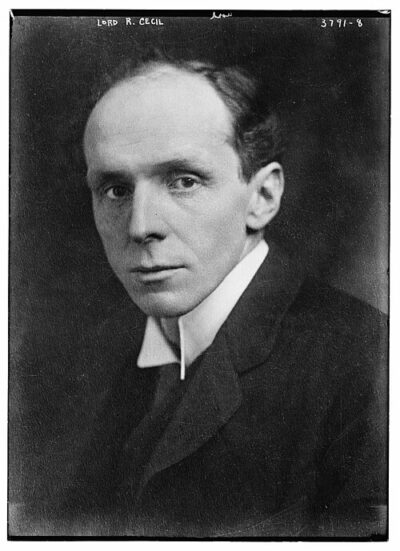 Robert Cecil (1923–1924)lawyer, politician and diplomat in the United Kingdom (1864-1958)
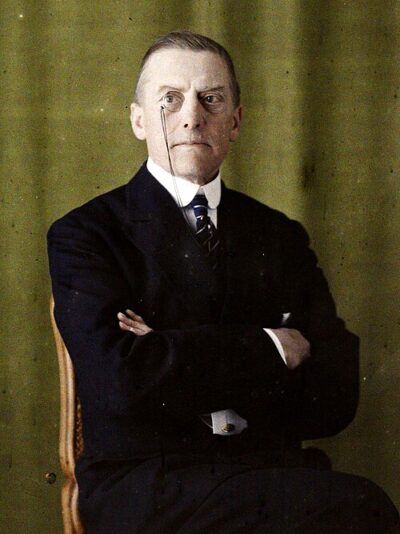 Austen Chamberlain (1921–1922)British politician (1863-1937)
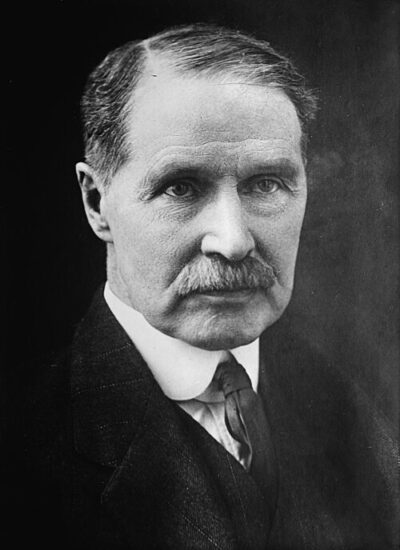 Bonar Law (1919–1921)Prime Minister of the United Kingdom from 1922 to 1923
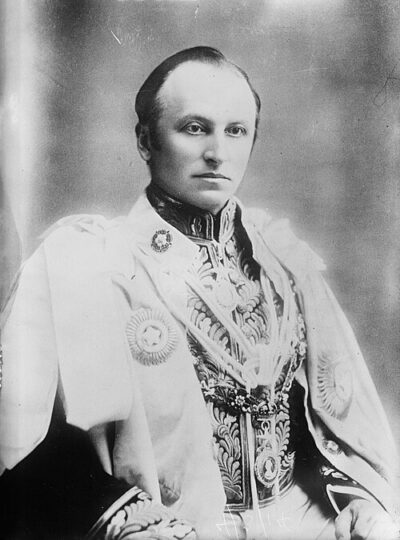 George Curzon, 1st Marquess Curzon of Kedleston (1915–1916)Viceroy of India and British Foreign Secretary (1859–1925)
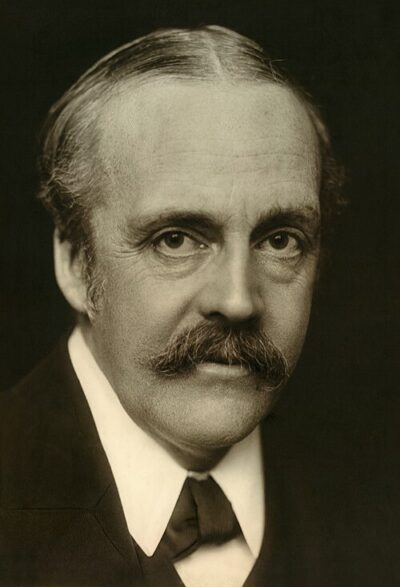 Arthur Balfour (1902–1903)British Prime Minister, Conservative politician, and statesman (1848-1930)
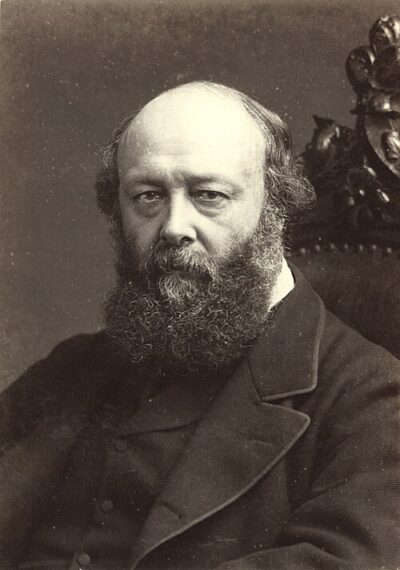 Robert Gascoyne-Cecil, 3rd Marquess of Salisbury (1900–1902)British politician and prime minister (1830-1903)
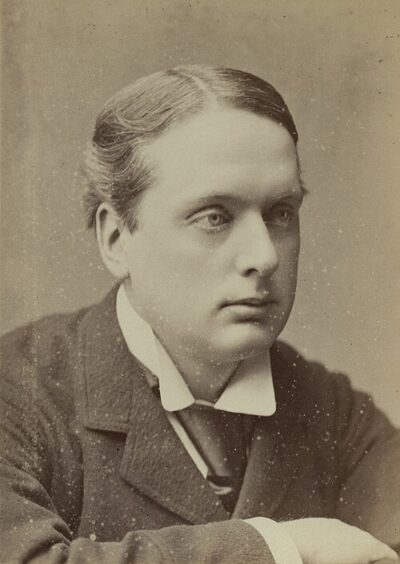 Archibald Primrose, 5th Earl of Rosebery (1885)British Liberal politician and Prime Minister of the United Kingdom (1847–1929)
 F. J. Robinson, 1st Viscount Goderich (1833–1834)British Prime Minister, politician (1782-1859)
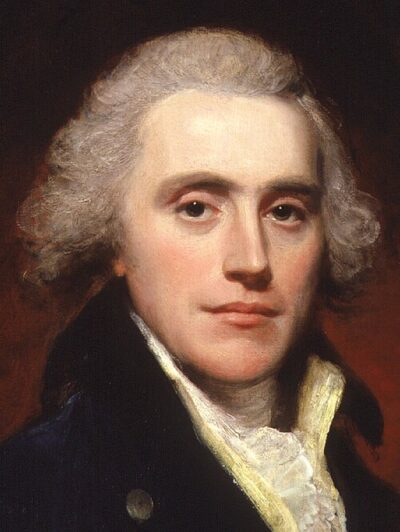 Henry Addington, 1st Viscount Sidmouth (1806)Prime Minister of the United Kingdom, 1801 to 1804
 Augustus FitzRoy, 3rd Duke of Grafton (1771–1783)British noble (1735-1811)
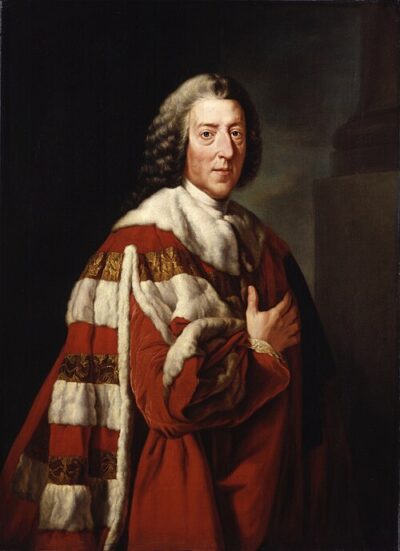 William Pitt, 1st Earl of Chatham (1766–1768)Prime Minister of Great Britain from 1766 to 1768 (1708–1778)
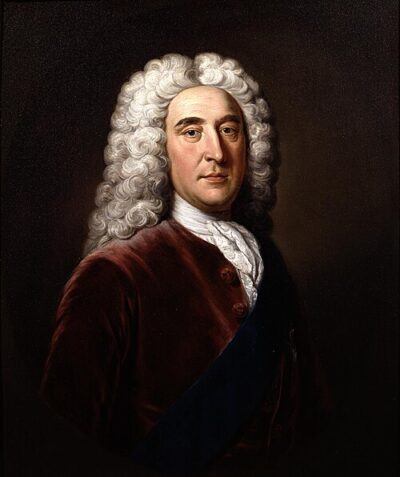 Thomas Pelham-Holles, 1st Duke of Newcastle-upon-Tyne (1765–1766)Prime Minister of Great Britain (1693-1768)
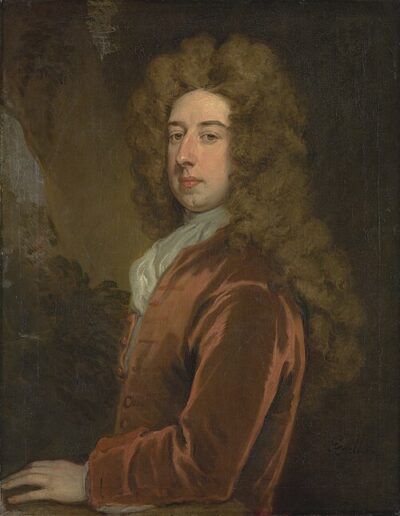 Spencer Compton, 1st Earl of Wilmington (1730–1731)Prime Minister of Great Britain
 Robert Cecil, 1st Earl of Salisbury (1598–1608)English politician (1563-1612)
 William Cecil, 1st Baron Burghley (1590–1598)English statesman and chief adviser to Queen Elizabeth I (1520-1598)
 Francis Walsingham (1576–1590)English spy, diplomat and politician (1532-1590)
and 3 more
