
Bôcher Memorial Prize
Bôcher Memorial Prize is an American award for mathematical analysis. It was created in 1923. It is given by the American Mathematical Society.
- Given by
- American Mathematical Society
- Country
- United States
- Created
- 1923
All 5 facts, and where they come from
Facts
5 facts · 0 confirmed by two sources · 0 cited · 5 from one source
Where this comes from
Papalocal keeps its own record. It started from these sources; what each one said is kept here as it was copied, so a change on their side never changes this page by itself. Tap one to read its version.
What Wikidata says · copied November 16, 2026 · revision 2517682696
- Described as
- American award for mathematical analysis
- Other names
- Bocher Memorial Prize
- What it is
- science award
- Created
- 1923 · 1 reference
- Country
- United States
- Given by
- American Mathematical Society
- Named after
- Maxime Bôcher
- Wikipedias with a page
- 16
Wikidata item Q301837 (wikidata.org/wiki/Q301837), public domain (CC0). Copied 2026-11-16.
What Wikipedia says · copied November 16, 2026 · revision 1369924567
The Bôcher Memorial Prize was founded by the American Mathematical Society in 1923 in memory of Maxime Bôcher with an initial endowment of $1,450 (contributed by members of that society). It is awarded every three years (formerly every five years) for a notable research work in analysis that has appeared during the past six years. The work must be published in a recognized, peer-reviewed venue. The current award is $5,000.
There have been forty-one prize recipients. The first woman to win the award, Laure Saint-Raymond, did so in 2020. About eighty percent of the journal articles recognized since 2000 have been from Annals of Mathematics, the Journal of the American Mathematical Society, Inventiones Mathematicae, and Acta Mathematica.
From the Wikipedia article “Bôcher Memorial Prize” (en.wikipedia.org/wiki/Bôcher_Memorial_Prize), by its contributors, under CC BY-SA 4.0 (creativecommons.org/licenses/by-sa/4.0/). Copied 2026-11-16; not changed.
Confirmed Two sources agree. Cited One source, and it names where it got it. One source One source, without a reference of its own. Sources disagree The sources disagree. We show the best-supported value and keep theirs below.
People connected 15
Won it
 Charles Fefferman (2008)American mathematician
 Terence Tao (2002)Australian-American mathematician
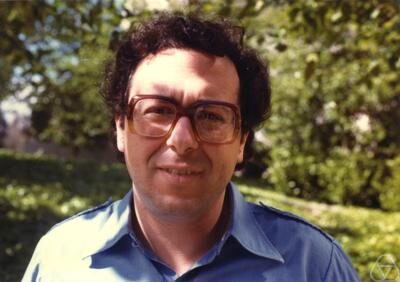 Demetrios Christodoulou (1999)Greek-American mathematician
 Luis Caffarelli (1984)Argentine mathematician
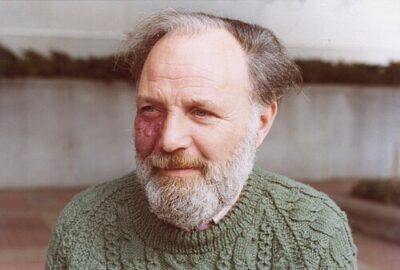 Isadore Singer (1969)American mathematician (1924–2021)
- PPaul Cohen (1964)American mathematician
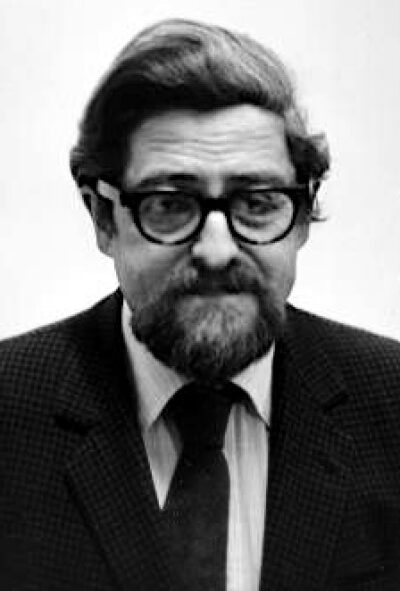 Louis Nirenberg (1959)American mathematician of Canadian origin (1925-2020)
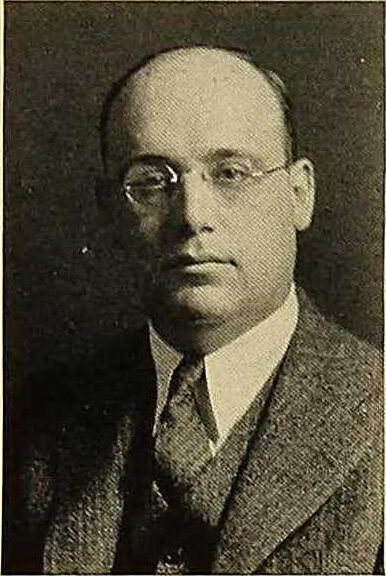 Jesse Douglas (1943)American mathematician (1897–1965)
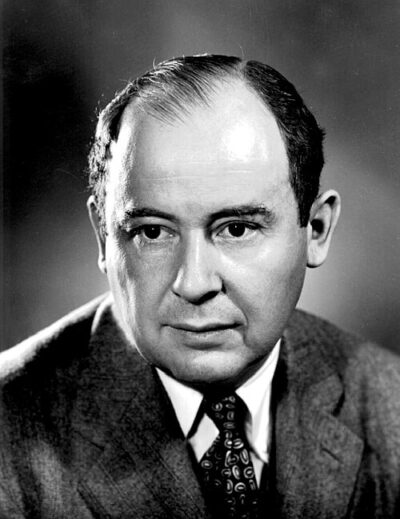 John von Neumann (1938)Hungarian and American mathematician and physicist (1903–1957)
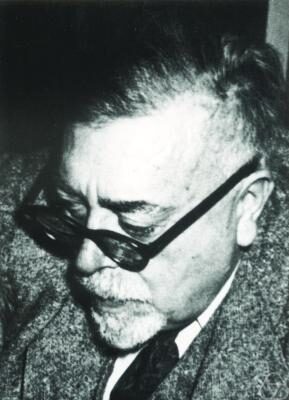 Norbert Wiener (1933)American mathematician, scientist in cybernetics and artificial intelligence (1894–1964)
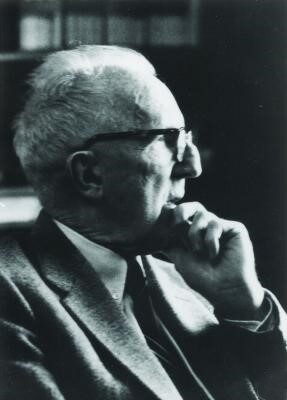 Marston Morse (1933)American mathematician (1892–1977)
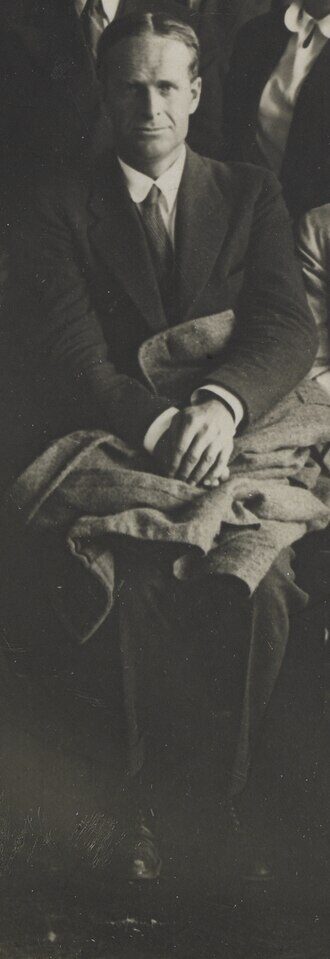 James Waddell Alexander II (1928)American mathematician (1888–1971)
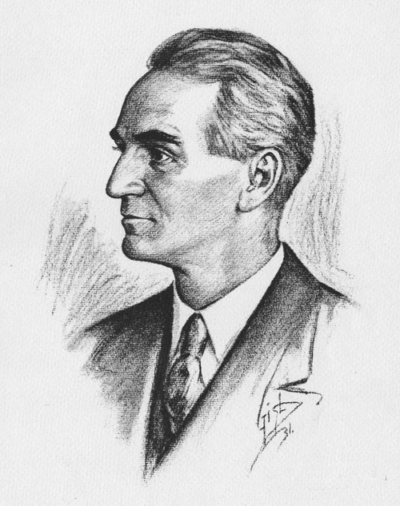 Eric Temple Bell (1924)Scottish American mathematician and science fiction author (1883-1960)
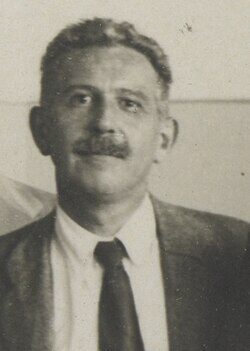 Solomon Lefschetz (1924)Jewish American mathematician (1884-1972)
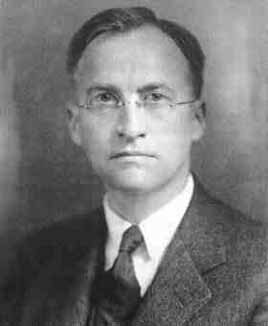 George David Birkhoff (1923)American mathematician (1884-1944)
