
Bruce Medal
Bruce Medal is an award for research in astronomy. It was created in 1898. It is given by the Astronomical Society of the Pacific. It won the medal.
- Given by
- Astronomical Society of the Pacific
- Country
- United States
- Created
- 1898
All 7 facts, and where they come from
Facts
7 facts · 0 confirmed by two sources · 0 cited · 7 from one source
Where this comes from
Papalocal keeps its own record. It started from these sources; what each one said is kept here as it was copied, so a change on their side never changes this page by itself. Tap one to read its version.
What Wikidata says · copied November 16, 2026 · revision 2517415320
- Described as
- award for research in astronomy
- Other names
- Catherine Wolfe Bruce Gold Medal
- What it is
- award
- Created
- 1898
- Country
- United States
- Given by
- Astronomical Society of the Pacific
- Awards
- medal
- Named after
- Catherine Wolfe Bruce
- Official website
- https://astrosociety.org/who-we-are/awards/catherine-wolfe-bruce-gold-medal.html
- Wikipedias with a page
- 38
Wikidata item Q330957 (wikidata.org/wiki/Q330957), public domain (CC0). Copied 2026-11-16.
What Wikipedia says · copied November 16, 2026 · revision 1376215278
The Catherine Wolfe Bruce Gold Medal, commonly known as the Bruce Medal, is an annual award presented by the Astronomical Society of the Pacific in recognition of lifetime contributions to astronomy. The award was established in 1898 through a donation from American philanthropist and astronomy patron Catherine Wolfe Bruce.
The Bruce Medal is widely regarded as a major lifetime-achievement award in astronomy.Astronomy magazine has described it as "one of the most prestigious awards in the field." The NASA Webb Telescope Team noted that "The Catherine Wolfe Bruce Gold Medal is the organization’s highest award given annually to a professional astronomer in recognition of a lifetime of outstanding achievement and contributions to astrophysics research."
From the Wikipedia article “Bruce Medal” (en.wikipedia.org/wiki/Bruce_Medal), by its contributors, under CC BY-SA 4.0 (creativecommons.org/licenses/by-sa/4.0/). Copied 2026-11-16; not changed.
Confirmed Two sources agree. Cited One source, and it names where it got it. One source One source, without a reference of its own. Sources disagree The sources disagree. We show the best-supported value and keep theirs below.
People connected 57
Won it 57
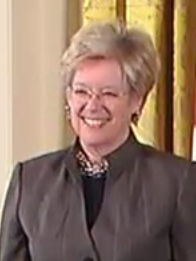 Sandra Faber (2012)American astrophysicist
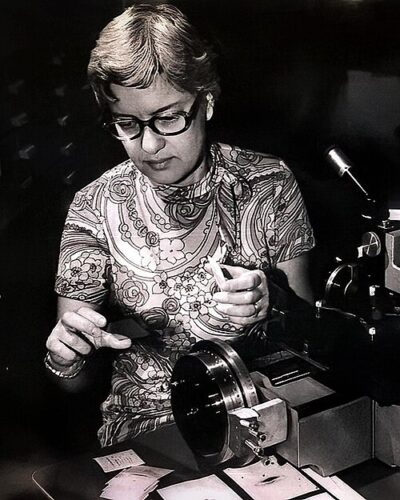 Vera Rubin (2003)American astronomer and physicist (1928-2016)
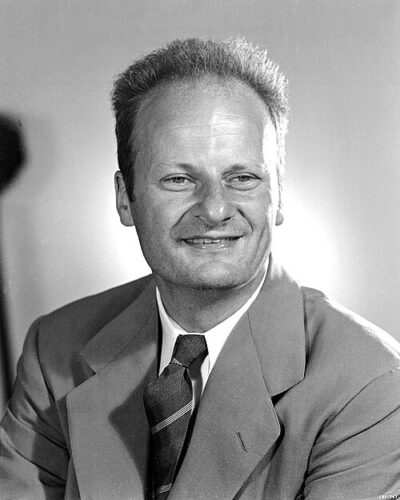 Hans Bethe (2001)German-American nuclear physicist
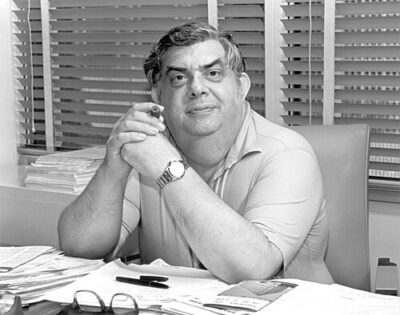 Geoffrey Burbidge (1999)British astronomer (1925–2010)
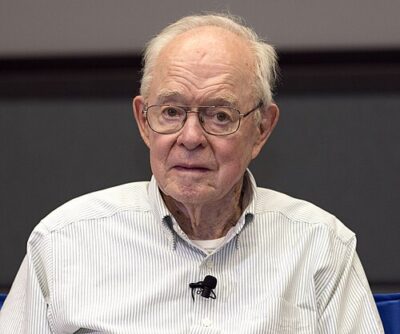 Eugene Parker (1997)American astronomer (1927–2022)
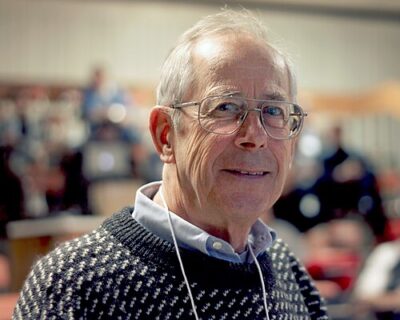 Jim Peebles (1995)Canadian-American astronomer & Nobel Laureate in Physics
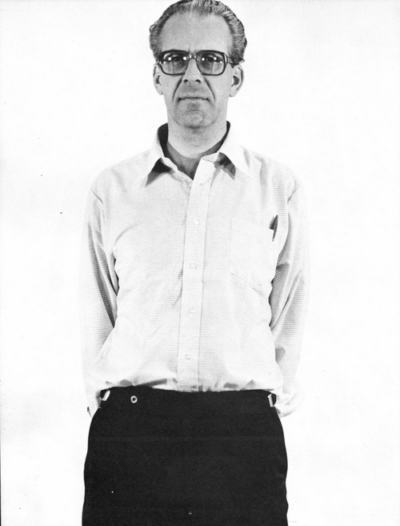 Maarten Schmidt (1992)Dutch astronomer (1929–2022)
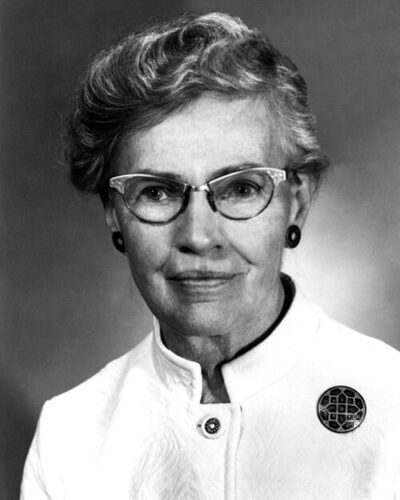 Charlotte Moore Sitterly (1990)American astronomer (1898-1990)
- EEdwin E. Salpeter (1987)Austrian–Australian–American astrophysicist (1924–2008)
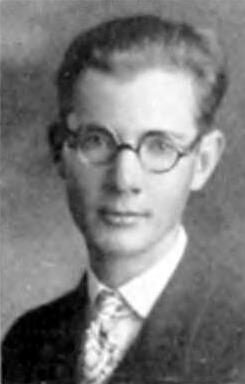 Fred Lawrence Whipple (1986)American astronomer
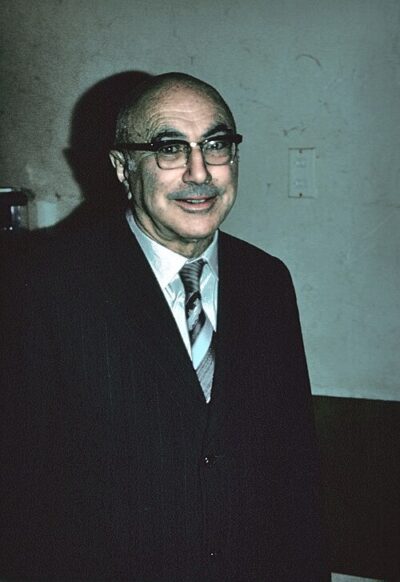 Yakov Zeldovich (1983)Soviet physicist, physical chemist and cosmologist (1914-1987)
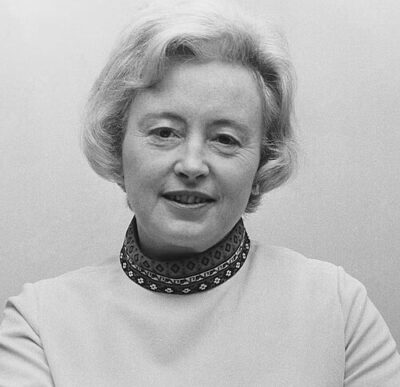 Margaret Burbidge (1982)British-born American astronomer (1919–2020)
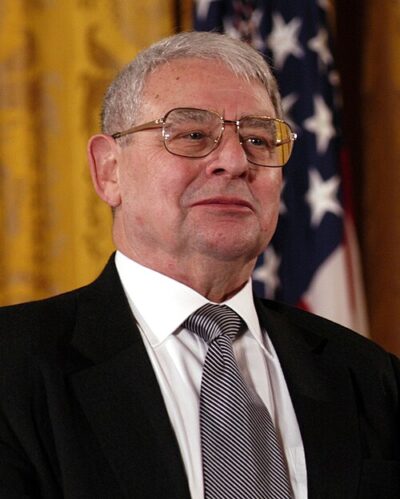 Riccardo Giacconi (1981)Italian-American astrophysicist (1931-2018)
- GGeorge Herbig (1980)American astronomer (1920–2013)
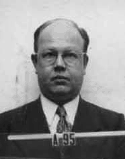 William Alfred Fowler (1979)American nuclear physicist (1911-1995)
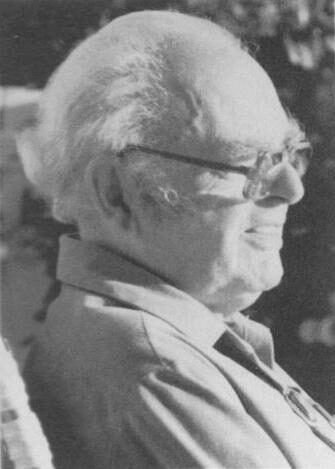 Bart Bok (1977)Dutch-American astronomer (1906–1983)
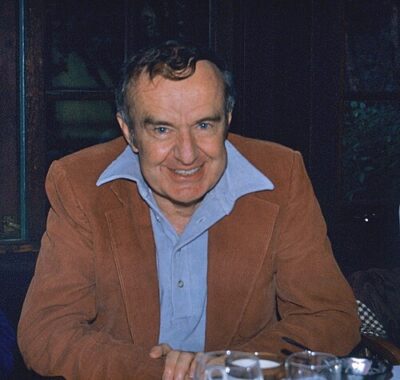 Allan Sandage (1975)American astronomer (1926-2010)
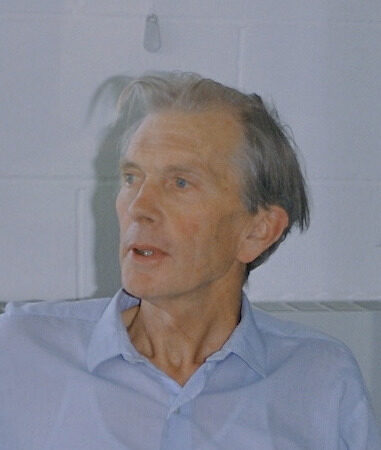 Martin Ryle (1974)English radio astronomer (1918–1984)
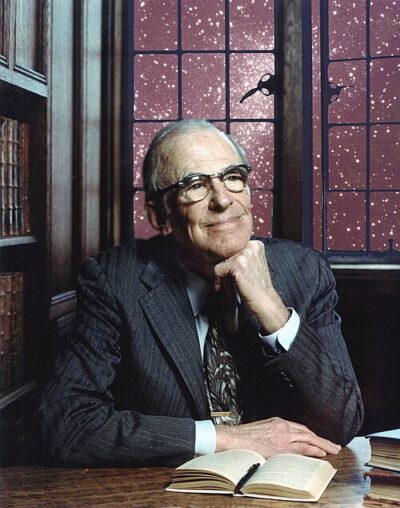 Lyman Spitzer (1973)American astronomer (1914–1997)
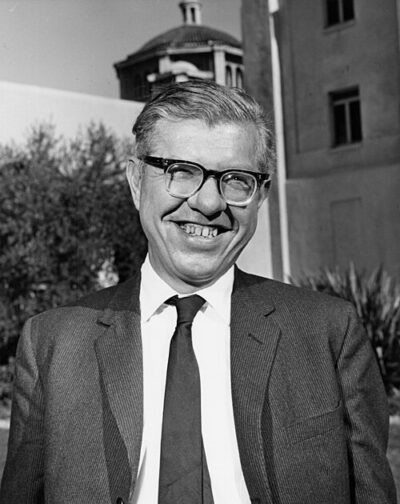 Fred Hoyle (1970)British astronomer (1915–2001)
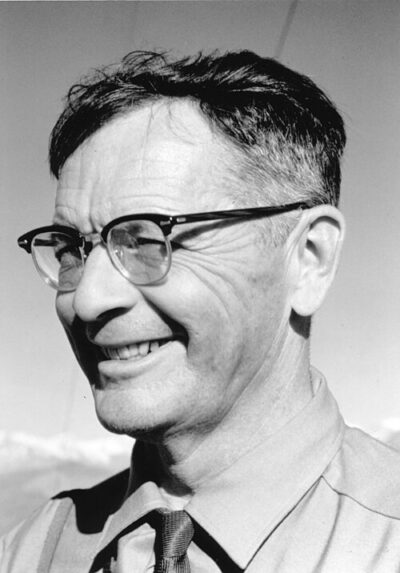 Horace W. Babcock (1969)American astronomer (1912–2003)
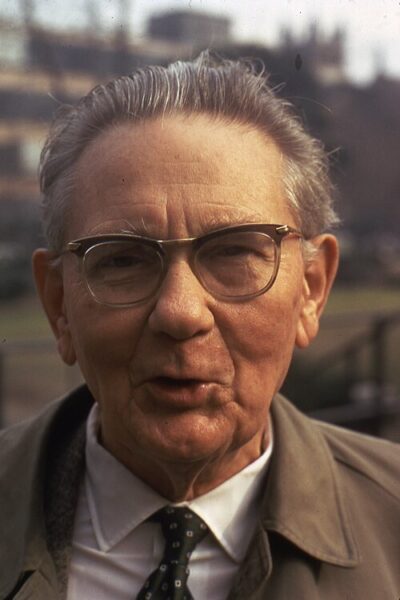 Willem Jacob Luyten (1968)Dutch-American astronomer (1899–1994)
- DDirk Brouwer (1966)Dutch-American astronomer
- MMartin Schwarzschild (1965)German astronomer (1912-1997)
and 33 more
