
Career Achievement Award for Distinguished Psychological Contributions to Education
Career Achievement Award for Distinguished Psychological Contributions to Education is an educational psychology award. It is given by the American Psychological Association.
- Country
- United States
All 5 facts, and where they come from
Facts
5 facts · 0 confirmed by two sources · 0 cited · 5 from one source
Where this comes from
Papalocal keeps its own record. It started from these sources; what each one said is kept here as it was copied, so a change on their side never changes this page by itself. Tap one to read its version.
What Wikidata says · copied November 16, 2026 · revision 2570167771
- Described as
- educational psychology award
- Other names
- E. L. Thorndike Award, APA Division 15 Career Achievement Award
- What it is
- award; psychology award
- Country
- United States
- Given by
- American Psychological Association
- Named after
- Edward Thorndike
- Wikipedias with a page
- 5
Wikidata item Q5322016 (wikidata.org/wiki/Q5322016), public domain (CC0). Copied 2026-11-16.
What Wikipedia says · copied November 16, 2026 · revision 1316301723
The APA Division 15 Career Achievement Award (previously the E. L. Thorndike Career Achievement Award) is an award of the American Psychological Association given to living recipients for substantial career achievements in educational psychology. The award's winners are recognized for research in the best tradition of educational psychology, meaning that the award is conferred for original, scientific, empirically based research that contributes significantly to knowledge, theory, or practice in educational psychology. It was named for the noted psychologist Edward Thorndike but later renamed following revelations which tied Thorndike to eugenics.
From the Wikipedia article “E. L. Thorndike Award” (en.wikipedia.org/wiki/E._L._Thorndike_Award), by its contributors, under CC BY-SA 4.0 (creativecommons.org/licenses/by-sa/4.0/). Copied 2026-11-16; not changed.
Confirmed Two sources agree. Cited One source, and it names where it got it. One source One source, without a reference of its own. Sources disagree The sources disagree. We show the best-supported value and keep theirs below.
People connected 10
Won it
 Robert Sternberg (2003)American psychologist & scholar
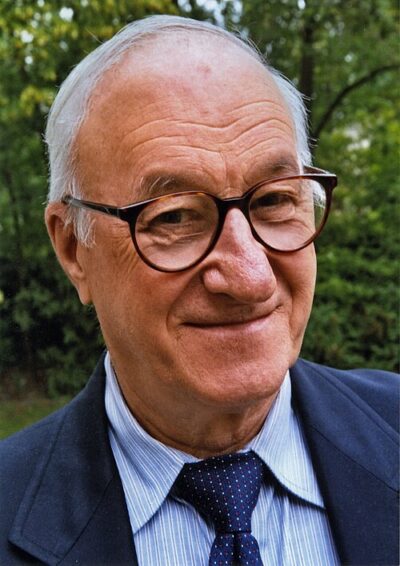 Albert Bandura (1999)Canadian psychologist (1925–2021)
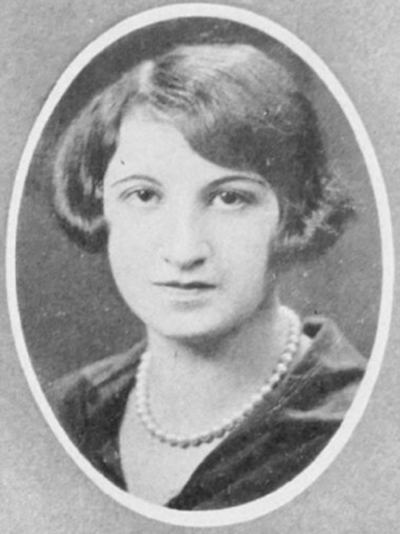 Anne Anastasi (1984)American psychologist (1908-2001)
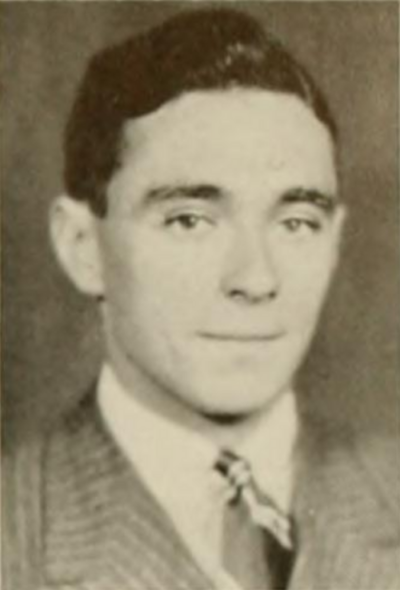 Jerome Bruner (1981)American psychologist and scholar
- DDavid Ausubel (1977)American psychologist (1918–2008)
 Jean Piaget (1976)Swiss psychologist, biologist, logician, philosopher and academic (1896–1980)
- JJ. P. Guilford (1975)American psychologist (1897–1987)
- BBenjamin Bloom (1973)American psychologist (1913–1999)
- LLee Cronbach (1967)American educational psychologist (1916–2001)
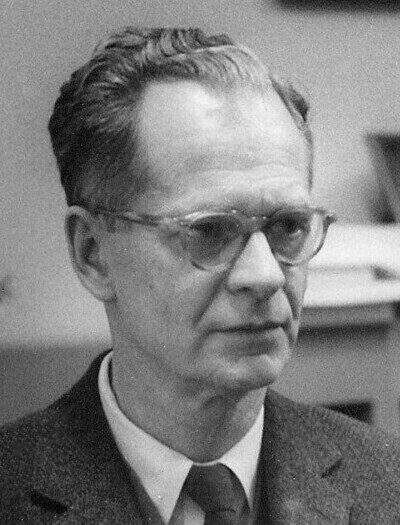 B.F. Skinner (1966)American behaviorist (1904–1990)
