

American Psychological Association
The American Psychological Association is a scientific and professional organization headquartered in the Washington, D.C. It was founded in 1892 by G. Stanley Hall. Its chief executive is Norman B. Anderson.
- Founded
- July 1892
- Founded by
- G. Stanley Hall
- Headquarters
- Washington, D.C.
- Chief executive
- Norman B. Anderson
- Country
- United States
All 10 facts, and where they come from
Facts
10 facts · 0 confirmed by two sources · 1 cited · 9 from one source
Where this comes from
Papalocal keeps its own record. It started from these sources; what each one said is kept here as it was copied, so a change on their side never changes this page by itself. Tap one to read its version.
What Wikidata says · copied November 16, 2026 · revision 2567171105
- Described as
- scientific and professional organization headquartered in the Washington, D.C.
- Other names
- apa.org, APA
- What it is
- regulatory college; publishing house; open-access publisher · 1 reference
- Founded
- July 1892
- Founded by
- G. Stanley Hall
- Headquarters
- Washington, D.C.
- Country
- United States
- Chief executive
- Norman B. Anderson
- Field
- psychology
- Official website
- https://www.apa.org/
- Wikipedias with a page
- 41
Wikidata item Q466587 (wikidata.org/wiki/Q466587), public domain (CC0). Copied 2026-11-16.
What Wikipedia says · copied November 16, 2026 · revision 1385758291
The American Psychological Association (APA) is a professional organization of psychologists in the United States, and the largest psychological association in the world. It has over 190,000 members, including scientists, educators, clinicians, consultants, and students. It has 54 divisions, which function as interest groups for different subspecialties of psychology or topical areas.
Through its Commission on Accreditation, the APA accredits graduate education and training programs in health service psychology. In September 2026, a federal advisory committee recommended suspending the commission's federal recognition for 12 months, citing regulatory noncompliance and alleged failures to address antisemitism in accredited programs. The APA disputed the recommendation.
From the Wikipedia article “American Psychological Association” (en.wikipedia.org/wiki/American_Psychological_Association), by its contributors, under CC BY-SA 4.0 (creativecommons.org/licenses/by-sa/4.0/). Copied 2026-11-16; not changed.
Confirmed Two sources agree. Cited One source, and it names where it got it. One source One source, without a reference of its own. Sources disagree The sources disagree. We show the best-supported value and keep theirs below.
Picture: Wikimedia Commons: The American Psychological Association headquarters in Washington, D.C.jpg · See Commons file page
People connected 29
Members 29
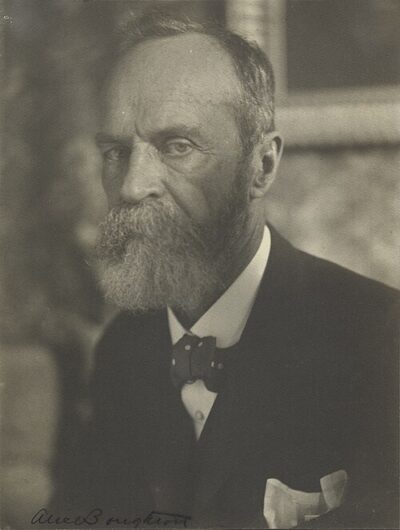 William JamesAmerican philosopher, psychologist, and pragmatist (1842–1910)
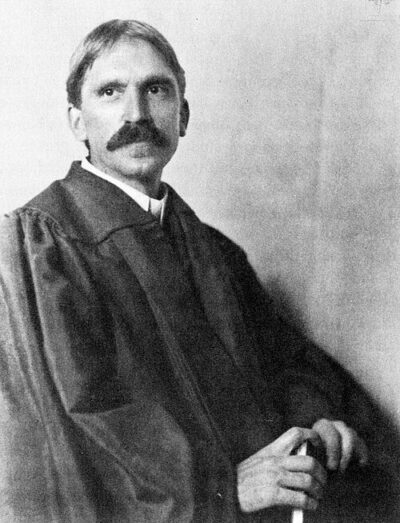 John DeweyAmerican philosopher, psychologist, and educational reformer (1859–1952)
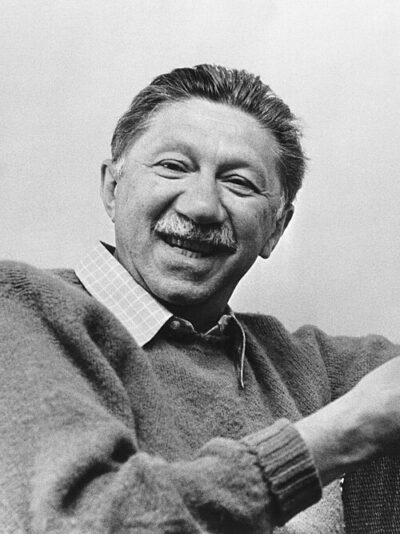 Abraham MaslowAmerican psychologist (1908–1970)
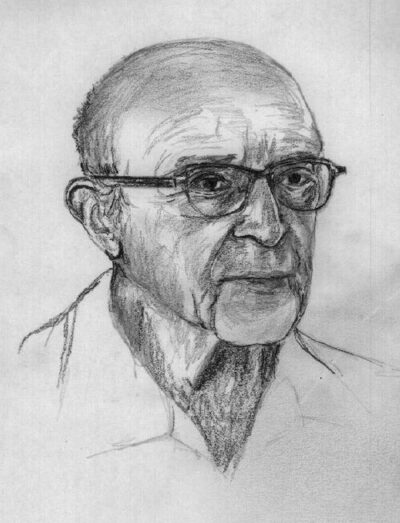 Carl RogersAmerican psychologist (1902–1987)
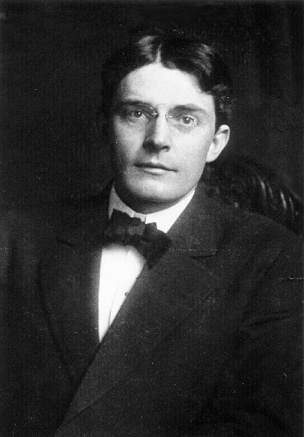 John B. WatsonAmerican psychologist (1878
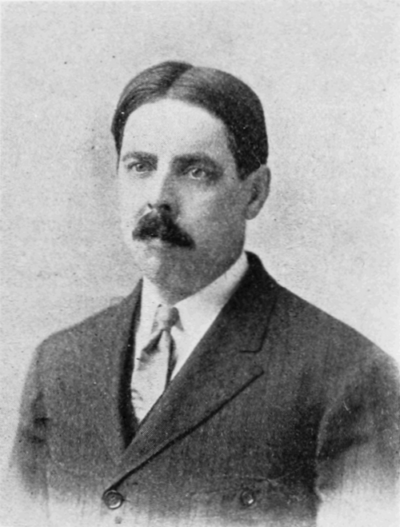 Edward Thorndike (1917–)American psychologist
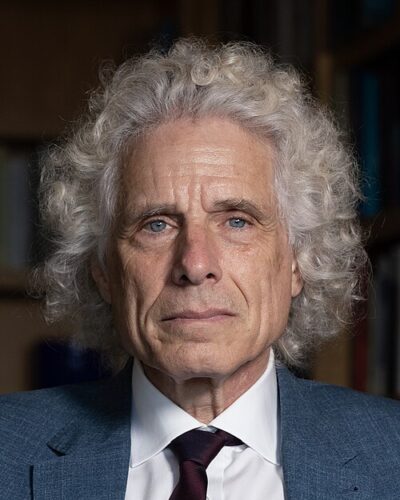 Steven PinkerCanadian-American cognitive psychologist, linguist, and author, an advocate of evolutionary psychology and the computational theory of the mind
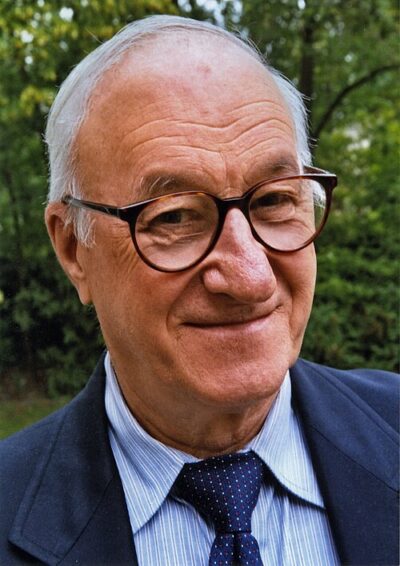 Albert BanduraCanadian psychologist (1925–2021)
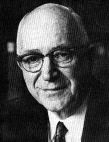 Gordon AllportAmerican psychologist (1897–1967)
 Philip ZimbardoAmerican social psychologist, author of Stanford Prison Experiment (1933–2024)
 Jerome BrunerAmerican psychologist and scholar
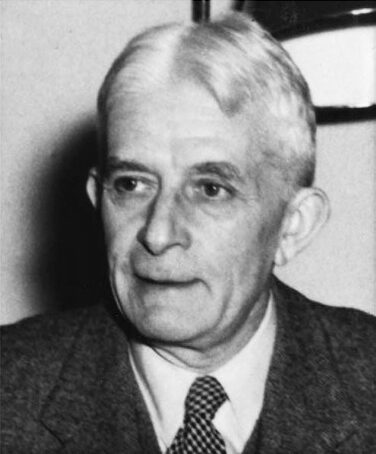 Wolfgang KöhlerGerman-American psychologist and phenomenologist (1887-1967)
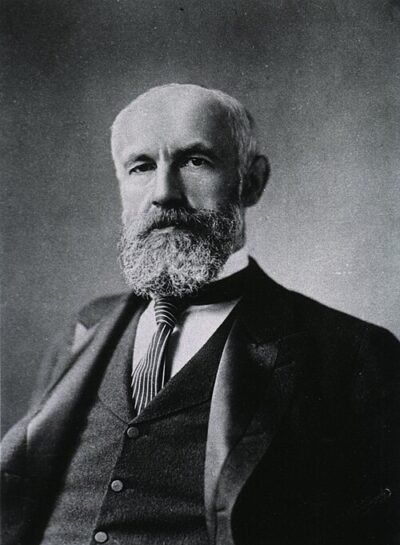 G. Stanley HallAmerican psychologist and educator (1844–1924)
- GGeorge Armitage MillerAmerican psychologist (1920–2012)
- DDonald O. HebbCanadian neuroscientist (1904–1985)
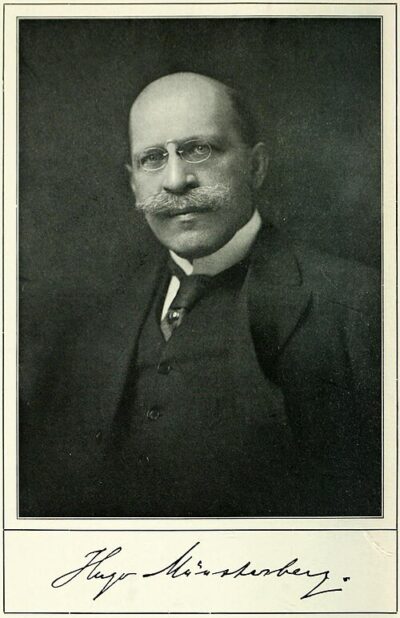 Hugo MünsterbergGerman-American psychologist (1863-1916)
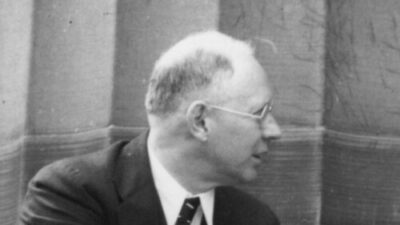 Clark L. HullAmerican psychologist (1884–1952)
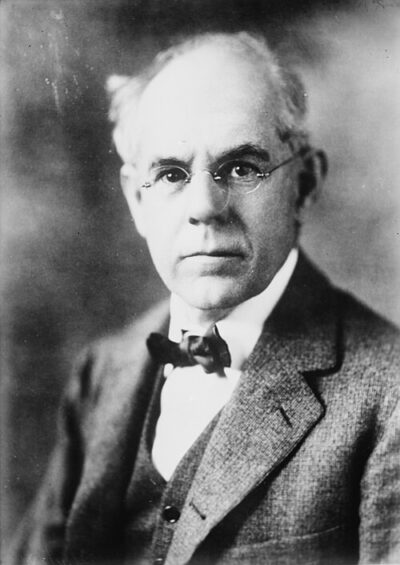 James McKeen CattellAmerican psychologist (1860–1944)
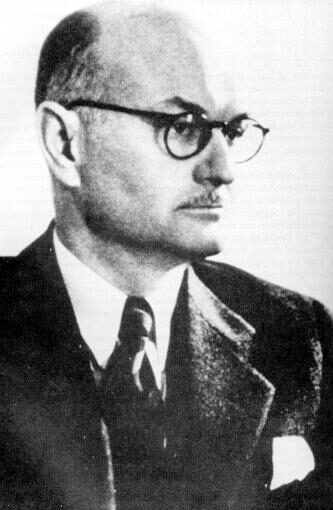 Edward C. TolmanAmerican psychologist (1886–1959)
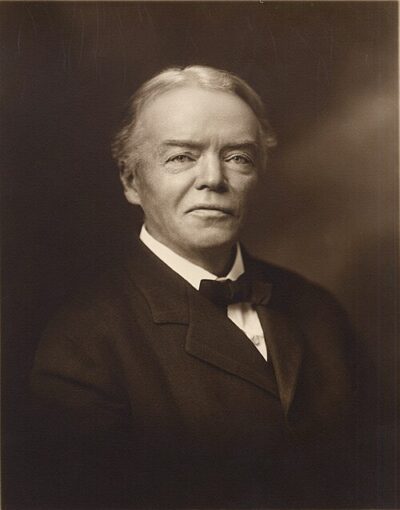 Josiah RoyceAmerican philosopher (1855–1916)
- HHarry HarlowAmerican psychologist (1905–1981)
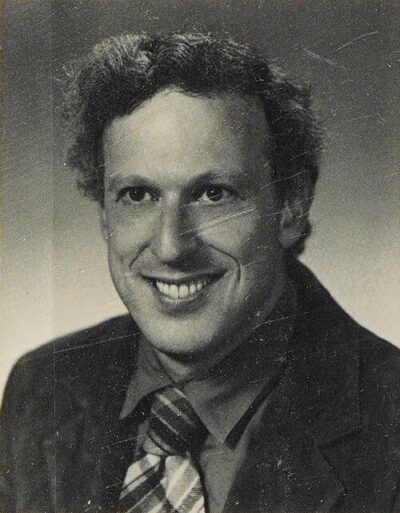 Robert SternbergAmerican psychologist & scholar
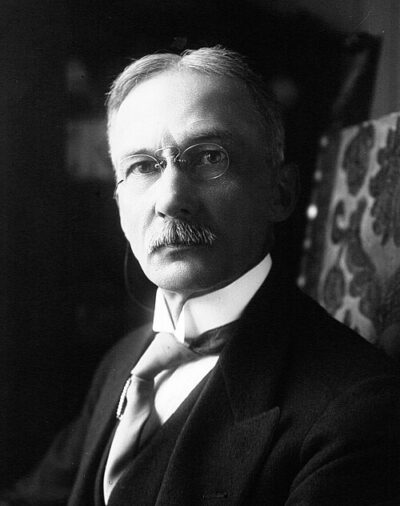 James Mark BaldwinAmerican philosopher and psychologist (1861–1934)
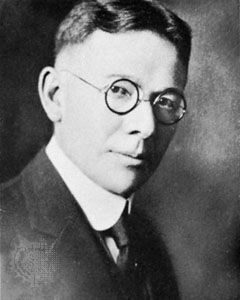 Lewis TermanAmerican educational psychologist and academic (1877–1956)
and 5 more
