
Charles Stark Draper Prize
Charles Stark Draper Prize is one of three prizes that constitute the "Nobel Prizes of Engineering". It was created in 1989. It is given by the National Academy of Engineering.
- Given by
- National Academy of Engineering
- Country
- United States
- Created
- 1989
All 6 facts, and where they come from
Facts
6 facts · 0 confirmed by two sources · 0 cited · 6 from one source
Where this comes from
Papalocal keeps its own record. It started from these sources; what each one said is kept here as it was copied, so a change on their side never changes this page by itself. Tap one to read its version.
What Wikidata says · copied November 16, 2026 · revision 2406433562
- Described as
- one of three prizes that constitute the "Nobel Prizes of Engineering"
- What it is
- science award
- Created
- 1989
- Country
- United States
- Given by
- National Academy of Engineering
- Named after
- Charles Stark Draper
- Official website
- https://www.nae.edu/55291/DraperWinners?id=55291
- Wikipedias with a page
- 13
Wikidata item Q1063447 (wikidata.org/wiki/Q1063447), public domain (CC0). Copied 2026-11-16.
What Wikipedia says · copied November 16, 2026 · revision 1353969114
The National Academy of Engineering awards the Charles Stark Draper Prize for Engineering, which is given for the advancement of engineering and the education of the public about engineering. It is one of three prizes that constitute the "Nobel Prizes of Engineering"—the others are the Academy's Russ and Gordon Prizes. The Draper Prize is awarded biennially and the winner of each of these prizes receives $500,000. The Draper Prize is named for Charles Stark Draper, the "father of inertial navigation", an MIT professor and founder of Draper Laboratory.
From the Wikipedia article “Charles Stark Draper Prize” (en.wikipedia.org/wiki/Charles_Stark_Draper_Prize), by its contributors, under CC BY-SA 4.0 (creativecommons.org/licenses/by-sa/4.0/). Copied 2026-11-16; not changed.
Confirmed Two sources agree. Cited One source, and it names where it got it. One source One source, without a reference of its own. Sources disagree The sources disagree. We show the best-supported value and keep theirs below.
People connected 31
Won it 31
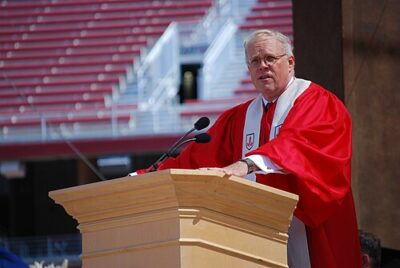 John L. Hennessy (2022)American computer scientist (born 1952)
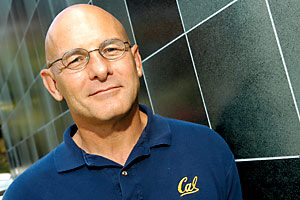 David A. Patterson (2022)American computer scientist
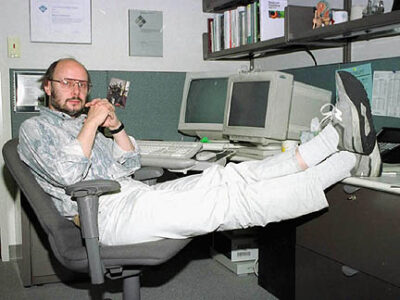 Bjarne Stroustrup (2018)Danish computer scientist, creator of C++ (born 1950)
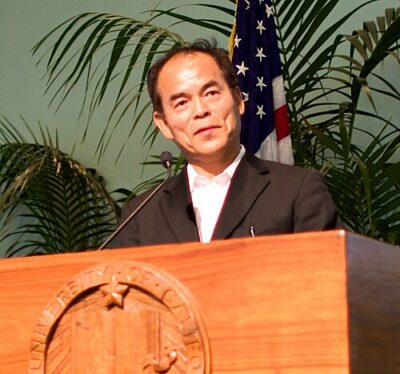 Shuji Nakamura (2015)Japanese doctor of Engineering (1954-), inventor of the blue LED, 2014 Nobel laureate in Physics
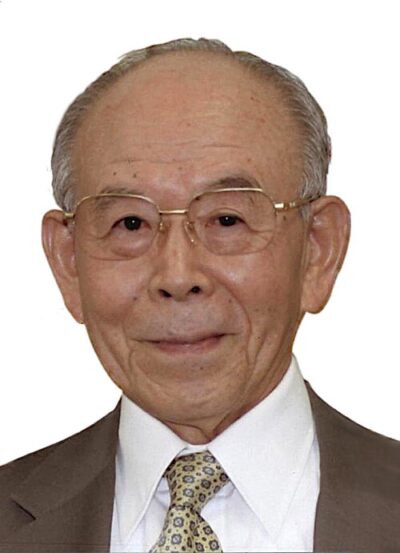 Isamu Akasaki (2015)Japanese engineer (1929-2021)
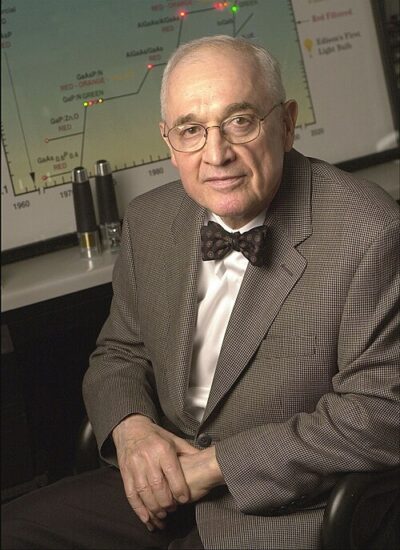 Nick Holonyak (2015)American physicist (1928–2022)
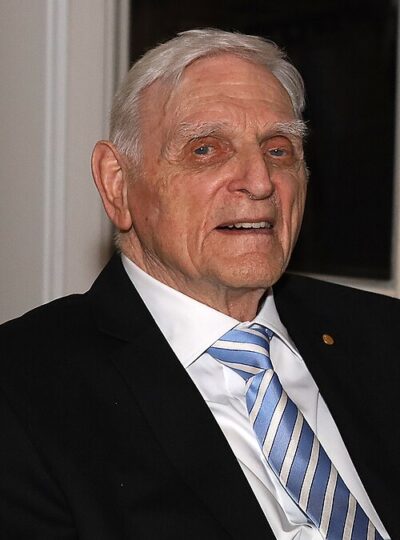 John B. Goodenough (2014)American materials scientist (1922–2023)
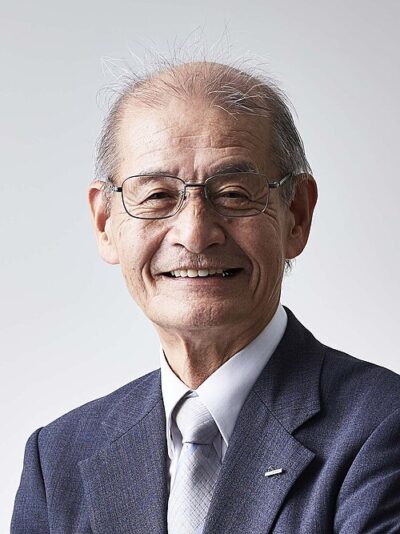 Akira Yoshino (2014)Japanese engineer and researcher (1948-), known as an inventor of lithium-ion battery
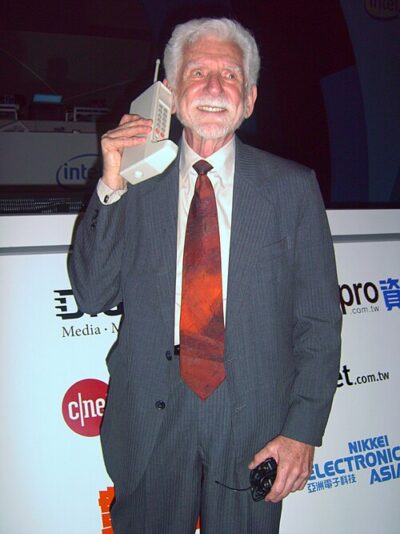 Martin Cooper (2013)American engineer, father of mobile phone
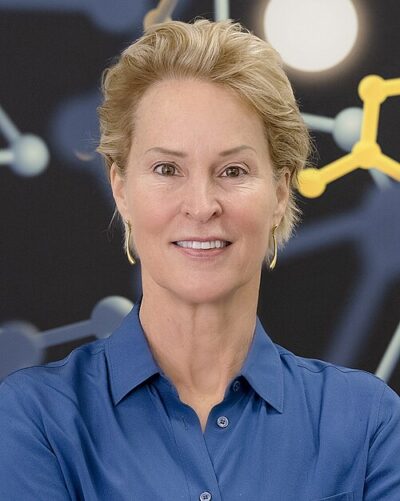 Frances Arnold (2011)Nobel prize winning US scientist and engineer (born 1956)
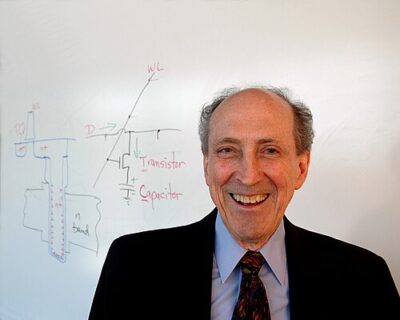 Robert H. Dennard (2009)American engineer and inventor
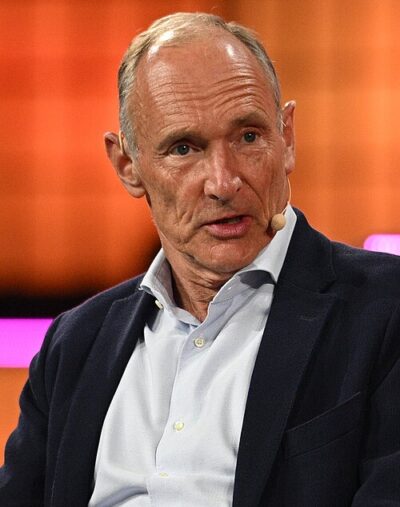 Tim Berners-Lee (2007)English computer scientist (born 1955)
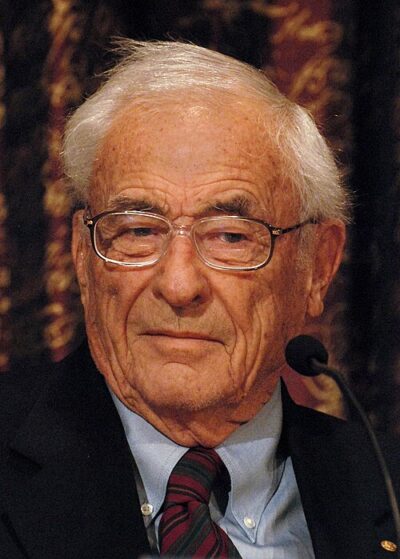 Willard Boyle (2006)Canadian physicist and inventor (1924–2011)
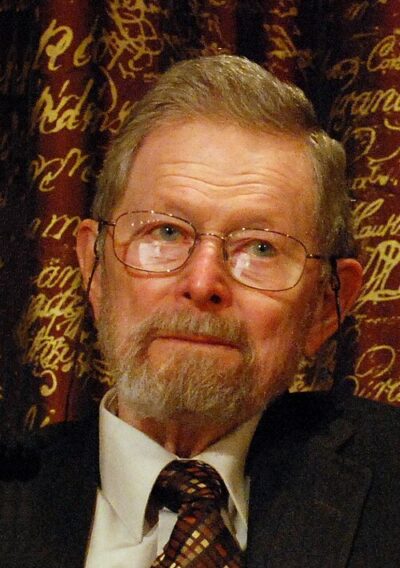 George E. Smith (2006)Nobel prize winning American physicist
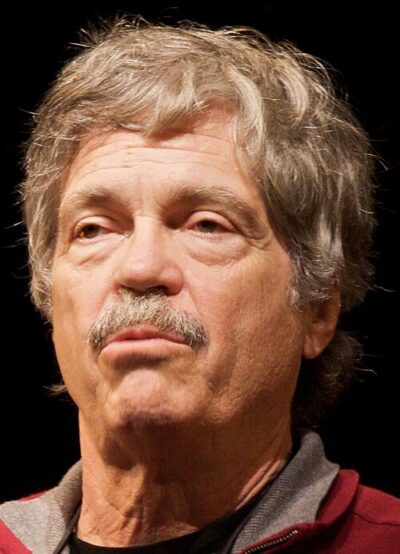 Alan Kay (2004)American computer scientist (born 1940)
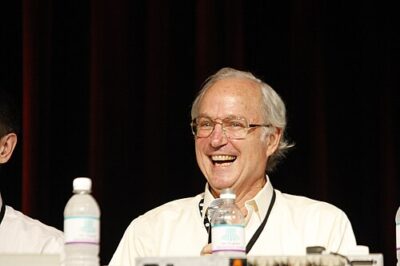 Butler Lampson (2004)American computer scientist (born 1943)
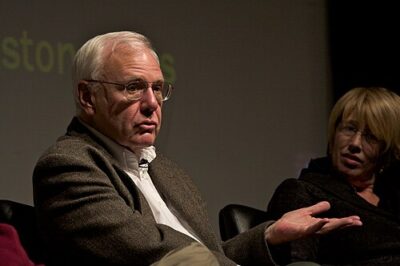 Charles P. Thacker (2004)American computer pioneer (1943–2017)
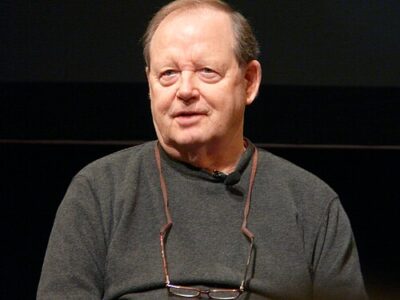 Robert Taylor (2004)American computer scientist (1932–2017)
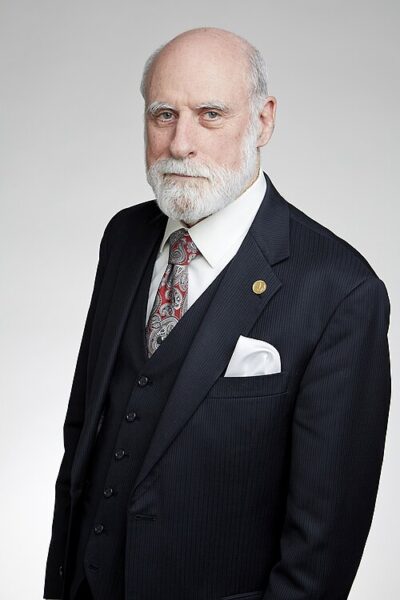 Vint Cerf (2001)American computer scientist (born 1943)
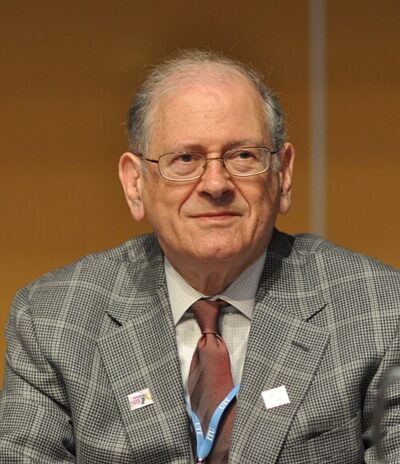 Bob Kahn (2001)American Internet pioneer, computer scientist (born 1938)
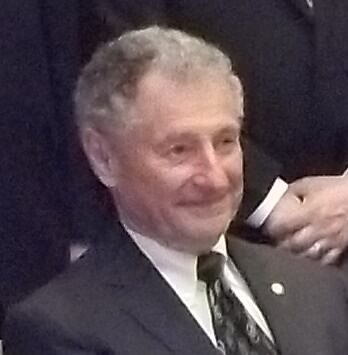 Leonard Kleinrock (2001)American computer scientist (born 1934)
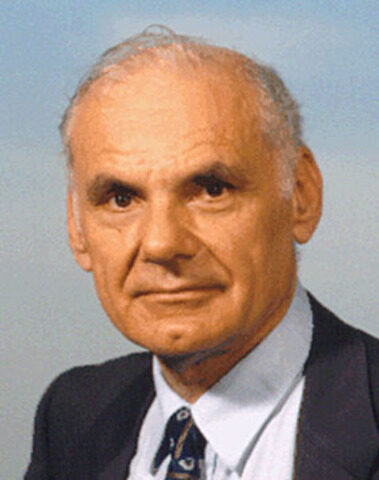 Lawrence Roberts (2001)American computer scientist (1937–2018)
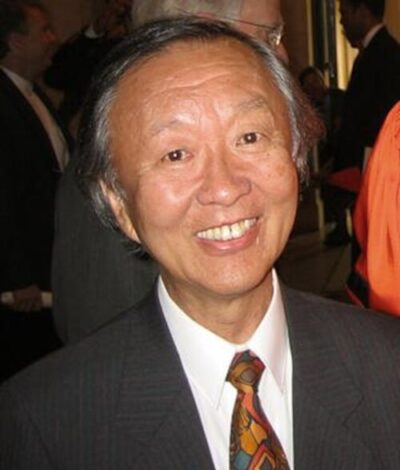 Charles K. Kao (1999)Hong Kong-British-American physicist
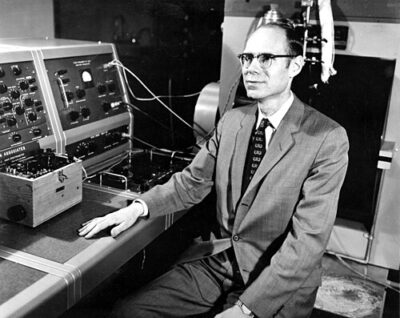 John R. Pierce (1995)American electrical engineer, acoustics expert, and author (1910–2002)
and 7 more
