

engineering
Engineering is a type of applied science.
- What it is
- field of work
All 3 facts, and where they come from
Facts
3 facts · 0 confirmed by two sources · 0 cited · 3 from one source
Where this comes from
Papalocal keeps its own record. It started from these sources; what each one said is kept here as it was copied, so a change on their side never changes this page by itself. Tap one to read its version.
What Wikidata says · copied November 19, 2026 · revision 2571664872
- Described as
- type of applied science
- Other names
- general engineering, basic engineering, Engineering (profession), Engineering (practice), Engineering (skill)
- What it is
- field of work; technical sciences; academic discipline
- Wikipedias with a page
- 183
Wikidata item Q11023 (wikidata.org/wiki/Q11023), public domain (CC0). Copied 2026-11-19.
What Wikipedia says · copied November 19, 2026 · revision 1384123387
Engineering is the practice of systematically applying natural science and mathematics to design and improve systems, devices, or processes that solve problems under constraints. It is typically motivated by satisfying human needs, resulting in creations such as bridges, engines, smartphones, pacemakers, the internet, spacecraft, and washing machines. Engineering involves balancing competing demands such as safety, performance, aesthetics, cost, and time, while operating within fundamental limits such as the laws of physics.
The traditional disciplines of engineering are civil, mechanical, electrical, and chemical. The academic discipline of engineering encompasses a broad range of more specialized subfields, and each can have a more specific emphasis for applications of mathematics and science. Modern engineering practice follows the engineering design process and spans multiple fields, which include designing and improving infrastructure, machinery, vehicles, electronics, materials, and energy systems.
As a human endeavor, engineering has existed since ancient times, starting with the six classic simple machines. Examples of large-scale engineering projects from antiquity include impressive structures like the pyramids, elegant temples such as the Parthenon, and water conveyances like hulled watercraft, canals, and the Roman aqueduct. Early machines were powered by humans and animals, then later by wind. Machines of war were invented for siegecraft. In Europe, the scientific and industrial revolutions advanced engineering into a scientific profession and resulted in continuing technological improvements. The steam engine provided much greater power than animals, leading to mechanical propulsion for ships and railways. Further scientific advances resulted in the application of engineering to electrical, chemical, and aerospace requirements, plus the use of new materials for greater efficiencies.
The word engineering is derived from the Latin ingenium. Engineers typically follow a code of ethics that favors honesty and integrity, while being dedicated to public safety and welfare. Engineering tasks involve finding optimal solutions to constrained problems, with testing and simulations being used prior to production. When a deployed product fails, forensic engineering is used to determine what went wrong in order to find a fix. Much of this product lifecycle management is now assisted with computer software, from design to testing and manufacturing. At larger scales, this process is normally funded by a company, multiple investors, or the government, so a knowledge of economics and business practices is needed.
From the Wikipedia article “Engineering” (en.wikipedia.org/wiki/Engineering), by its contributors, under CC BY-SA 4.0 (creativecommons.org/licenses/by-sa/4.0/). Copied 2026-11-19; not changed.
Confirmed Two sources agree. Cited One source, and it names where it got it. One source One source, without a reference of its own. Sources disagree The sources disagree. We show the best-supported value and keep theirs below.
Picture: Wikimedia Commons: PIA19664-MarsInSightLander-Assembly-20150430.jpg · See Commons file page
People connected 31
Field 29
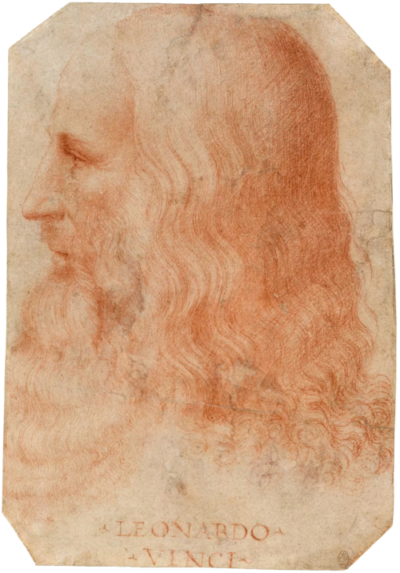 Leonardo da VinciItalian Renaissance polymath (1452−1519)
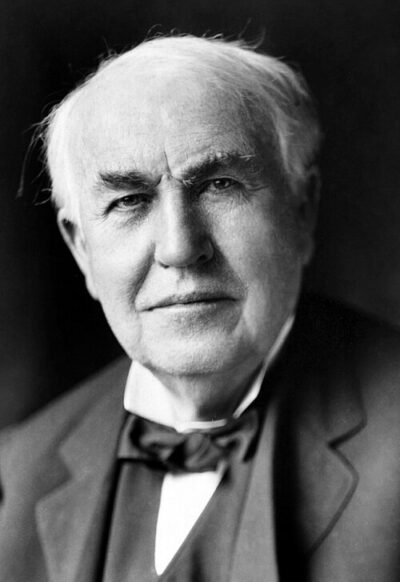 Thomas EdisonAmerican inventor and businessman (1847–1931)
 ArchimedesGreek mathematician and physicist (c. 287 – c. 212 BC)
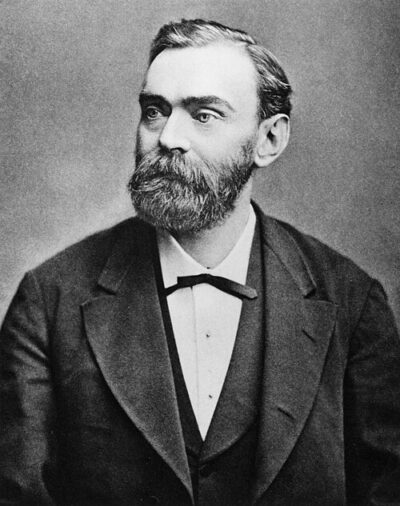 Alfred NobelSwedish chemist and inventor (1833–1896)
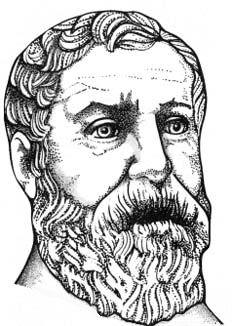 Hero of Alexandriaancient Greek mathematician and engineer
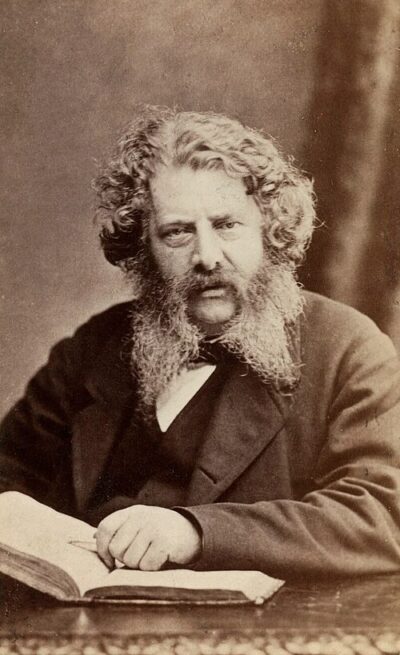 William John Macquorn Rankinecivil engineer (1820–1872)
 Hertha AyrtonEnglish electrical engineer (1854–1923)
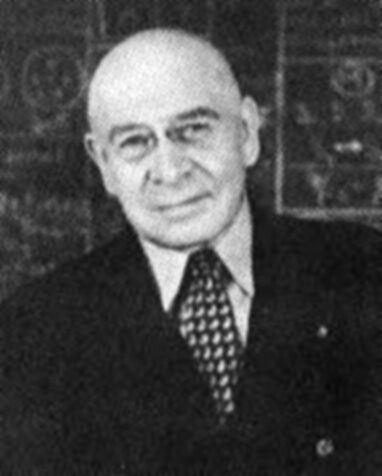 Alfred KorzybskiPolish-American scholar and philosopher (1879–1950)
 Mira MuratiAlbanian-American business executive (born 1988)
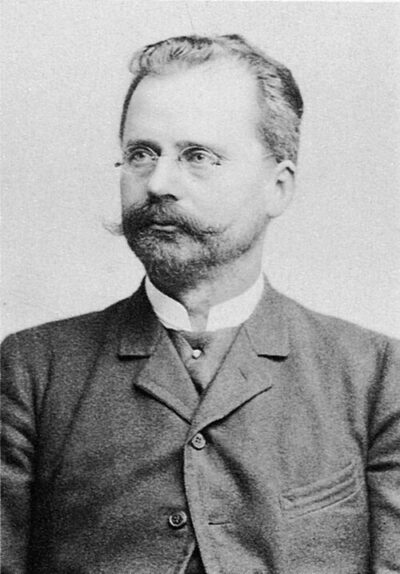 Gustaf de LavalSwedish engineer (1845-1913)
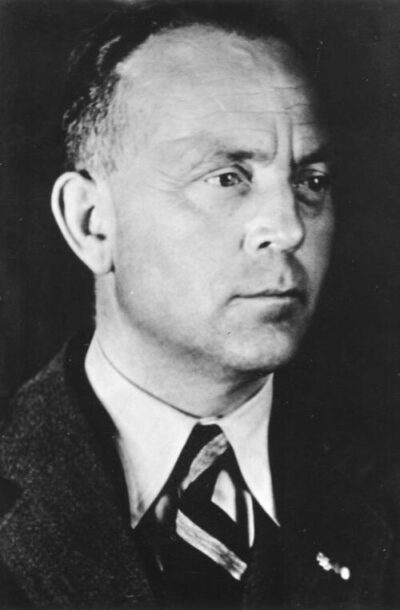 Kurt TankGerman aircraft designer (1898–1983)
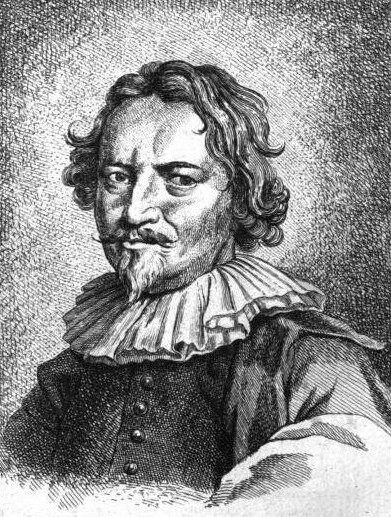 Carlo FontanaItalian architect (1634/1638–1714)
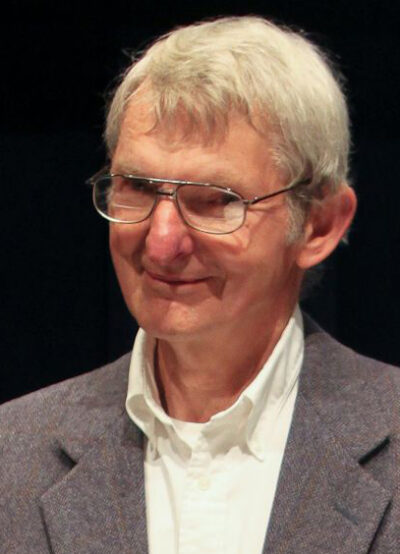 Douglas McIlroyAmerican computer scientist, mathematician, engineer, and programmer
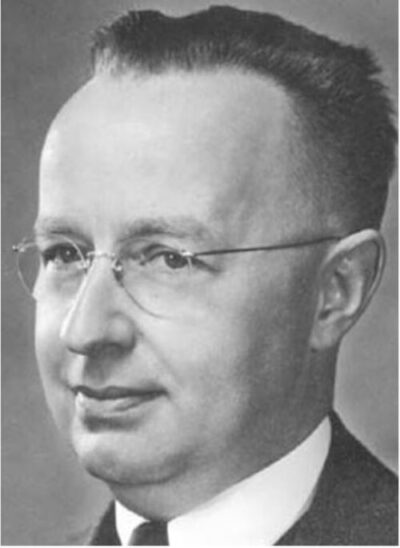 Walter A. ShewhartAmerican statistical quality control expert
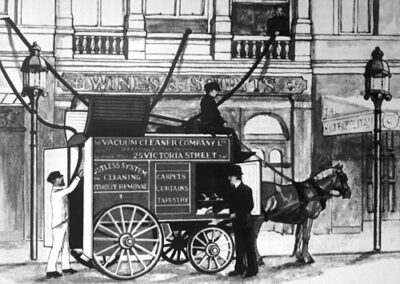 Hubert Cecil BoothBritish engineer (1871–1955)
- GGeorge de MestralSwiss engineer, inventor of the velcro system (1907-1990)
- GGiuseppe ColomboItalian mathematician, astrophysicist and engineer (1920-1984)
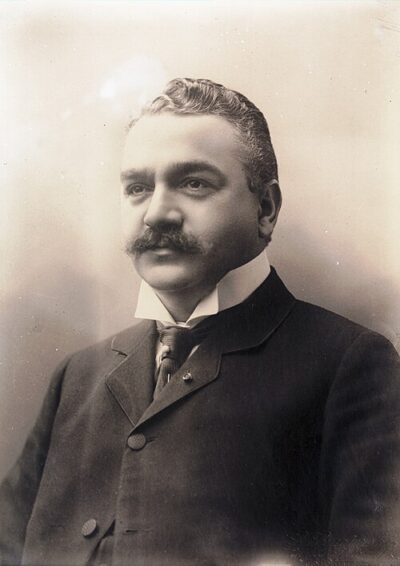 Sam EydeNorwegian engineer and businessman (1866-1940)
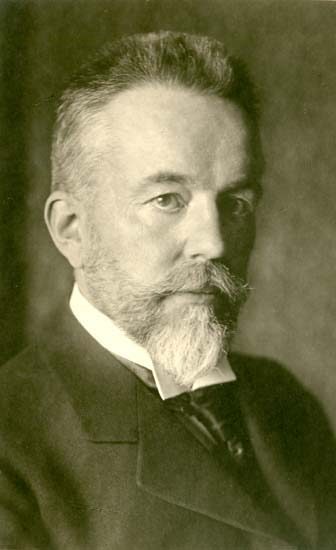 Aurel StodolaSlovak scientist (1859–1942)
 Jack ParsonsAmerican rocket engineer (1914–1952)
 Leonardo Torres QuevedoSpanish engineer and mathematician (1852-1936)
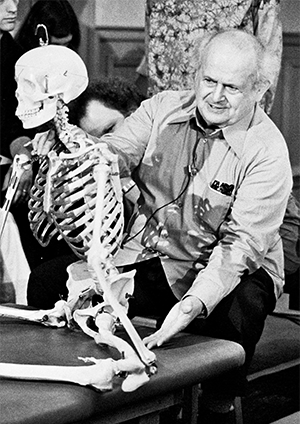 Moshé FeldenkraisIsraeli engineer and creator of the Feldenkrais Method (1904-1984)
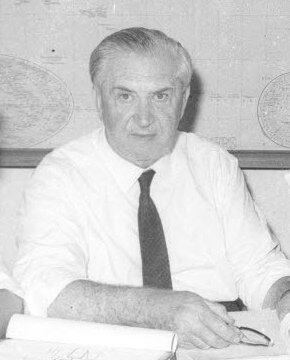 Hellmuth WalterGerman rocket scientist (1900–1980)
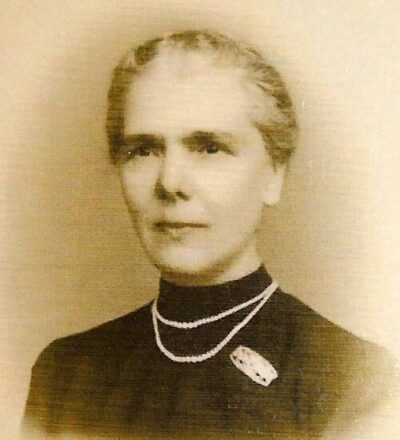 Elisa Leonida ZamfirescuRomanian engineer
and 5 more

