
Fukuoka Asian Culture Prize
Fukuoka Asian Culture Prize is a cultural prize. It was created in 1989.
- Country
- Japan
- Created
- 1989
All 4 facts, and where they come from
Facts
4 facts · 0 confirmed by two sources · 0 cited · 4 from one source
Where this comes from
Papalocal keeps its own record. It started from these sources; what each one said is kept here as it was copied, so a change on their side never changes this page by itself. Tap one to read its version.
What Wikidata says · copied November 16, 2026 · revision 2563514968
- Described as
- award
- Other names
- Fukuoka Prize
- What it is
- cultural prize
- Created
- 1989
- Country
- Japan
- Official website
- http://fukuoka-prize.org/en
- Wikipedias with a page
- 11
Wikidata item Q1323284 (wikidata.org/wiki/Q1323284), public domain (CC0). Copied 2026-11-16.
What Wikipedia says · copied November 16, 2026 · revision 1376461189
The Fukuoka Prize (福岡アジア文化賞, Fukuoka Ajia Bunkashō) is an award established by the city of Fukuoka and the Fukuoka City International Foundation (formerly The Yokatopia Foundation) to honor the outstanding work of individuals or organizations in preserving or creating Asian culture. There are three prize categories: Grand Prize, Academic Prize, and Arts and Culture Prize.
In 1989, Fukuoka held the Asia-Pacific Exposition (referred to as "Yokatopia") with the concept of interaction between the Asia-Pacific region. The prize program was inaugurated in the following year to carry on the spirit of the Expo, and ever since then, the prizes have been given annually, and the related official events, including the award ceremony and the public forums by the prize winners, have been held every September, also known as "Asian Party" in Fukuoka. In 1999, school visits were added to the program, to give a special lecture to children by the prize winners.
From the Wikipedia article “Fukuoka Prize” (en.wikipedia.org/wiki/Fukuoka_Prize), by its contributors, under CC BY-SA 4.0 (creativecommons.org/licenses/by-sa/4.0/). Copied 2026-11-16; not changed.
Confirmed Two sources agree. Cited One source, and it names where it got it. One source One source, without a reference of its own. Sources disagree The sources disagree. We show the best-supported value and keep theirs below.
People connected 25
Won it 25
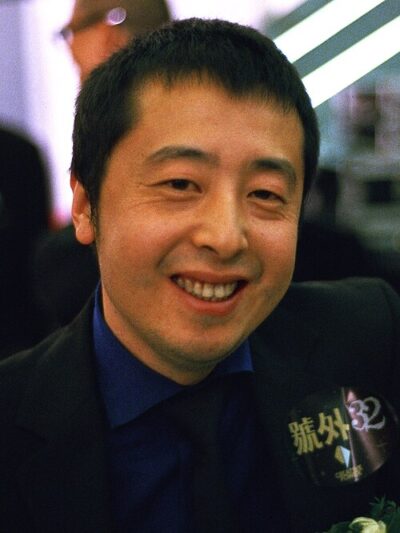 Jia Zhangke (2017)Chinese film director and screenwriter (born 1970)
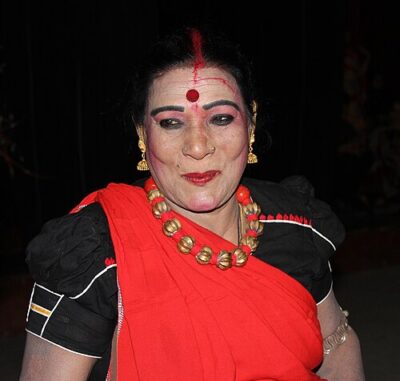 Teejan Bai (2017)Indian singer
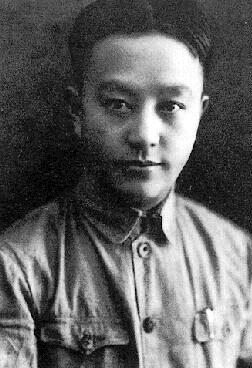 Wang Ming (2017)Chinese politician (1904-1974)
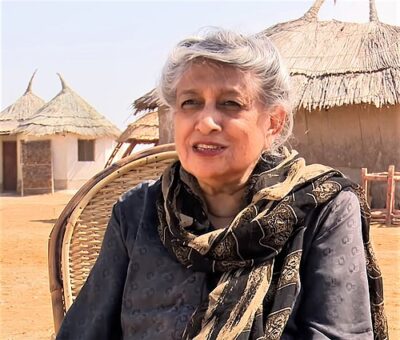 Yasmeen Lari (2016)Pakistani architect
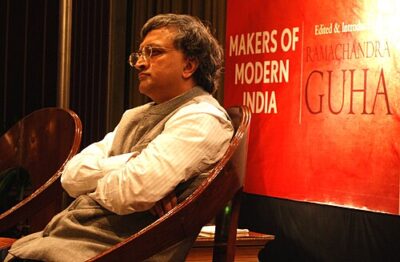 Ramachandra Guha (2015)historian and writer from India
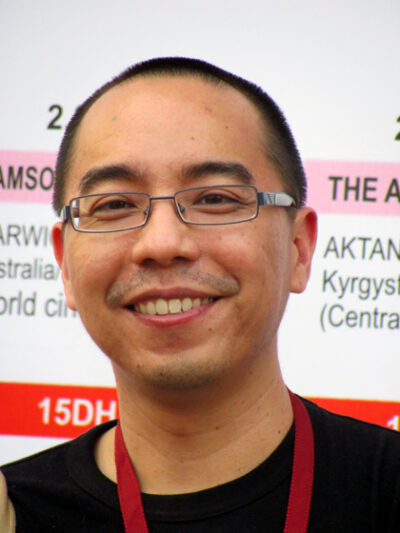 Apichatpong Weerasethakul (2013)Thai film director, screenwriter, and film producer (born 1970)
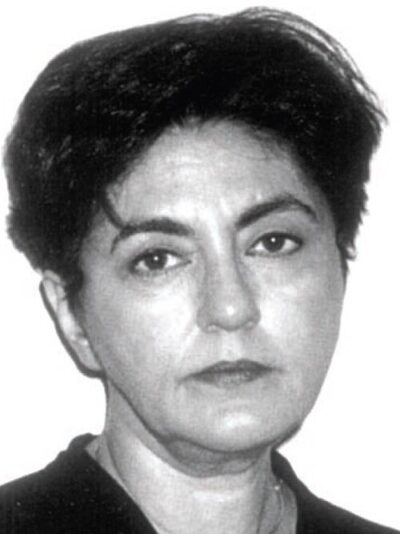 Nalini Malani (2013)contemporary Indian artist (born 1946)
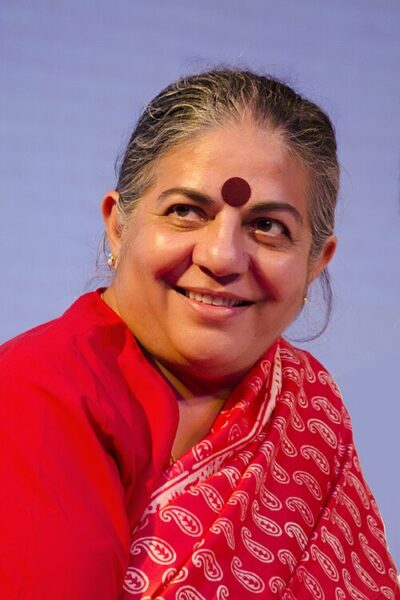 Vandana Shiva (2012)Indian philosopher, activist and environmentalist (*1952)
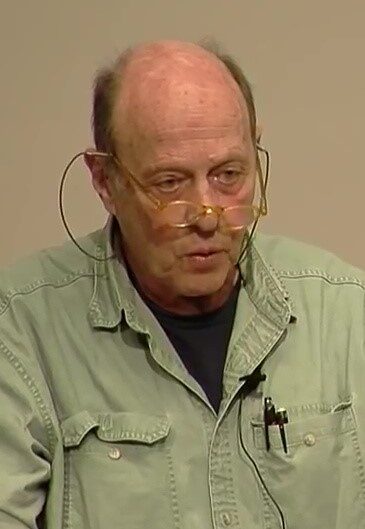 James C. Scott (2010)American political scientist and anthropologist
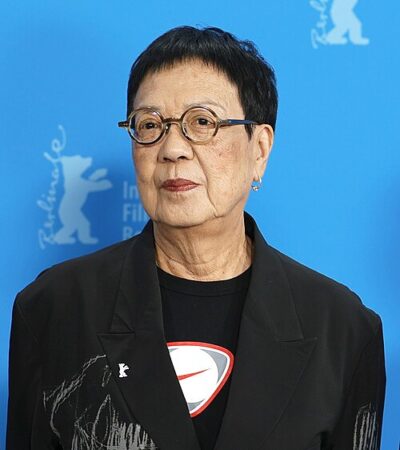 Ann Hui (2008)Hong Kong filmmaker (born 1947)
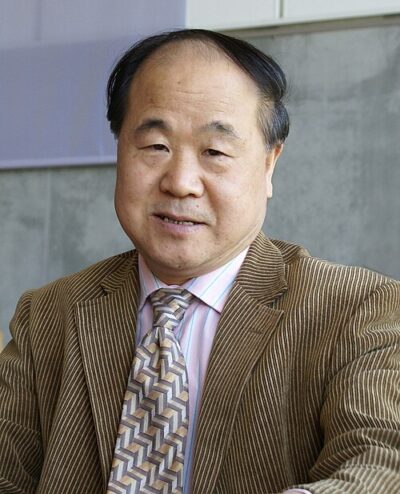 Mo Yan (2006)Chinese novelist and screenwriter
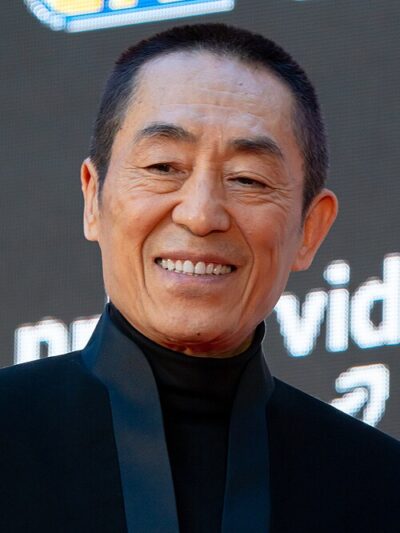 Zhang Yimou (2002)Chinese filmmaker
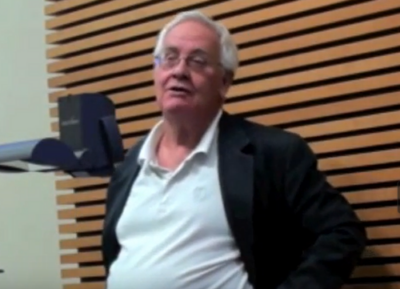 Benedict Anderson (2000)American political scientist (1936-2015)
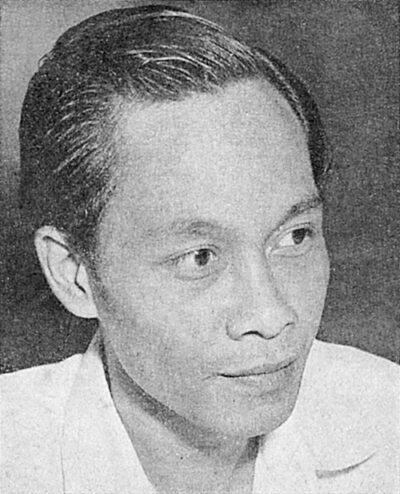 Pramoedya Ananta Toer (2000)Indonesian writer (1925–2006)
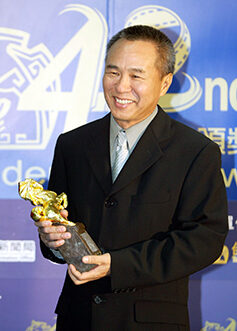 Hou Hsiao-Hsien (1999)Taiwanese film director, screenwriter and film producer (born 1947)
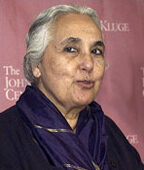 Romila Thapar (1997)Indian historian (born 1931)
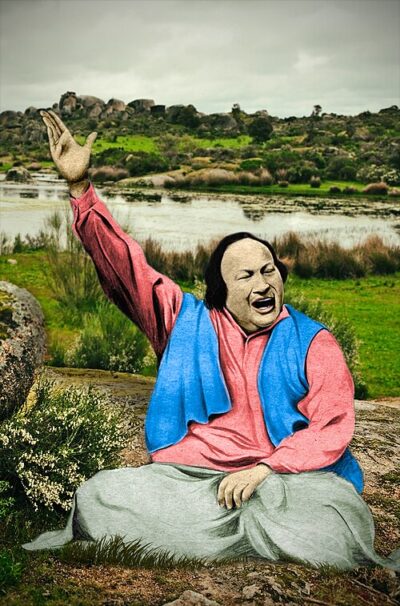 Nusrat Fateh Ali Khan (1996)Pakistani musician, primarily a singer of qawwali (1948-1997)
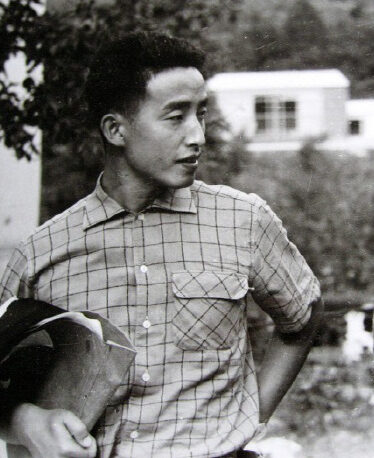 Nam June Paik (1995)American video art pioneer (1932–2006)
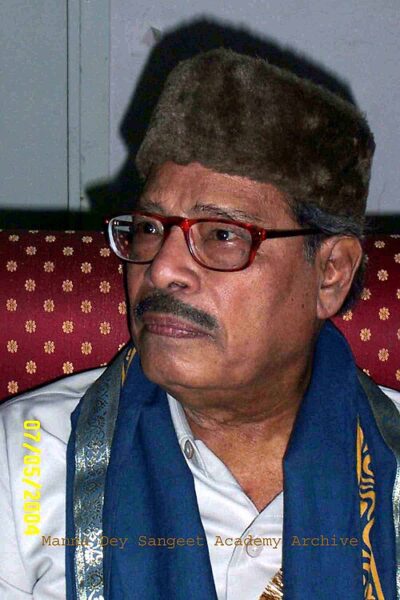 Manna Dey (1994)Indian playback singer, music director, musician and vocalist (1919–2013)
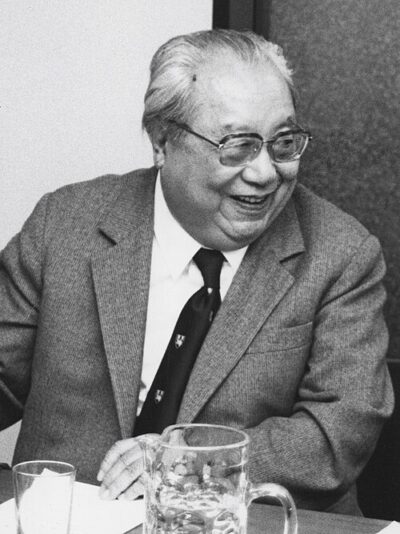 Fei Xiaotong (1993)Chinese anthropologist, sociologist (1910-2005)
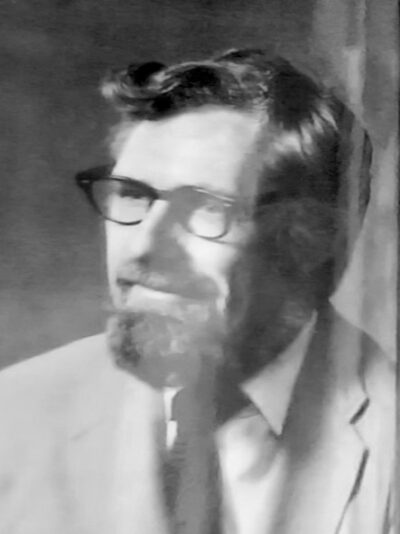 Clifford Geertz (1992)American anthropologist
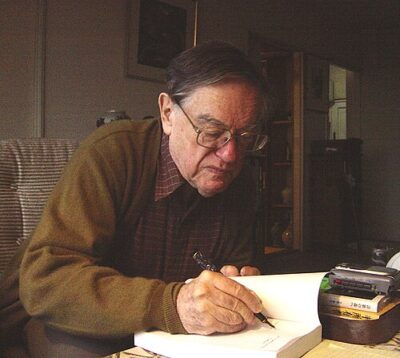 Donald Keene (1991)Japanese/American academic (1922–2019)
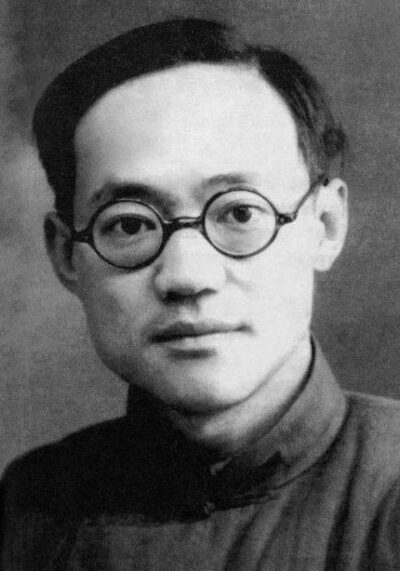 Ba Jin (1990)Chinese novelist and anarchist activist (1904-2005)
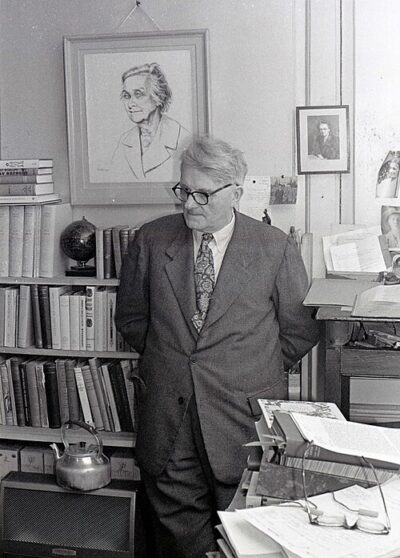 Joseph Needham (1990)British biochemist, historian and sinologist (1900–1995)
and 1 more
