
German Democratic Party
The German Democratic Party is a former German political party on the left wing of the political spectrum. It was founded in 1918. Its headquarters are in Berlin. It stands for liberalism, republicanism and social liberalism.
- Country
- Weimar Republic
- Founded
- 1918
- Ideology
- liberalism
- Chair
- Erich Koch-Weser (1924–1930)
All 10 facts, and where they come from
Facts
10 facts · 0 confirmed by two sources · 0 cited · 10 from one source
Where this comes from
Papalocal keeps its own record. It started from these sources; what each one said is kept here as it was copied, so a change on their side never changes this page by itself. Tap one to read its version.
What Wikidata says · copied November 16, 2026 · revision 2556074573
- Described as
- former German political party on the left wing of the political spectrum
- Other names
- DDP
- What it is
- political party
- Founded
- 1918
- Ended
- 1933
- Headquarters
- Berlin
- Country
- Weimar Republic
- Chair
- Erich Koch-Weser (1924–1930); Carl Wilhelm Petersen (1919–1924)
- Ideology
- liberalism; republicanism; social liberalism
- Wikipedias with a page
- 33
Wikidata item Q328195 (wikidata.org/wiki/Q328195), public domain (CC0). Copied 2026-11-16.
What Wikipedia says · copied November 16, 2026 · revision 1376721116
The German Democratic Party (Deutsche Demokratische Partei, DDP) was a liberal political party in the Weimar Republic, considered centrist or centre-left. Along with the right-liberal German People's Party (Deutsche Volkspartei, DVP), it represented political liberalism in Germany between 1918 and 1933. It was formed in 1918 from the Progressive People's Party and the liberal wing of the National Liberal Party, both of which had been active in the German Empire.
After the formation of the first German state to be constituted along pluralist-democratic lines, the DDP took part as a member of varying coalitions in almost all Weimar Republic cabinets from 1919 to 1932. Before the Reichstag elections of 1930, it united with the Volksnationale Reichsvereinigung, which was part of the national liberal Young German Order (Jungdeutscher Orden). From that point on the party called itself the German State Party (Deutsche Staatspartei, DStP) and retained the name even after the Reich Association left the party. Because of the connection to the Reich Association, members of the left wing of the DDP broke away from the party and toward the end of the Republic founded the Radical Democratic Party, which was unsuccessful in parliament. Others joined the Social Democratic Party of Germany (SPD).
After the National Socialists took power, the German State Party was dissolved on 28 June 1933 as part of the process of Gleichschaltung (coordination) by means of which the Nazis established totalitarian control over German society.
From the Wikipedia article “German Democratic Party” (en.wikipedia.org/wiki/German_Democratic_Party), by its contributors, under CC BY-SA 4.0 (creativecommons.org/licenses/by-sa/4.0/). Copied 2026-11-16; not changed.
Confirmed Two sources agree. Cited One source, and it names where it got it. One source One source, without a reference of its own. Sources disagree The sources disagree. We show the best-supported value and keep theirs below.
People connected 9
Party members
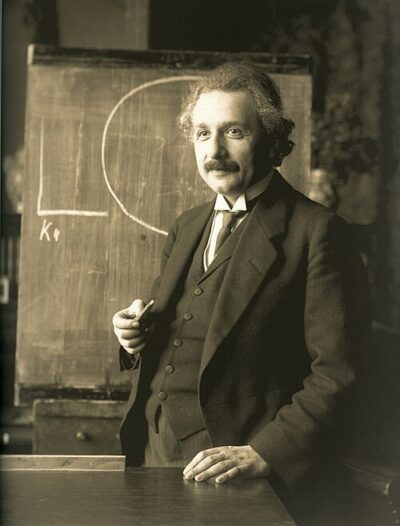 Albert Einstein (–1933)German-born theoretical physicist (1879–1955)
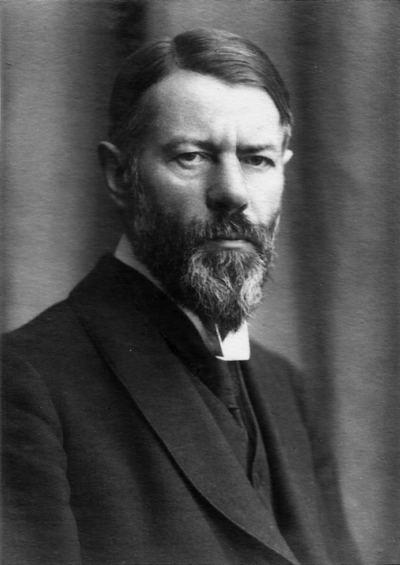 Max WeberGerman sociologist, philosopher, and political economist (1864–1920)
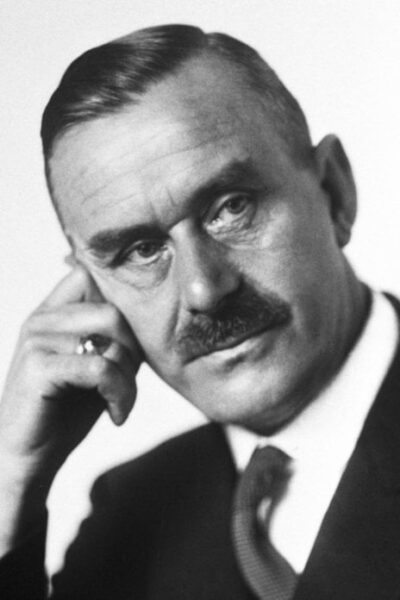 Thomas MannGerman novelist and Nobel Prize laureate (1875–1955)
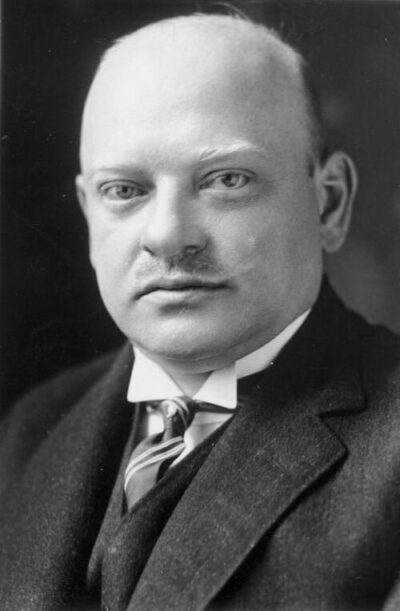 Gustav Stresemann (1918)German politician, statesman, and Nobel Peace Prize laureate (1878-1929)
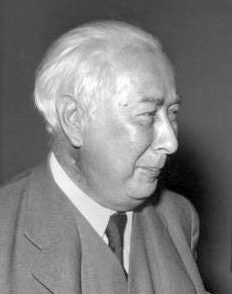 Theodor HeussGerman journalist and politician (1884-1963)
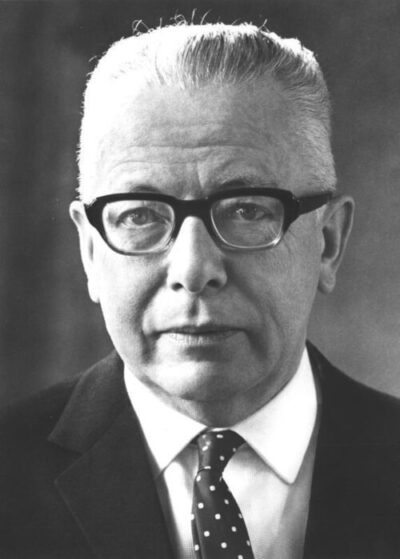 Gustav HeinemannGerman politician; President of Germany from 1969–1974 (1899–1976)
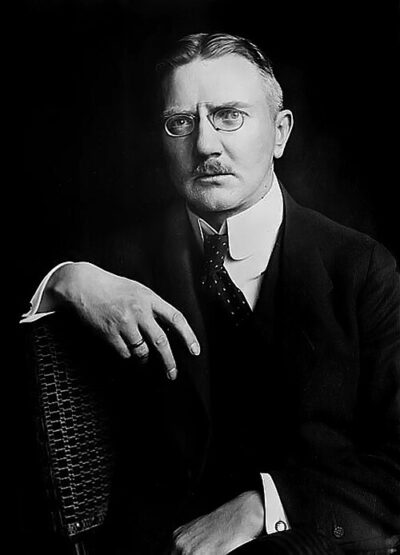 Hjalmar Schacht (1918–1926)German politician and economist (1877–1970)
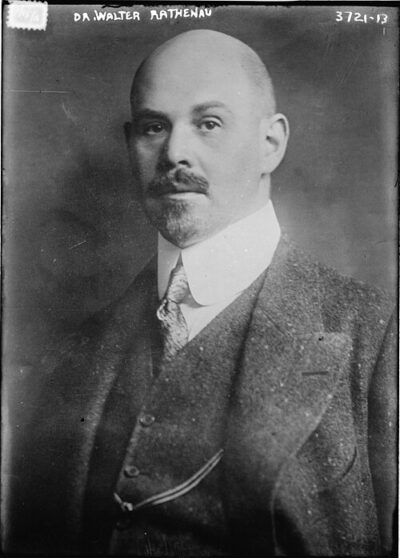 Walther Rathenau (1918–)German businessman, writer, art collector and politician (1867-1922)
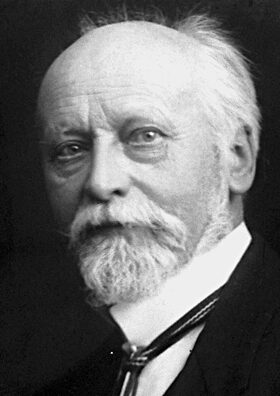 Ludwig QuiddeGerman politician (1858-1941)
