

Golden Lion
Golden Lion is the highest prize given to a film at the Venice Film Festival. It was created in 1949.
- Given by
- Venice Film Festival
- Country
- Italy
- Created
- 1949
All 7 facts, and where they come from
Facts
7 facts · 0 confirmed by two sources · 0 cited · 7 from one source
Where this comes from
Papalocal keeps its own record. It started from these sources; what each one said is kept here as it was copied, so a change on their side never changes this page by itself. Tap one to read its version.
What Wikidata says · copied November 16, 2026 · revision 2515852635
- Described as
- highest prize given to a film at the Venice Film Festival
- Other names
- Leone d'oro
- What it is
- film award
- Language
- Italian · 1 reference
- Created
- 1949
- Headquarters
- Venice · 1 reference
- Country
- Italy
- Given by
- Venice Film Festival · 1 reference
- Official website
- http://www.labiennale.org/
- Wikipedias with a page
- 58
Wikidata item Q209459 (wikidata.org/wiki/Q209459), public domain (CC0). Copied 2026-11-16.
What Wikipedia says · copied November 16, 2026 · revision 1384882292
The Golden Lion (Italian: Leone d'oro) is the highest prize given to a film at the Venice Film Festival. The prize was introduced in 1949 by the organizing committee, as the successor to the earlier Gran Premio Internazionale di Venezia (Grand International Prize of Venice), awarded in 1947 and 1948. The prize was introduced as the Golden Lion of Saint Mark, which was one of the best known symbols of the ancient Republic of Venice. In 1954, the prize was permanently named the Golden Lion.
The Golden Lion is widely regarded as one of the film industry's most prestigious and distinguished prizes. In 1971, the Golden Lion for Lifetime Achievement was introduced, an honorary prize for people who have made an important contribution to cinema.
From the Wikipedia article “Golden Lion” (en.wikipedia.org/wiki/Golden_Lion), by its contributors, under CC BY-SA 4.0 (creativecommons.org/licenses/by-sa/4.0/). Copied 2026-11-16; not changed.
Confirmed Two sources agree. Cited One source, and it names where it got it. One source One source, without a reference of its own. Sources disagree The sources disagree. We show the best-supported value and keep theirs below.
Picture: Wikimedia Commons: Lion of Venice.svg · See Commons file page
People connected 43
Won it 43
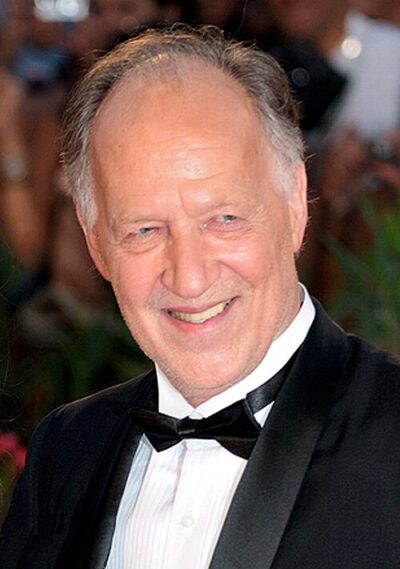 Werner Herzog (2025)German film director, producer, screenwriter, actor and opera director (born 1942)
 Yorgos Lanthimos (2023)Greek filmmaker (born 1973)
 Laura Poitras (2022)American documentary film director and producer (born 1964)
 Chloé Zhao (2020)Chinese filmmaker (born 1982)
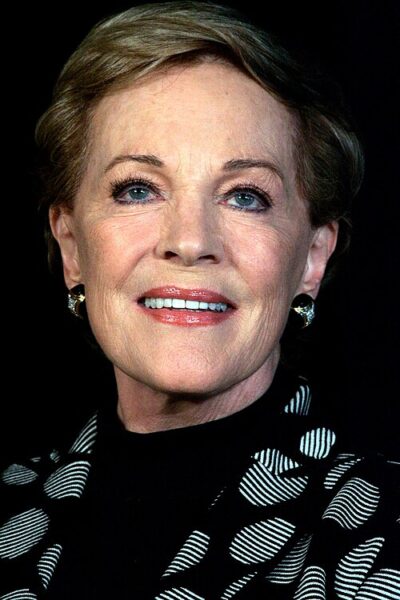 Julie Andrews (2019)British actress, singer and author (born 1935)
 Guillermo del Toro (2017)Mexican filmmaker and author (born 1964)
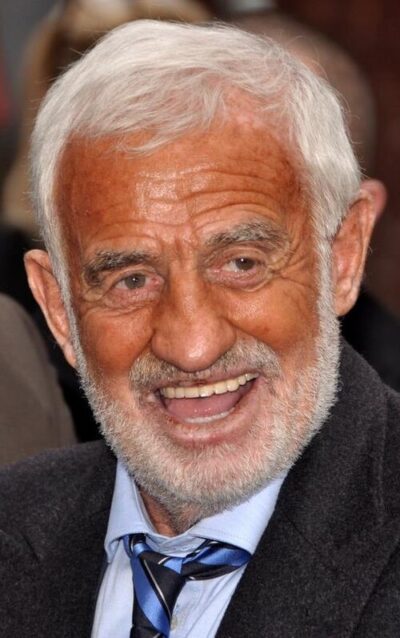 Jean-Paul Belmondo (2016)French actor (1933–2021)
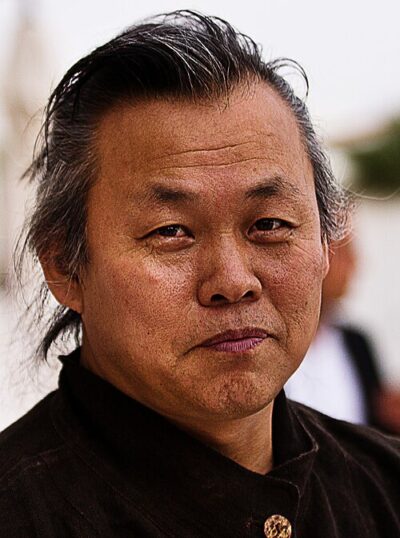 Kim Ki-duk (2012)South Korean film director (1960–2020)
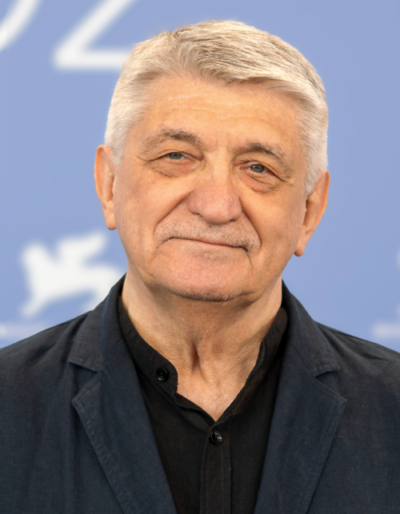 Alexander Sokurov (2011)Russian film director (born 1951)
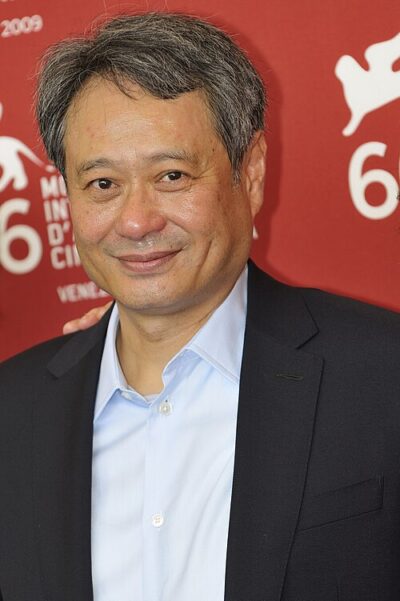 Ang Lee (2007)Taiwanese film director, screenwriter and producer (born 1954)
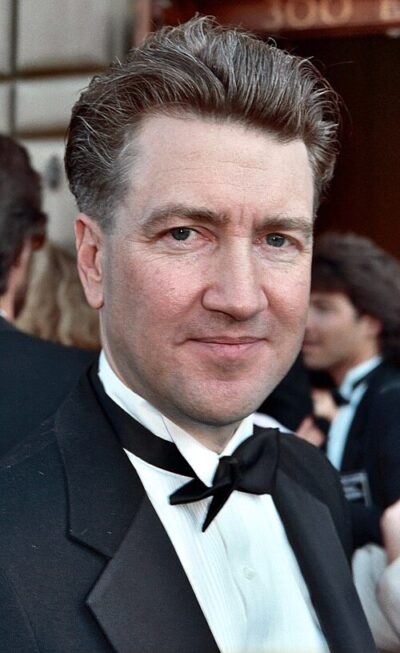 David Lynch (2006)American filmmaker (1946–2025)
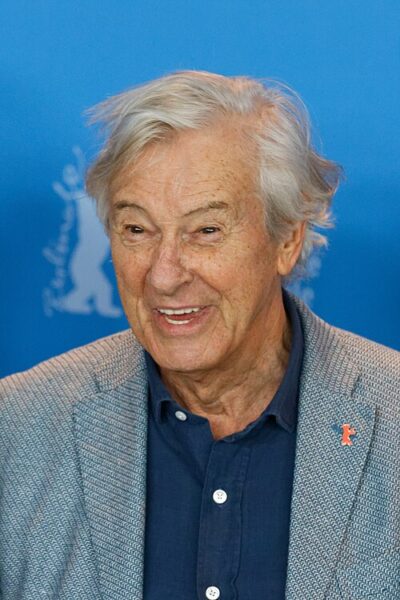 Paul Verhoeven (2006)Dutch film director (born 1938)
 Park Chan-wook (2005)South Korean filmmaker (born 1963)
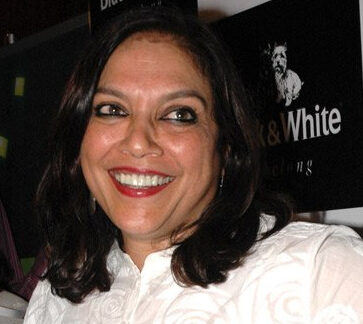 Mira Nair (2001)Indian-American filmmaker (born 1957)
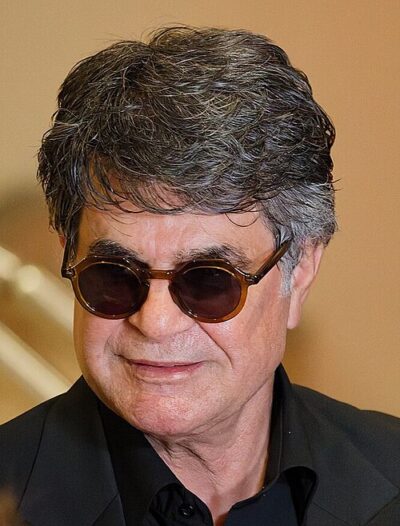 Jafar Panahi (2000)Iranian film director
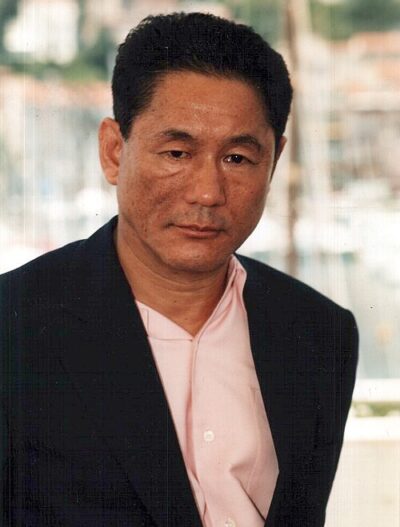 Takeshi Kitano (1997)Japanese film director, comedian, singer, actor, film editor, presenter, screenwriter, author, poet, painter and video game designer (born 1947)
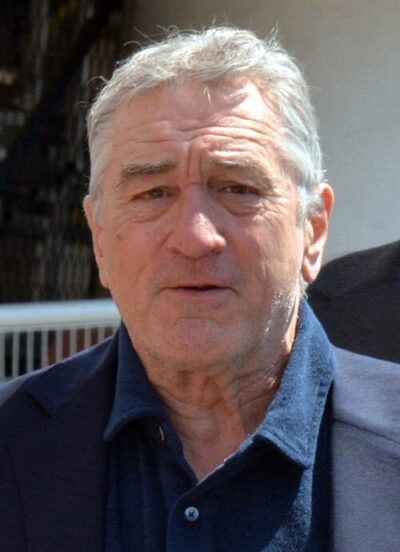 Robert De Niro (1993)American actor (born 1943)
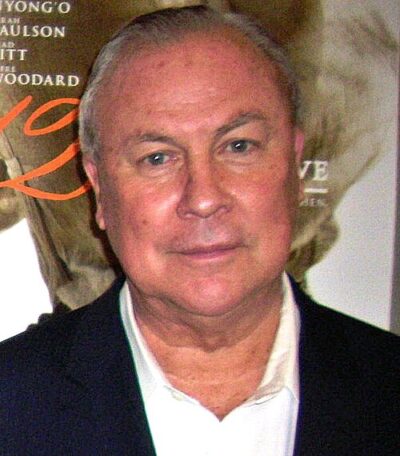 Robert Wilson (1993)American stage director and playwright (1941–2025)
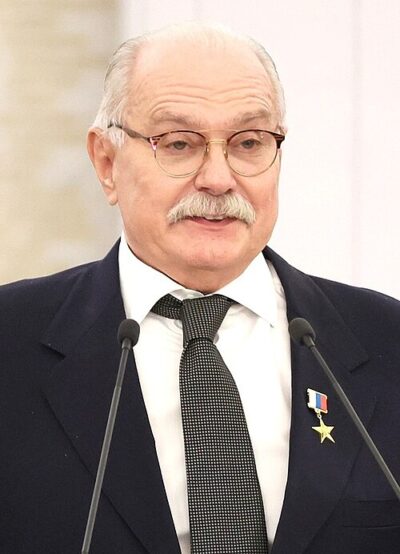 Nikita Mikhalkov (1991)Russian film director, writer, producer and actor (born 1945)
 Éric Rohmer (1986)French film director (1920-2010)
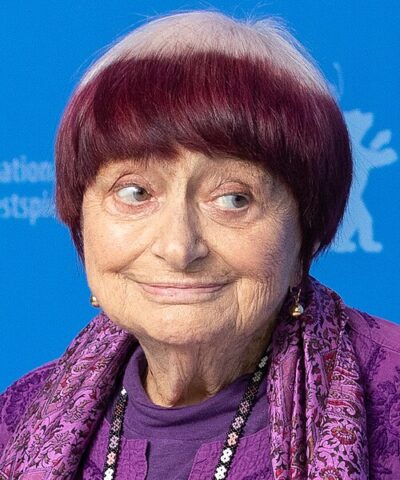 Agnès Varda (1985)French artist, film director, screenwriter and photographer (1928–2019)
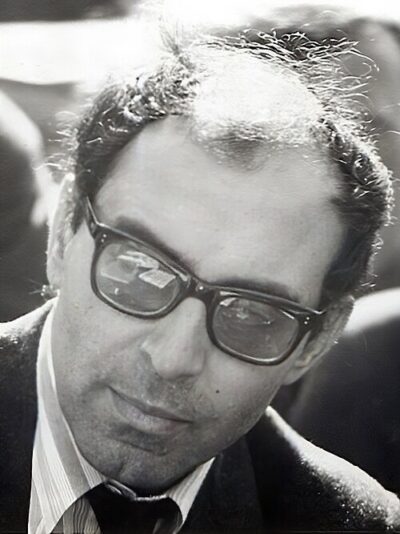 Jean-Luc Godard (1983)French and Swiss film director (1930–2022)
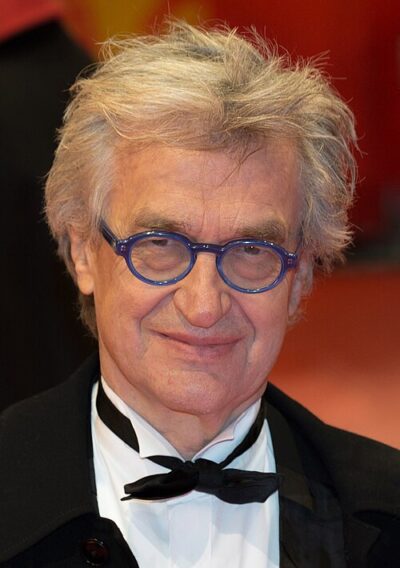 Wim Wenders (1982)German filmmaker (born 1945)
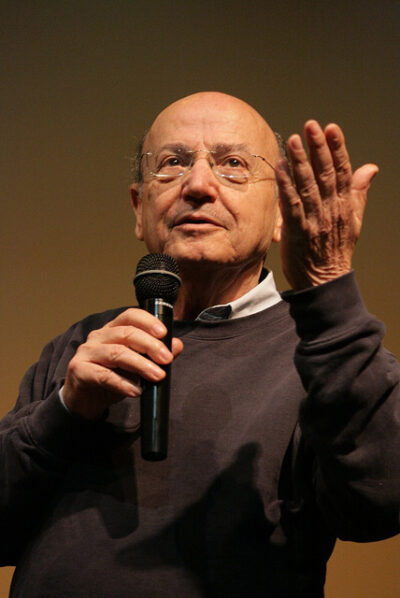 Thodoros Angelopoulos (1980)Greek film director, screenwriter and film producer (1935–2012)
and 19 more
