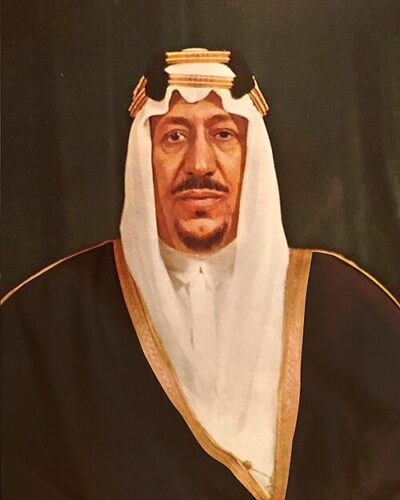
heir apparent
Heir apparent is a person who is first in line of succession and cannot be displaced from inheriting, except by death or a change in the rules of succession.
All 1 facts, and where they come from
Facts
1 facts · 0 confirmed by two sources · 0 cited · 1 from one source
Where this comes from
Papalocal keeps its own record. It started from these sources; what each one said is kept here as it was copied, so a change on their side never changes this page by itself. Tap one to read its version.
What Wikidata says · copied November 16, 2026 · revision 2553540185
- Described as
- person who is first in line of succession and cannot be displaced from inheriting, except by death or a change in the rules of succession
- Other names
- heiress apparent
- What it is
- position
- Wikipedias with a page
- 33
Wikidata item Q2762318 (wikidata.org/wiki/Q2762318), public domain (CC0). Copied 2026-11-16.
What Wikipedia says · copied November 16, 2026 · revision 1377323908
An heir apparent is the first person in the order of succession and who cannot be displaced from inheriting by the birth of another person, assuming no change in the laws governing succession. A person who is currently first in the order of succession but could be displaced by the birth of a more eligible heir is an heir presumptive.
Today these terms most commonly describe heirs to hereditary titles (e.g. titles of nobility) or offices, especially when only inheritable by a single person.
Most monarchies designate the heir apparent as crown prince or crown princess, though many also grant them a specific substantive title: Prince of Orange in the Netherlands, Duke of Brabant in Belgium, Prince of Asturias in Spain (or Princess of Asturias, granted to female heirs presumptive), Prince of Wales in England and Wales; formerly Dauphin in the Kingdom of France, and Tsesarevich in Imperial Russia.
Metaphorically, an heir apparent may also be an expected successor to some position of power, such as a political or corporate leader.
This article primarily describes heirs apparent in a hereditary system regulated by laws of primogeniture—it may be less applicable to cases where a monarch has a say in naming the heir (performed either while alive, e.g. crowning the heir as a rex iunior, or through the monarch's will).
From the Wikipedia article “Heir apparent” (en.wikipedia.org/wiki/Heir_apparent), by its contributors, under CC BY-SA 4.0 (creativecommons.org/licenses/by-sa/4.0/). Copied 2026-11-16; not changed.
Confirmed Two sources agree. Cited One source, and it names where it got it. One source One source, without a reference of its own. Sources disagree The sources disagree. We show the best-supported value and keep theirs below.
People connected 14
Held this office
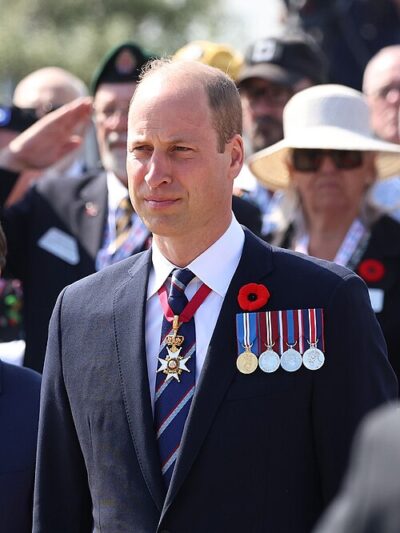 William, Prince of Wales (2021–2022)heir apparent to the throne of the United Kingdom and 14 Commonwealth Realms
- PPrince Archie (2019–)son of Prince Harry, Duke of Sussex, and Meghan Markle
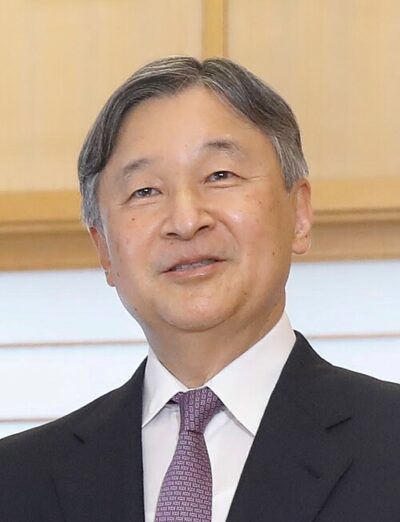 Naruhito (1989–2019)Emperor of Japan (born 1960)
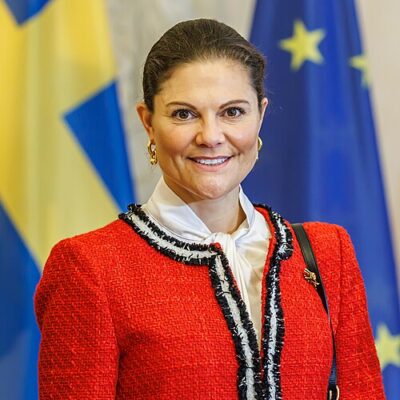 Victoria, Crown Princess of Sweden (1980–)heir apparent to the Swedish throne and eldest child of King Carl XVI Gustaf
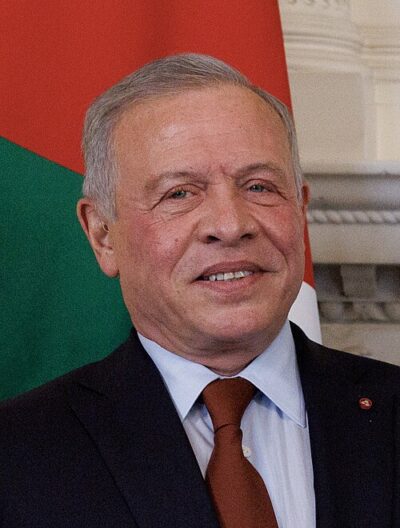 Abdullah II of Jordan (1962–1999)King of the Hashemite Kingdom of Jordan
 Albert II, Prince of Monaco (1958–2005)Prince of Monaco (born 1958)
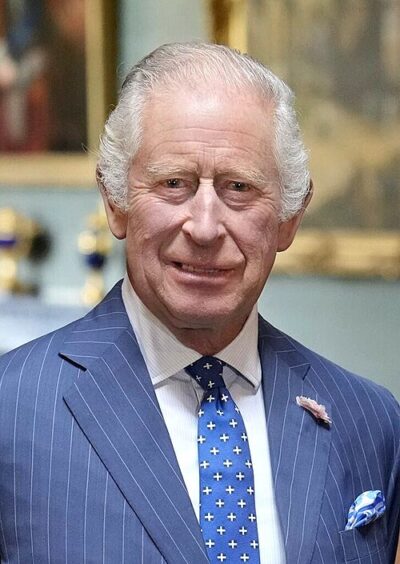 Charles III (1948–2021)King of the United Kingdom since 2022 (born 1948)
 Hans-Adam II, Prince of Liechtenstein (1945–1989)monarch of Liechtenstein (born 1945)
- CChristopher Vane, 10th Baron Barnard (1917–1918)British noble and military officer
 Alexei Nikolaevich, Tsarevich of Russia (1904–1917)Last Russian tsesarevich and heir apparent of the Russian Empire (1904–1918); youngest child of Nicholas II and Alexandra Feodorovna (Alix of Hesse)
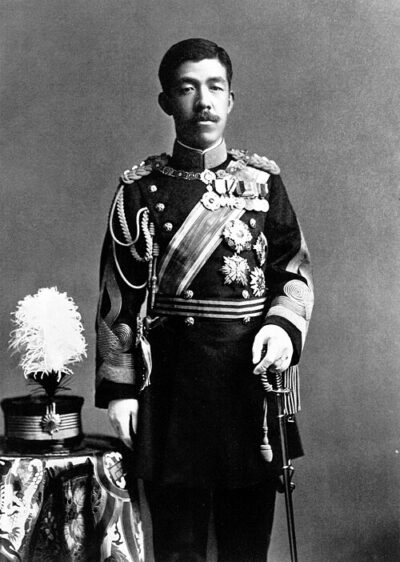 Emperor Taishō (1887–1912)Emperor of Japan from 1912 until 1926
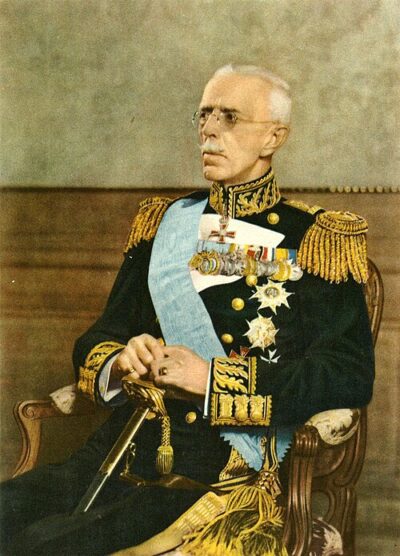 Gustaf V of Sweden (1872–1907)King of Sweden from 1907 to 1950
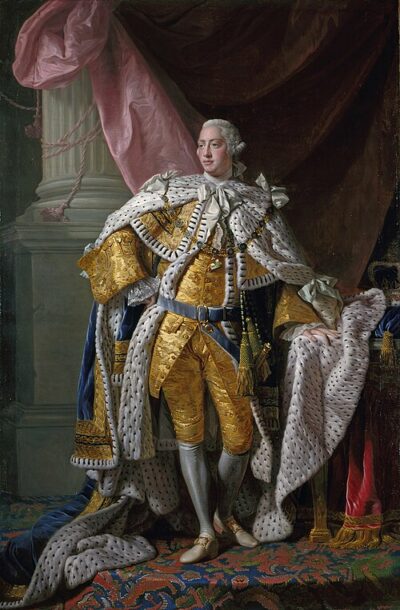 George III of Great Britain (1751–1760)King of Great Britain and Ireland from 1760 to 1820 (1738–1820)