
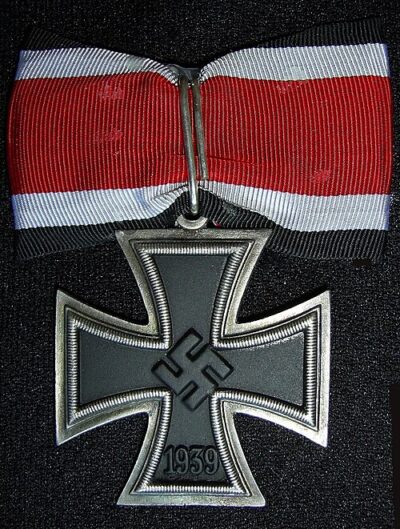
Knight's Cross of the Iron Cross
Knight's Cross of the Iron Cross is the highest military award of Nazi Germany with four higher grades (1939–1945).
- Country
- Nazi Germany
- Created
- September 1, 1939
All 6 facts, and where they come from
Facts
6 facts · 0 confirmed by two sources · 0 cited · 6 from one source
Where this comes from
Papalocal keeps its own record. It started from these sources; what each one said is kept here as it was copied, so a change on their side never changes this page by itself. Tap one to read its version.
What Wikidata says · copied November 17, 2026 · revision 2549841422
- Described as
- highest military award of Nazi Germany with four higher grades (1939–1945)
- Other names
- Knight's Cross, Ritterkreuz des Eisernen Kreuzes
- What it is
- grade of an order; cross · 1 reference; order, decoration, or medal of Nazi Germany
- Created
- September 1, 1939 · 1 reference
- Country
- Nazi Germany
- Owned by
- recipient of the Knight's Cross of the Iron Cross
- Wikipedias with a page
- 34
Wikidata item Q165558 (wikidata.org/wiki/Q165558), public domain (CC0). Copied 2026-11-17.
What Wikipedia says · copied November 17, 2026 · revision 1386192130
The Knight's Cross of the Iron Cross (German: Ritterkreuz des Eisernen Kreuzes), or simply the Knight's Cross (Ritterkreuz), and its variants, were the highest awards in the military and paramilitary forces of Nazi Germany during World War II. Of superior distinction to the 1939 Iron Cross, it was the highest award among the decorations of Nazi Germany (except for the unique Grand Cross of the Iron Cross awarded to Reichsmarschall Hermann Göring in July 1940). Over 7,000 Knight's Crosses were awarded during the war.
The Knight's Cross was awarded for a wide range of achievements across all ranks, from a senior commander for skilled battle leadership, to a low-ranking soldier for an act of extraordinary military valour. Presentations were made to members of the three military branches of the Wehrmacht: the Heer (army), the Kriegsmarine (navy) and the Luftwaffe (air force), as well as the Waffen-SS, the Reich Labour Service and the Volkssturm (German People storm militia), as well as to personnel from other Axis powers.
The award was instituted on 1 September 1939, at the onset of the German invasion of Poland, to replace the many older neck-worn merit and bravery awards of the German Empire. A higher grade, the Oak Leaves to the Knight's Cross, was instituted in 1940, followed in 1941 by two yet higher grades, the Knight's Cross with Oak Leaves and Swords, and the Knight's Cross with Oak Leaves, Swords and Diamonds. At the end of 1944, the final grade was created, the Knight's Cross with Golden Oak Leaves, Swords, and Diamonds.
From the Wikipedia article “Knight's Cross of the Iron Cross” (en.wikipedia.org/wiki/Knight's_Cross_of_the_Iron_Cross), by its contributors, under CC BY-SA 4.0 (creativecommons.org/licenses/by-sa/4.0/). Copied 2026-11-17; not changed.
Confirmed Two sources agree. Cited One source, and it names where it got it. One source One source, without a reference of its own. Sources disagree The sources disagree. We show the best-supported value and keep theirs below.
Picture: Original uploader was Bruce Marvin at de.wikipedia, via Wikimedia Commons · Public domain
People connected 77
Won it 77
- MMatthäus Hetzenauer (1945)Austrian sniper (1924–2004)
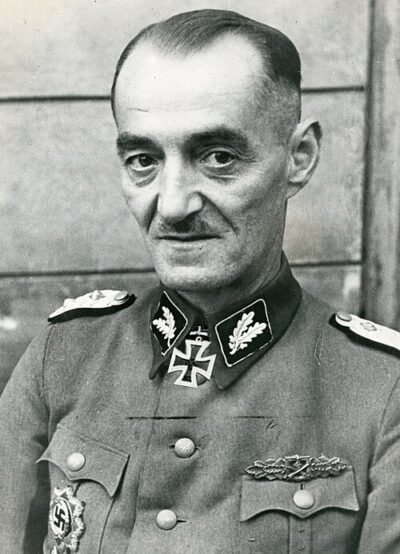 Oskar Dirlewanger (1944)German Nazi military officer and SS Regiment/Brigade Commander (1895–1945)
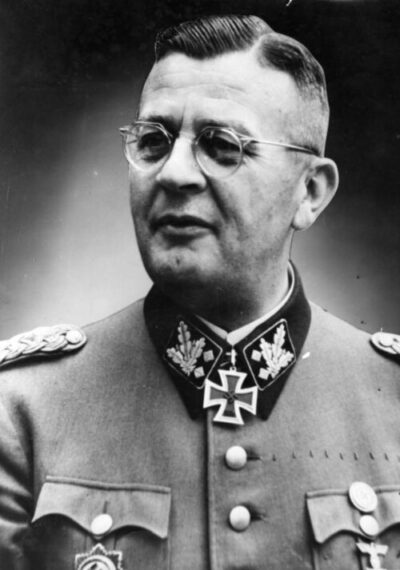 Erich von dem Bach-Zelewski (1944)German politician and SS functionary (1899–1972)
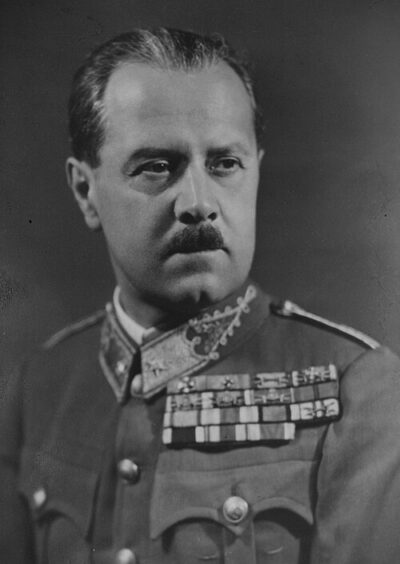 Géza Lakatos (1944)Hungarian general (1890–1967)
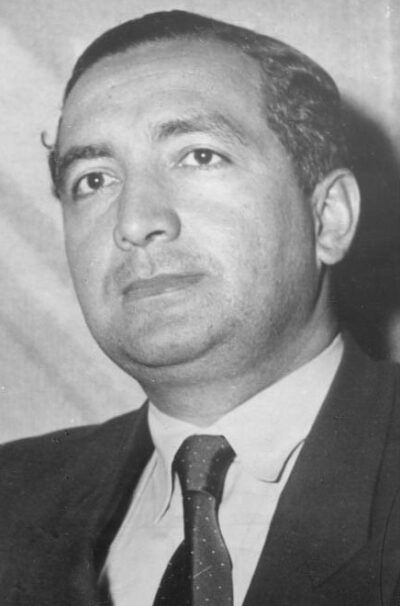 Erich Mende (1944)German politician (1916-1998)
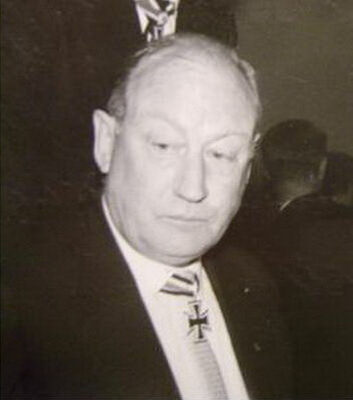 Heinz Lammerding (1944)German general (1905-1971)
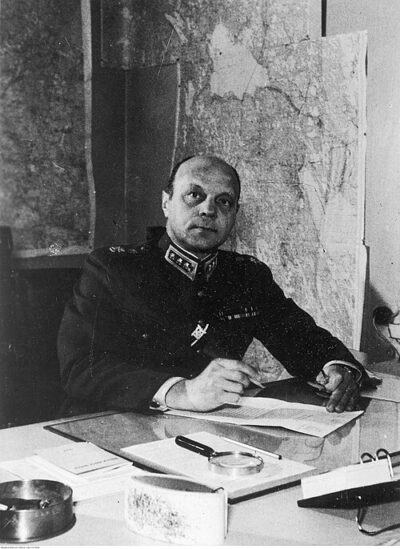 Erik Heinrichs (1944)Finland Swedish general (1890-1965)
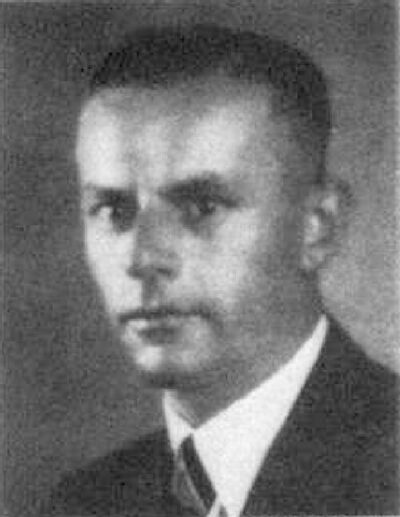 Friedrich-Wilhelm Krüger (1944)German general (1894-1945)
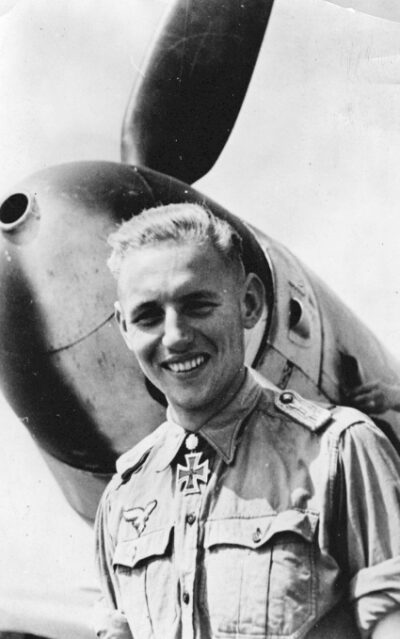 Erich Hartmann (1943)German officer and fighter pilot during World War II (1922–1993)
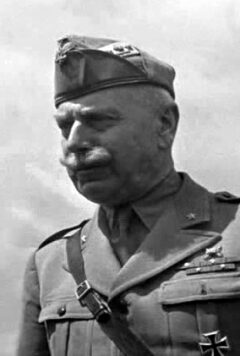 Italo Gariboldi (1943)Italian general (1879-1970)
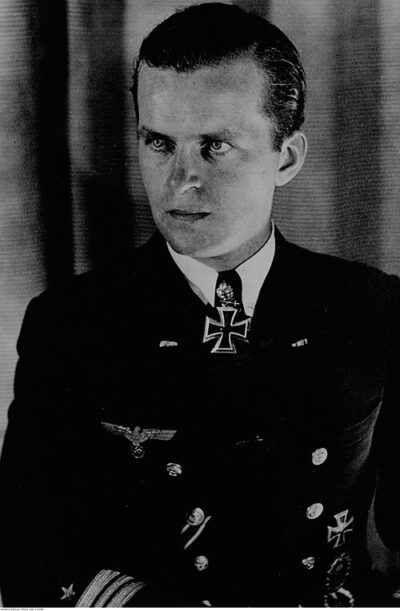 Albrecht Brandi (1943)German navy officer and world war II U-boat commander
 Giovanni Messe (1942)Italian general (1883-1968)
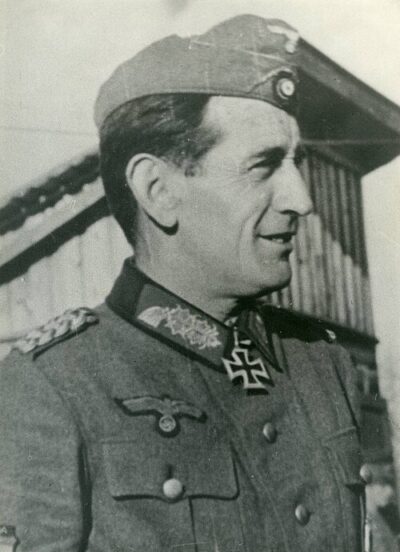 Agustín Muñoz Grandes (1942)Spanish general and politician (1896-1970)
 Erwin Jaenecke (1942)German general (1890–1960)
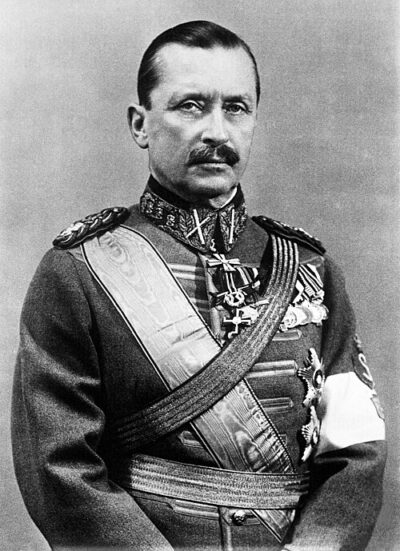 Carl Gustaf Emil Mannerheim (1941)Finnish military leader and statesman (1867–1951)
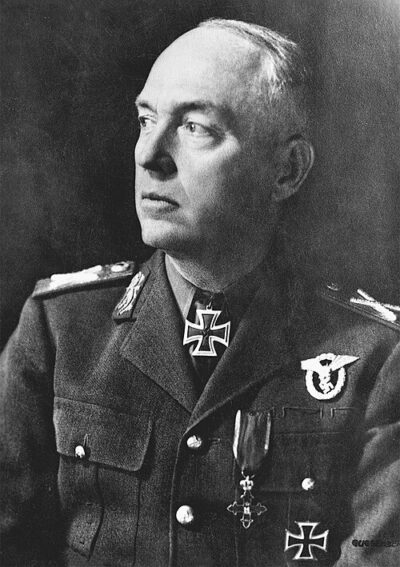 Ion Antonescu (1941)prime minister of Romania during World War II; self-proclaimed "Leader" of the Romanian state between 1940–1944, executed for war crimes (1882–1946)
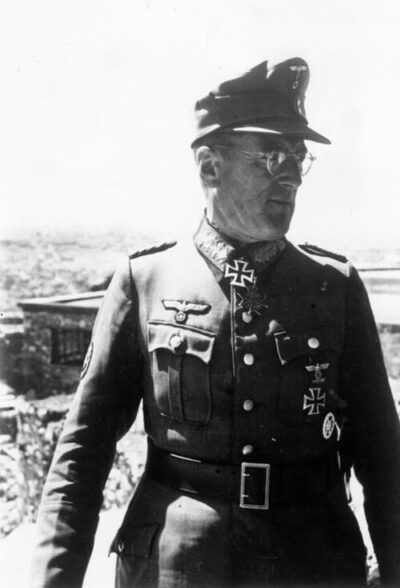 Ferdinand Schörner (1941)German field marshal (1892–1973)
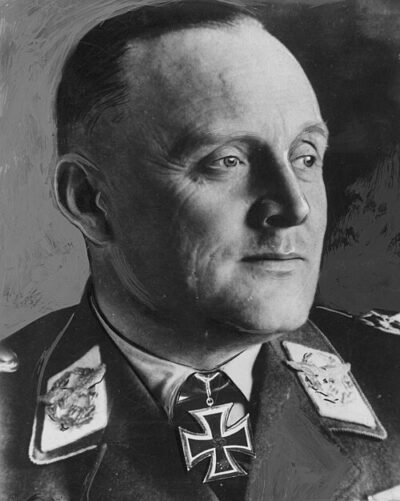 Hans-Jürgen Stumpff (1941)German general (1889–1968)
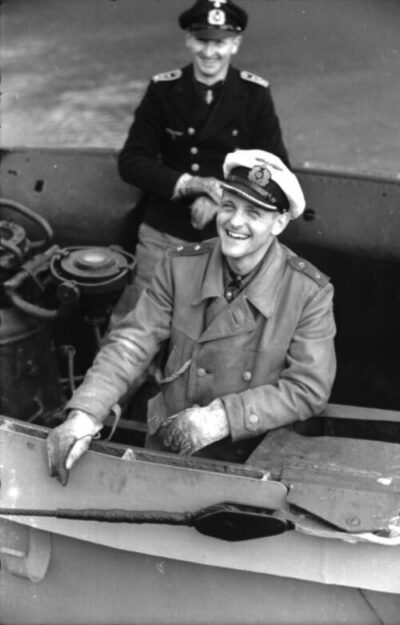 Erich Topp (1941)German admiral and U-boat commander during World War II
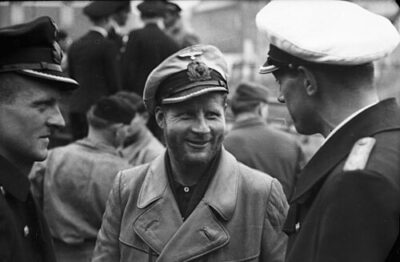 Heinrich Lehmann-Willenbrock (1941)German World War II U-boat captain (1911-1986)
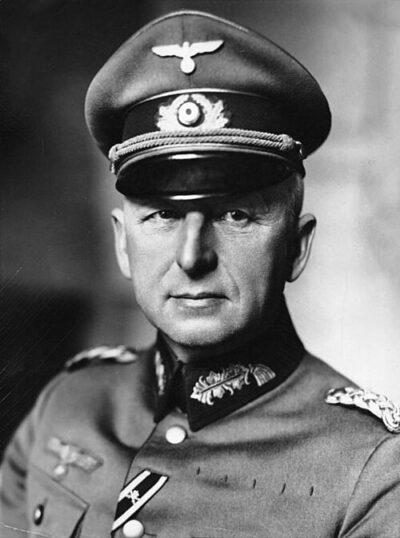 Erich von Manstein (1940)German field marshal (1887-1973)
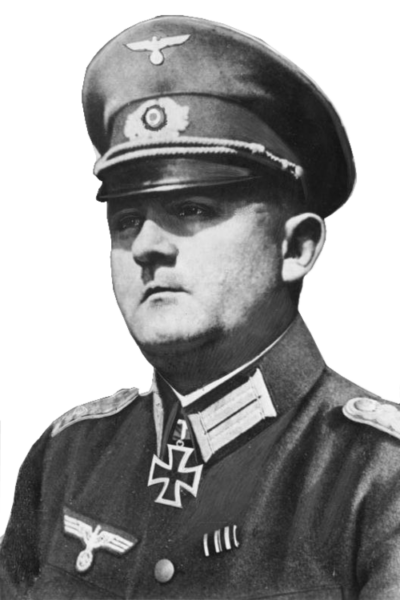 Dietrich von Choltitz (1940)German general (1894-1966)
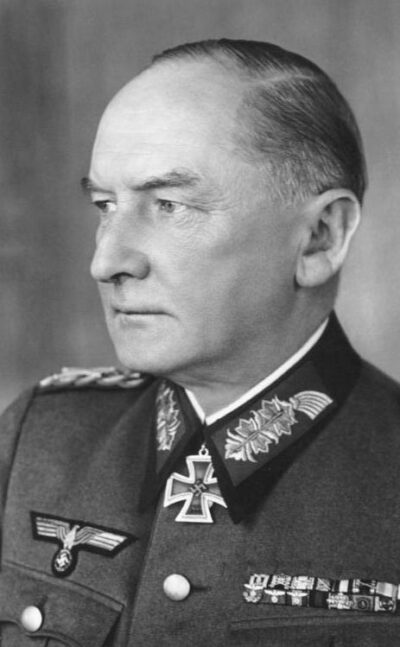 Erwin von Witzleben (1940)German field marshal (1881–1944)
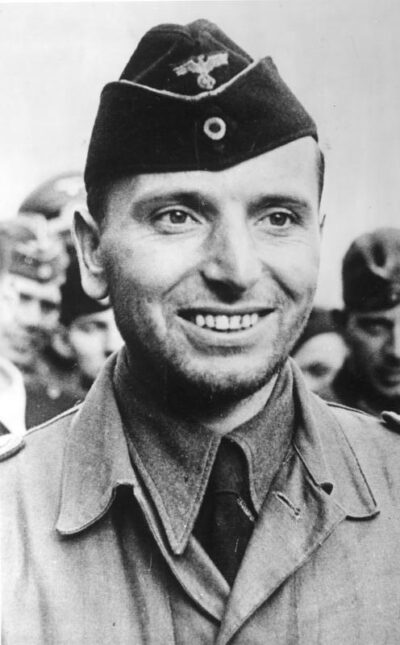 Otto Kretschmer (1940)German admiral and U-boat commander during World War II
and 53 more
