Nazi Germany
Nazi Germany is a Germany from 1933 to 1945 while under control of the Nazi Party. It stands for Nazism.
- Founded
- March 15, 1933
- Country
- German Reich
All 7 facts, and where they come from
Facts
7 facts · 0 confirmed by two sources · 0 cited · 7 from one source
Where this comes from
Papalocal keeps its own record. It started from these sources; what each one said is kept here as it was copied, so a change on their side never changes this page by itself. Tap one to read its version.
What Wikidata says · copied November 18, 2026 · revision 2571150800
- Described as
- Germany from 1933 to 1945 while under control of the Nazi Party
- Other names
- Third Reich, Greater German Reich, Hitler's Third Reich, German Reich, Thousand-Year Reich, Nazi-Germany
- What it is
- historical period (1933–1945); historical country (1945–); sovereign state (1933–1945)
- Founded
- March 15, 1933
- Ended
- May 23, 1945
- Country
- German Reich
- Ideology
- Nazism
- Wikipedias with a page
- 182
Wikidata item Q7318 (wikidata.org/wiki/Q7318), public domain (CC0). Copied 2026-11-18.
What Wikipedia says · copied November 18, 2026 · revision 1386071171
Nazi Germany, officially the German Reich and later the Greater German Reich, was the German state between 1933 and 1945, when Adolf Hitler and the Nazi Party controlled the country, transforming it into a totalitarian dictatorship. The Third Reich, meaning "Third Realm" or "Third Empire", was the Nazi claim that Nazi Germany was the successor to the Holy Roman Empire (800–1806) and the German Empire (1871–1918); the Nazis called it the Thousand-Year Reich, but it ended just 12 years later in May 1945, when the Allies defeated Germany and entered Berlin, ending World War II in Europe.
After Hitler was appointed Chancellor of Germany in 1933, the Nazi Party began to eliminate political opposition and consolidate power. A 1934 referendum confirmed Hitler as sole Führer (leader). Power was centralised in Hitler's person, and his word became the highest law. The government was not a coordinated, cooperating body, but rather a collection of factions struggling to amass power. To address the Great Depression, the Nazis used heavy military spending, extensive public works projects, including the Autobahnen (motorways), and a massive secret rearmament programme, forming the Wehrmacht (armed forces), all financed by deficit spending. The return to economic stability and end of mass unemployment boosted the regime's popularity. Hitler made increasingly aggressive territorial demands, seizing Austria in the Anschluss of 1938 and the Sudetenland region of Czechoslovakia. Germany signed a non-aggression pact with the Soviet Union and invaded Poland in 1939, launching World War II in Europe. In alliance with Fascist Italy and other Axis powers, Germany conquered most of Europe by 1940, but failed to subdue Britain.
Racism, Nazi eugenics, anti-Slavism, and especially antisemitism were central ideological features of the regime. The Nazis considered Germanic peoples to be the "master race", the purest branch of the Aryan race. Jews, Slavs, Romani people, homosexuals, liberals, socialists, communists, other political opponents, Jehovah's Witnesses, Freemasons, those who refused to work and other "undesirables" were imprisoned, deported or murdered. Christian churches and citizens that opposed Hitler's rule were oppressed and opposition leaders were imprisoned. Education focused on racial biology, population policy and fitness for military service. Career and educational opportunities for women were curtailed. The Nazi Propaganda Ministry disseminated films and antisemitic canards, and organised mass rallies, fostering a pervasive cult of personality around Hitler to influence public opinion. The government controlled artistic expression, promoting specific art forms and banning or discouraging others. Genocide, mass murder and large-scale forced labour became hallmarks of the regime; the implementation of its racial policies culminated in the Holocaust.
After invading the Soviet Union in 1941, Nazi Germany implemented the Generalplan Ost and Hunger Plan, as part of its war of extermination in Eastern Europe. The Soviet resurgence and entry of the United States into the war meant Germany lost the initiative in 1943, and by late 1944, had been pushed back to the 1939 border. Large-scale aerial bombing of Germany escalated, and the Axis powers were driven back in Eastern and Southern Europe. Germany was conquered by the Soviet Union from the east and the other allies from the west, and capitulated in 1945. Hitler's refusal to admit defeat led to massive destruction of German infrastructure and additional war-related deaths in the closing months of the war. The Allies subsequently initiated a policy of denazification and put many of the surviving Nazi leadership on trial for war crimes at the Nuremberg trials.
From the Wikipedia article “Nazi Germany” (en.wikipedia.org/wiki/Nazi_Germany), by its contributors, under CC BY-SA 4.0 (creativecommons.org/licenses/by-sa/4.0/). Copied 2026-11-18; not changed.
Confirmed Two sources agree. Cited One source, and it names where it got it. One source One source, without a reference of its own. Sources disagree The sources disagree. We show the best-supported value and keep theirs below.
People connected 191
Citizen of 189
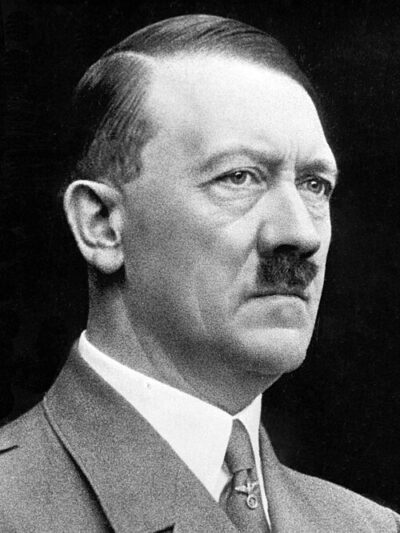 Adolf Hitler (1933–)Dictator of Germany from 1933 to 1945 (1889–1945)
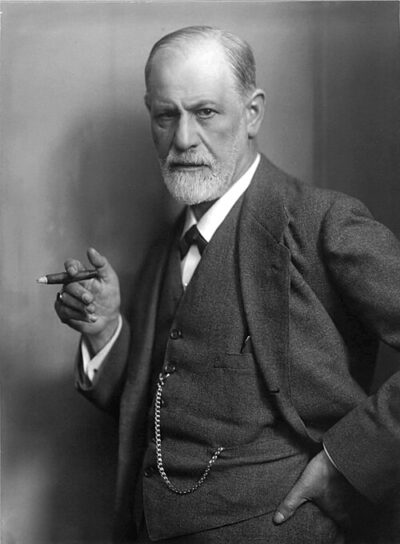 Sigmund Freud (1938–)Austrian psychiatrist and founder of psychoanalysis (1856–1939)
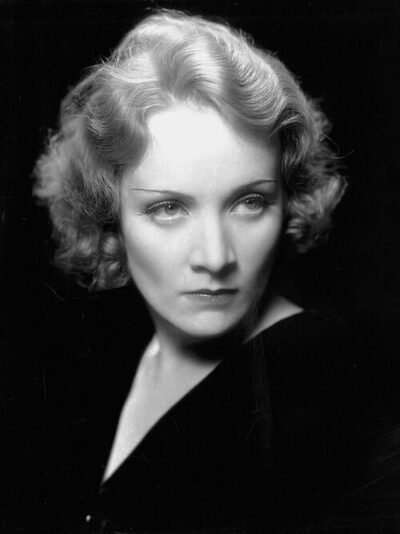 Marlene Dietrich (1933–1939)German and American actress and singer (1901–1992)
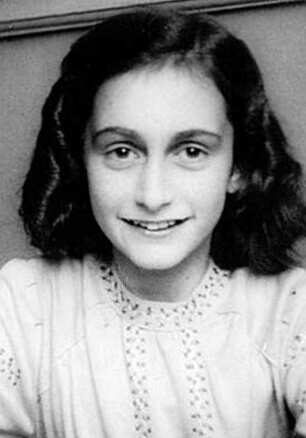 Anne Frank (–1941)German-born Dutch Jewish diarist and Holocaust victim (1929–1945)
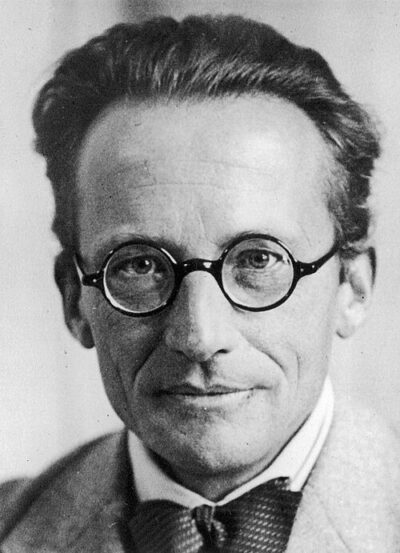 Erwin SchrödingerAustrian physicist (1887–1961)
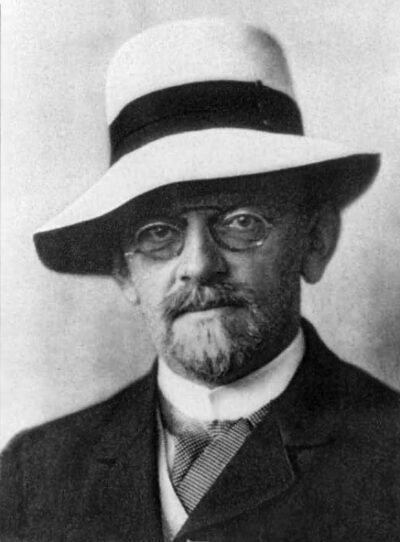 David HilbertGerman mathematician (1862–1943)
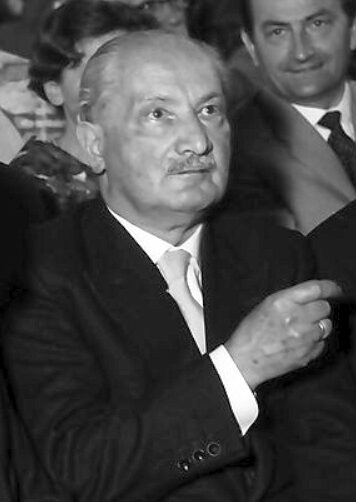 Martin HeideggerGerman philosopher (1889–1976)
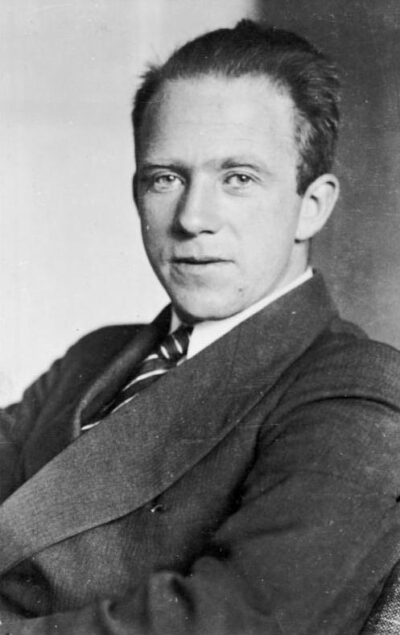 Werner HeisenbergGerman theoretical physicist and nobel prize winner (1901–1976)
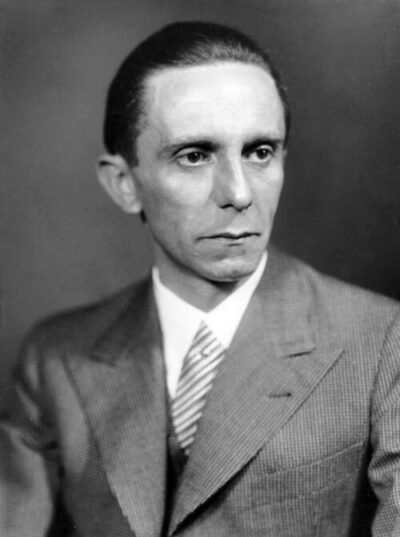 Joseph GoebbelsNazi politician and Propaganda Minister (1897–1945)
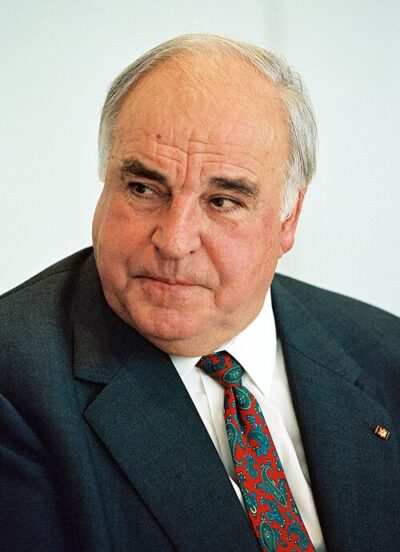 Helmut Kohl (1933–1945)Chancellor of West Germany and reunified Germany (1982–1998)
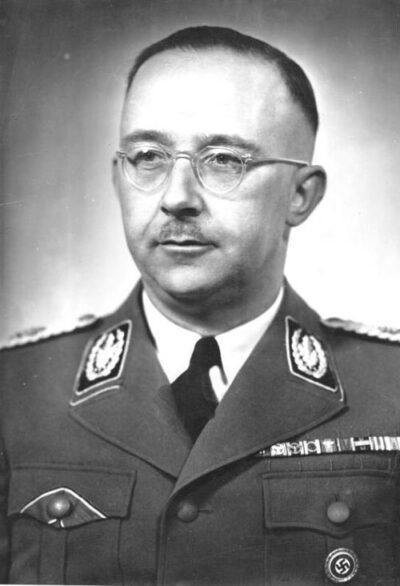 Heinrich Himmler (1923–)German Nazi politician; leader of the German SS & main architect of the Holocaust (1900-1945)
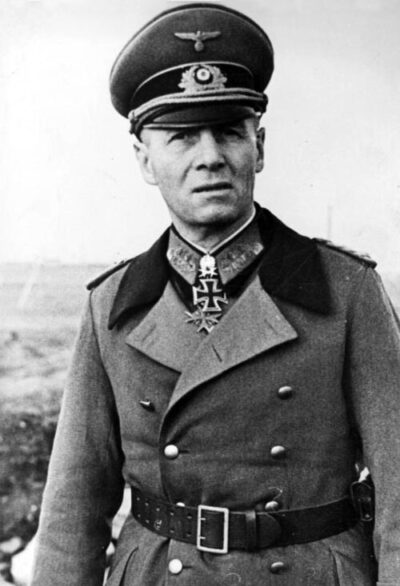 Erwin RommelGerman field marshal (1891–1944)
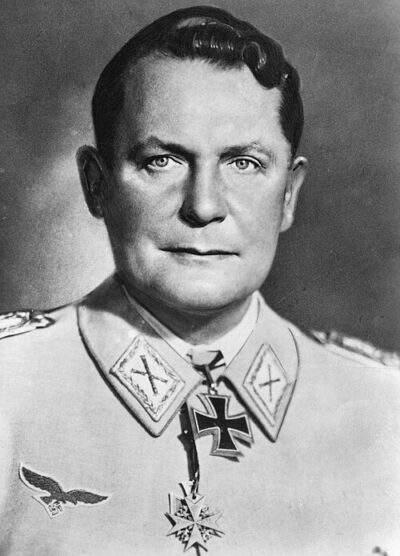 Hermann GöringGerman Nazi politician, military leader, and convicted war criminal (1893–1946)
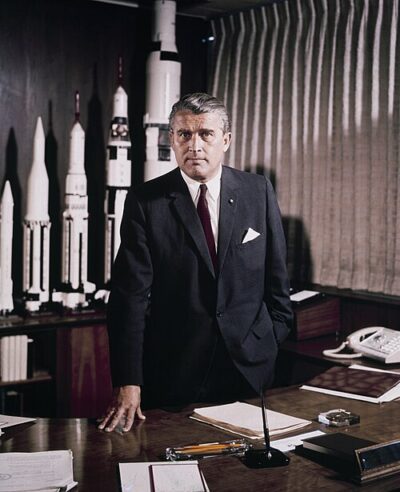 Wernher von BraunGerman and later American aerospace engineer and space architect (1912–1977)
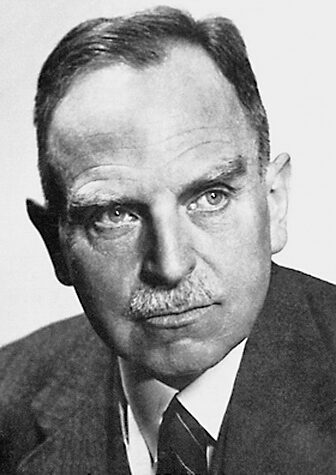 Otto HahnGerman chemist and physicist (1879–1968)
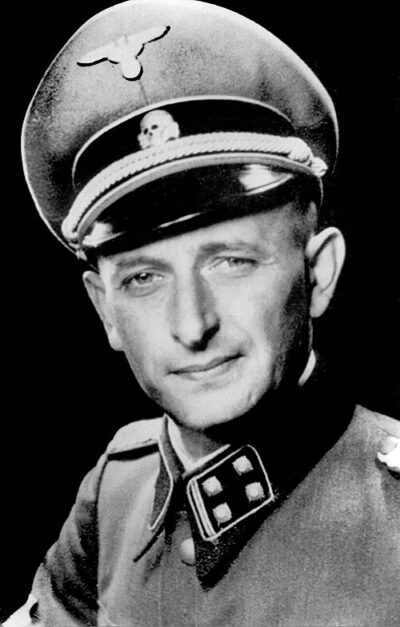 Adolf EichmannGerman-Austrian SS officer and one of the major organizers of the Holocaust (1906–1962)
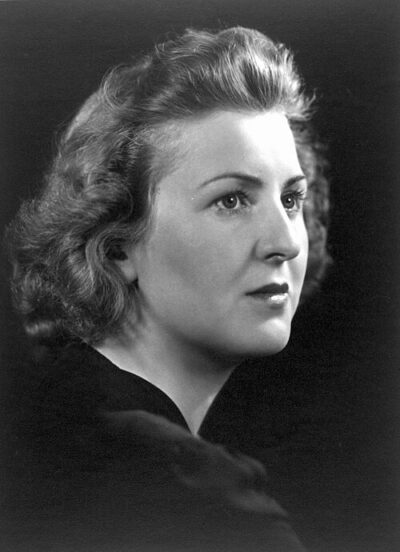 Eva Braun (1933–)photographer, longtime companion and later wife of Adolf Hitler (1912–1945)
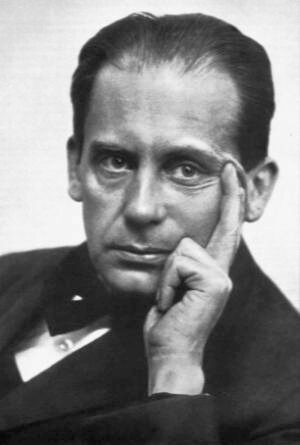 Walter GropiusGerman-American architect (1883–1969)
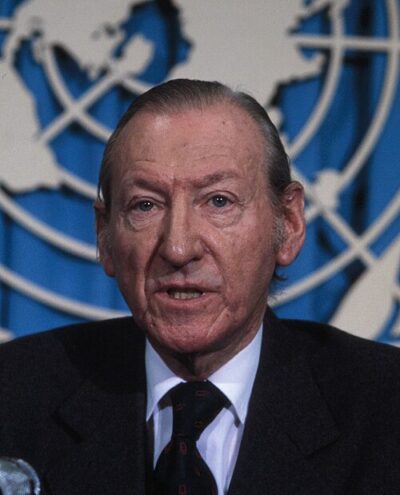 Kurt WaldheimAustrian politician and diplomat (1918–2007)
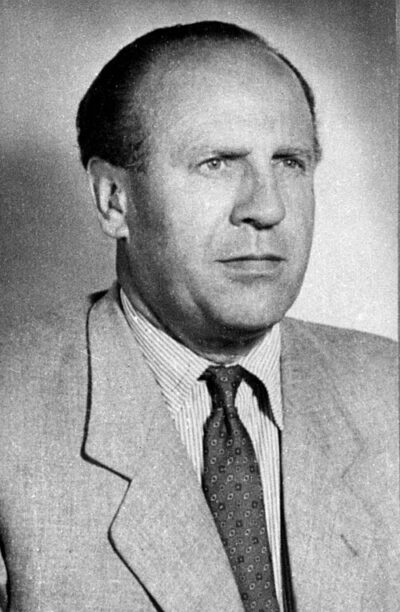 Oskar SchindlerGerman industrialist and Holocaust rescuer (1908–1974)
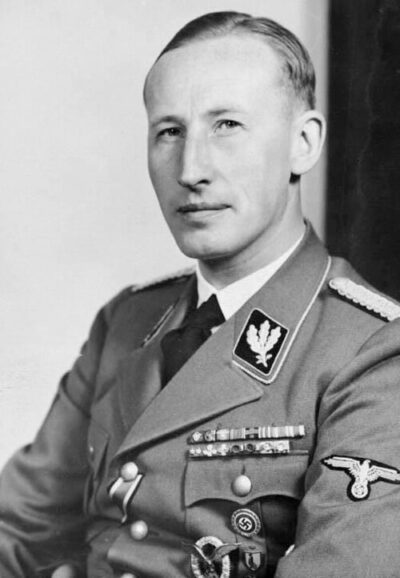 Reinhard HeydrichGerman Nazi SS and Gestapo police official and main architect of the Holocaust Genocide (1904-1942)
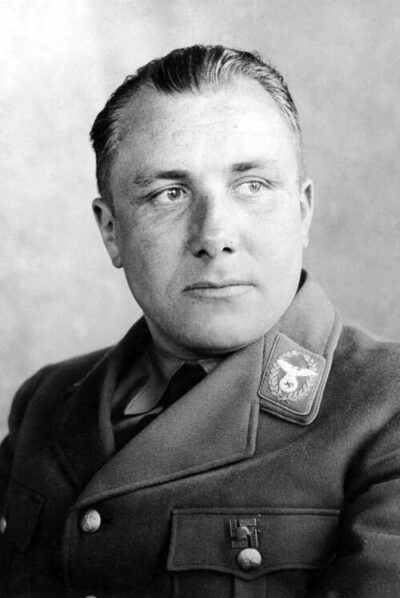 Martin BormannGerman Nazi Party official and head of the Nazi Party Chancellery (1900–1945)
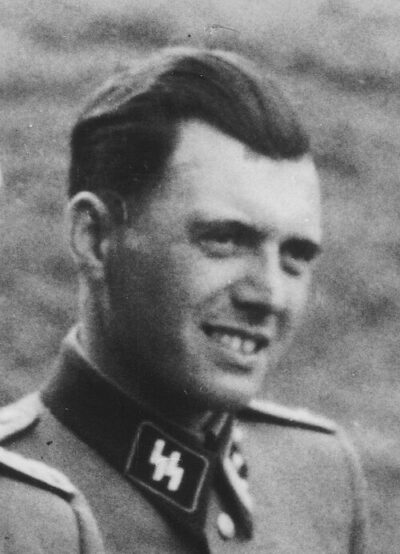 Josef MengeleNazi SS doctor and Military Officer at Auschwitz (1911–1979)
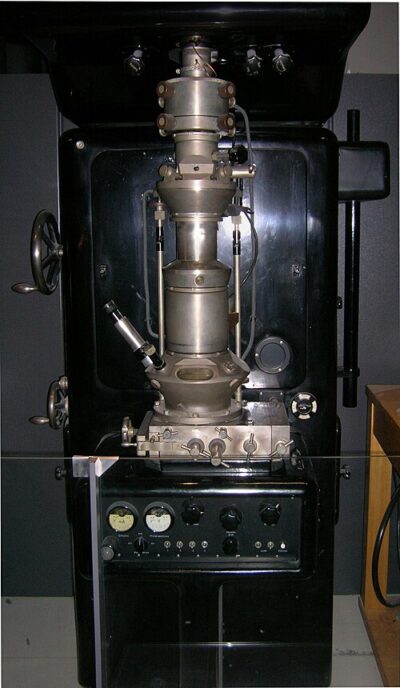 Ernst Ruska (1933–1945)German physicist (1906–1988)
and 165 more