

Los Alamos National Laboratory
Los Alamos National Laboratory is a research laboratory initially involved in the design of nuclear weapons. It was founded in 1943. It has 14,150 employees.
- Founded
- 1943
- Headquarters
- Los Alamos
- Industry
- formal science
- Employees
- 14,150
- Country
- United States
All 11 facts, and where they come from
Facts
11 facts · 0 confirmed by two sources · 2 cited · 9 from one source
Where this comes from
Papalocal keeps its own record. It started from these sources; what each one said is kept here as it was copied, so a change on their side never changes this page by itself. Tap one to read its version.
What Wikidata says · copied November 16, 2026 · revision 2564426656
- Described as
- research laboratory initially involved in the design of nuclear weapons
- Other names
- Project Y, Los Alamos National Laboratories, LANL, Los Alamos Laboratory, Los Alamos Scientific Laboratory
- What it is
- United States national laboratory; facility
- Founded
- 1943
- Headquarters
- Los Alamos
- Located in
- Los Alamos County · 1 reference
- Country
- United States · 1 reference
- Industry
- formal science; national security
- Employees
- 14,150
- Part of
- United States Department of Energy · 1 reference
- Official website
- https://www.lanl.gov/
- Wikipedias with a page
- 47
Wikidata item Q379848 (wikidata.org/wiki/Q379848), public domain (CC0). Copied 2026-11-16.
What Wikipedia says · copied November 16, 2026 · revision 1384724089
Los Alamos National Laboratory (often shortened as Los Alamos and LANL) is one of the sixteen research and development laboratories of the United States Department of Energy (DOE), located a short distance northwest of Santa Fe, New Mexico, in the American southwest. Best known for its central role in helping develop the first atomic bomb, LANL is one of the world's largest and most advanced scientific institutions.
Los Alamos was established in 1943 as Project Y, a top-secret site for designing and assembling nuclear weapons under the Manhattan Project during World War II. This included both nuclear weapons used in the atomic bombings of Hiroshima and Nagasaki in August 1945, as well as Trinity, the first nuclear test, a month prior. Chosen for its remote yet relatively accessible location, it served as the main hub for conducting and coordinating nuclear research, bringing together some of the world's most famous scientists, among them numerous Nobel Prize winners. The town of Los Alamos, directly north of the lab, grew extensively through this period.
After the war ended in 1945, Project Y's existence was made public, and it became known universally as Los Alamos. In 1952, the Atomic Energy Commission formed a second design lab under the direction of the University of California, Berkeley, which became Lawrence Livermore National Laboratory (LLNL); the two labs competed on a wide variety of bomb designs. As the Cold War and its nuclear arms race began, Los Alamos remained central to the US effort. Under the "Super" program, Los Alamos physicists including Edward Teller and Stanisław Ulam developed the world's first thermonuclear weapons, Greenhouse George and Ivy Mike.Los Alamos subsequently produced the neutron bomb. The lab was involved in the origins of supercomputers, to further warhead development. Los Alamos also pioneered more fundamental nuclear research, including particle accelerators and nuclear fusion power experiments.
With the end of the Cold War and US nuclear testing, Los Alamos took on a central role in the US warhead stockpile stewardship program, via its Dual-Axis Radiographic Hydrodynamic Test Facility and Neutron Science Center. Los Alamos also expanded civilian work, and today conducts multidisciplinary research in fields such as national security, space exploration, nuclear fusion, renewable energy, medicine, nanotechnology, and supercomputing.
While owned by the federal government, LANL is privately managed and operated by Triad National Security, LLC.
From the Wikipedia article “Los Alamos National Laboratory” (en.wikipedia.org/wiki/Los_Alamos_National_Laboratory), by its contributors, under CC BY-SA 4.0 (creativecommons.org/licenses/by-sa/4.0/). Copied 2026-11-16; not changed.
Confirmed Two sources agree. Cited One source, and it names where it got it. One source One source, without a reference of its own. Sources disagree The sources disagree. We show the best-supported value and keep theirs below.
Picture: Wikimedia Commons: Los Alamos aerial view.jpeg · See Commons file page
People connected 17
Worked here
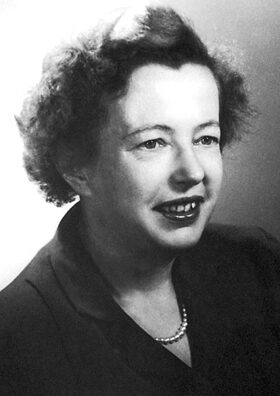 Maria Göppert Mayer (1945–)German-born American theoretical physicist (1906-1972)
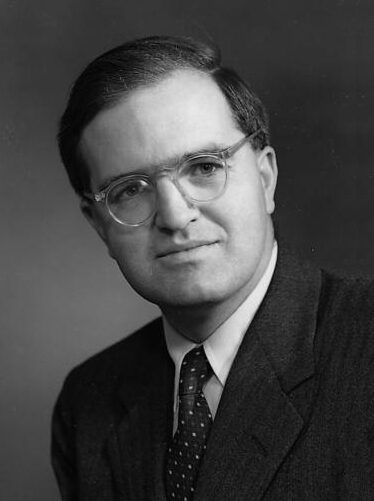 Aage BohrDanish physicist (1922–2009)
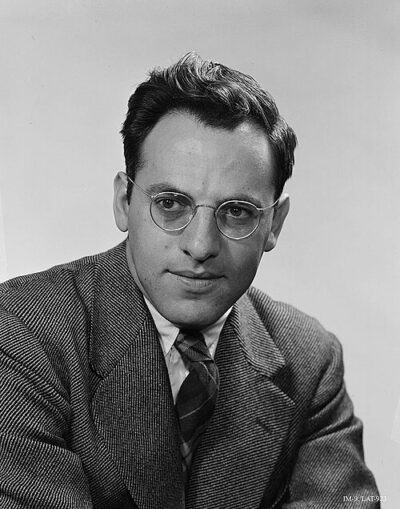 Frederick ReinesAmerican physicist (1918–1998)
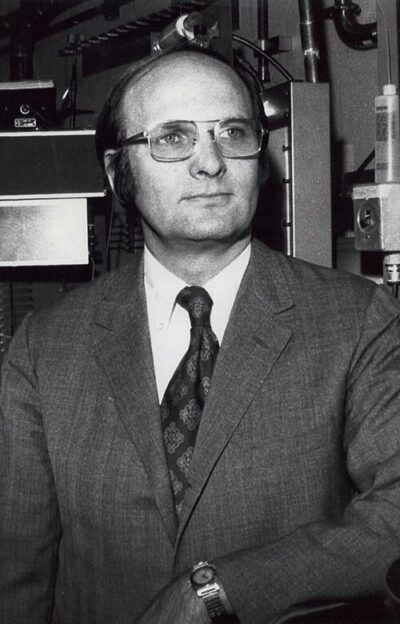 John Robert Schrieffer (1991–2006)American physicist (1931-2019)
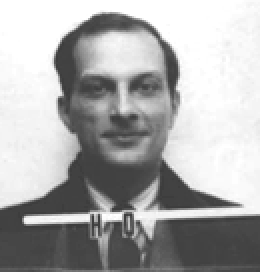 Stanisław Ulam (1943–1965)Polish-American mathematician (1909–1984)
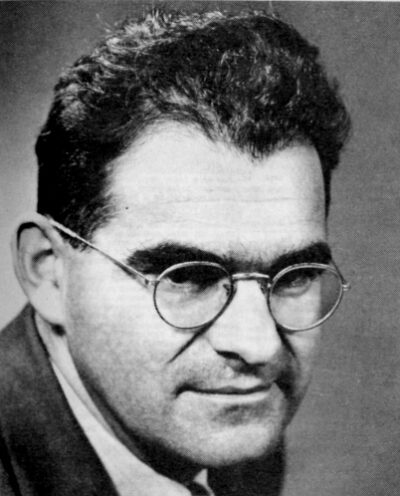 Victor WeisskopfAustrian American theoretical physicist (1908–2002)
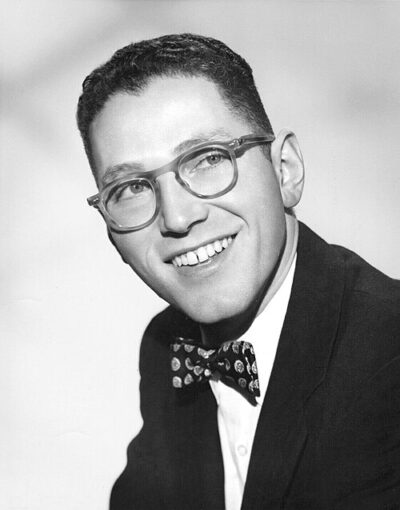 Tom LehrerAmerican musician (1928–2025)
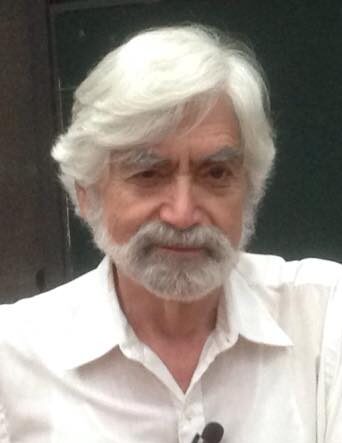 George ZweigAmerican physicist
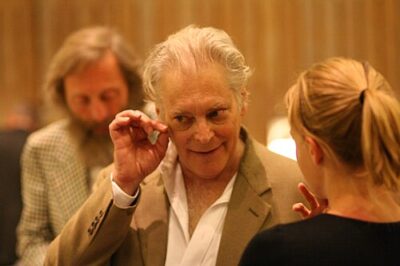 Mitchell FeigenbaumAmerican mathematical physicist (1944–2019)
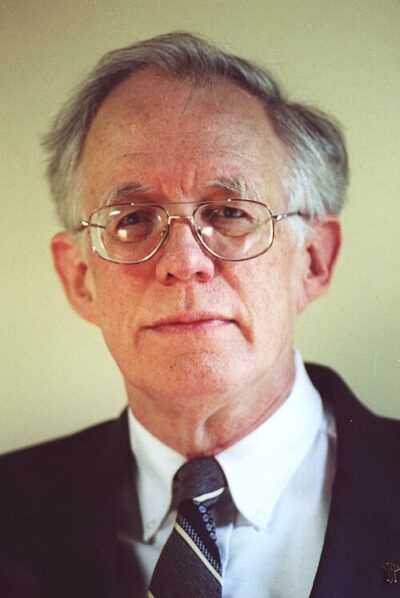 William Luther PierceAmerican neo-Nazi (1933–2002)
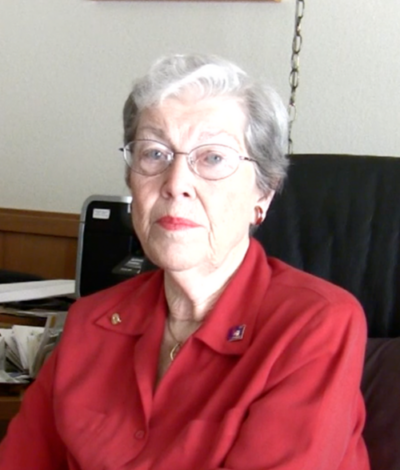 Darleane C. Hoffman (1953–1984)American nuclear chemist
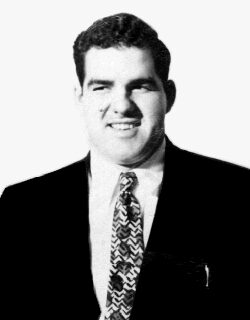 Harry K. Daghlian, Jr.1940s physicist who died of radiation poisoning (1921–1945)
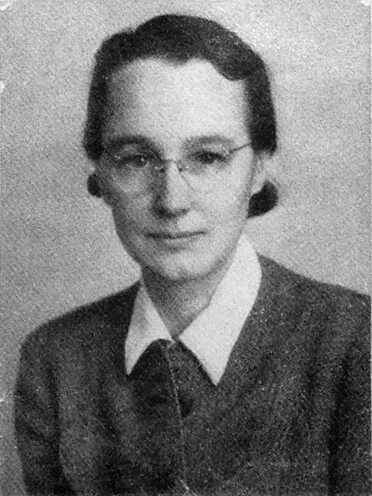 Myrtle BachelderAmerican chemist and Women's Army Corps officer (1908–1997)
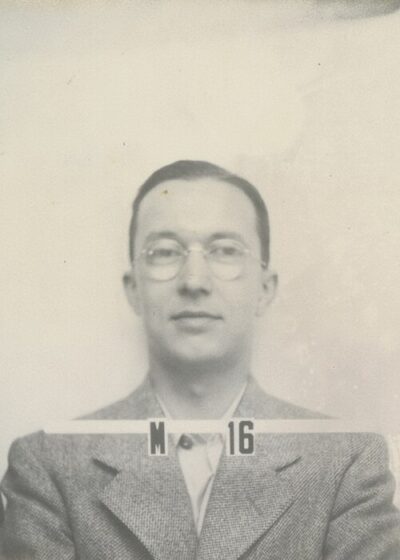 William HiginbothamAmerican physicist (1910–1994)
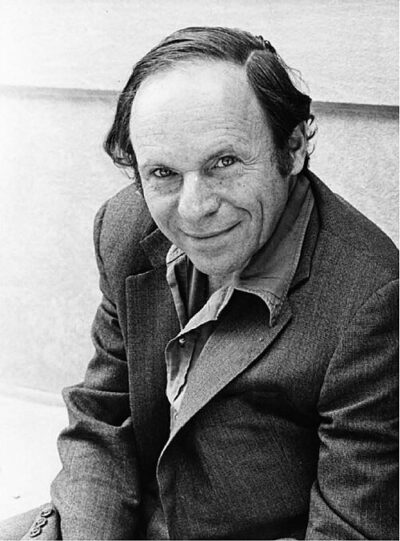 Philip MorrisonAmerican astrophysicist (1915–2005)
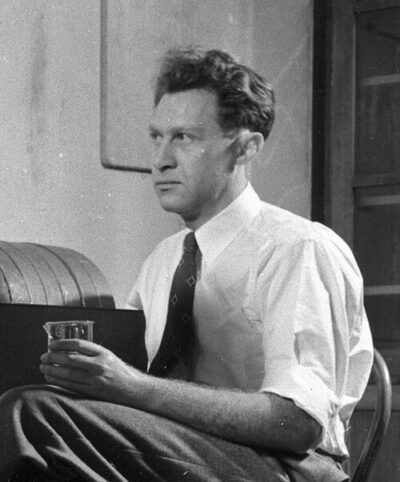 Robert MarshakAmerican physicist (1916–1992)
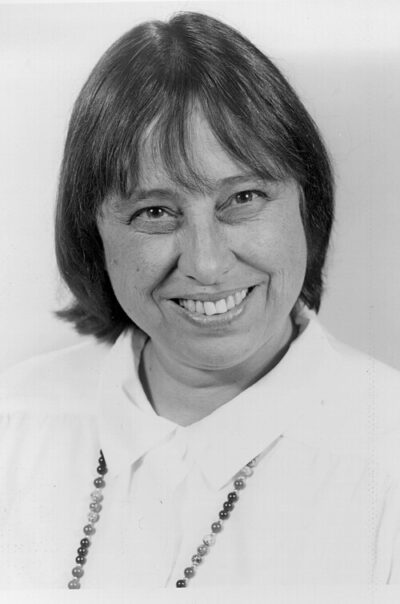 Sally Shlaer (1965–)American computer scientist
