
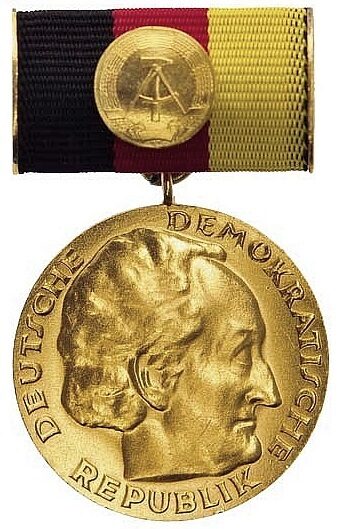
National Prize of East Germany
National Prize of East Germany is a state award in East Germany (GDR) in two categories (art and literature and science and technology) in three classes each (1949–1989).
- Given by
- East Germany
- Country
- East Germany
- Created
- March 31, 1949
All 7 facts, and where they come from
Facts
7 facts · 0 confirmed by two sources · 0 cited · 7 from one source
Where this comes from
Papalocal keeps its own record. It started from these sources; what each one said is kept here as it was copied, so a change on their side never changes this page by itself. Tap one to read its version.
What Wikidata says · copied November 16, 2026 · revision 2558047362
- Described as
- state award in East Germany (GDR) in two categories (art and literature and science and technology) in three classes each (1949–1989)
- Other names
- National Prize of the German Democratic Republic, National Prize of the GDR
- What it is
- national award; state decoration; german national award
- Created
- March 31, 1949
- Ended
- 1989
- Country
- East Germany
- Given by
- East Germany
- Wikipedias with a page
- 11
Wikidata item Q449353 (wikidata.org/wiki/Q449353), public domain (CC0). Copied 2026-11-16.
What Wikipedia says · copied November 16, 2026 · revision 1382984445
The National Prize of the German Democratic Republic (East Germany) (German: Nationalpreis der Deutschen Demokratischen Republik) was an award of the German Democratic Republic (GDR) given out in three different classes for scientific, artistic, and other meritorious achievement. With scientific achievements, it was often given to entire research groups rather than individual scientists.
From the Wikipedia article “National Prize of the German Democratic Republic” (en.wikipedia.org/wiki/National_Prize_of_the_German_Democratic_Republic), by its contributors, under CC BY-SA 4.0 (creativecommons.org/licenses/by-sa/4.0/). Copied 2026-11-16; not changed.
Confirmed Two sources agree. Cited One source, and it names where it got it. One source One source, without a reference of its own. Sources disagree The sources disagree. We show the best-supported value and keep theirs below.
Picture: Lieberraldus, via Wikimedia Commons · CC BY-SA 4.0
People connected 65
Won it 65
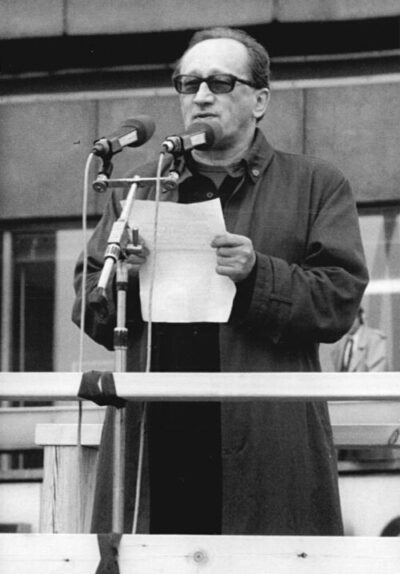 Heiner Müller (1986)German writer, poet, and theatre director (1929–1995)
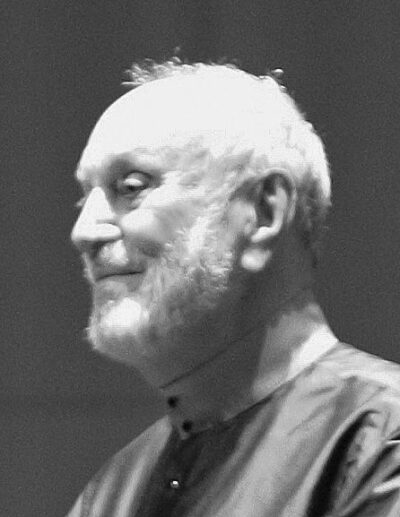 Kurt Masur (1982)German conductor (1927-2015)
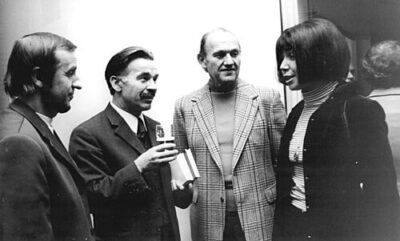 Irmtraud Morgner (1977)German writer (1933–1990)
- UUrsula Kuczynski (1977)German spy (1907-2000)
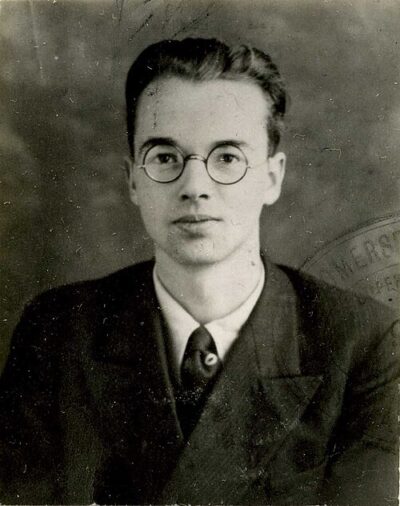 Klaus Fuchs (1975)German-born British theoretical physicist and atomic spy (1911-1988)
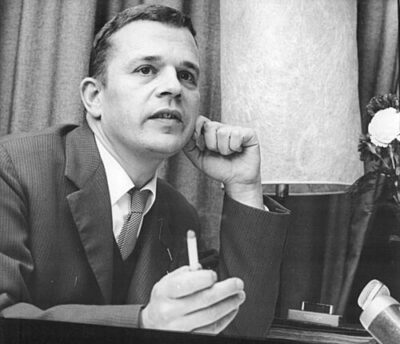 Peter Hacks (1974)German writer (1928–2003)
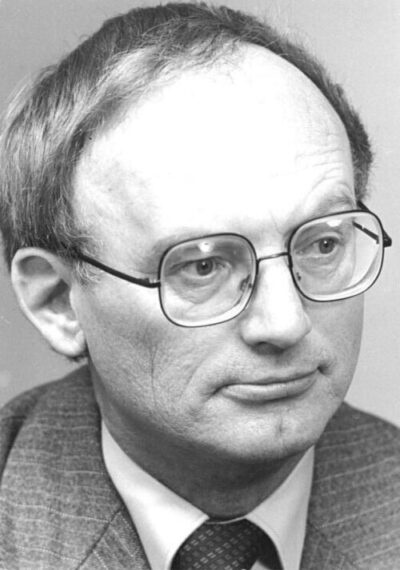 Hermann Kant (1973)German writer (1926-2016)
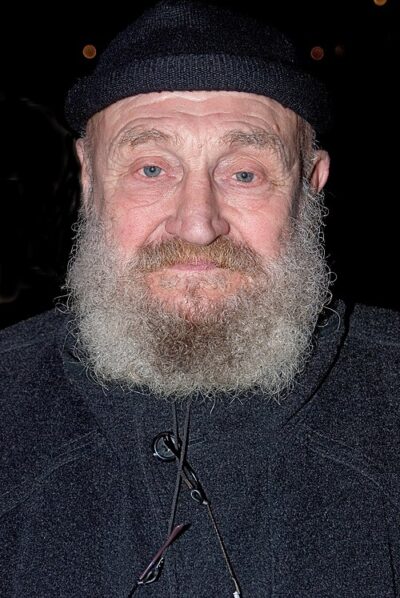 Rolf Hoppe (1971)German actor (1930–2018)
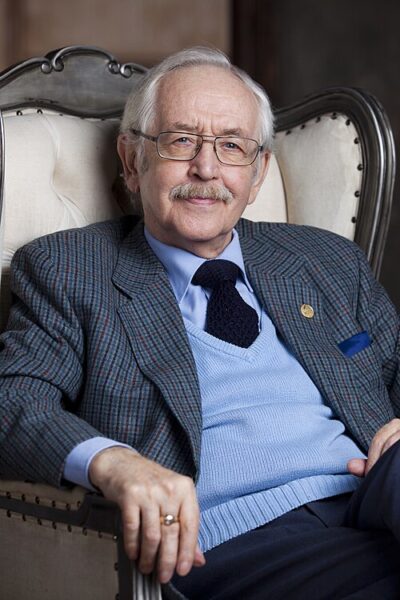 Vasily Livanov (1969)Soviet and Russian actor and film director
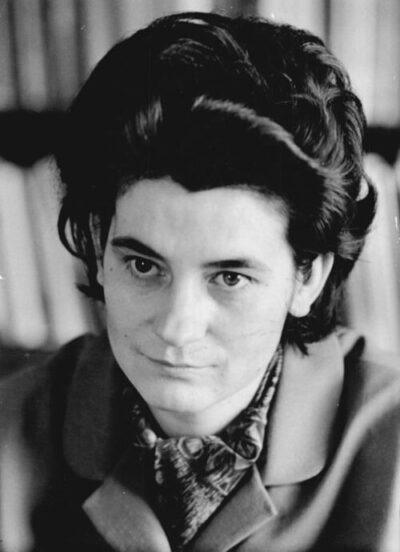 Christa Wolf (1964)German novelist and essayist (1929–2011)
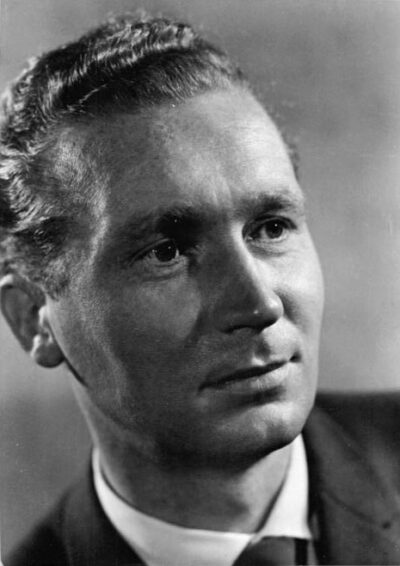 Frank Beyer (1963)German film director (1932-2006)
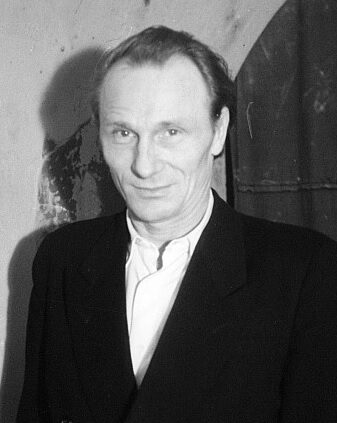 Ernst Busch (1956)German actor (1900-1980)
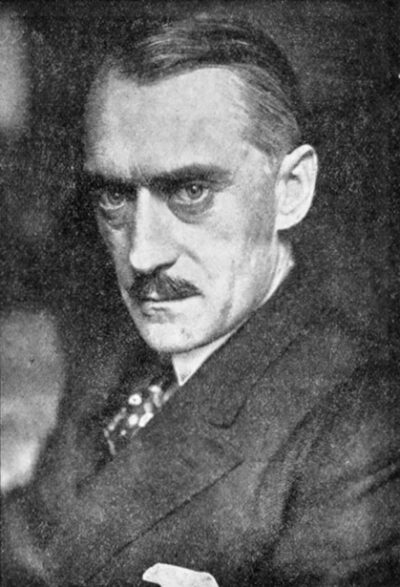 Leonhard Frank (1955)German writer (1882–1961)
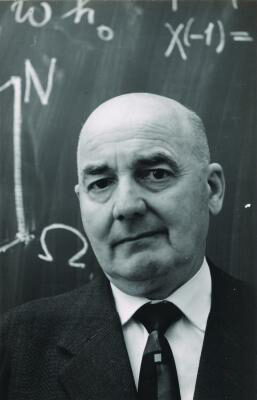 Helmut Hasse (1953)German mathematician (1898–1979)
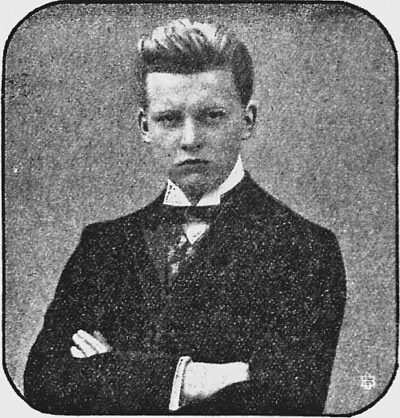 Hermann Abendroth (1949)German conductor (1883-1956)
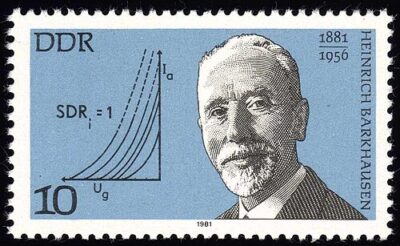 Heinrich Barkhausen (1949)German physicist (1881-1956)
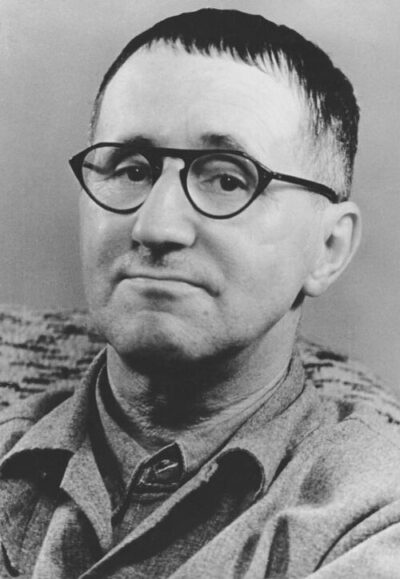 Bertolt BrechtGerman poet, playwright, and theatre director (1898–1956)
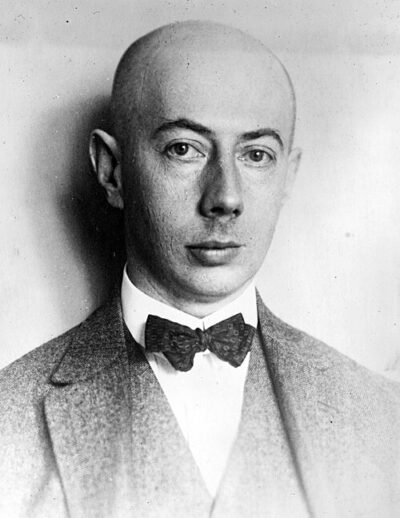 Gustav Ludwig HertzGerman physicist (1887–1975)
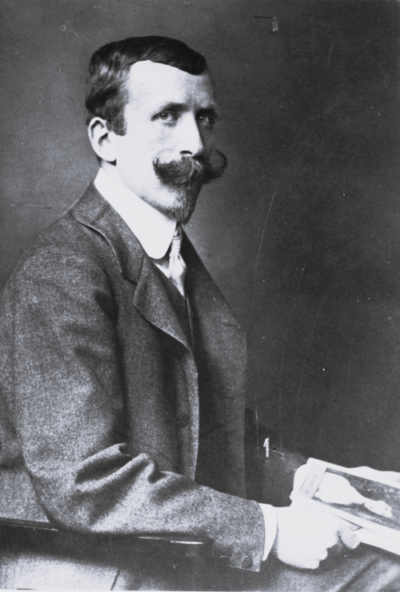 Heinrich MannGerman writer (1871–1950)
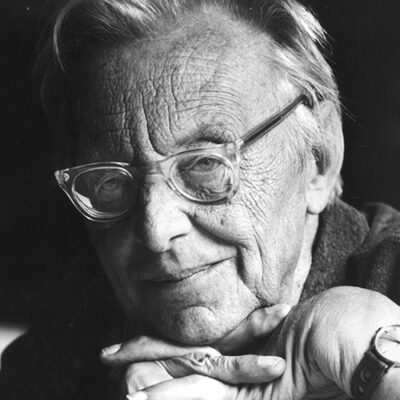 Carl OrffGerman composer (1895–1982)
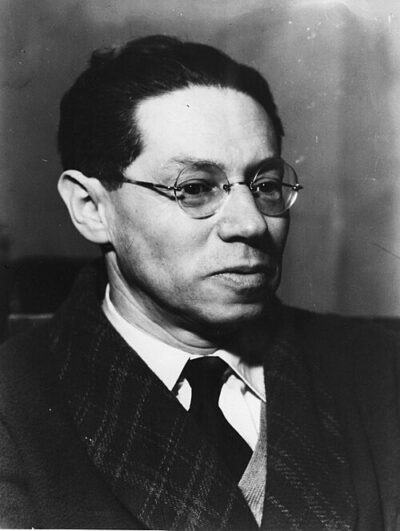 Lion FeuchtwangerGerman writer (1884-1958)
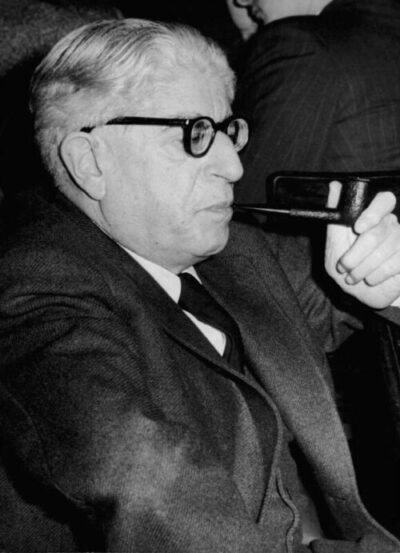 Ernst BlochGerman philosopher (1885–1977)
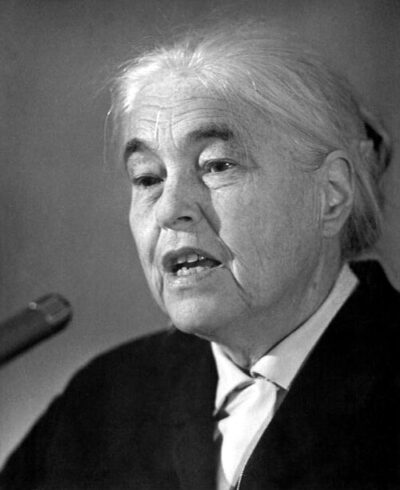 Anna SeghersGerman writer (1900–1983)
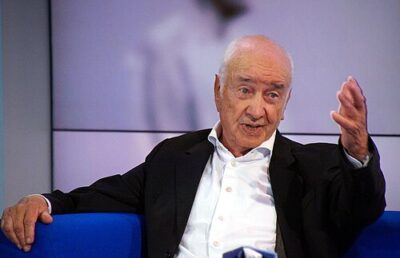 Armin Mueller-StahlGerman actor (born 1930)
and 41 more
