
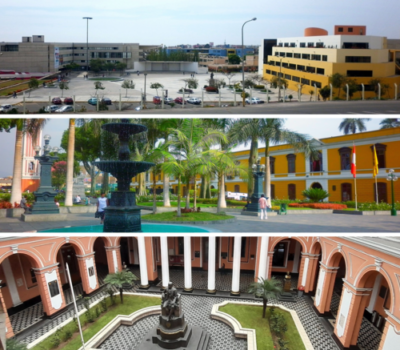
National University of San Marcos
The National University of San Marcos is a public research university in Lima, Peru. It was founded in 1551 by Charles V, Holy Roman Emperor. 32,399 students study there (2021).
- Located in
- Lima
- Country
- Peru
- Founded
- May 12, 1551
- Students
- 32,399 (2021)
- What it is
- public research university
All 10 facts, and where they come from
Facts
10 facts · 0 confirmed by two sources · 3 cited · 7 from one source
Where this comes from
Papalocal keeps its own record. It started from these sources; what each one said is kept here as it was copied, so a change on their side never changes this page by itself. Tap one to read its version.
What Wikidata says · copied November 17, 2026 · revision 2562572216
- Described as
- public research university in Lima, Peru
- Other names
- University of San Marcos, Universidad Nacional Mayor de San Marcos, UNMSM
- What it is
- public research university · 1 reference; cultural property · 1 reference; heritage site
- Founded
- May 12, 1551
- Founded by
- Charles V, Holy Roman Emperor · 1 reference
- Located in
- Lima
- Country
- Peru · 2 references
- Students
- 32,399 (2021) · 2 references
- Named after
- Mark the Evangelist
- Official website
- https://www.unmsm.edu.pe
- Wikipedias with a page
- 41
Wikidata item Q270145 (wikidata.org/wiki/Q270145), public domain (CC0). Copied 2026-11-17.
What Wikipedia says · copied November 17, 2026 · revision 1383275336
The National University of San Marcos (Spanish: Universidad Nacional Mayor de San Marcos, UNMSM) is a public research university located in Lima, the capital of Peru. In the Americas, it is the first officially established (privilege by Charles V, Holy Roman Emperor) and the oldest continuously operating university.
The university started in the general studies that were offered in the convent of the Rosario of the order of Santo Domingo—the current Basilica and Convent of Santo Domingo—on July 1, 1548. Its official foundation was conceived by Fray Thomas de San Martín on May 12, 1551; with the decree of Emperor Charles I of Spain and V of the Holy Roman Empire. In 1571, it acquired the degree of pontifical granted by Pope Pius V, with which it ended up being named the "Royal and Pontifical University of the City of the Kings of Lima". It is also referred to as the "University of Lima" throughout the Viceroyalty.
The University of San Marcos has passed through several locations, of which it maintains and stands out: the "Casona de San Marcos", one of the buildings in the Historic Center of Lima that were recognized as World Heritage Sites by UNESCO in 1988. The University of San Marcos has 66 professional schools, grouped into 20 faculties, and these in turn in 5 academic areas. Through its "Domingo Angulo" historical archive, the university preserves documents and writings. In 2019, the "Colonial Fund and Foundational Documents of the National University of San Marcos: 1551–1852" was incorporated into the UNESCO Memory of the World Register.
It holds a ten-year institutional licensing granted by the National Superintendency of Higher Education (SUNEDU) and an international institutional accreditation. To date, twenty-one Presidents of the Republic of Peru, seven Peruvian candidates for the Nobel Prizes in Physics, Literature, and Peace, and the only Peruvian Nobel Prize laureate have been alumni or professors of this institution.
From the Wikipedia article “National University of San Marcos” (en.wikipedia.org/wiki/National_University_of_San_Marcos), by its contributors, under CC BY-SA 4.0 (creativecommons.org/licenses/by-sa/4.0/). Copied 2026-11-17; not changed.
Confirmed Two sources agree. Cited One source, and it names where it got it. One source One source, without a reference of its own. Sources disagree The sources disagree. We show the best-supported value and keep theirs below.
Picture: Marco Carrasco, via Wikimedia Commons · CC BY-SA 4.0
People connected 30
Studied here 28
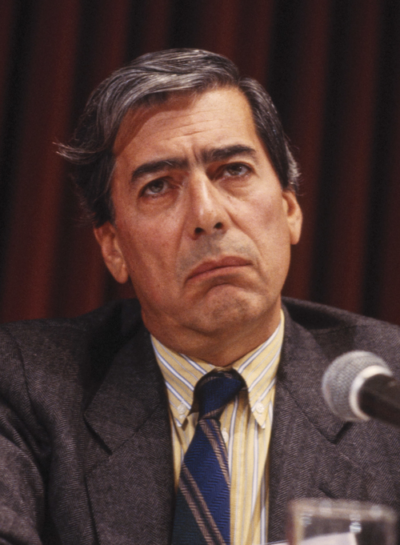 Mario Vargas Llosa (1953–1958)Peruvian, Spanish and Dominican novelist and writer (1936–2025)
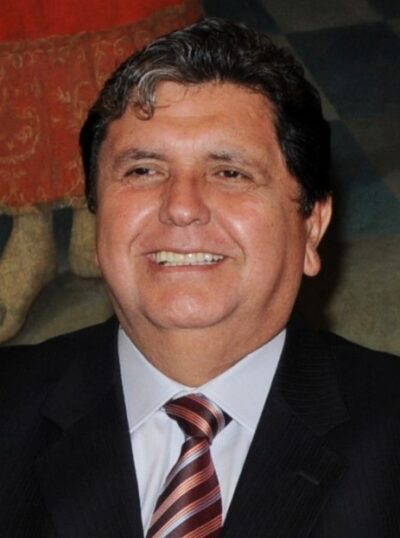 Alan GarcíaPresident of Peru (1985–1990 and 2006–2011)
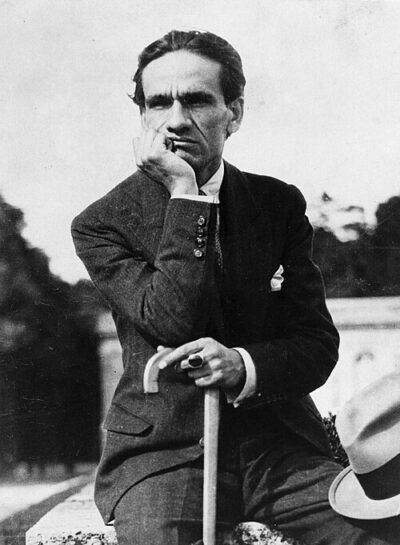 César VallejoPeruvian writer
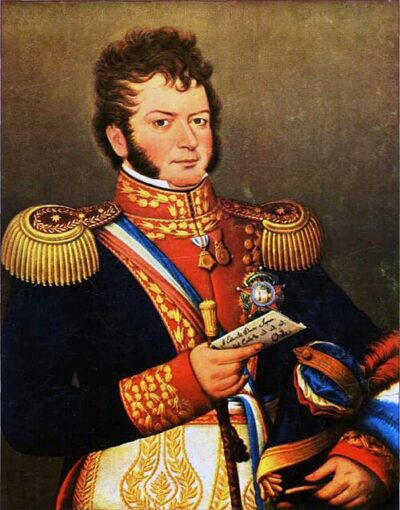 Bernardo O'HigginsChilean independence leader (1778–1842)
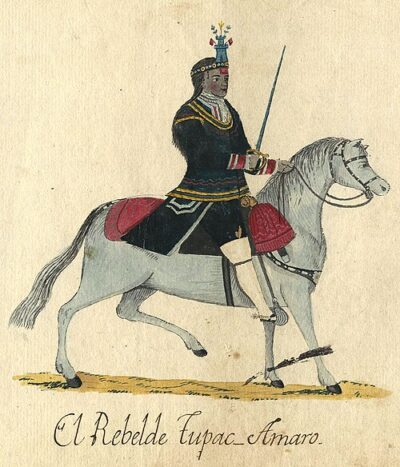 Túpac Amaru IIleader of a large Andean uprising against the Spanish in Peru (1738-1781)
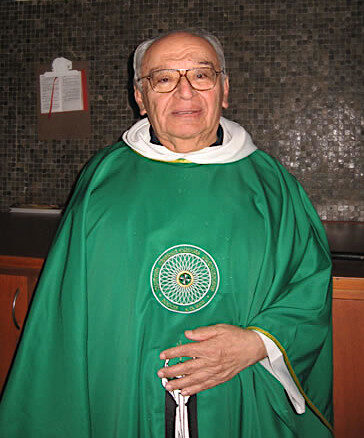 Gustavo GutiérrezPeruvian theologian (1928–2024)
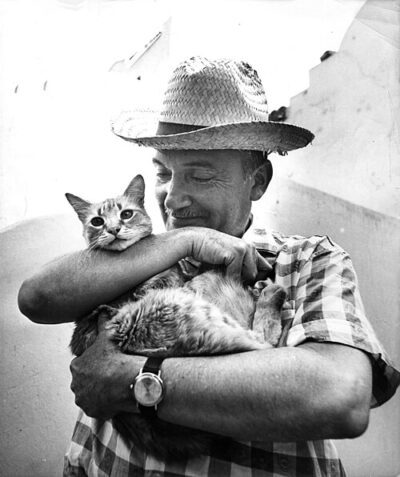 José María ArguedasPeruvian writer (1911–1969)
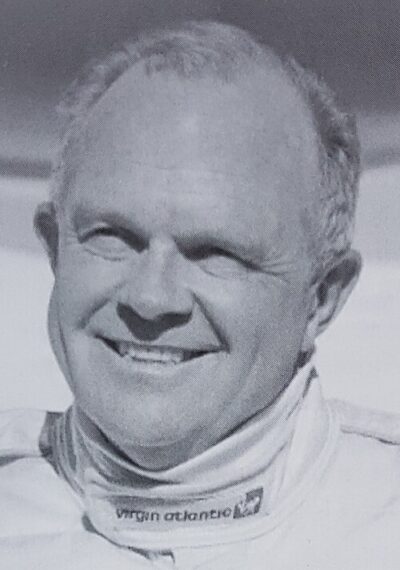 Steve FossettAmerican businessman, record-setting aviator, sailor, and adventurer
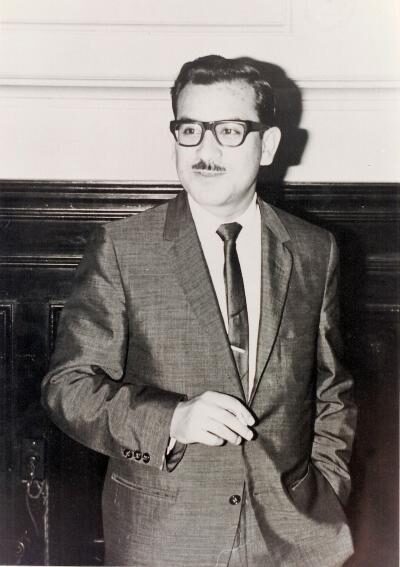 Valentín PaniaguaPeruvian politician (1936-2006)
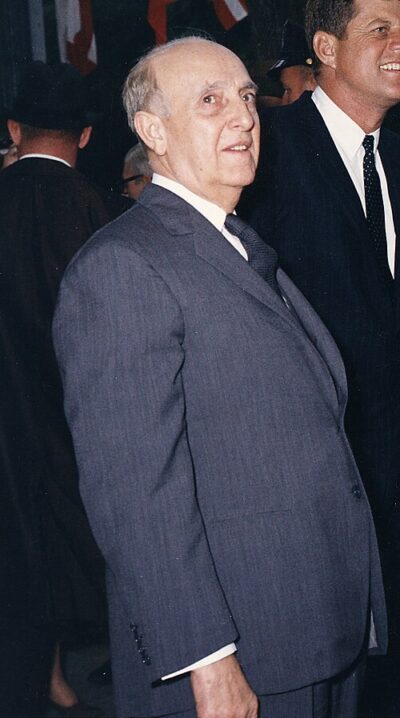 Manuel Prado Ugarteche41st & 46th President of Peru (1889-1967)
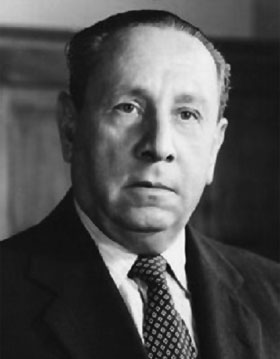 Manuel Odría38th & 40th President of Peru (1948–1956)
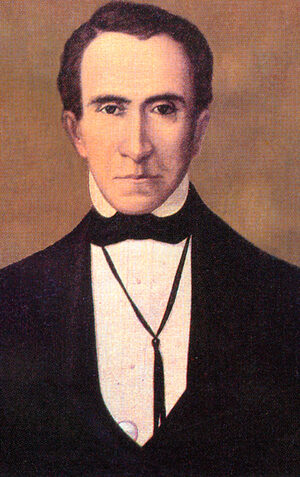 José Joaquín de Olmedo (1799–1808)Ecuadorian lawyer, writer and politician. Vicepresident of Ecuador (1780-1847)
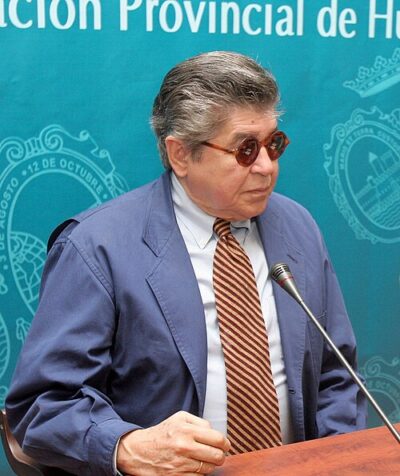 Alfredo Bryce Echenique (–1964)Peruvian writer (1939–2026)
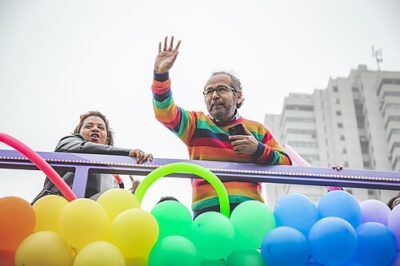 Ronald Gamarra HerreraPeruvian lawyer
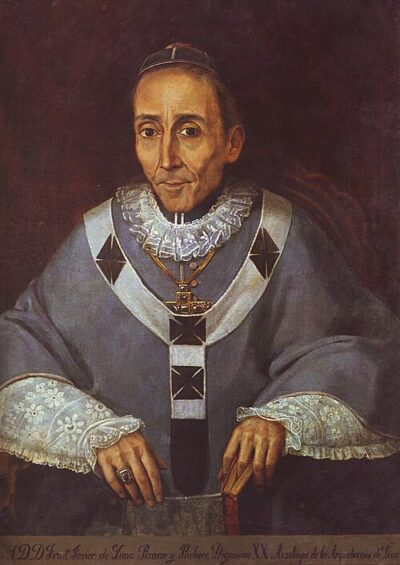 Francisco Xavier de Luna PizarroPeruvian priest and politician (1780-1855)
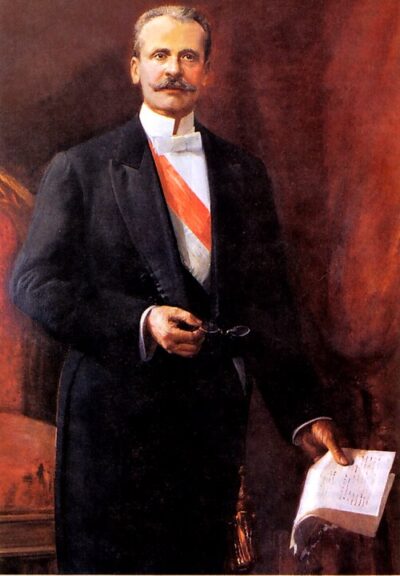 Manuel CandamoPresident of Peru (1841-1904)
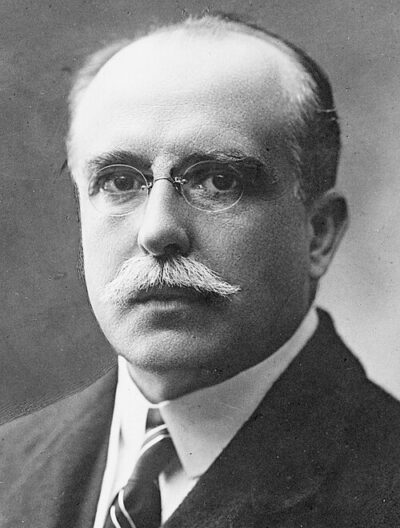 José Pardo y BarredaPeruvian politician (1864-1947)
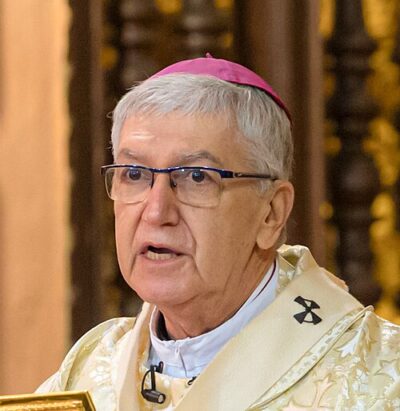 Carlos Castillo MattasoglioPeruvian priest of Catholic church, archbishop
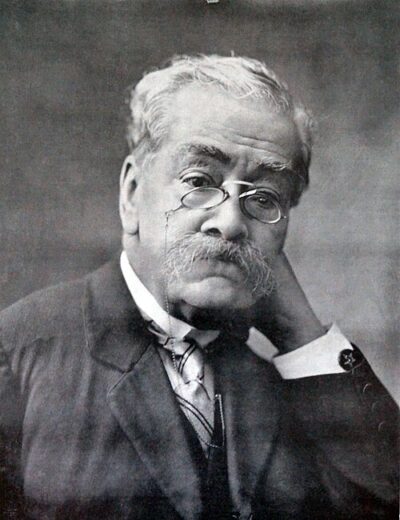 Ricardo PalmaPeruvian historian (1833-1919)
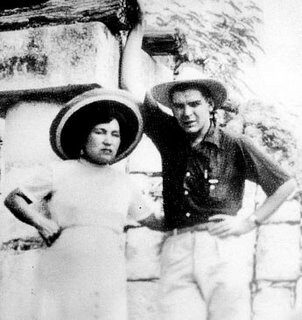 Hilda GadeaPeruvian economist, Communist leader, and author, 1925-1974
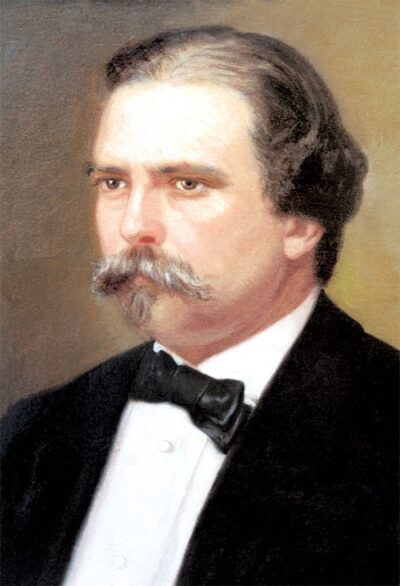 Manuel PardoPeruvian politician and the first civilian President of Peru (1834-1878)
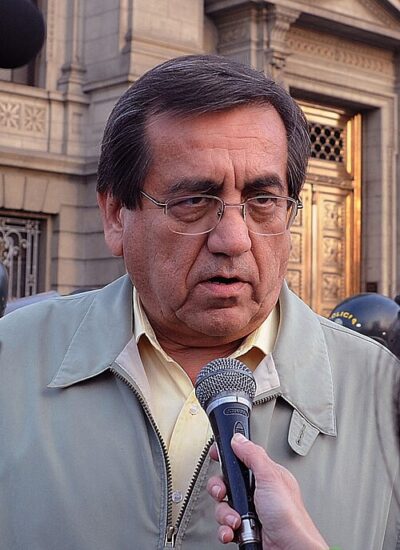 Jorge del CastilloPeruvian lawyer and politician
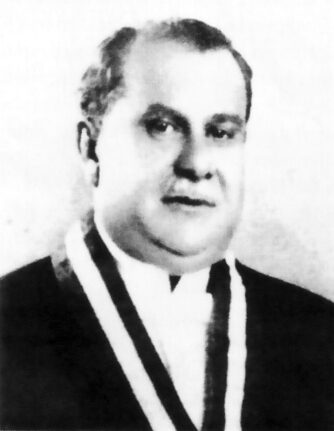 Ricardo Leoncio Elías AriasPresident of Peru (1874-1951)
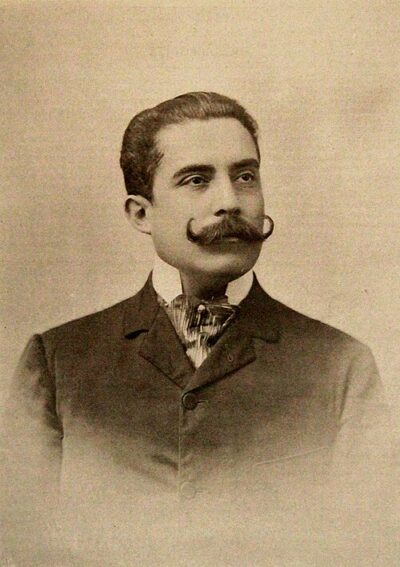 José Santos ChocanoPeruvian activist and poet (1875-1934)
and 4 more
Worked here
- José María ArguedasPeruvian writer (1911–1969)
 Henry Mintzberg StorchCanadian business theorist (born 1939)
 José de AcostaSpanish missionary and writer (1539 or 1540–1600)
- José Joaquín de Olmedo (1808)Ecuadorian lawyer, writer and politician. Vicepresident of Ecuador (1780-1847)
- Ronald Gamarra HerreraPeruvian lawyer
