
Oliver E. Buckley Condensed Matter Prize
Oliver E. Buckley Condensed Matter Prize is an American award for theoretical or experimental contributions to condensed matter physics. It was created in 1952. It is given by the American Physical Society.
- Given by
- American Physical Society
- Country
- United States
- Created
- 1952
All 8 facts, and where they come from
Facts
8 facts · 0 confirmed by two sources · 0 cited · 8 from one source
Where this comes from
Papalocal keeps its own record. It started from these sources; what each one said is kept here as it was copied, so a change on their side never changes this page by itself. Tap one to read its version.
What Wikidata says · copied November 16, 2026 · revision 2569420446
- Described as
- American award for theoretical or experimental contributions to condensed matter physics
- What it is
- physics award; award; award of the American Physical Society
- Created
- 1952
- Country
- United States
- Given by
- American Physical Society
- Named after
- Oliver Ellsworth Buckley
- Official website
- https://www.aps.org/programs/honors/prizes/buckley.cfm
- Wikipedias with a page
- 11
Wikidata item Q1572080 (wikidata.org/wiki/Q1572080), public domain (CC0). Copied 2026-11-16.
What Wikipedia says · copied November 16, 2026 · revision 1353699440
The Oliver E. Buckley Condensed Matter Prize is an annual award given by the American Physical Society "to recognize and encourage outstanding theoretical or experimental contributions to condensed matter physics." It was endowed by AT&T Bell Laboratories as a means of recognizing outstanding scientific work. The prize is named in honor of Oliver Ellsworth Buckley, a former president of Bell Labs. Before 1982, it was known as the Oliver E. Buckley Solid State Prize. It is one of the most prestigious awards in the field of condensed matter physics.
The prize is normally awarded to one person but may be shared if multiple recipients contributed to the same accomplishments. Nominations are active for three years. The prize was endowed in 1952 and first awarded in 1953. Since 2012, the prize has been co-sponsored by HTC-VIA Group.
From the Wikipedia article “Oliver E. Buckley Prize” (en.wikipedia.org/wiki/Oliver_E._Buckley_Prize), by its contributors, under CC BY-SA 4.0 (creativecommons.org/licenses/by-sa/4.0/). Copied 2026-11-16; not changed.
Confirmed Two sources agree. Cited One source, and it names where it got it. One source One source, without a reference of its own. Sources disagree The sources disagree. We show the best-supported value and keep theirs below.
People connected 24
Won it
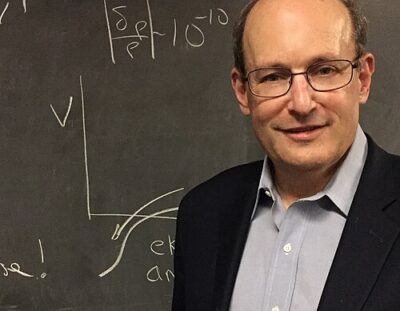 Paul Steinhardt (2010)American cosmologist
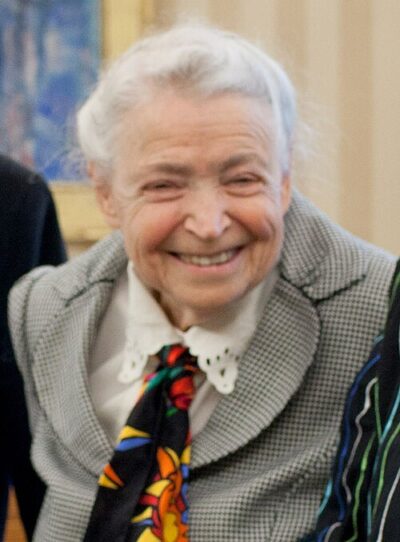 Mildred Dresselhaus (2008)American physicist (1930-2017)
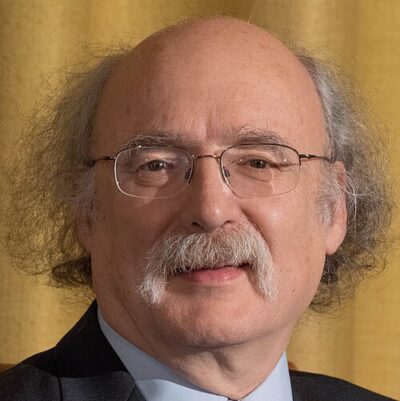 Duncan Haldane (1993)professor of physics at Princeton University
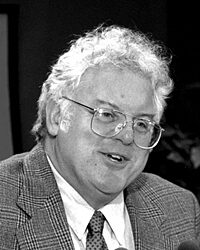 Robert B. Laughlin (1986)American physicist
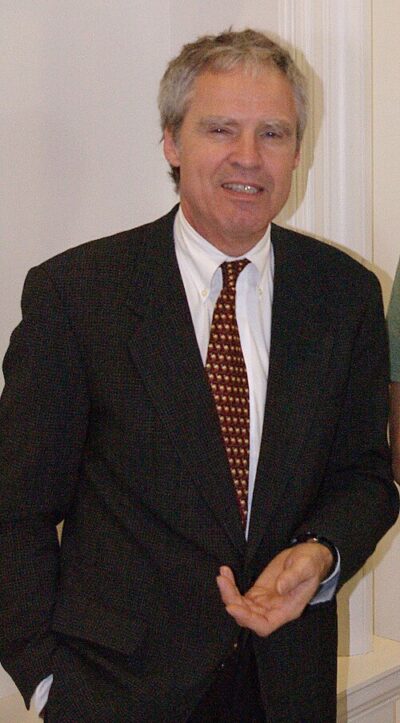 Horst Ludwig Störmer (1984)German physicist
 Daniel C. Tsui (1984)Chinese-American physicist, Nobel laureate
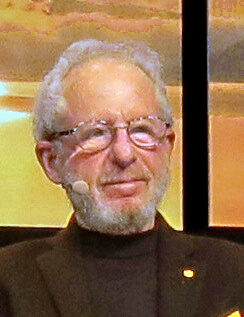 Alan J. Heeger (1983)American chemist, physicist
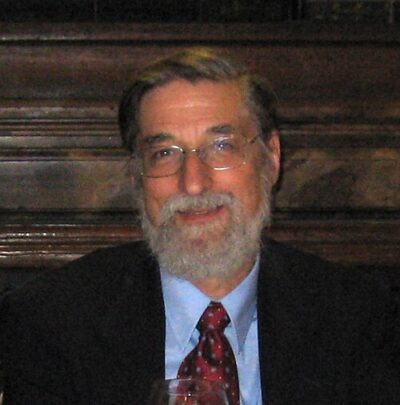 Bertrand Halperin (1982)American mathematician and physicist
 Robert Coleman Richardson (1981)American physicist
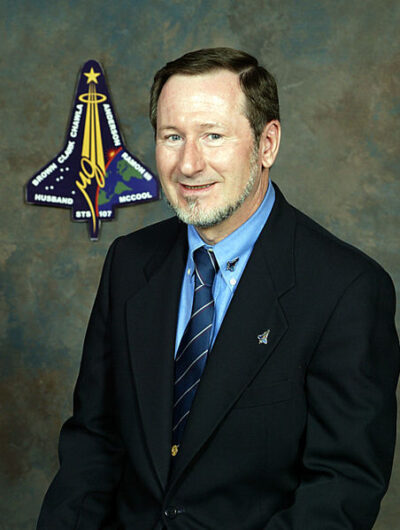 Douglas Osheroff (1981)American physicist
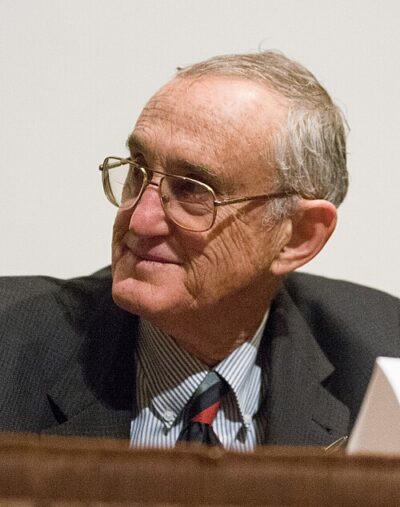 David Lee (1981)American physicist and Nobel Prize laureate
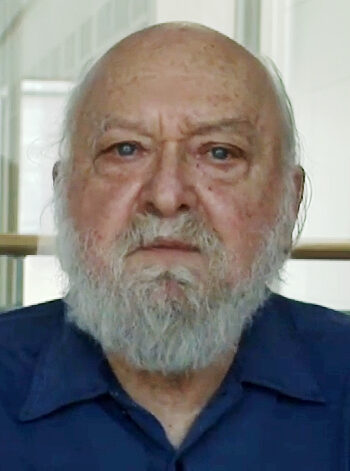 Leo Kadanoff (1977)American physicist (1937–2015)
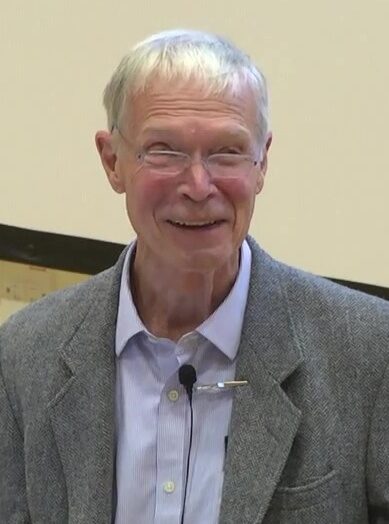 John Hopfield (1969)American scientist (born 1933)
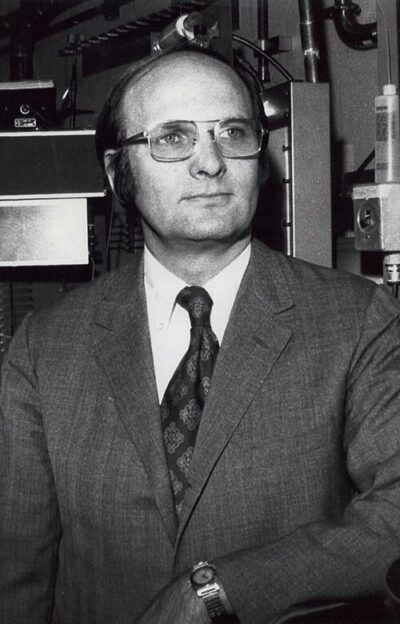 John Robert Schrieffer (1968)American physicist (1931-2019)
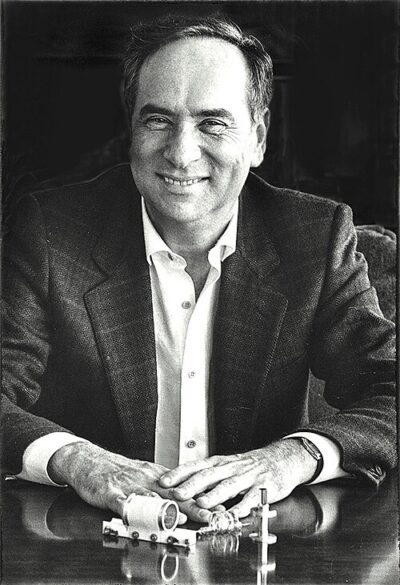 Theodore Maiman (1966)American physicist/Inventor of first working laser
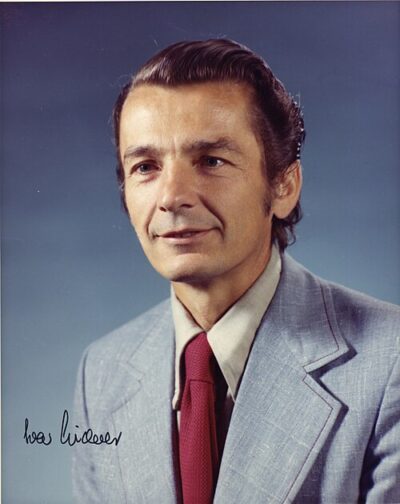 Ivar Giæver (1965)Norwegian-American physicist
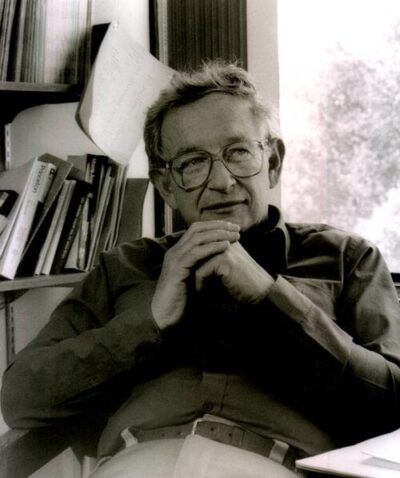 Philip W. Anderson (1964)American physicist (1923-2020)
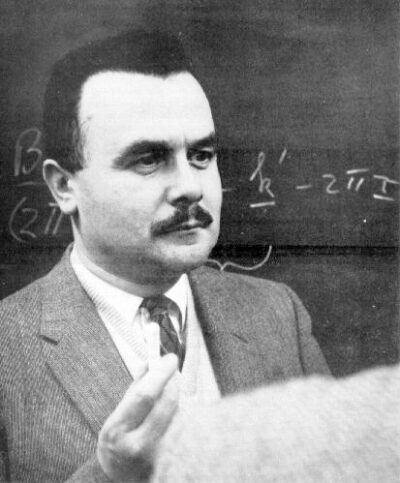 Bertram Brockhouse (1962)Canadian physicist
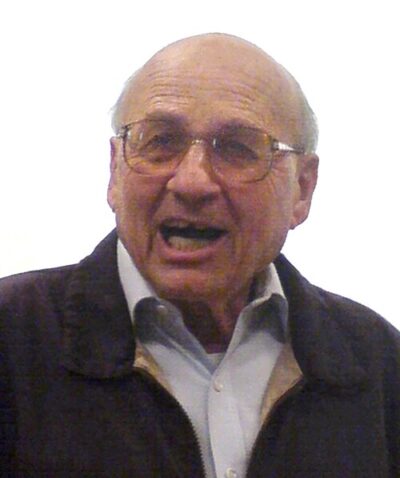 Walter Kohn (1961)American physicist (1923–2016)
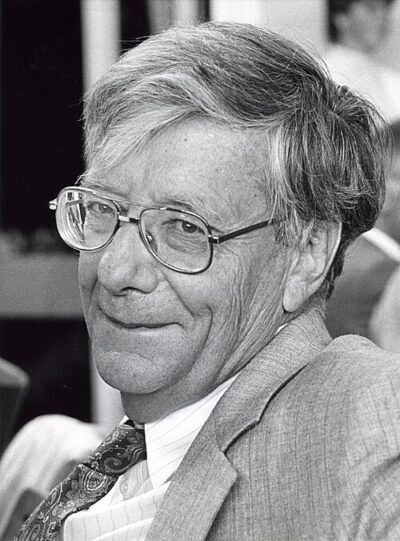 Nicolaas Bloembergen (1958)Dutch-born American physicist
- CCharles Kittel (1957)American physicist (1916–2019)
 Clifford Shull (1956)American physicist (1915–2001)
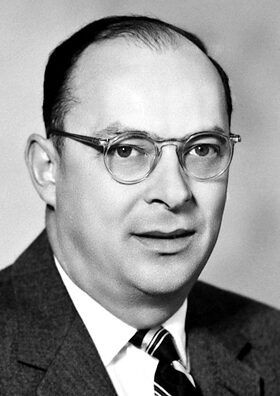 John Bardeen (1954)American physicist and engineer (1908–1991)
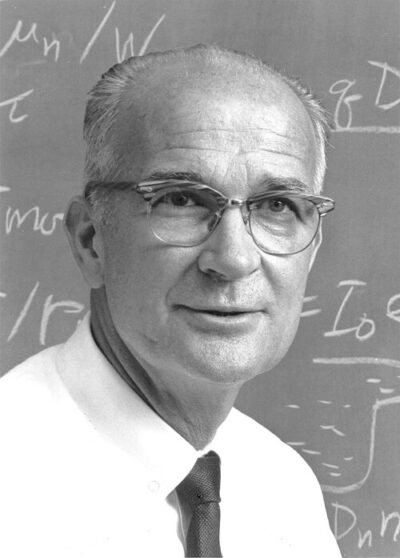 William Shockley (1953)American physicist and inventor (1910–1989)
