

Orange Order
Orange Order is a Protestant fraternal order originating in Northern Ireland. It was founded in 1795. Its headquarters are in Belfast. It stands for Ulster loyalism.
- Founded
- September 21, 1795
- Headquarters
- Belfast
- Industry
- religious congregations and associations
- Country
- United Kingdom
All 10 facts, and where they come from
Facts
10 facts · 0 confirmed by two sources · 0 cited · 10 from one source
Where this comes from
Papalocal keeps its own record. It started from these sources; what each one said is kept here as it was copied, so a change on their side never changes this page by itself. Tap one to read its version.
What Wikidata says · copied November 16, 2026 · revision 2542208811
- Described as
- Protestant fraternal order originating in Northern Ireland
- Other names
- Loyal Orange Institution, Orangemen
- What it is
- fraternal organization; religious organization
- Followed by
- Independent Loyal Orange Institution
- Founded
- September 21, 1795
- Headquarters
- Belfast
- Country
- United Kingdom
- Industry
- religious congregations and associations
- Ideology
- Ulster loyalism
- Named after
- William III of England
- Official website
- https://www.goli.org.uk/
- Wikipedias with a page
- 33
Wikidata item Q1345321 (wikidata.org/wiki/Q1345321), public domain (CC0). Copied 2026-11-16.
What Wikipedia says · copied November 16, 2026 · revision 1385016259
The Loyal Orange Institution, commonly known as the Orange Order, is an international Protestant fraternal order based in Northern Ireland and primarily associated with Ulster Protestants. Due to the spread and outreach of Orangeism, there are lodges around the world, including in England, Scotland, Wales, the Republic of Ireland, the United States, and parts of the Commonwealth of Nations, including West Africa, New Zealand and Australia. Historically, Orange lodges have existed in mainland Europe, Central America, South America, the Caribbean and Asia.
The Orange Order was founded by Ulster Protestants in County Armagh in 1795, during a period of Protestant–Catholic sectarian conflict, as a fraternity sworn to maintain the Protestant Ascendancy in Ireland. The all-island Grand Orange Lodge of Ireland was established in 1798. Its name is a tribute to the Dutch-born Protestant king William of Orange, who defeated the Catholic English king James II in the Williamite War in Ireland (1689–1691). The Order is best known for its yearly marches, the biggest of which are held on or around 12 July (The Twelfth), a public holiday in Northern Ireland.
The Orange Order is a conservative, British unionist and Ulster loyalist organisation. Thus it has opposed Irish nationalism and republicanism and campaigned against Scottish independence. The Order sees itself as defending Protestant civil and religious liberties, whilst critics accuse it of being sectarian, triumphalist, supremacist and anti-Catholic. It does not accept non-Protestants as members unless they convert and adhere to its principles, nor does it accept Protestants married to non-Protestants. Orange marches through Catholic neighbourhoods are controversial and have on occasion led to violence, such as the Drumcree conflict.
From the Wikipedia article “Orange Order” (en.wikipedia.org/wiki/Orange_Order), by its contributors, under CC BY-SA 4.0 (creativecommons.org/licenses/by-sa/4.0/). Copied 2026-11-16; not changed.
Confirmed Two sources agree. Cited One source, and it names where it got it. One source One source, without a reference of its own. Sources disagree The sources disagree. We show the best-supported value and keep theirs below.
Picture: Wikimedia Commons: Memoriallodge.jpg · See Commons file page
People connected 7
Members
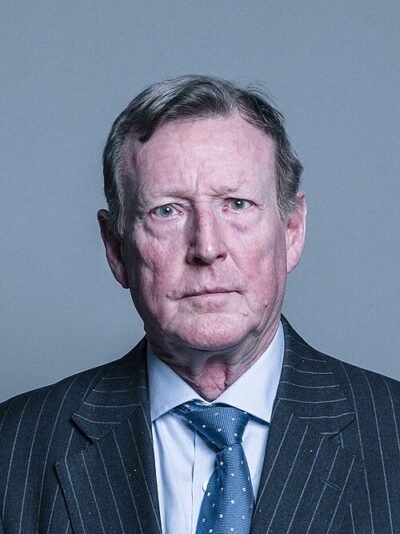 David TrimbleFirst Minister of Northern Ireland from 1998 to 2002
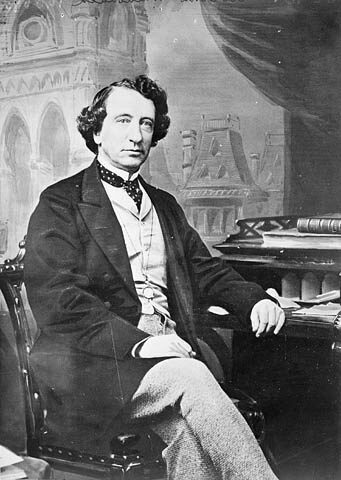 John A. Macdonald1st prime minister of Canada from 1867 to 1873 and 1878 to 1891
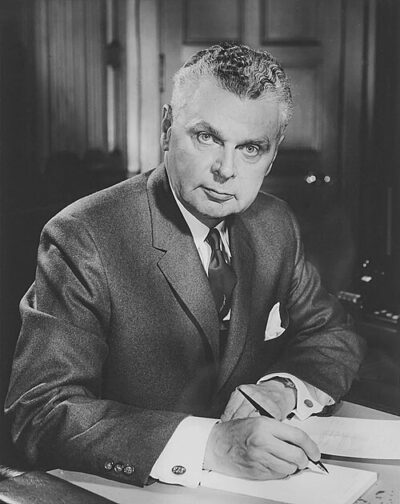 John Diefenbaker13th Prime Minister of Canada (1895-1979)
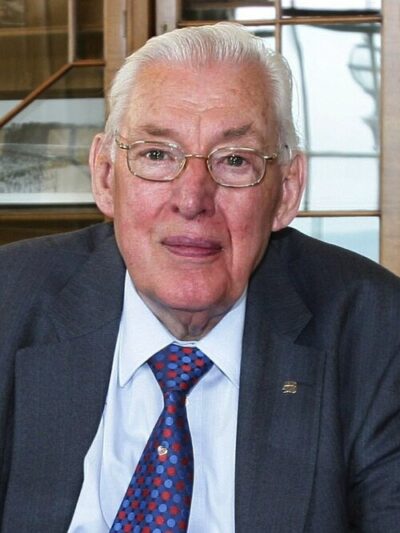 Ian Paisley (1951–1962)politician and former church minister (1926-2014)
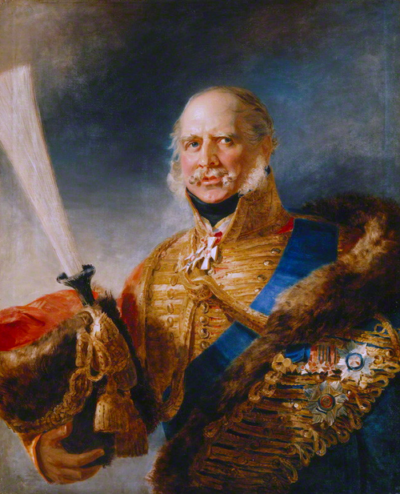 Ernest Augustus, King of HanoverKing of Hanover from 1837 to 1851
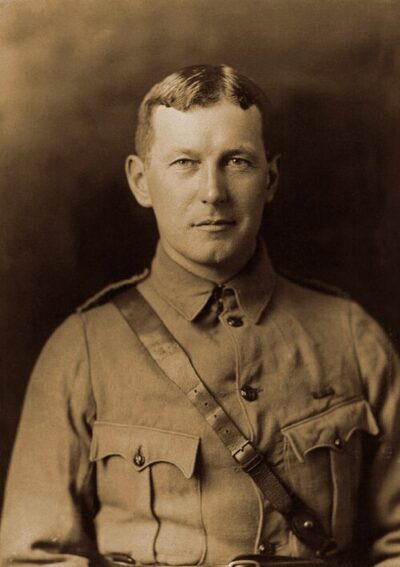 John McCraeCanadian poet, physician, author, artist and soldier during World War I (1872-1918)
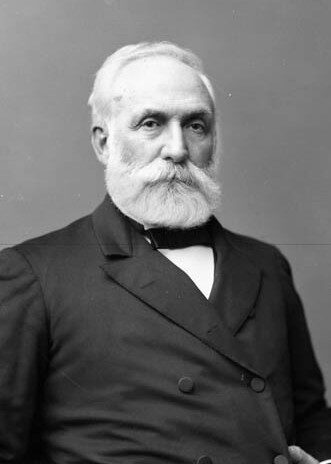 Mackenzie Bowell5th Prime Minister of Canada (1823-1917)
