
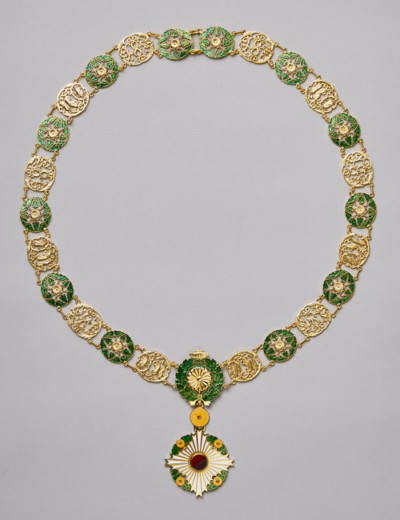
Order of the Chrysanthemum
Order of the Chrysanthemum is a Japanese order. It was created in 1876. It is given by the Emperor of Japan.
- Given by
- Emperor of Japan
- Country
- Japan
- Created
- December 27, 1876
All 4 facts, and where they come from
Facts
4 facts · 0 confirmed by two sources · 0 cited · 4 from one source
Where this comes from
Papalocal keeps its own record. It started from these sources; what each one said is kept here as it was copied, so a change on their side never changes this page by itself. Tap one to read its version.
What Wikidata says · copied November 16, 2026 · revision 2569281537
- Described as
- Japanese order
- Other names
- Supreme Order of the Chrysanthemum
- What it is
- order
- Created
- December 27, 1876
- Country
- Japan
- Given by
- Emperor of Japan
- Wikipedias with a page
- 36
Wikidata item Q696246 (wikidata.org/wiki/Q696246), public domain (CC0). Copied 2026-11-16.
What Wikipedia says · copied November 16, 2026 · revision 1375596270
The Supreme Order of the Chrysanthemum (大勲位菊花章, Dai-kun'i kikka-shō) is Japan's highest order. The Grand Cordon of the Order was established in 1876 by Emperor Meiji of Japan; the Collar of the Order was added on 4 January 1888. Unlike European counterparts, the order may be conferred posthumously.
Apart from the Imperial Family, only seven Japanese citizens have ever been decorated with the collar in their lifetimes; the last such award was to former prime minister Saionji Kinmochi in 1928. Eight others have been posthumously decorated with the collar; the last such award was to former Prime Minister Shinzo Abe in 2022. Today, only the reigning Emperor holds this dignity as sovereign of the order; however, exceptions are made for foreign heads of state, who can be awarded the collar in friendship.
The grand cordon is the highest possible honour a Japanese citizen can be awarded during their lifetime. Aside from members of the Imperial Family, 53 Japanese citizens have been decorated with the grand cordon; of these, only 23 were living at the time of receipt.
From the Wikipedia article “Order of the Chrysanthemum” (en.wikipedia.org/wiki/Order_of_the_Chrysanthemum), by its contributors, under CC BY-SA 4.0 (creativecommons.org/licenses/by-sa/4.0/). Copied 2026-11-16; not changed.
Confirmed Two sources agree. Cited One source, and it names where it got it. One source One source, without a reference of its own. Sources disagree The sources disagree. We show the best-supported value and keep theirs below.
Picture: 内閣府, via Wikimedia Commons · CC BY 4.0
People connected 21
Won it
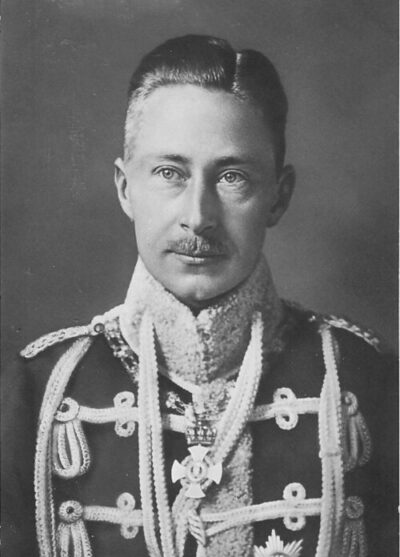 Wilhelm, German Crown Prince (1900)Prussian Crown Prince (1882-1951)
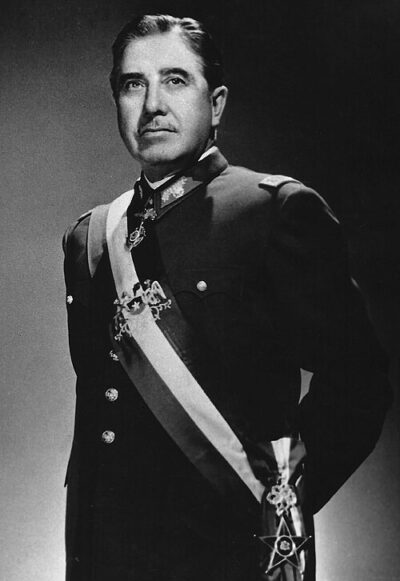 Augusto PinochetChilean military officer and politician (1915–2006)
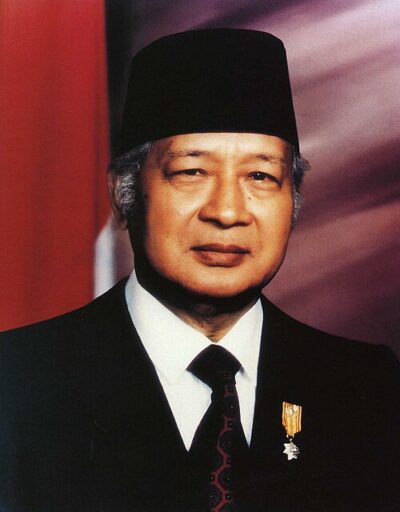 Suharto2nd President of Indonesia (1968—1998) and Acting President of Indonesia (1967—1968)
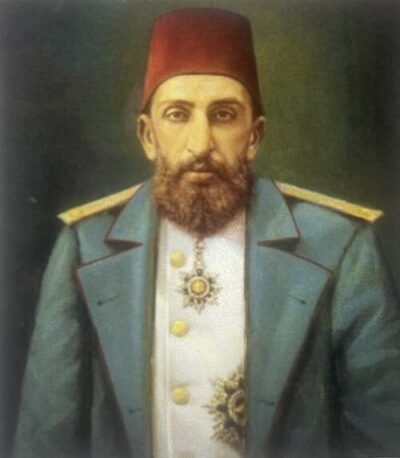 Abdul Hamid II34th Sultan of the Ottoman Empire (1876–1909)
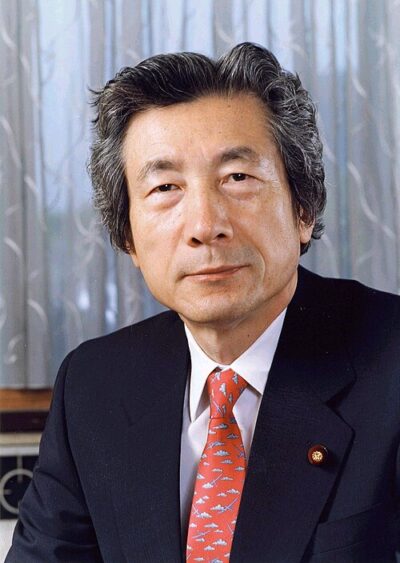 Junichiro KoizumiPrime Minister of Japan from 2001 to 2006
 Ngô Đình DiệmSouth Vietnamese politician; President of South Vietnam from 1955 to 1963
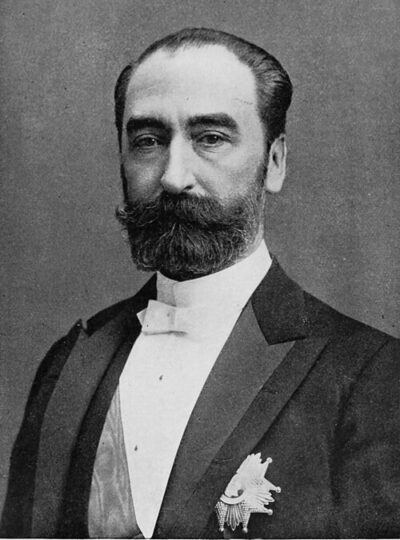 Sadi Carnot5th president of France (1837–1894)
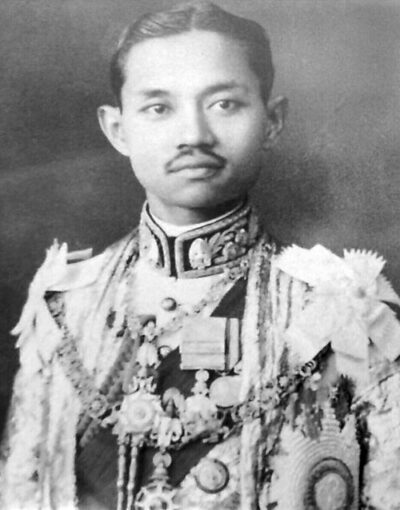 PrajadhipokKing of Siam
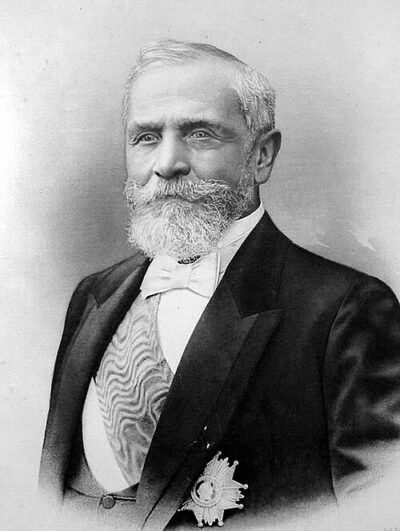 Émile Loubet8th president of France (1838–1929)
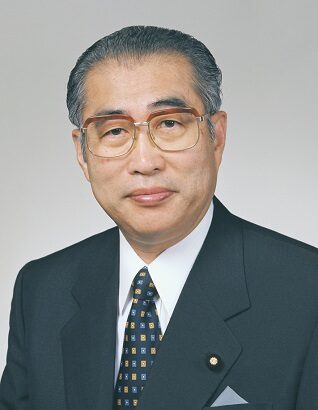 Keizō Obuchi84th Prime Minister of Japan (1937–2000)
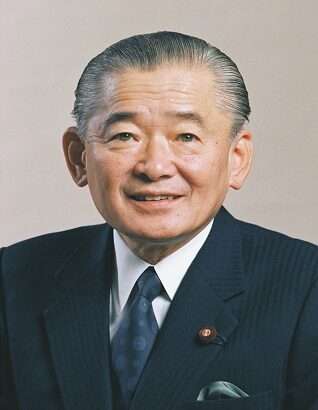 Noboru Takeshita74th Prime Minister of Japan (1924-2000)
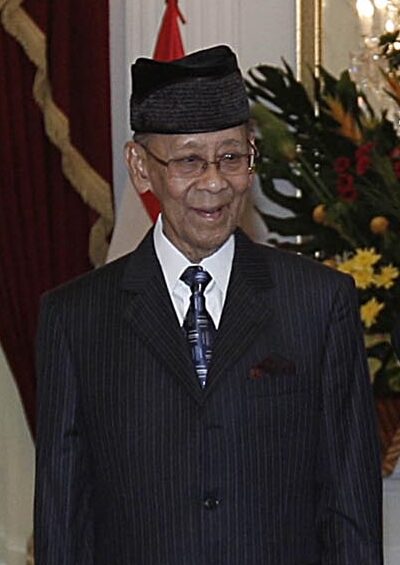 Abdul Halim of Kedah5th Yang di-Pertuan Agong and Sultan of Kedah
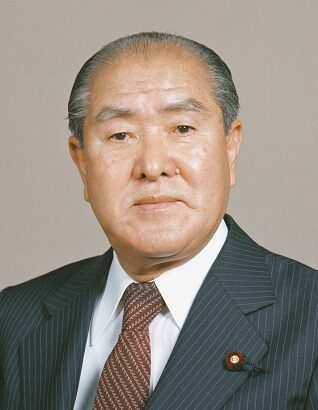 Zenkō SuzukiPrime Minister of Japan (1911-2004)
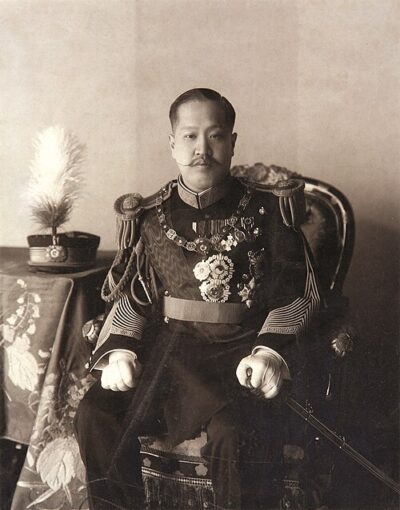 Sunjong of the Korean EmpireThe 2nd emperor of the Korean Empire. (1874–1926)
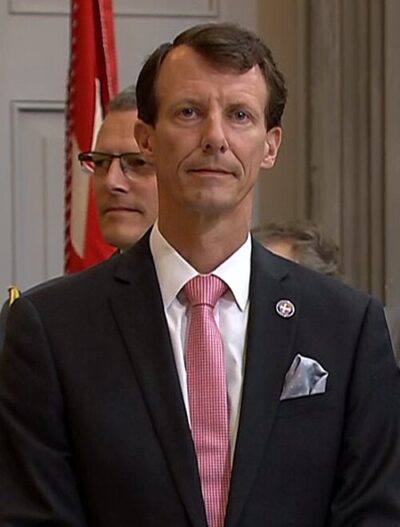 Prince Joachim of DenmarkDanish prince (born 1969)
 Khalifa bin Hamad Al Thaniformer Emir of Qatar (1932–2016)
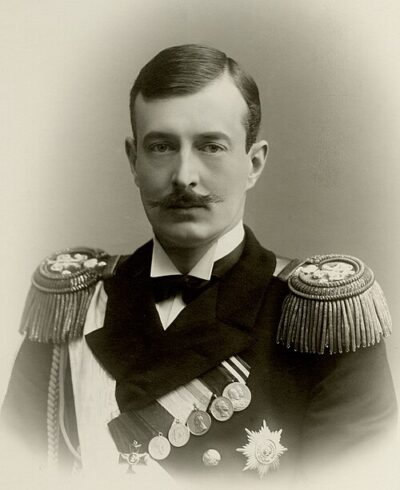 Grand Duke Kirill Vladimirovich of RussiaHead of the House of Romanov (1924-1938)
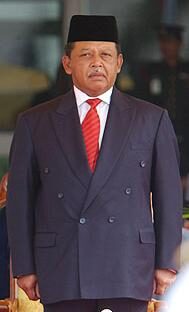 Sirajuddin I of Perlisraja of Perlis
 Aishwarya of NepalQueen of Nepal (1949-2001)
 Azlan Shah I of PerakSultan of Perak (1928-2014)
 Ismail Nasiruddin Shah of Terengganu4th Yang di-Pertuan Agong
