

Paris Law Faculty
Paris Law Faculty is a faculty.
- Located in
- 5th arrondissement of Paris
- Country
- France
- What it is
- faculty
All 4 facts, and where they come from
Facts
4 facts · 0 confirmed by two sources · 2 cited · 2 from one source
Where this comes from
Papalocal keeps its own record. It started from these sources; what each one said is kept here as it was copied, so a change on their side never changes this page by itself. Tap one to read its version.
What Wikidata says · copied November 17, 2026 · revision 2557387876
- Described as
- Paris Law Faculty of the former University of Paris
- What it is
- faculty; university building
- Located in
- 5th arrondissement of Paris · 1 reference
- Country
- France · 1 reference
- Wikipedias with a page
- 8
Wikidata item Q3064259 (wikidata.org/wiki/Q3064259), public domain (CC0). Copied 2026-11-17.
What Wikipedia says · copied November 17, 2026 · revision 1380301234
The Faculty of Law of Paris (French: Faculté de droit de Paris), called from the late 1950s to 1970 the Faculty of Law and Economics of Paris, is the second-oldest faculty of law in the world and one of the four and eventually five faculties of the University of Paris ("the Sorbonne"), from the 12th century until 1970.
During the Middle Ages, it was one of the two most important faculties of law in the world, along with the faculty of law of the University of Bologna (the oldest in the world). Pierre Abélard, founder of modern law, was its precursor, as a teacher at the cathedral school of Notre-Dame de Paris, Andrea Alciato, founder of legal humanism, was a professor there, and Saint Ivo, patron of lawyers and "Advocate of the Poor" according to the Catholic Church, had studied there. The prohibition by the Pope of teaching of Roman Law limited, however, its growth, to the benefit of the nearby University of Orléans, where numerous important French people studied law. In 1679, King Louis authorized the teaching of Roman Law. Numerous French intellectuals and revolutionaries, like Voltaire, Diderot and d'Alembert, Robespierre, etc. studied there. Between the French Revolution and its dissolution in 1970, numerous important people in France and in the world taught or studied there, including Victor Hugo, Claude Lévi-Strauss, Tocqueville, and Honoré de Balzac. The faculty of law is also mentioned in classical French literature, in particular in Les Misérables.
At the dissolution of the Sorbonne in 1970, its two main buildings were place du Panthéon and rue d'Assas. Most of its law professors (88 out of 108) decided to perpetuate the faculty of law and economics by creating and joining a university of law offering the same programs within the same two buildings; therefore, they created the "University of Law, Economics and Social Sciences of Paris", now called Panthéon-Assas University. Likewise, most of the economics professors (35 out of 41) preferred to found the multidisciplinary Paris 1 Panthéon-Sorbonne University with professors of the faculty of humanities of Paris and a few professors of law.
From the Wikipedia article “University of Paris Faculty of Law” (en.wikipedia.org/wiki/University_of_Paris_Faculty_of_Law), by its contributors, under CC BY-SA 4.0 (creativecommons.org/licenses/by-sa/4.0/). Copied 2026-11-17; not changed.
Confirmed Two sources agree. Cited One source, and it names where it got it. One source One source, without a reference of its own. Sources disagree The sources disagree. We show the best-supported value and keep theirs below.
Picture: Wikimedia Commons: Universite Paris I Pantheon-Sorbonne.jpg · See Commons file page
People connected 33
Studied here 33
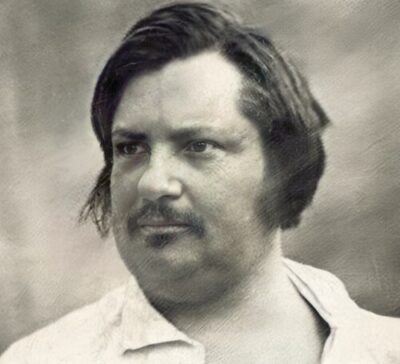 Honoré de Balzac (1816–1819)French novelist and playwright (1799–1850)
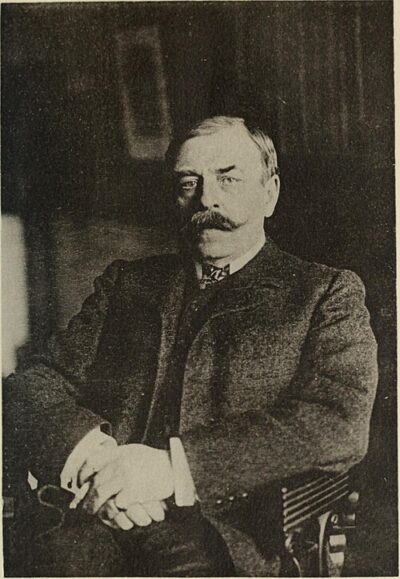 Octave MirbeauFrench writer, art critic and journalist (1848–1917)
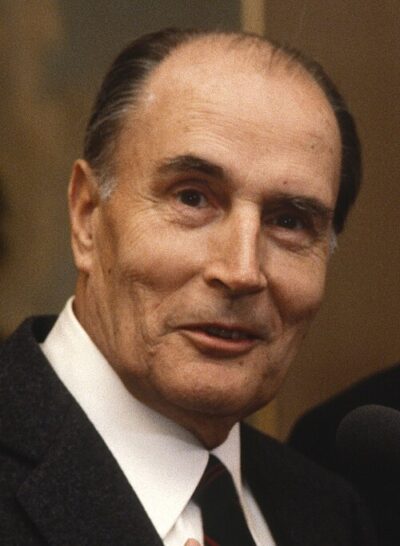 François Mitterrand21st President of the French Republic from 1981 to 1995 (1916–1996)
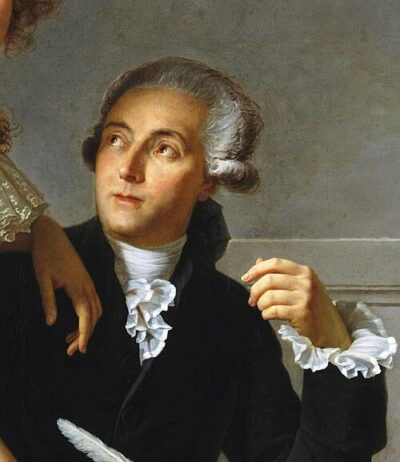 Antoine Lavoisier (1761–1764)French nobleman and chemist (1743–1794)
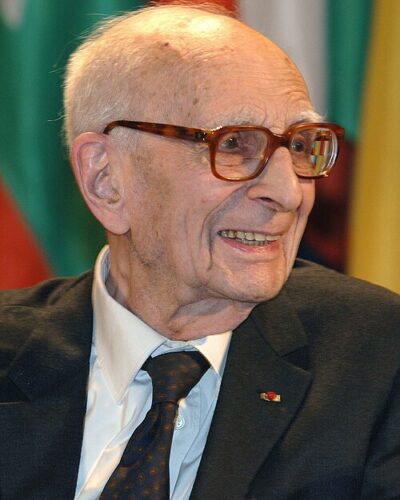 Claude Lévi-StraussFrench anthropologist and ethnologist (1908–2009)
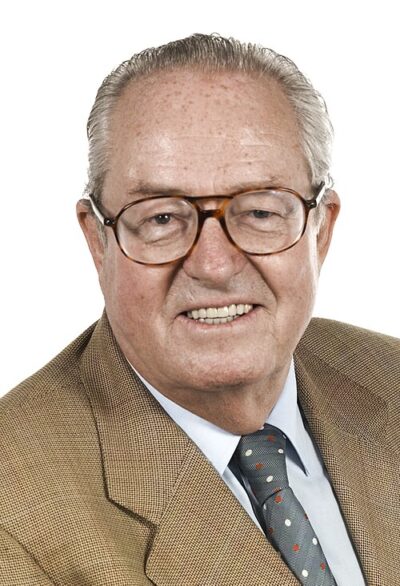 Jean-Marie Le PenFrench politician (1928–2025)
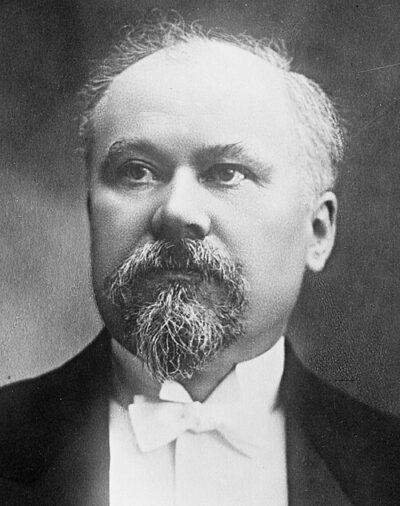 Raymond PoincaréFrench statesman and lawyer, President of France (1860-1934)
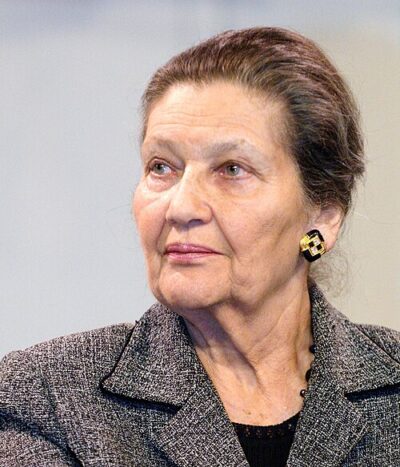 Simone VeilFrench politician (1927–2017)
- RRomain Gary (1935–1938)French writer and diplomat (1914–1980)
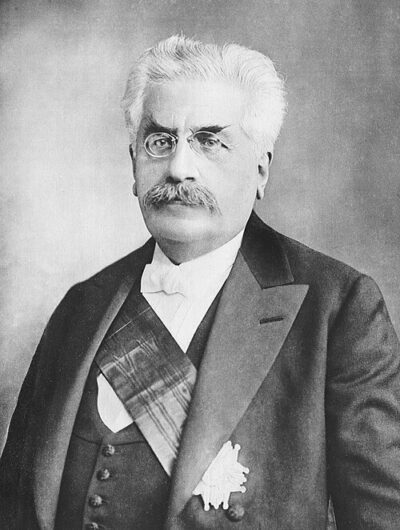 Alexandre MillerandFrench lawyer and statesman (1859–1943)
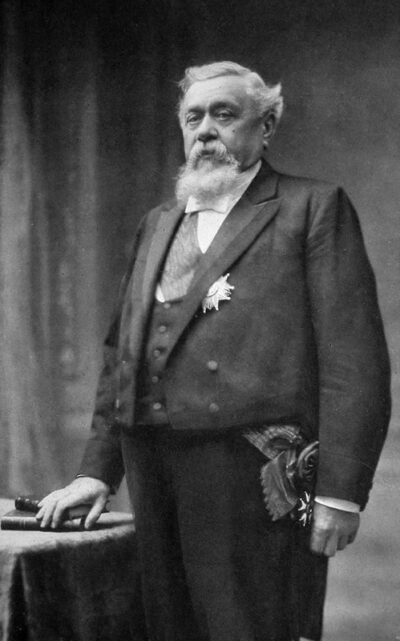 Armand Fallières9th president of France (1841–1931)
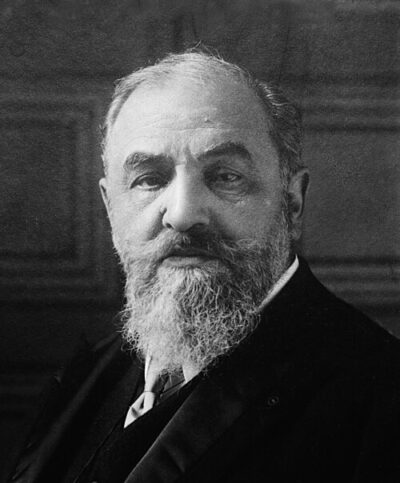 Léon BourgeoisFrench statesman (1851-1925)
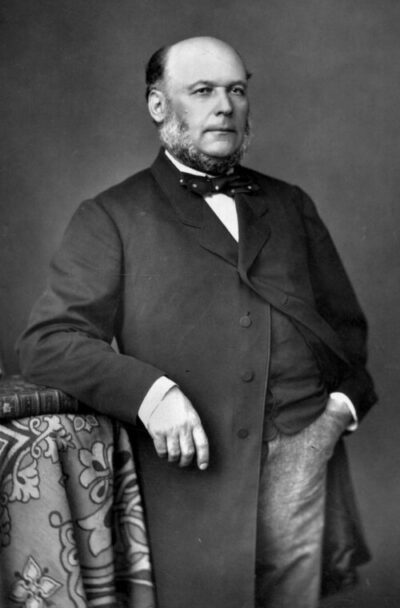 Jules GrévyFrench statesman and lawyer (1807–1891)
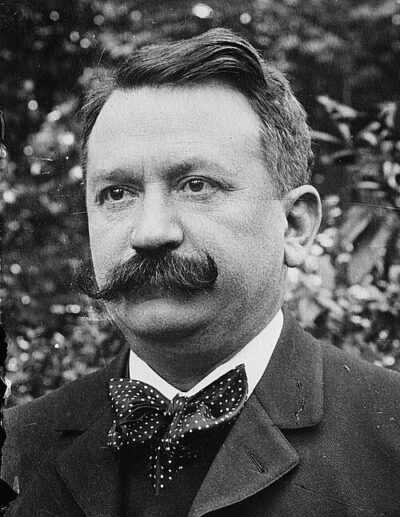 Gaston DoumergueFrench lawyer and statesman (1863–1937)
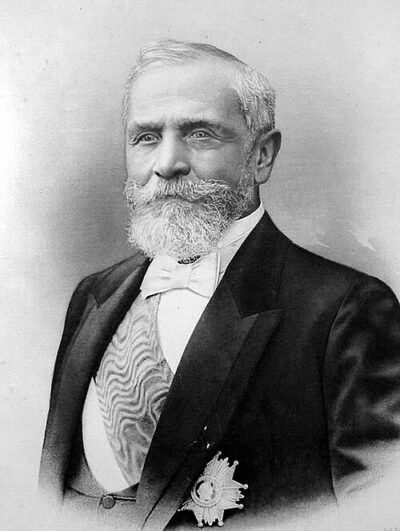 Émile Loubet8th president of France (1838–1929)
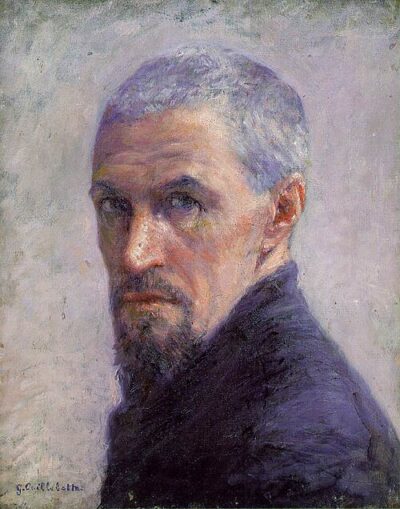 Gustave CaillebotteFrench painter (1848–1894)
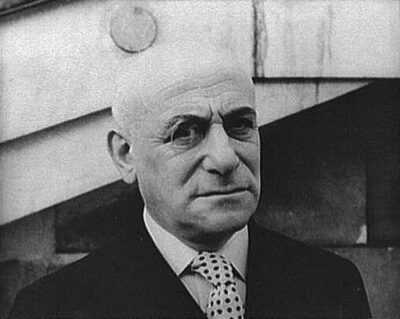 Max JacobFrench poet, painter, writer and critic (1876-1944)
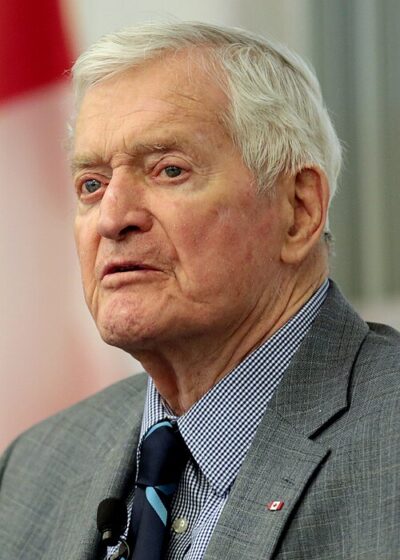 John Turner17th Prime Minister of Canada (1929–2020)
 Hector Malot (1850–1853)French writer (1830–1907)
 Alain de BenoistFrench political theorist
 Robert Badinter (–1952)French lawyer, politician and author (1928–2024)
 Edgar MorinFrench philosopher and sociologist (1921–2026)
 Jacques Chaban-Delmas82nd Prime Minister of France (1915–2000)
 Maurice Couve de Murville81st Prime Minister of France (1907-1999)
and 9 more
