Peking University
Peking University is a university in Beijing, China. It was founded in 1898 by Empress Dowager Cixi. It has 11,337 employees (2018). 50,481 students study there (2025).
- Located in
- Beijing
- Country
- People's Republic of China
- Founded
- July 3, 1898
- Students
- 50,481 (2025)
- What it is
- public university
All 12 facts, and where they come from
Facts
12 facts · 0 confirmed by two sources · 2 cited · 10 from one source
Where this comes from
Papalocal keeps its own record. It started from these sources; what each one said is kept here as it was copied, so a change on their side never changes this page by itself. Tap one to read its version.
What Wikidata says · copied November 16, 2026 · revision 2547941186
- Described as
- university in Beijing, China
- Other names
- PKU, Beida, Beijing University, University of Beijing, Imperial University of Peking
- What it is
- public university; higher education institution directly under Ministry of Education of the People’s Republic of China; vice-ministerial level university
- Founded
- July 3, 1898
- Founded by
- Empress Dowager Cixi · 1 reference
- Located in
- Beijing
- Country
- People's Republic of China · 1 reference
- Chair
- Gong Qihuang (2022–)
- Employees
- 4,206 · 1 reference
- Field
- higher education · 1 reference
- Students
- 50,481 (2025)
- Official website
- https://pku.edu.cn
- Wikipedias with a page
- 80
Wikidata item Q16952 (wikidata.org/wiki/Q16952), public domain (CC0). Copied 2026-11-16.
What Wikipedia says · copied November 16, 2026 · revision 1380699750
Peking University (PKU) is a public university in Haidian, Beijing, China. It is affiliated with and funded by the Ministry of Education. The university is part of Project 211, Project 985, and the Double First-Class Construction. It is also a member of the C9 League.
Founded in 1898 as the Imperial University of Peking by royal charter from the Guangxu Emperor, it is the second-oldest university in China after Tianjin University (established in 1895). In May 1912, the government of the Republic of China ordered the Imperial University of Peking to be renamed Peking University. After the People's Republic of China was established, the university merged with Yenching University during a nationwide restructuring of universities and academic departments in 1952. In April 2000, Beijing Medical University was merged into Peking University.
Peking University has eight faculties, namely Sciences, Informatics, Engineering, Humanities, Social Sciences, Economics and Management, Interdisciplinary as well as Health Science. It consists of 55 schools and departments, 24 research entities, and six affiliated hospitals. By 2024, Peking University's staff included 54 academicians of the Chinese Academy of Sciences, 16 academicians of the Chinese Academy of Engineering and 20 members of the World Academy of Sciences.
From the Wikipedia article “Peking University” (en.wikipedia.org/wiki/Peking_University), by its contributors, under CC BY-SA 4.0 (creativecommons.org/licenses/by-sa/4.0/). Copied 2026-11-16; not changed.
Confirmed Two sources agree. Cited One source, and it names where it got it. One source One source, without a reference of its own. Sources disagree The sources disagree. We show the best-supported value and keep theirs below.
Picture: Wikimedia Commons: PekingUniversityPic6.jpg · See Commons file page
People connected 13
Studied here
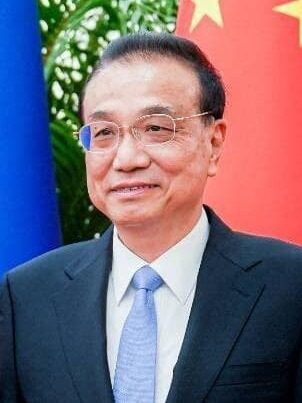 Li Keqiang (1978–1995)Premier of the People's Republic of China from 2013 to 2023
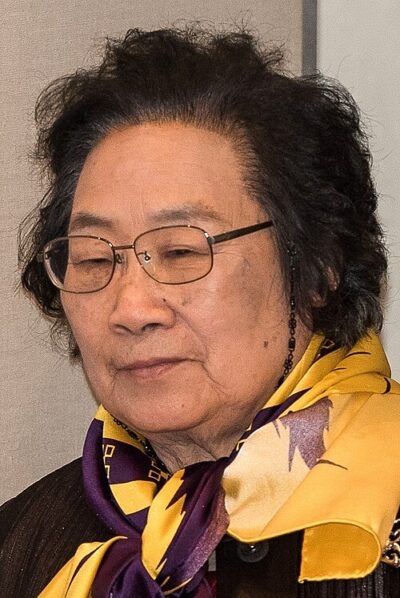 Tu Youyou (1951–1955)Chinese medical scientist
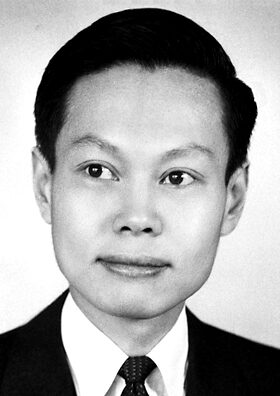 Chen-ning YangChinese physicist (1922–2025)
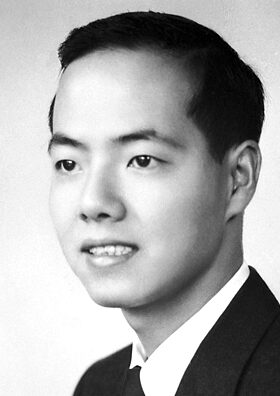 Tsung-Dao LeeChinese-American physicist (1926–2024)
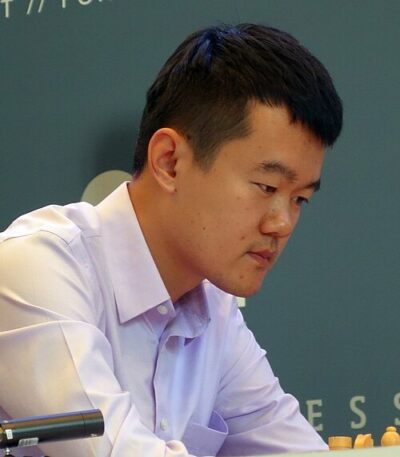 Ding LirenChinese grandmaster and former World Chess Champion
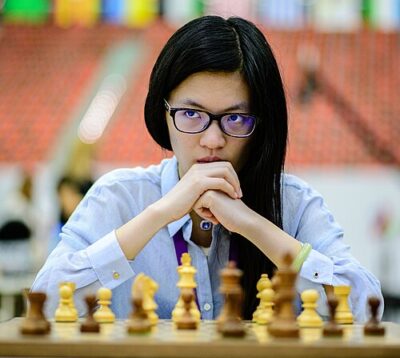 Hou YifanChinese chess player
- LLiu GangChinese scientist and revolutionary (born 1961)
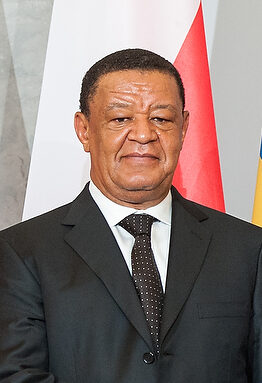 Mulatu Teshomeformer President of Ethiopia
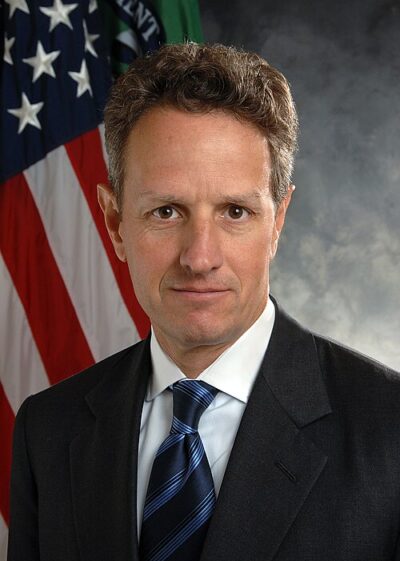 Timothy GeithnerAmerican central banker and politician
 Yitang ZhangChinese-born American mathematician
- LLiang CongjieChinese environmentalist