
pontifex maximus
Pontifex maximus is the chief high priest of the College of Pontiffs in ancient Rome, open only to patricians until 254 BCE, when a plebeian first occupied this post; gradually became politicized until, beginning with Augustus, it was subsumed into the Imperial office.
- Office of
- Ancient Rome
- Country
- Ancient Rome
All 5 facts, and where they come from
Facts
5 facts · 0 confirmed by two sources · 0 cited · 5 from one source
Where this comes from
Papalocal keeps its own record. It started from these sources; what each one said is kept here as it was copied, so a change on their side never changes this page by itself. Tap one to read its version.
What Wikidata says · copied November 16, 2026 · revision 2568988309
- Described as
- the chief high priest of the College of Pontiffs in ancient Rome, open only to patricians until 254 BCE, when a plebeian first occupied this post; gradually became politicized until, beginning with Augustus, it was subsumed into the Imperial office
- What it is
- high priest; position
- Country
- Ancient Rome
- Field
- ancient Roman religion
- Office of
- Ancient Rome
- Wikipedias with a page
- 47
Wikidata item Q212943 (wikidata.org/wiki/Q212943), public domain (CC0). Copied 2026-11-16.
What Wikipedia says · copied November 16, 2026 · revision 1361157836
The pontifex maximus (Latin for 'supreme pontiff') was the chief high priest of the College of Pontiffs (Collegium Pontificum) in ancient Rome. This was the most important position in the ancient Roman religion, open only to patricians until 254 BC, when a plebeian first held this position. Although in fact the most powerful office in the Roman priesthood, the pontifex maximus was officially ranked fifth in the ranking of the highest Roman priests (Ordo Sacerdotum), behind the Rex Sacrorum and the flamines maiores (Flamen Dialis, Flamen Martialis, Flamen Quirinalis).
A distinctly religious office under the early Roman Republic, it gradually became politicized until, beginning with Augustus, it was subsumed into the position of emperor in the Roman imperial period. Subsequent emperors were styled pontifex maximus well into Late Antiquity, including Gratian (r. 367–383), but during Gratian's reign the phrase was replaced in imperial titulature with the Latin phrase: pontifex inclytus ("honourable pontiff"), an example followed by Gratian's junior co-emperor Theodosius the Great and which was used by emperors thereafter including the co-augusti Valentinian III (r. 425–455), Marcian (r. 450–457) and the augustus Anastasius Dicorus (r. 491–518). The first to adopt the inclytus alternative to maximus may have been the rebel augustus Magnus Maximus (r. 383–388).
The word pontifex and its derivative "pontiff" became terms used for Christian bishops, including the Bishop of Rome. The title of pontifex maximus was adopted by the Catholic Church for the pope as its chief bishop and appears on buildings, monuments and coins of popes of Renaissance and modern times. The official list of titles of the pope given in the Annuario Pontificio includes "supreme pontiff" (Latin: summus pontifex) as the fourth title, the first being "bishop of Rome".
From the Wikipedia article “Pontifex maximus” (en.wikipedia.org/wiki/Pontifex_maximus), by its contributors, under CC BY-SA 4.0 (creativecommons.org/licenses/by-sa/4.0/). Copied 2026-11-16; not changed.
Confirmed Two sources agree. Cited One source, and it names where it got it. One source One source, without a reference of its own. Sources disagree The sources disagree. We show the best-supported value and keep theirs below.
People connected 5
Held this office
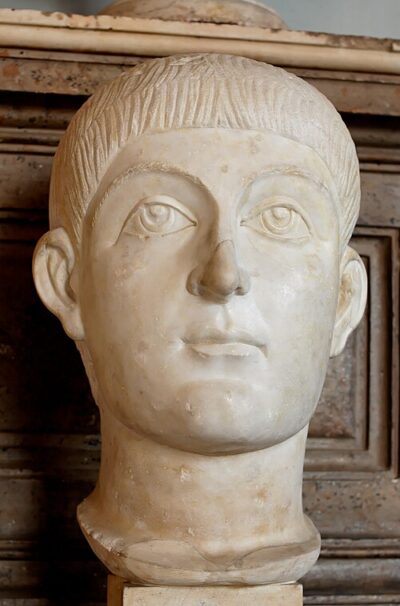 Valens (364–378)Roman emperor from 364 to 378
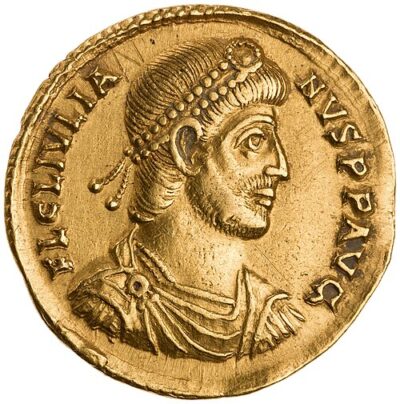 Julian (360–363)last Pagan Roman emperor, reigned 361 to 363
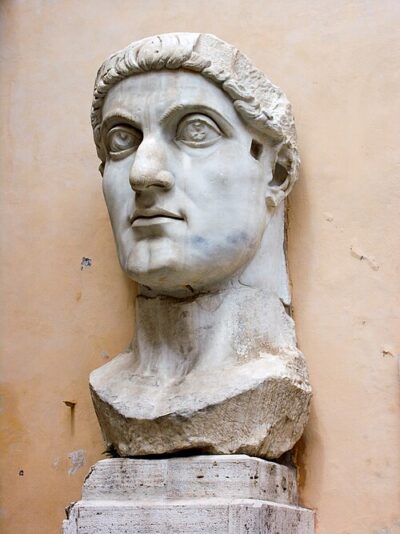 Constantine the Great (306–337)Roman emperor from 306 to 337 and first to convert to Christianity (272–337)
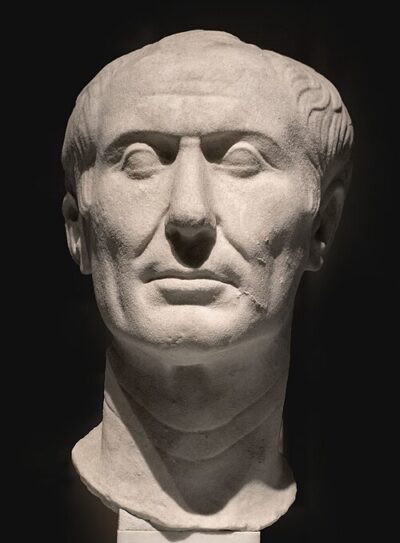 Julius Caesar (-63–-44)Roman general and dictator
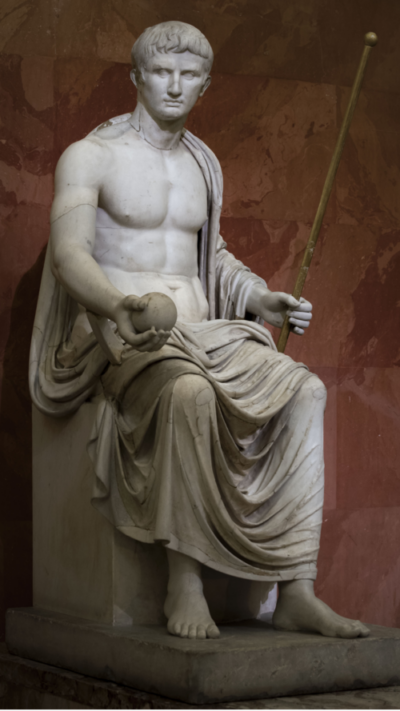 Augustus (-13–)first emperor of the Roman Empire and founder of the Julio-Claudian dynasty
