
Prime Minister of New Zealand
Prime Minister of New Zealand is a head of the New Zealand government. It was created in 1856.
- Office of
- New Zealand
- Country
- New Zealand
- Created
- May 7, 1856
All 6 facts, and where they come from
Facts
6 facts · 0 confirmed by two sources · 0 cited · 6 from one source
Where this comes from
Papalocal keeps its own record. It started from these sources; what each one said is kept here as it was copied, so a change on their side never changes this page by itself. Tap one to read its version.
What Wikidata says · copied November 17, 2026 · revision 2569459754
- Described as
- head of the New Zealand government
- Other names
- New Zealand Prime Minister, New Zealand PM, NZ Prime Minister, New Zealand Premier, NZ PM, Premier of New Zealand
- What it is
- public office; position
- Created
- May 7, 1856 · 1 reference
- Country
- New Zealand
- Office of
- New Zealand
- Official website
- http://www.primeminister.govt.nz/
- Wikipedias with a page
- 36
Wikidata item Q1071117 (wikidata.org/wiki/Q1071117), public domain (CC0). Copied 2026-11-17.
What Wikipedia says · copied November 17, 2026 · revision 1385734436
The prime minister of New Zealand (Māori: Te pirimia o Aotearoa) is the head of government of New Zealand. The incumbent prime minister, Christopher Luxon, leader of the New Zealand National Party, took office on 27 November 2023.
The prime minister (informally abbreviated to PM) ranks as the most senior government minister. They are responsible for chairing meetings of Cabinet; allocating posts to ministers within the government; acting as the spokesperson for the government; and providing advice to the sovereign or the sovereign's representative, the governor-general. They also have ministerial responsibility for the Department of the Prime Minister and Cabinet, which is based in the Beehive in Wellington.
The office exists by a long-established convention, which originated in New Zealand's former colonial power, the then United Kingdom of Great Britain and Ireland. The convention stipulates that when the office becomes vacant, the governor-general must select as prime minister the person most likely to command the support, or confidence, of the House of Representatives. This individual is typically the parliamentary leader of the political party that holds the largest number of seats in that house. The prime minister and Cabinet are collectively accountable for their actions to the governor-general, to the House of Representatives, to their political party, and ultimately to the national electorate.
Originally the head of government was titled "colonial secretary" or "first minister". This was changed in 1869 to "premier". That title remained in use for more than 30 years, until Richard Seddon changed it to "prime minister" in 1900 during his tenure in the office. Following the declaration of New Zealand as a Dominion in 1907, the term prime minister was formally adopted. The Māori title for the office is pirimia, and is derived from the English premier. New Zealand prime ministers are styled as "The Right Honourable", a privilege they retain for life.
Forty-two people (thirty-nine men and three women) have served as prime minister, the first being Henry Sewell, who took office on 7 May 1856 as premier. The longest-serving prime minister was Richard Seddon, who served over 13 years, and the shortest-serving was Sewell, who served two weeks.
From the Wikipedia article “Prime Minister of New Zealand” (en.wikipedia.org/wiki/Prime_Minister_of_New_Zealand), by its contributors, under CC BY-SA 4.0 (creativecommons.org/licenses/by-sa/4.0/). Copied 2026-11-17; not changed.
Confirmed Two sources agree. Cited One source, and it names where it got it. One source One source, without a reference of its own. Sources disagree The sources disagree. We show the best-supported value and keep theirs below.
Picture: Doug Mountain, via Wikimedia Commons · CC0
People connected 21
Held this office
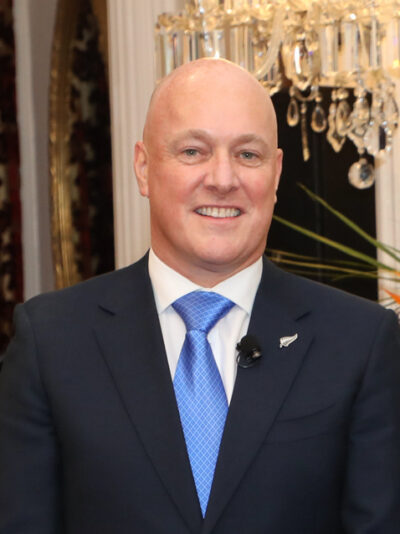
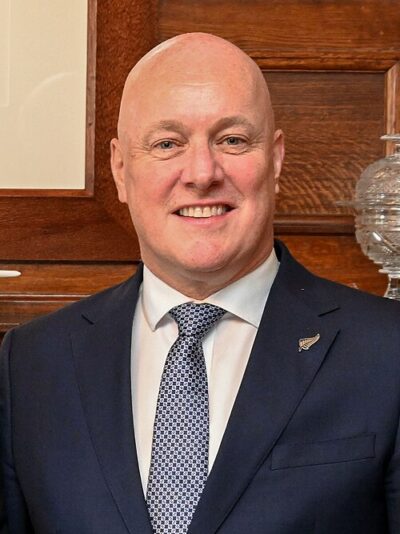 Christopher Luxon (2023–)Prime Minister of New Zealand since 2023
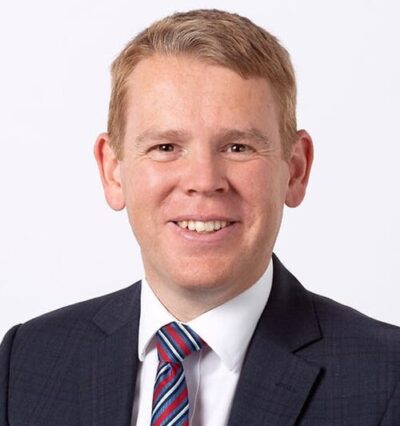 Chris Hipkins (2023)Prime Minister of New Zealand from January to November 2023
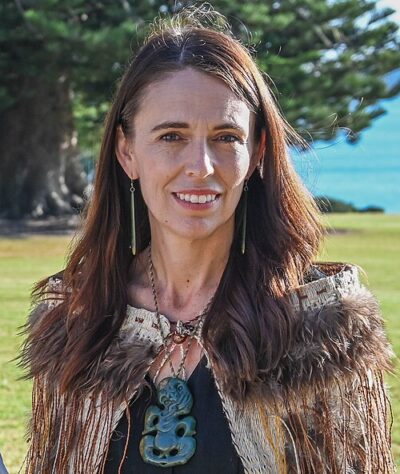 Jacinda Ardern (2017–2023)Prime Minister of New Zealand (2017–2023)
 Bill English (2016–2017)Prime Minister of New Zealand from 2016 to 2017
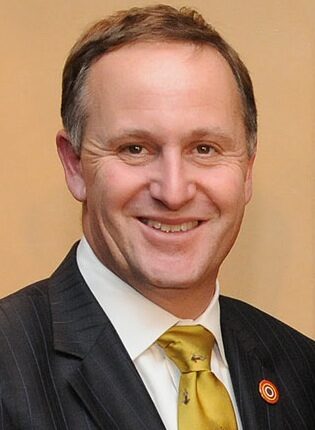 John Key (2008–2016)Prime Minister of New Zealand from 2008 to 2016
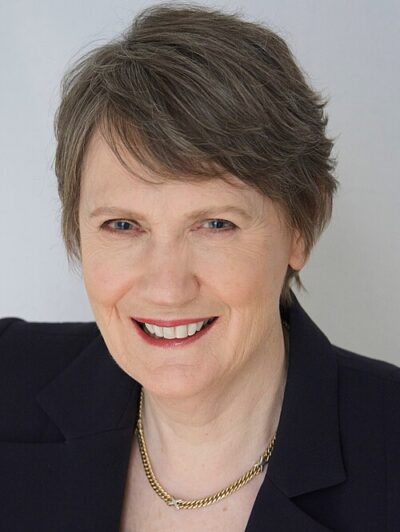 Helen Clark (1999–2008)Prime Minister of New Zealand from 1999 to 2008
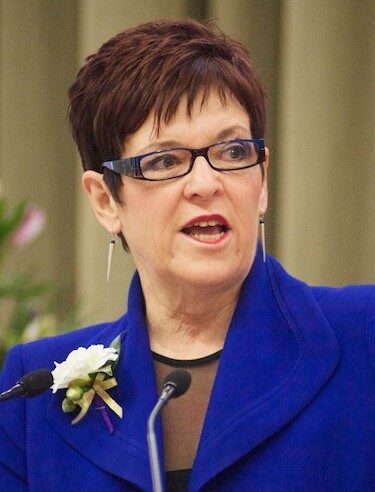 Jenny Shipley (1997–1999)New Zealand politician
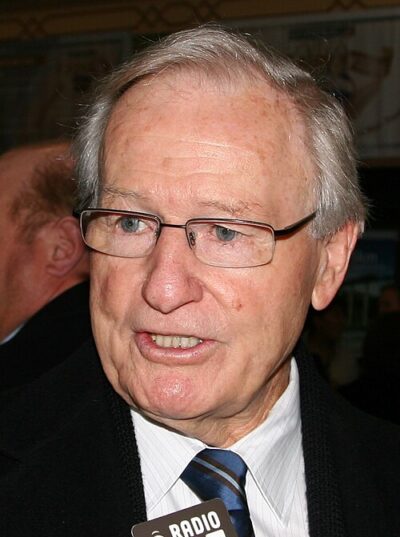 Jim Bolger (1990–1997)Prime Minister of New Zealand from 1990 to 1997
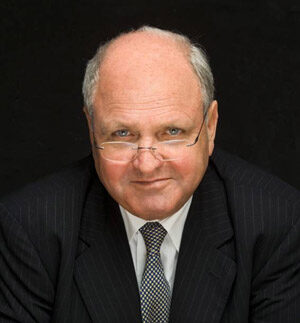 Mike Moore (1990)Prime Minister of New Zealand in 1990
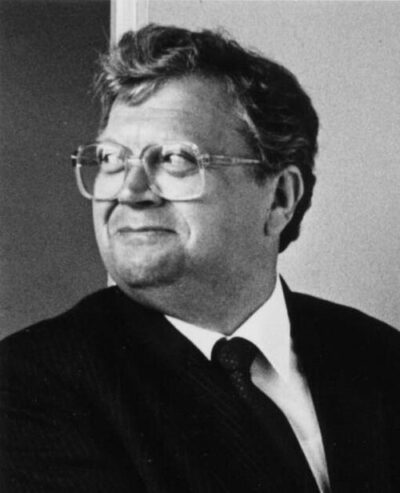 David Lange (1984–1989)Prime Minister of New Zealand from 1984 to 1989
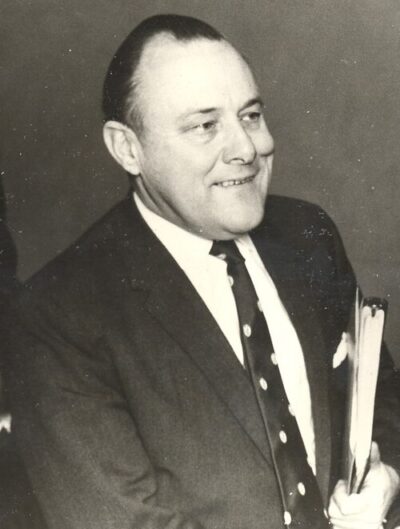 Robert Muldoon (1975–1984)Prime Minister of New Zealand, politician (1921–1992)
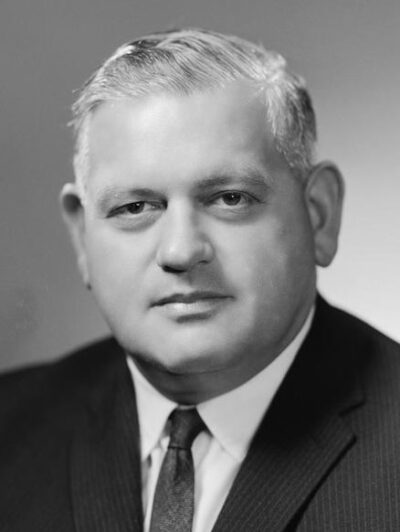 Norman Kirk (1972–1974)Prime Minister of New Zealand, politician (1923–1974)
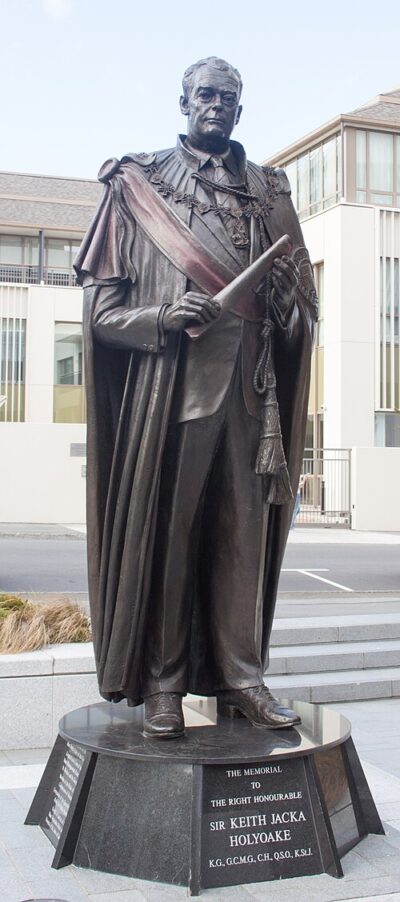 Keith Holyoake (1957–1972)Viceroy, Prime Minister of New Zealand, politician (1904-1983)
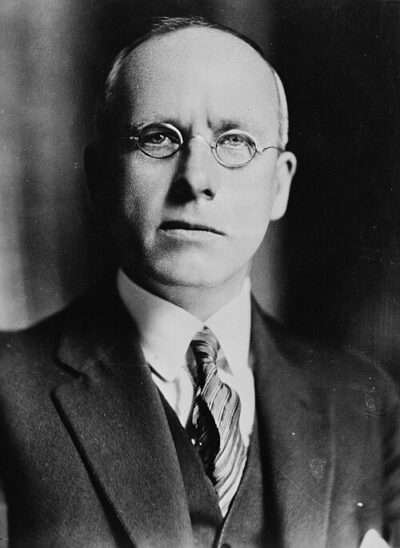 Peter Fraser (1940–1949)New Zealand politician (1884–1950)
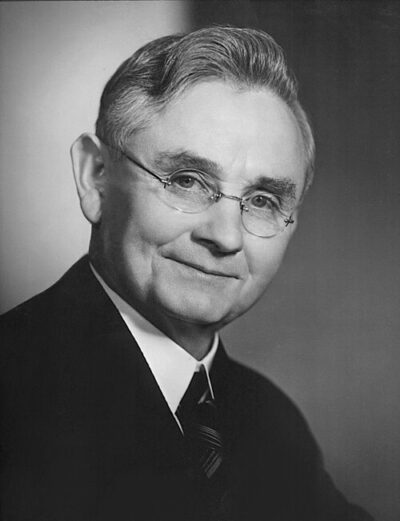 Michael Joseph Savage (1935–1940)first Labour Prime Minister of New Zealand (1872-1940)
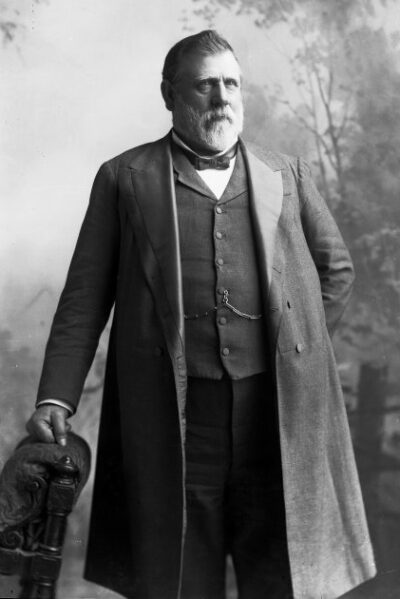 Richard Seddon (1893–1906)New Zealand politician and Prime Minister (1845–1906)
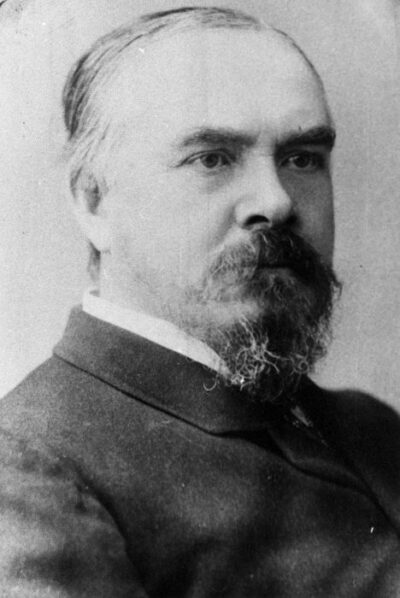 John Ballance (1891–1893)14th Premier of New Zealand (1839-1893)
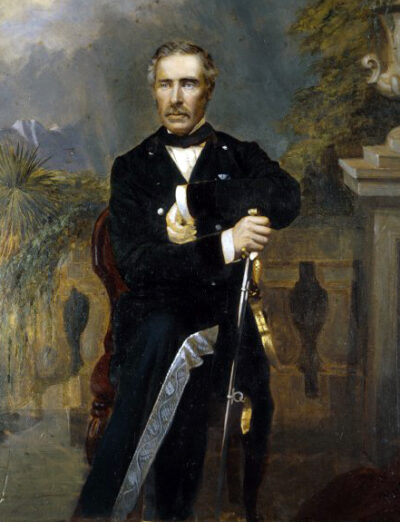 George Grey (1877–1879)British soldier, explorer, colonial administrator and writer (1812–1898)
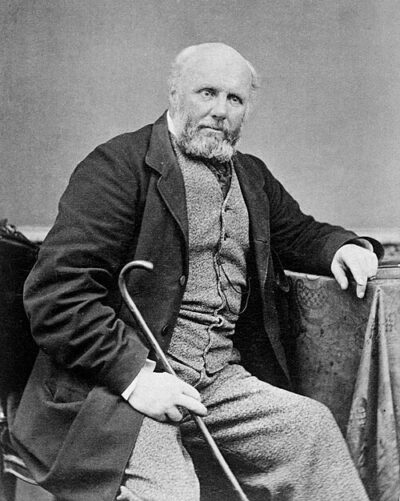 Alfred Domett (1862–1863)Prime Minister of New Zealand (1811-1887)
 William Fox (1856–1873)Premier of New Zealand in the 19th century, company agent, explorer and artist (1812–1893)
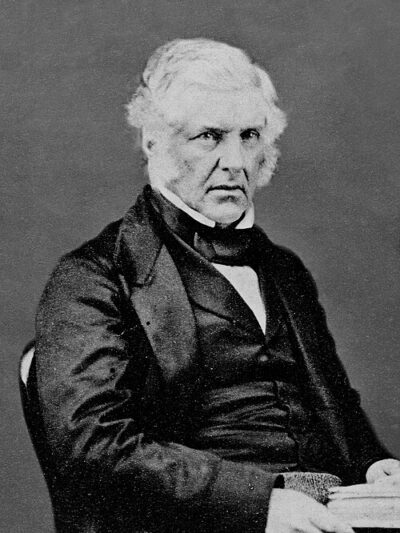 Henry Sewell (1856)19th-century New Zealand politician (1807-1879)
