
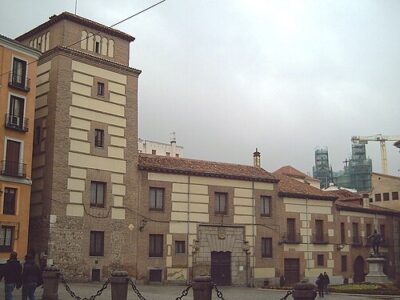
Royal Academy of Moral and Political Sciences
The Royal Academy of Moral and Political Sciences is an academy of social sciences in Spain. It was founded in 1857 by Isabella II of Spain. Its headquarters are in Casa y Torre de los Lujanes.
- Founded
- 1857
- Founded by
- Isabella II of Spain
- Headquarters
- Casa y Torre de los Lujanes
- Country
- Spain
All 9 facts, and where they come from
Facts
9 facts · 0 confirmed by two sources · 0 cited · 9 from one source
Where this comes from
Papalocal keeps its own record. It started from these sources; what each one said is kept here as it was copied, so a change on their side never changes this page by itself. Tap one to read its version.
What Wikidata says · copied November 17, 2026 · revision 2567839291
- Described as
- academy of social sciences in Spain
- What it is
- academy of sciences; national academy
- Founded
- 1857
- Founded by
- Isabella II of Spain · 1 reference
- Headquarters
- Casa y Torre de los Lujanes · 1 reference
- Located in
- Madrid · 1 reference
- Country
- Spain · 1 reference
- Chair
- Juan Velarde Fuertes (2015–)
- Official website
- https://racmyp.es/
- Wikipedias with a page
- 8
Wikidata item Q840015 (wikidata.org/wiki/Q840015), public domain (CC0). Copied 2026-11-17.
What Wikipedia says · copied November 17, 2026 · revision 1377334822
The Royal Academy of Moral and Political Sciences (Spanish: Real Academia de Ciencias Morales y Políticas, RACMP) is a Spanish institution in Madrid that studies and discuss issues related to social, economic, philosophical, political and juridical knowledge. It was created on 30 September 1857, by Royal Decree of Queen Isabella II.
The Academy provides a place for debate on ideas and major questions facing our society; serving as a center for the diffusion of knowledge and an investigative laboratory. Its work is based on the cumulative knowledge of its Academicians; significant personalities from the fields of politics, economics and social sciences of the last century and a half.
The objective was to establish a counterpart to the Royal Academy of History. In pursuit of that goal, its first members included progressive thinkers such as Salustiano Olózaga in addition to more moderate figures, which included Juan Bravo Murillo and Modesto Lafuente.
The Directorate of the Academy is composed of a President and five other members who serve in executive functions and ensure compliance with statutes and regulations. The Academy itself is divided into four sections: Ciencias Filosóficas, Ciencias Políticas y jurídicas, Ciencias Sociales and Ciencias Económicas.
The headquarters of the Academy are located in the Casa y Torre de los Lujanes, the oldest public building in Madrid, where weekly plenary sessions are held for debates. Lectures, presentations and assorted events are also provided for the public. The library, which contains over 140,000 volumes, is open to researchers from around the world.
Among those who have been members of the Academy are politicians and jurists such as Francisco Martínez de la Rosa, Antonio Alcalá Galiano, Antonio Cánovas del Castillo, Julián Besteiro and Faustino Rodríguez-San Pedro y Díaz-Argüelles. Notable members who were specialists in various fields of the social sciences include Antonio Cavanilles, Marcelino Menéndez y Pelayo, Joaquín Ruiz-Giménez and Salvador de Madariaga.
From the Wikipedia article “Royal Academy of Moral and Political Sciences” (en.wikipedia.org/wiki/Royal_Academy_of_Moral_and_Political_Sciences), by its contributors, under CC BY-SA 4.0 (creativecommons.org/licenses/by-sa/4.0/). Copied 2026-11-17; not changed.
Confirmed Two sources agree. Cited One source, and it names where it got it. One source One source, without a reference of its own. Sources disagree The sources disagree. We show the best-supported value and keep theirs below.
Picture: Luis García from Madrid (Spain)., via Wikimedia Commons · CC BY-SA 2.0
People connected 28
Members 28
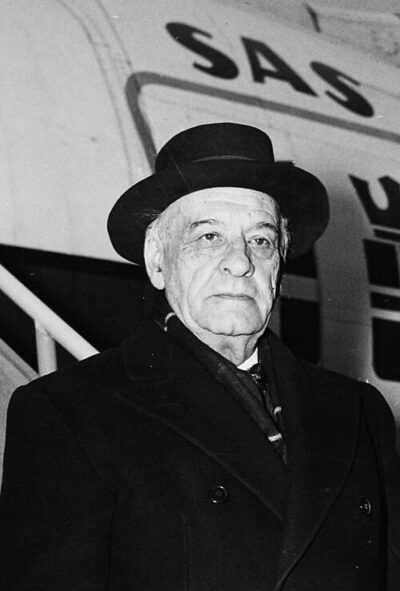 José Ortega y GassetSpanish liberal philosopher and essayist (1883–1955)
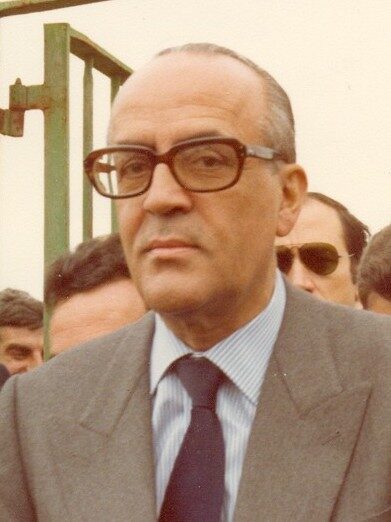 Leopoldo Calvo-Sotelo (2005–2008)Spanish politician (1926–2008)
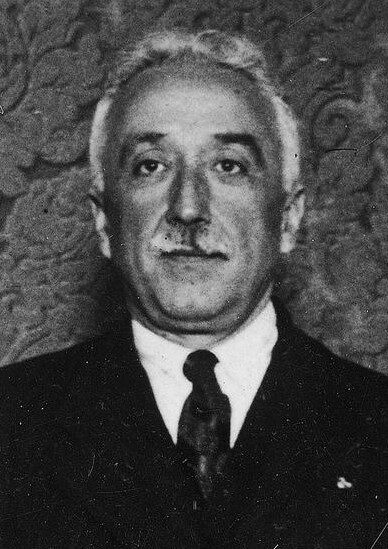 Niceto Alcalá-ZamoraSpanish lawyer and politician (1877-1949)
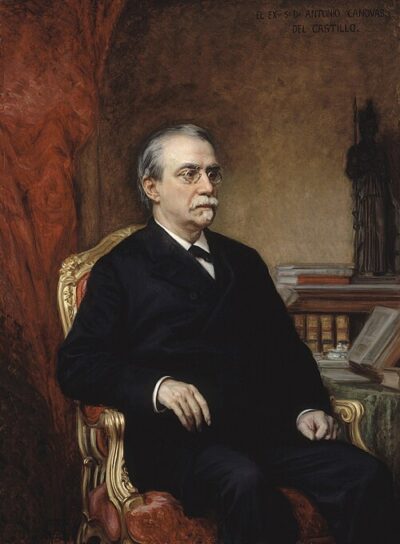 Antonio Cánovas del CastilloSpanish politician and Bourbon Restoration architect (1828–1897)
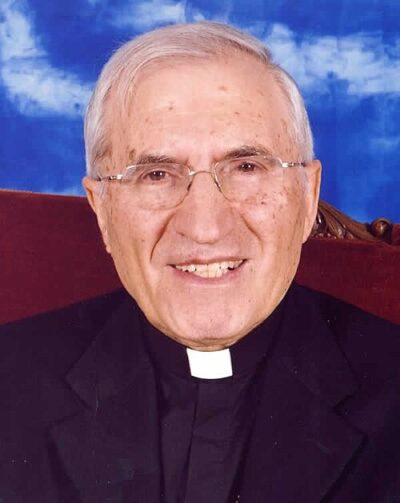 Antonio María Rouco VarelaSpanish Catholic cardinal
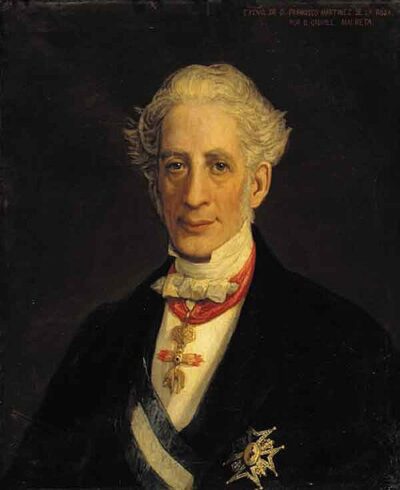 Francisco de Paula Martínez de la Rosa y BerdejoSpanish dramatist and politician (1787-1862)
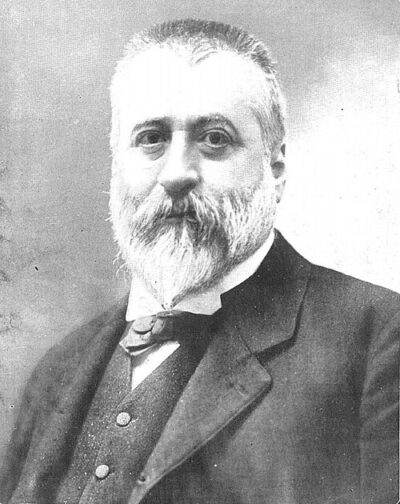 Marcelino Menéndez y Pelayo (1891–1912)Spanish scholar (1856–1912)
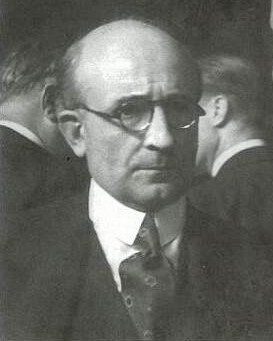 Salvador de MadariagaSpanish diplomat, writer and historian (1886-1978)
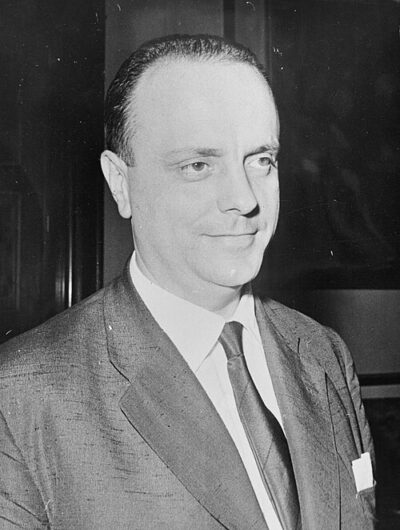 Manuel FragaSpanish politician (1922–2012)
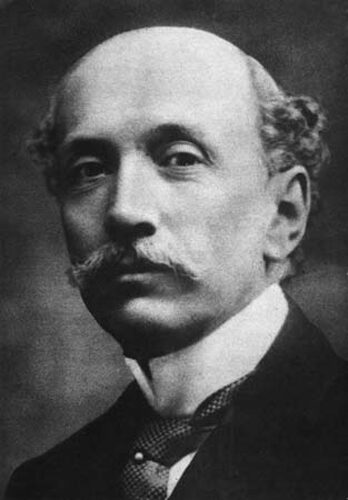 Eduardo DatoSpanish author (1856-1921)
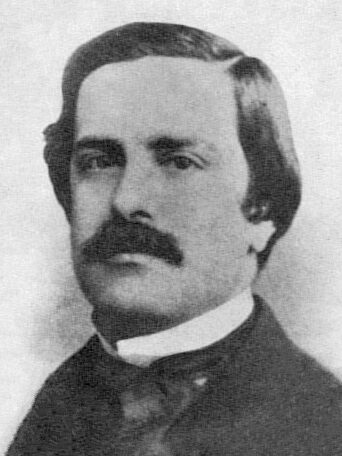 Juan ValeraSpanish writer and diplomat (1824–1905)
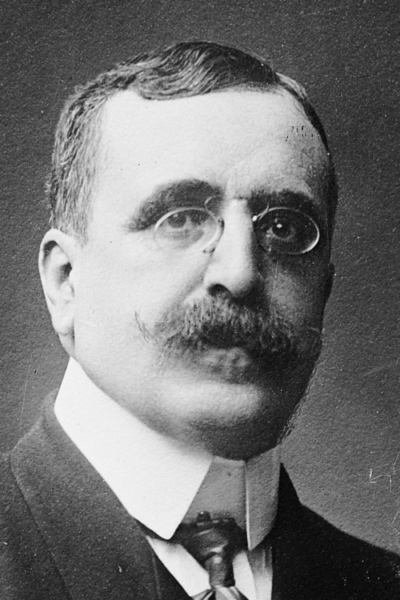 José CanalejasSpanish politician (1854-1912)
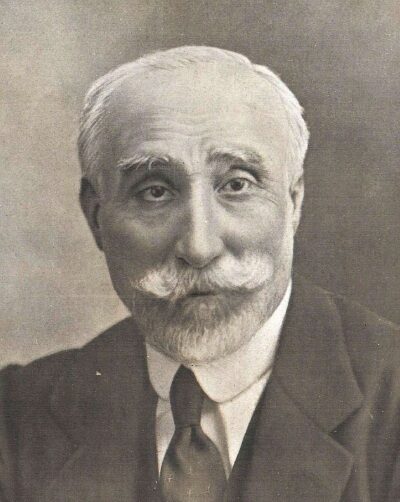 Antonio MauraSpanish politician (1853-1925)
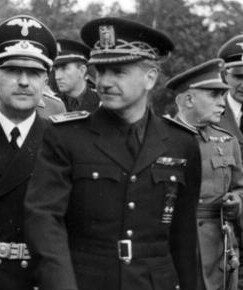 Ramón Serrano SuñerSpanish politician (1901-2003)
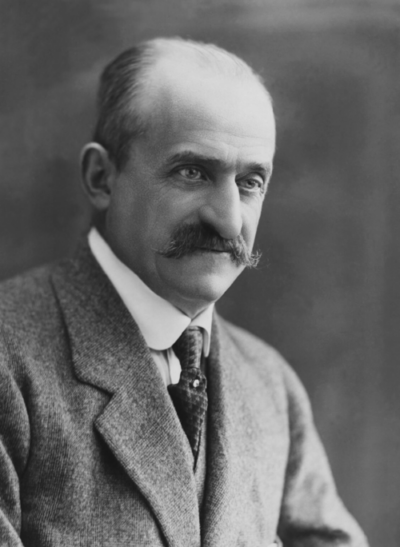 Álvaro de Figueroa, 1st Count of RomanonesSpanish diplomat and writer (1863-1950)
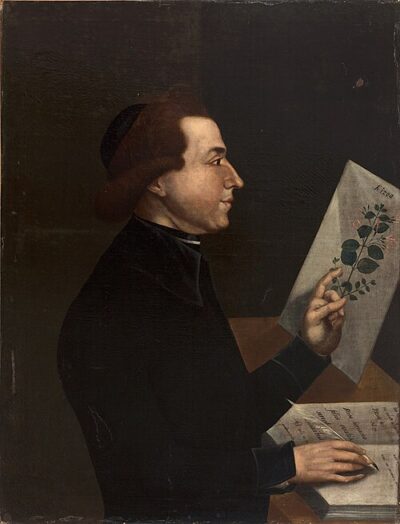 Antonio José CavanillesSpanish botanist (1745–1804)
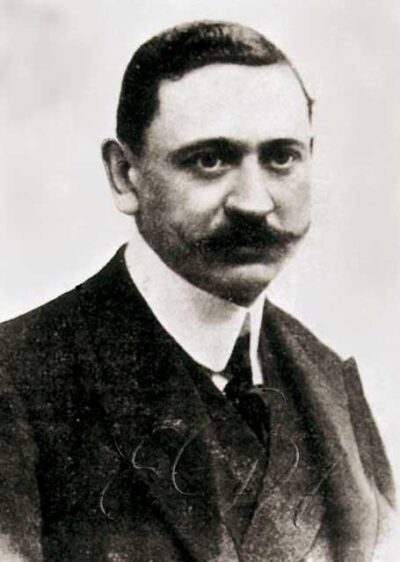 Manuel García-Prieto, 1st Marquis of Alhucemas (1912–1938)Spanish politician (1859–1938)
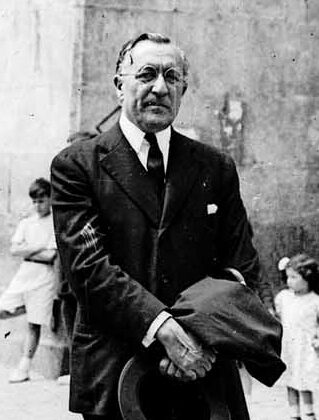 Ramiro de MaeztuSpanish political theorist, journalist, and literary critic (1874–1936)
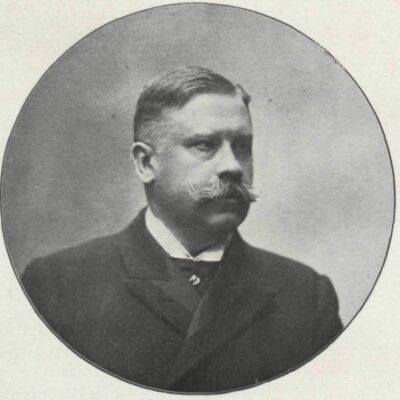 Raimundo Fernández Villaverde (1889–1905)Spanish politician (1848–1905)
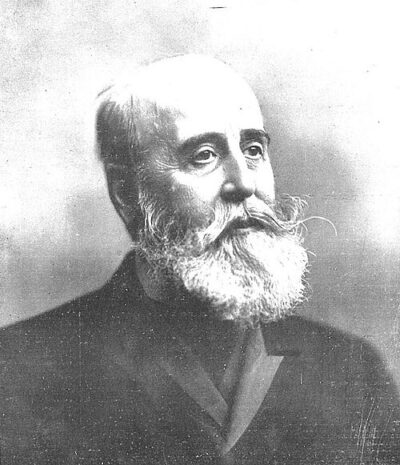 Segismundo MoretSpanish politician, art collector and writer (1833-1913)
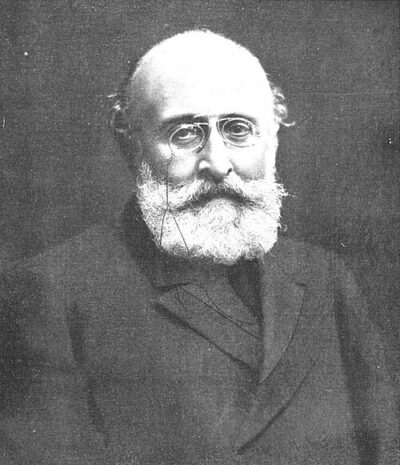 Francisco SilvelaSpanish politician (1843–1905)
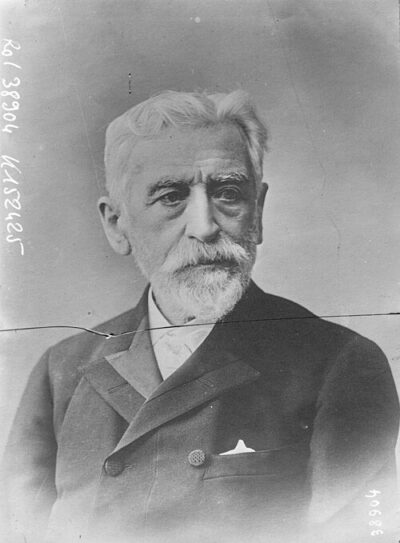 Eugenio Montero RíosSpanish politician (1832–1914)
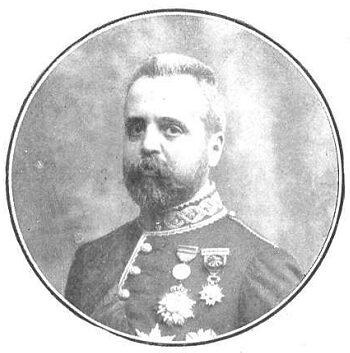 José Sánchez Guerra (1923–1935)Spanish politician (1859-1935)
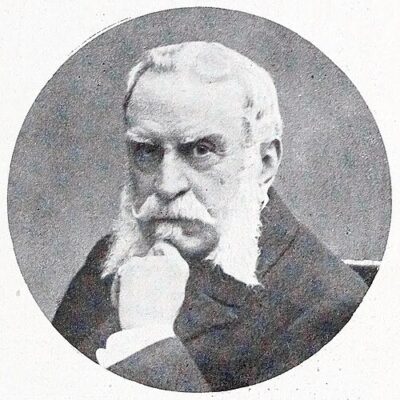 Antonio González de Aguilar, 8th Marquis of la Vega de ArmijoSpanish politician (1824-1908)
and 4 more
