
Socialist Unity Party of Germany
Socialist Unity Party of Germany is a communist political party and ruling state party of the GDR. It was founded in 1946. Its headquarters are in Former Reichsbank building. It stands for Marxism–Leninism and communism.
- Country
- East Germany
- Founded
- April 22, 1946
- Ideology
- Marxism–Leninism
- Chair
- Walter Ulbricht
All 10 facts, and where they come from
Facts
10 facts · 0 confirmed by two sources · 0 cited · 10 from one source
Where this comes from
Papalocal keeps its own record. It started from these sources; what each one said is kept here as it was copied, so a change on their side never changes this page by itself. Tap one to read its version.
What Wikidata says · copied November 17, 2026 · revision 2567679396
- Described as
- communist political party and ruling state party of the GDR
- Other names
- SED, Sozialistische Einheitspartei Deutschlands, East German Communist Party
- What it is
- political party
- Comes after
- Social Democratic Party of Germany
- Founded
- April 22, 1946
- Ended
- December 16, 1989
- Headquarters
- Former Reichsbank building
- Country
- East Germany
- Chair
- Wilhelm Pieck (1946–1950); Otto Grotewohl (1946–1950)
- Ideology
- Marxism–Leninism; communism
- Wikipedias with a page
- 55
Wikidata item Q49750 (wikidata.org/wiki/Q49750), public domain (CC0). Copied 2026-11-17.
What Wikipedia says · copied November 17, 2026 · revision 1386190594
The Socialist Unity Party of Germany (German: Sozialistische Einheitspartei Deutschlands, pronounced [zotsi̯aˈlɪstɪʃə ˈʔaɪnhaɪtspaʁˌtaɪ ˈdɔʏtʃlants] ; SED, pronounced [ˌɛsʔeːˈdeː] ) was the founding and ruling party of the German Democratic Republic (GDR) from the country's establishment in 1949 until the Peaceful Revolution of 1989. Formed in 1946 through a forced merger of the East German branches of the Communist Party of Germany and the Social Democratic Party of Germany, the SED built and ruled East Germany as a one-party Marxist–Leninist state. The SED had, at the last official count in late November 1989, 2,129,250 members, or about 17% of the entire East German adult population.
The SED was structured according to democratic centralism, with authority flowing from the Party Congress through the Central Committee to the Politburo. Though the Party Congress formally held supreme authority, the Politburo and the Secretariat carried out decision-making between congresses. The SED's General Secretary wielded absolute power, often serving concurrently in key state roles. Walter Ulbricht, the party's leading figure from the early 1950s until 1971, oversaw the construction of East Germany's socialist economy and institutions, but was eventually deposed for a series of failed economic reforms aimed at raising the GDR's competitiveness, as well as a worsening relationship with the Soviets.
His successor, Erich Honecker, presided over a period of increasing economic stagnation until 1989. The SED promoted universal education and healthcare, the collectivisation of agriculture and the nationalisation of industry, while placing emphasis on ideological training, including mandatory instruction in Marxism–Leninism and the Russian language in schools and universities. Near the end of the Cold War, it remained skeptical of perestroika and glasnost under Soviet leader Mikhail Gorbachev, viewing these as destabilising for the socialist project. This position eventually contributed to East Germany's political isolation and the rapid transformation that followed in 1989.
In the wake of the Peaceful Revolution and the reunification of Germany, the SED's reformist elements moved swiftly to reposition the party within a pluralist system. In December 1989, it reconstituted itself as the Party of Democratic Socialism (PDS), formally abandoning Marxism–Leninism and endorsing democratic socialism. The PDS achieved some genuine electoral support in the former GDR during the 1990s, securing 16.4% of the vote in the 1990 East German general election and being a regional force in subsequent elections. In 2007, it merged with Labour and Social Justice (WASG) to form The Left (Die Linke), which remains a parliamentary force in the Bundestag, continuing to represent the legacy of East German socialism within a democratic framework in a reunified Germany.
From the Wikipedia article “Socialist Unity Party of Germany” (en.wikipedia.org/wiki/Socialist_Unity_Party_of_Germany), by its contributors, under CC BY-SA 4.0 (creativecommons.org/licenses/by-sa/4.0/). Copied 2026-11-17; not changed.
Confirmed Two sources agree. Cited One source, and it names where it got it. One source One source, without a reference of its own. Sources disagree The sources disagree. We show the best-supported value and keep theirs below.
People connected 59
Party members 59
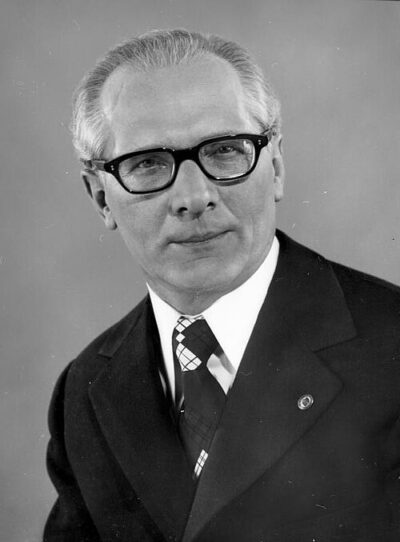 Erich Honecker (–1989)former leader of East Germany, General Secretary of the Socialist Unity Party (1976-1989)
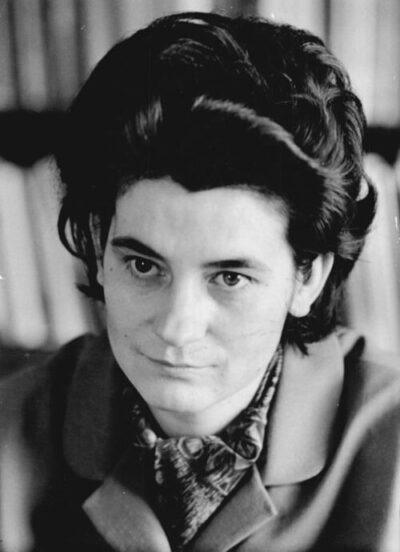 Christa WolfGerman novelist and essayist (1929–2011)
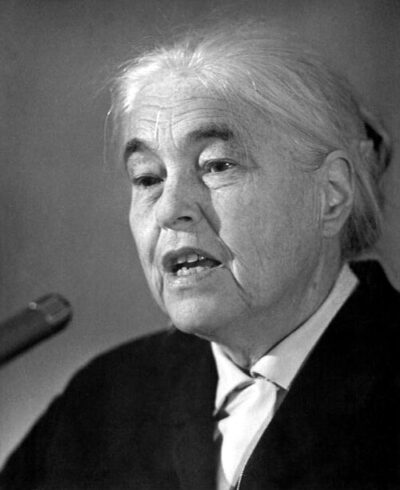 Anna SeghersGerman writer (1900–1983)
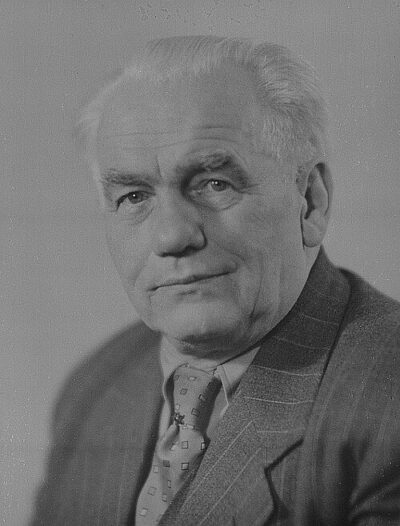 Wilhelm PieckGerman communist politician, president of GDR (1876-1960)
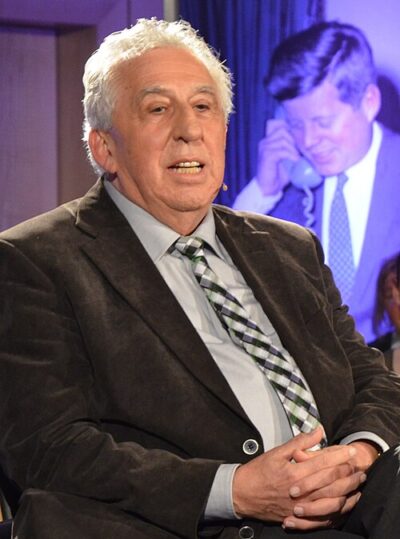 Egon KrenzGerman politician, communist leader of East Germany
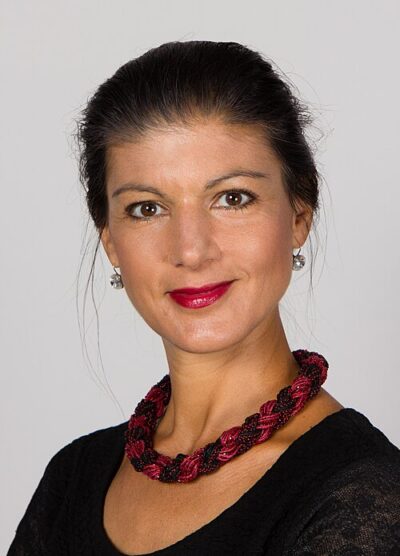 Sahra Wagenknecht (1989–)German politician (born 1969)
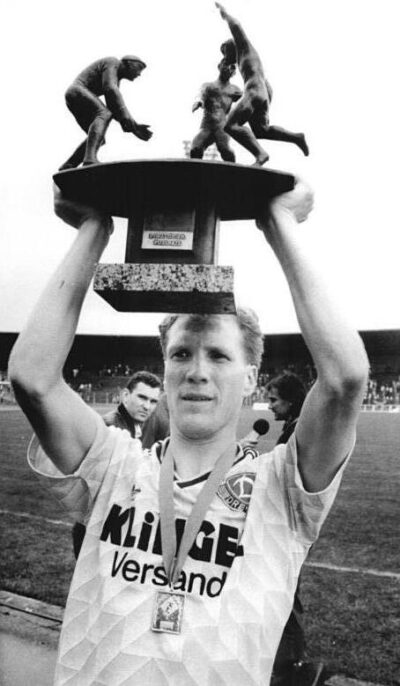 Matthias SammerGerman association football player, coach and executive (born 1967)
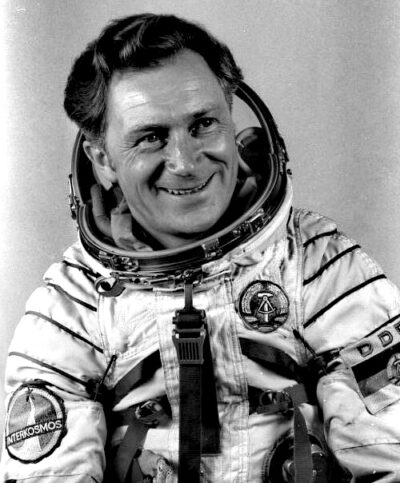 Sigmund JähnEast German cosmonaut (1937–2019)
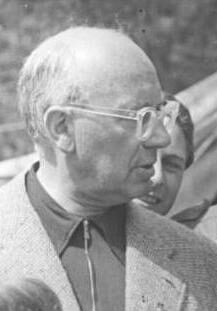 Johannes R. BecherGerman politician, novelist and poet (1891–1958)
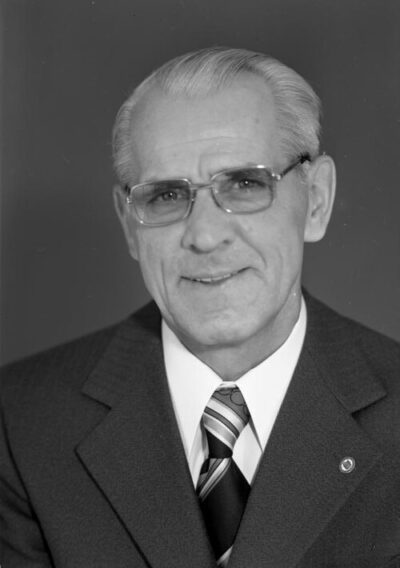 Willi StophGerman politician (1914–1999)
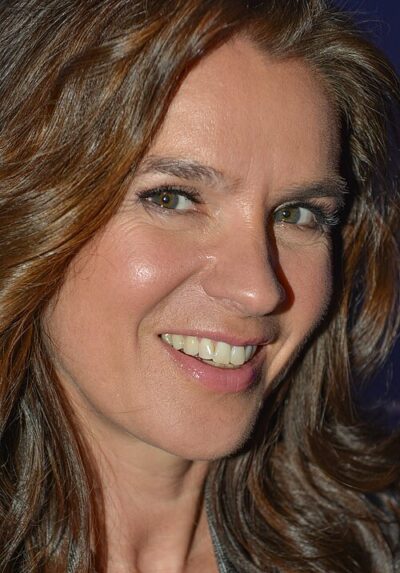 Katarina WittGerman figure skater
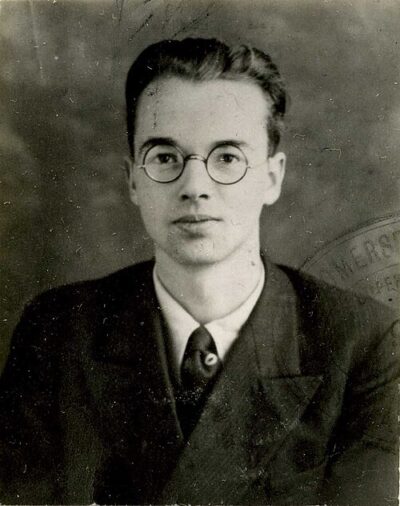 Klaus Fuchs (1959–)German-born British theoretical physicist and atomic spy (1911-1988)
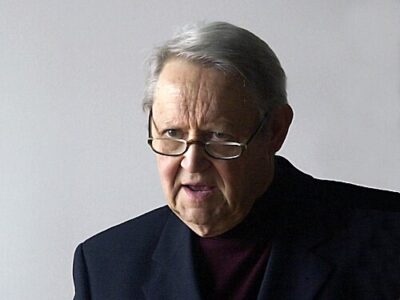 Günter Schabowski (1952–1990)German politician (1929-2015)
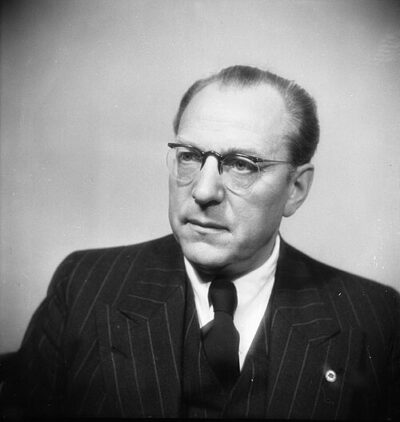 Otto GrotewohlGerman politician (1894–1964)
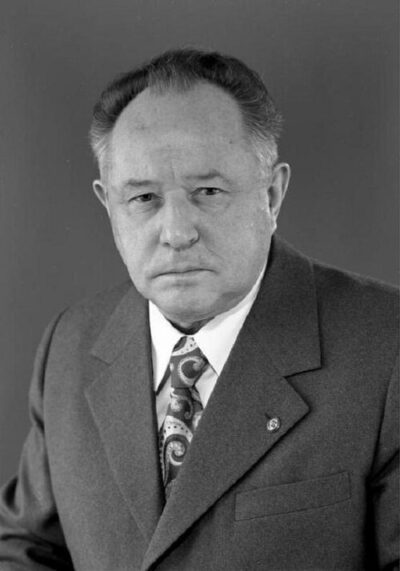 Erich Mielke (1946–1989)German politician (1907-2000)
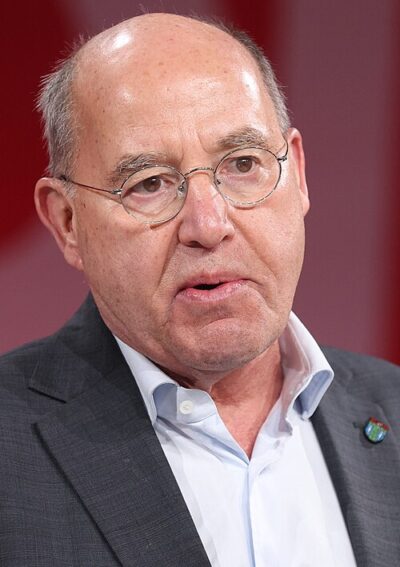 Gregor Gysi (1967–1990)German lawyer and left-wing politician
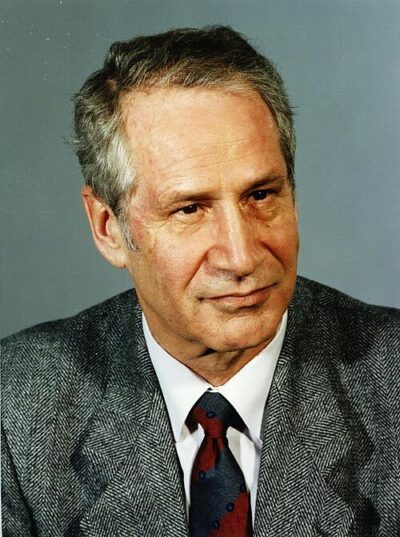 Markus WolfHead of the East German foreign intelligence service during the Cold War (1923–2006)
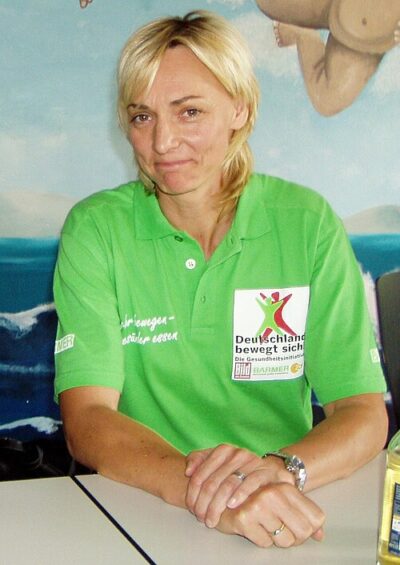 Heike DrechslerEast German long jumper (born 1964)
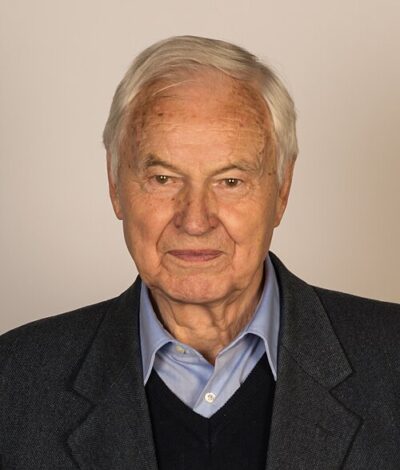 Hans Modrow (1949–1989)German politician (1928–2023)
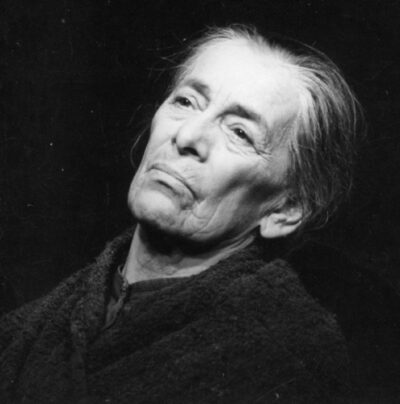 Helene WeigelGerman actress and artistic director (1900–1971)
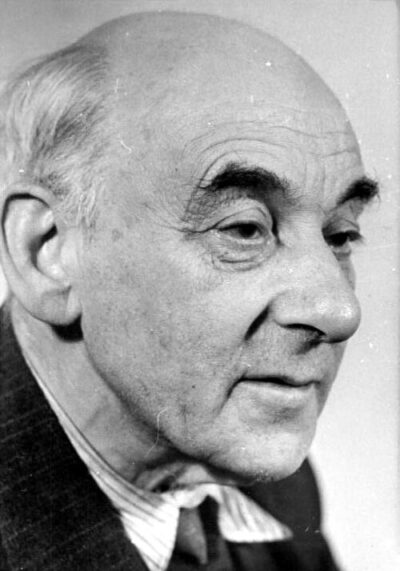 Victor KlempererGerman philologist (1881-1960)
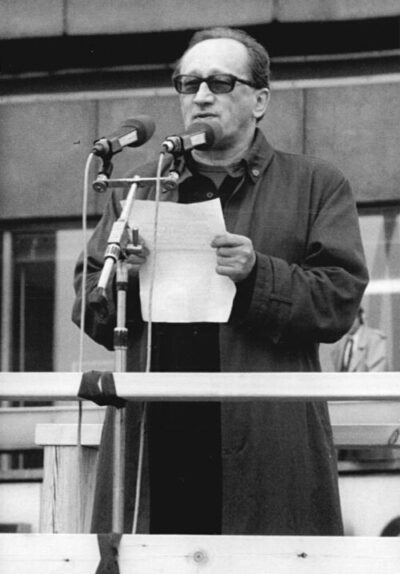 Heiner MüllerGerman writer, poet, and theatre director (1929–1995)
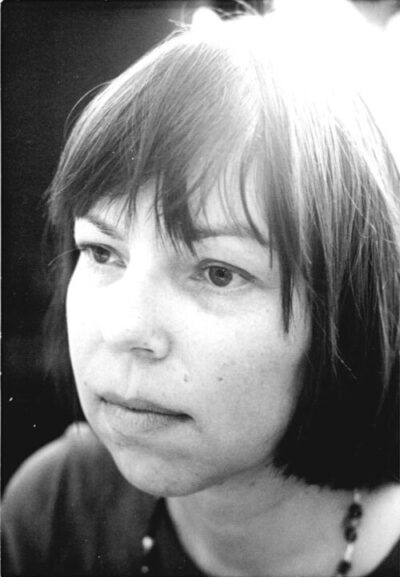 Sarah KirschGerman poet (1935–2013)
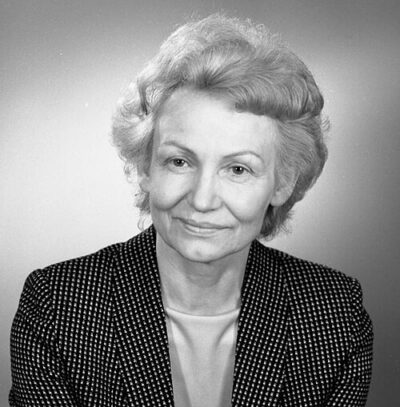 Margot HoneckerEast German politician (1927-2016)
and 35 more
