
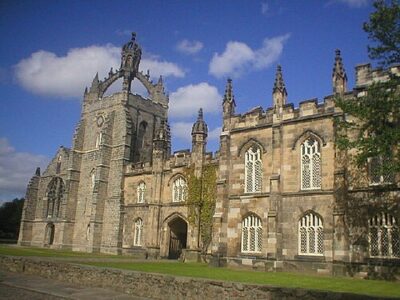
University of Aberdeen
The University of Aberdeen is a university in Aberdeen, Scotland, United Kingdom. It was founded in 1495.
- Located in
- Aberdeen City
- Country
- United Kingdom
- Founded
- 1495
- What it is
- public research university
All 7 facts, and where they come from
Facts
7 facts · 0 confirmed by two sources · 2 cited · 5 from one source
Where this comes from
Papalocal keeps its own record. It started from these sources; what each one said is kept here as it was copied, so a change on their side never changes this page by itself. Tap one to read its version.
What Wikidata says · copied November 17, 2026 · revision 2560510075
- Described as
- university in Aberdeen, Scotland, United Kingdom
- Other names
- Aberdeen University, The University of Aberdeen
- What it is
- public research university; nonprofit organization · 1 reference
- Founded
- 1495
- Headquarters
- Aberdeen
- Located in
- Aberdeen City
- Country
- United Kingdom · 1 reference
- Official website
- https://abdn.ac.uk/
- Wikipedias with a page
- 53
Wikidata item Q270532 (wikidata.org/wiki/Q270532), public domain (CC0). Copied 2026-11-17.
What Wikipedia says · copied November 17, 2026 · revision 1381268963
The University of Aberdeen (abbreviated Aberd. in post-nominals; Scottish Gaelic: Oilthigh Obar Dheathain) is a public research university in Aberdeen, Scotland. It was founded in 1495 when William Elphinstone, Bishop of Aberdeen and Chancellor of Scotland, petitioned Pope Alexander VI on behalf of King James IV to establish King's College, making it one of Scotland's four ancient universities and the fifth-oldest university in the English-speaking world. Along with the universities of St Andrews, Glasgow, and Edinburgh, the university was part of the Scottish Enlightenment during the 18th century.
The university as it is currently constituted was formed in 1860 by a merger between King's College and Marischal College, a second university founded in 1593 as a Protestant alternative to the former. The university's iconic buildings act as symbols of wider Aberdeen, particularly Marischal College in the city centre and the crown steeple of King's College in Old Aberdeen. There are two campuses; the predominantly utilised King's College campus dominates the section of the city known as Old Aberdeen, which is approximately two miles north of the city centre. Although the original site of the university's foundation, most academic buildings apart from the King's College Chapel and Quadrangle were constructed in the 20th century during a period of significant expansion. The university's Foresterhill campus is next to Aberdeen Royal Infirmary and houses the School of Medicine and Dentistry as well as the School of Medical Sciences. Together these buildings form one of Europe's largest health campuses. The annual income of the institution for 2024–25 was £257.2 million of which £54.2 million was from research grants and contracts, with an expenditure of £262.5 million.
Aberdeen has educated a wide range of notable alumni, and the university played key roles in the Scottish Reformation, Scottish Enlightenment, and the Scottish Renaissance. Five Nobel laureates have since been associated with the university: two in Chemistry, one in Physiology or Medicine, one in Physics, and one in Peace.
From the Wikipedia article “University of Aberdeen” (en.wikipedia.org/wiki/University_of_Aberdeen), by its contributors, under CC BY-SA 4.0 (creativecommons.org/licenses/by-sa/4.0/). Copied 2026-11-17; not changed.
Confirmed Two sources agree. Cited One source, and it names where it got it. One source One source, without a reference of its own. Sources disagree The sources disagree. We show the best-supported value and keep theirs below.
Picture: Richard Slessor, via Wikimedia Commons · CC BY-SA 2.0
People connected 27
Studied here
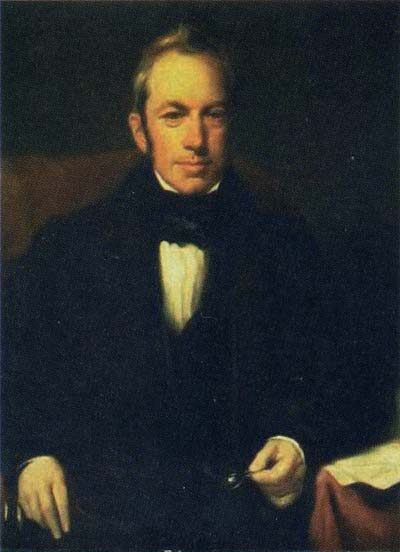 Robert BrownBritish botanist (1773-1858), discoverer of the cell nucleus and of Brownian Motion (1773–1858)
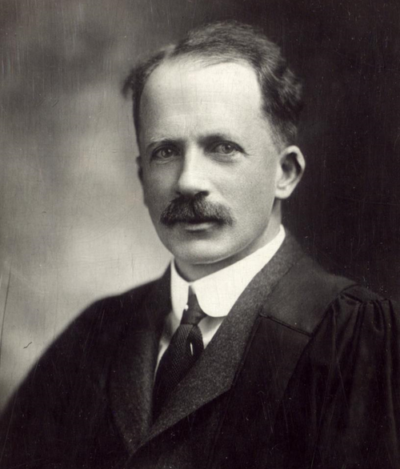 John James Rickard MacleodNobel prize-winning Scottish physician and physiologist; co-discoverer of insulin
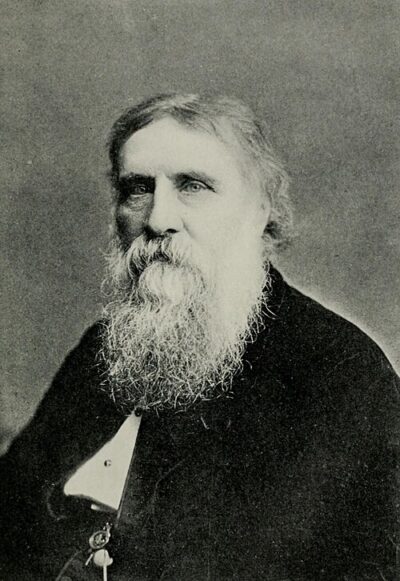 George MacDonaldScottish writer and Christian minister (1824–1905)
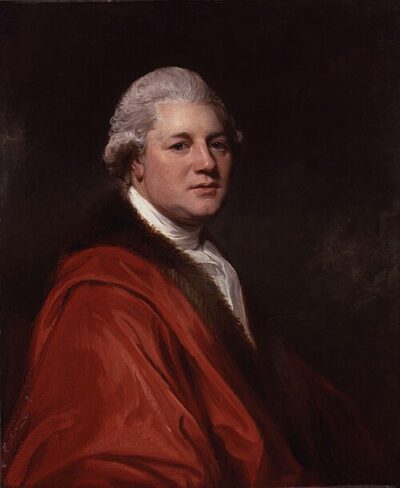 James MacphersonBritish writer, poet, translator and politician (1736-1796)
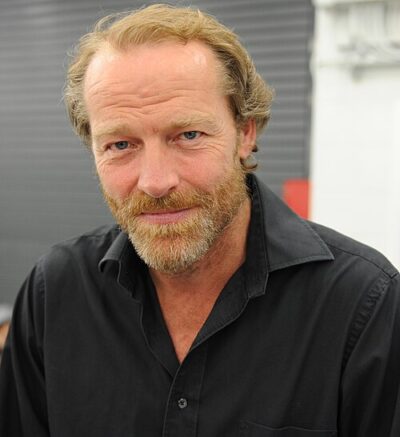 Iain GlenScottish actor
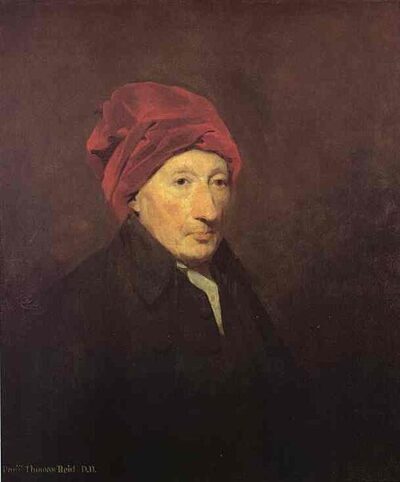 Thomas ReidScottish philosopher (1710–1796)
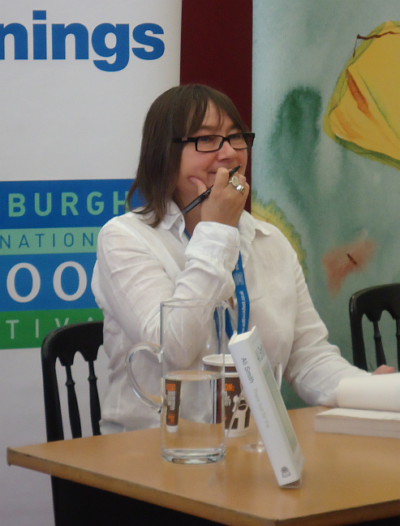 Ali SmithBritish author and journalist
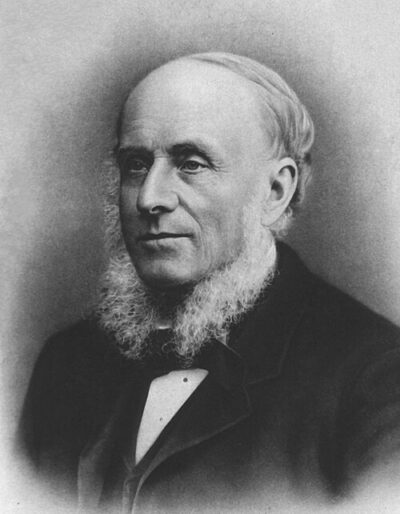 Alexander BainScottish philosopher and educationalist (1818–1903)
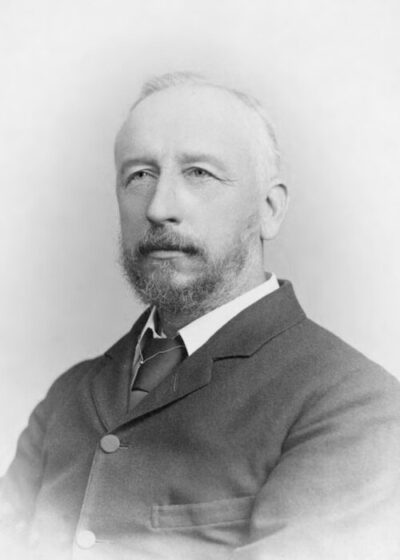 David GillScottish astronomer (1843-1914)
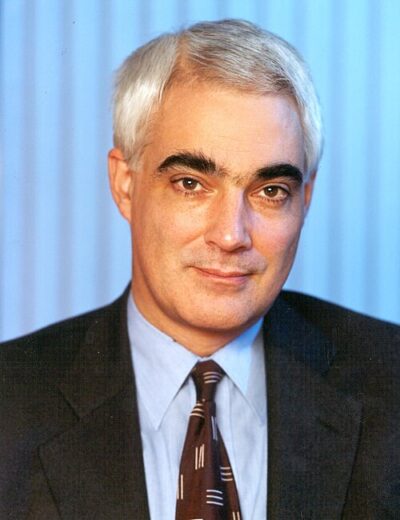 Alistair DarlingBritish Labour Party politician (1953–2023)
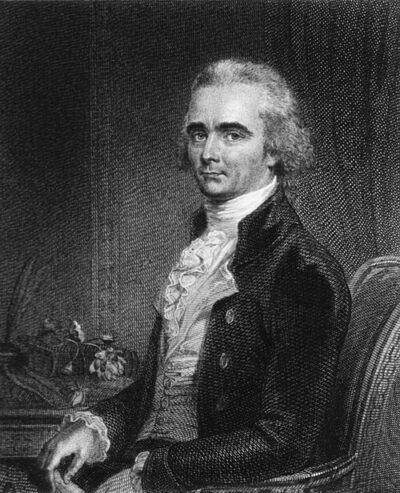 William RoxburghBritish surgeon and botanist (1751–1815)
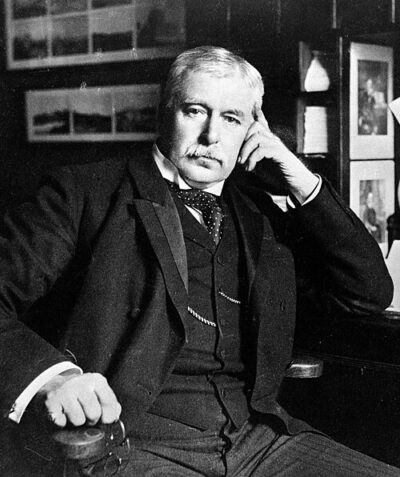 Patrick MansonScottish parasitologist (1844-1922)
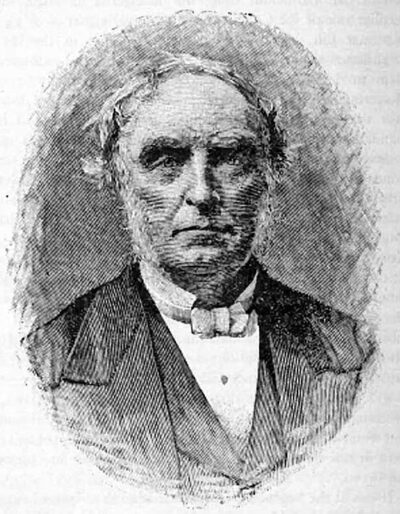 James LeggeScottish missionary and translator (1815–1897)
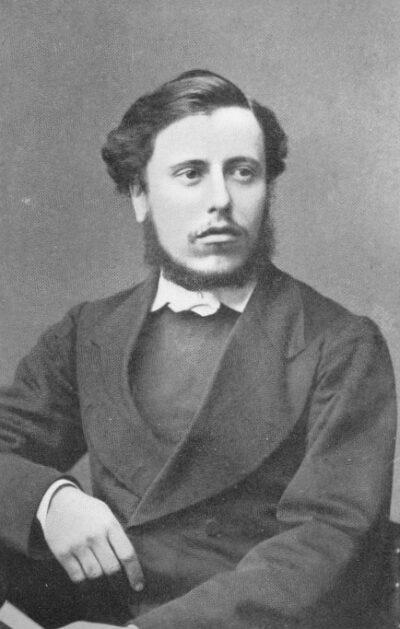 William Robertson SmithScottish orientalist and minister of the Free Church of Scotland (1846–1894)
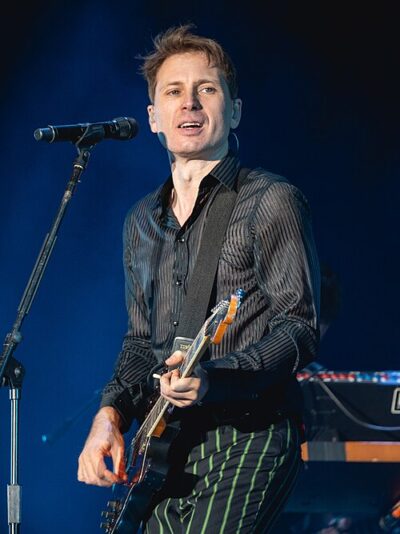 Alex KapranosScottish rock musician
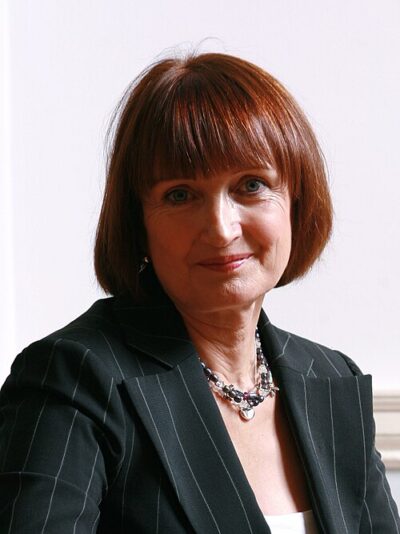 Tessa JowellBritish politician (1947–2018)
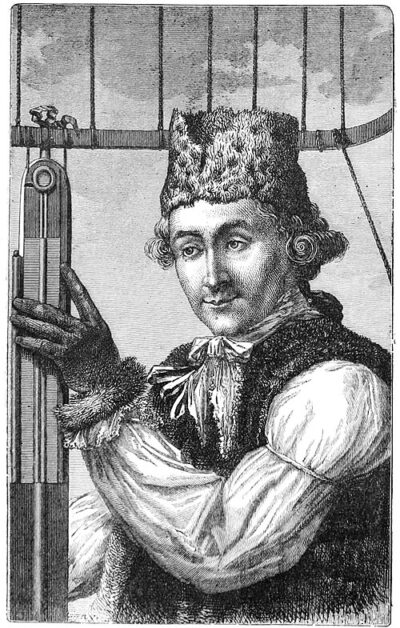 John JeffriesBoston physician, scientist, and military surgeon
- EEric LinklaterScottish fiction, history and travel writer (1899–1974)
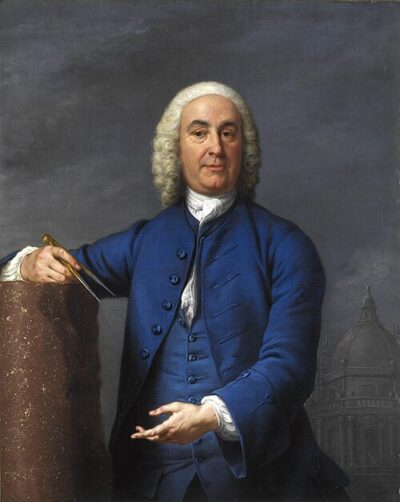 James GibbsScottish architect (1683–1754)
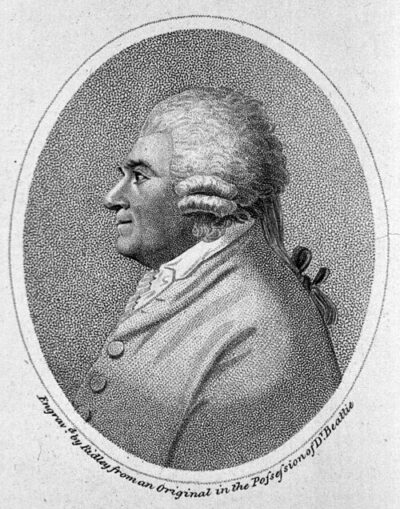 James BeattieScottish poet, moralist and philosopher (1735-1803)
Worked here
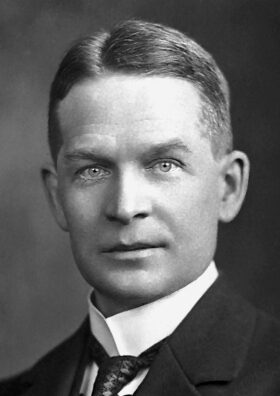 Frederick SoddyEnglish radiochemist (1877–1956)
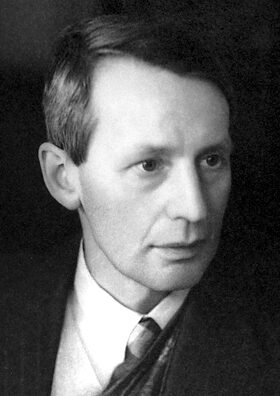 George Paget ThomsonEnglish physicist (1892–1975)
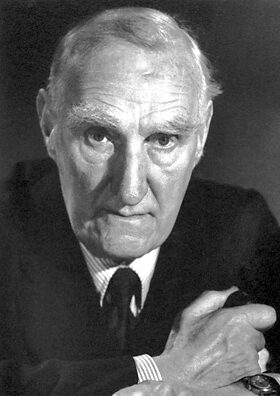 John Boyd OrrScottish nutritionist, Director-General of the United Nations Food and Agriculture Organization (1880-1971)
- Thomas ReidScottish philosopher (1710–1796)
- Alexander BainScottish philosopher and educationalist (1818–1903)
 Antony FlewBritish analytic and evidentialist philosopher (1923-2010)
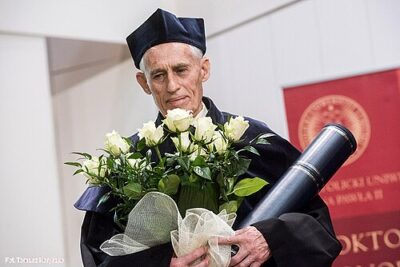 Richard SwinburneBritish philosopher of religion
- EEric LinklaterScottish fiction, history and travel writer (1899–1974)
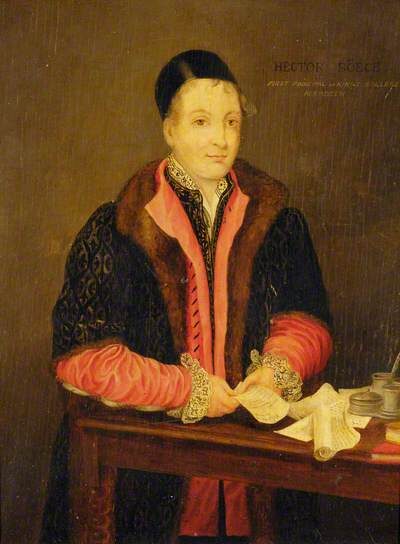 Hector BoeceScottish philosopher and historian (1465–1536)
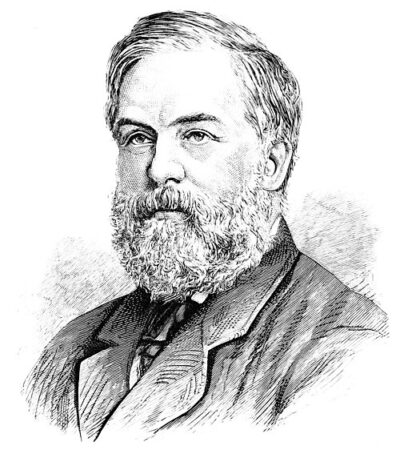 Charles Wyville ThomsonScottish marine zoologist (1830-1882)
- James BeattieScottish poet, moralist and philosopher (1735-1803)
