
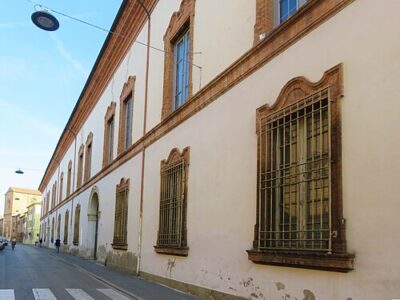
University of Ferrara
The University of Ferrara is an Italian university in Ferrara. It was founded in 1391. It has 600 employees. 22,800 students study there (2019).
- Located in
- Ferrara
- Country
- Italy
- Founded
- 1391
- Students
- 22,800 (2019)
- What it is
- university
All 8 facts, and where they come from
Facts
8 facts · 0 confirmed by two sources · 0 cited · 8 from one source
Where this comes from
Papalocal keeps its own record. It started from these sources; what each one said is kept here as it was copied, so a change on their side never changes this page by itself. Tap one to read its version.
What Wikidata says · copied November 17, 2026 · revision 2570495634
- Described as
- Italian university in Ferrara
- Other names
- Università degli Studi di Ferrara, Universita degli Studi di Ferrara, UNIFE, unife.it, UFerrara
- What it is
- university; publishing house
- Founded
- 1391
- Located in
- Ferrara
- Country
- Italy
- Employees
- 600 · 1 reference
- Students
- 22,800 (2019) · 1 reference
- Official website
- http://www.unife.it
- Wikipedias with a page
- 31
Wikidata item Q955609 (wikidata.org/wiki/Q955609), public domain (CC0). Copied 2026-11-17.
What Wikipedia says · copied November 17, 2026 · revision 1382818240
The University of Ferrara (Italian: Università degli Studi di Ferrara) is the main university of the city of Ferrara in the Emilia-Romagna region of northern Italy. In the years prior to the First World War the University of Ferrara, with more than 500 students, was the best attended of the free universities in Italy. Today there are approximately 16,000 students enrolled at the University of Ferrara with nearly 400 degrees granted each year. The teaching staff number 600, including 288 researchers. It is organized into 12 Departments.
From the Wikipedia article “University of Ferrara” (en.wikipedia.org/wiki/University_of_Ferrara), by its contributors, under CC BY-SA 4.0 (creativecommons.org/licenses/by-sa/4.0/). Copied 2026-11-17; not changed.
Confirmed Two sources agree. Cited One source, and it names where it got it. One source One source, without a reference of its own. Sources disagree The sources disagree. We show the best-supported value and keep theirs below.
Picture: Lungoleno, via Wikimedia Commons · CC BY-SA 2.5
People connected 20
Studied here
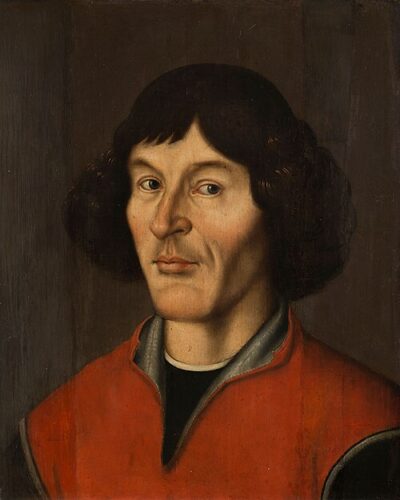 Nicolaus Copernicus (1503)Polish mathematician and astronomer (1473-1543)
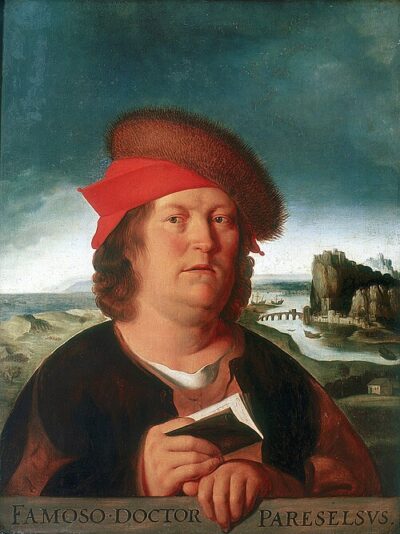 ParacelsusSwiss physician, philosopher, theologian, and alchemist (c. 1493–1541)
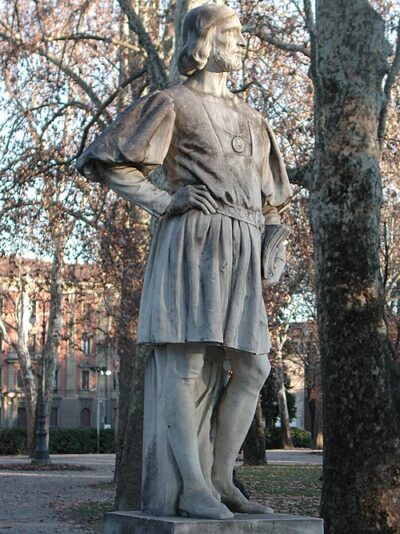 Ludovico AriostoItalian poet (1474–1533)
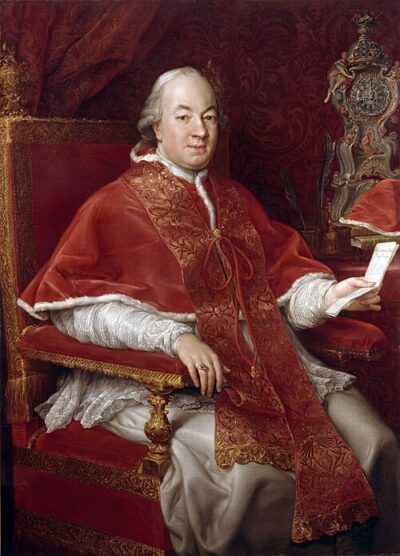 Pius VIPope of the Catholic Church from 1775 to 1799
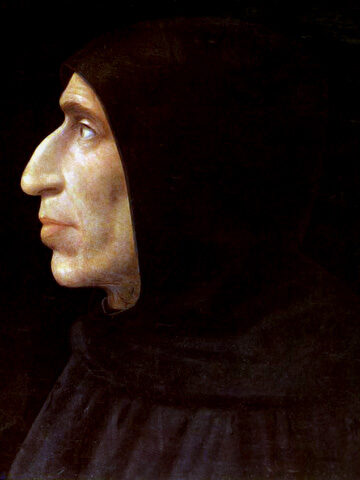 Girolamo SavonarolaItalian Dominican friar and preacher (1452-1498)
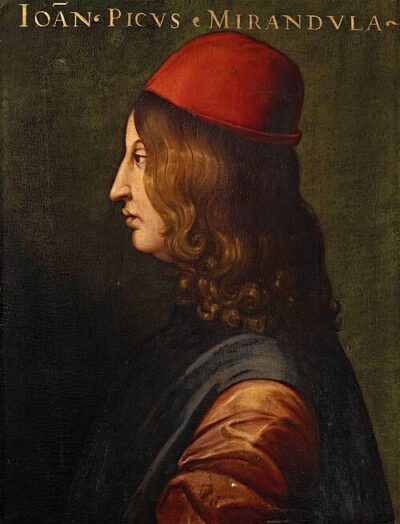 Giovanni Pico della MirandolaItalian Renaissance philosopher (1463–1494)
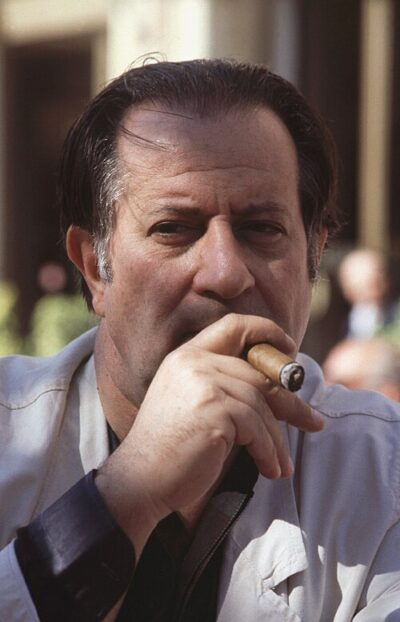 Tinto BrassItalian film director (1933–2026)
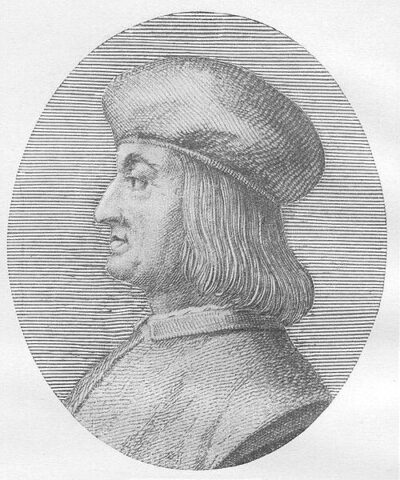 Aldus ManutiusItalian printer and humanist (1449-1515)
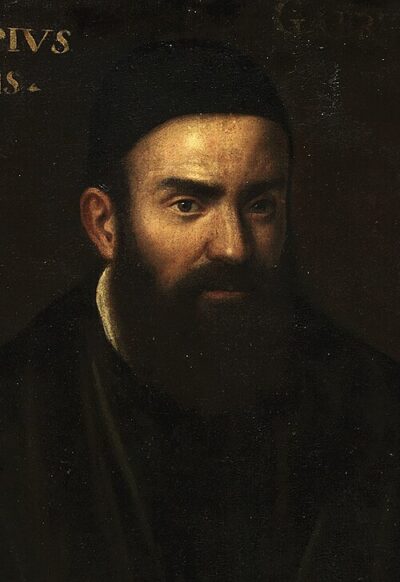 Gabriele FalloppioItalian anatomist (1523-1562)
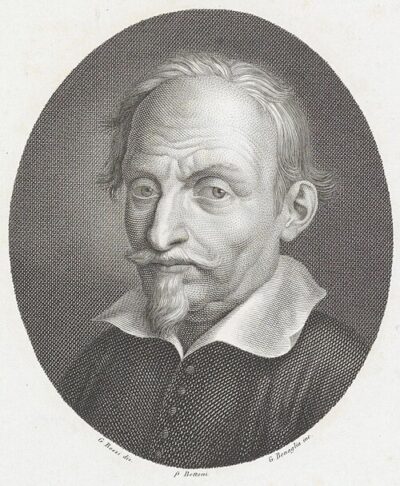 Alessandro TassoniItalian poet
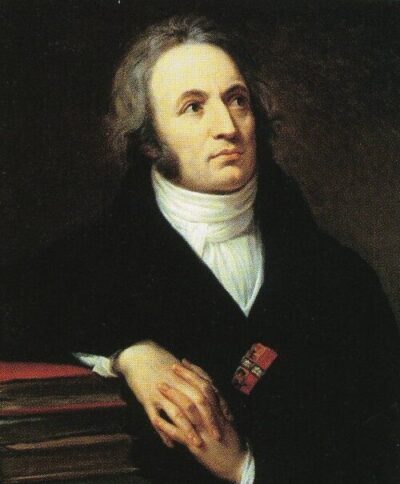 Vincenzo MontiItalian writer (1754-1828)
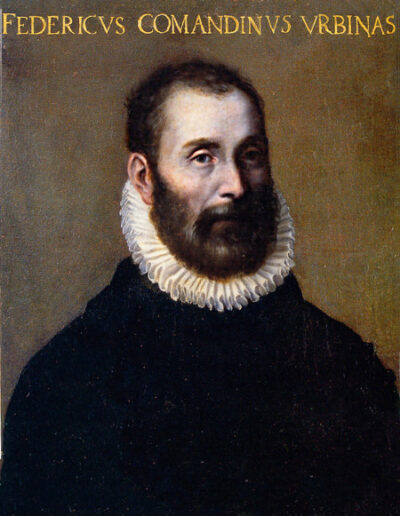 Federico Commandino (–1546)Italian mathematician (1509-1575)
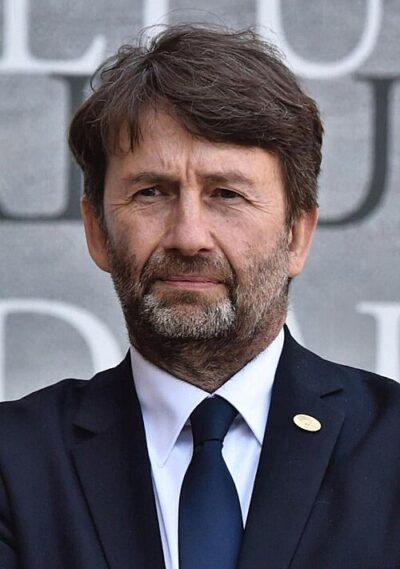 Dario FranceschiniItalian lawyer, writer, and politician (born 1958)
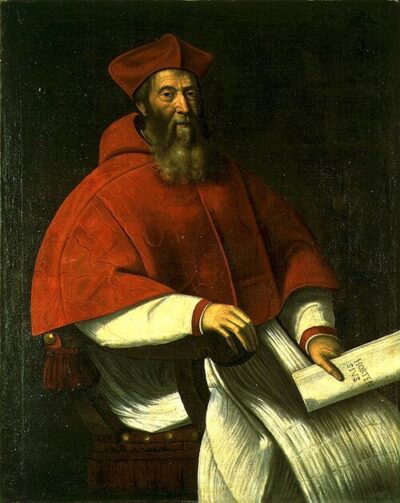 Jacopo Sadoleto (1490–1498)Catholic cardinal (1477-1547)
Worked here
- Ludovico AriostoItalian poet (1474–1533)
- Girolamo SavonarolaItalian Dominican friar and preacher (1452-1498)
- Gabriele FalloppioItalian anatomist (1523-1562)
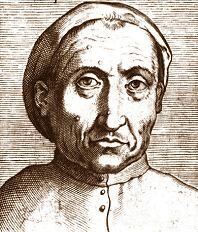 Pietro PomponazziItalian philosopher (1462 – 1525)
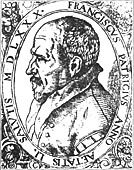 Francesco Patrizi (1575–1592)Venetian philosopher and scientist (1529-1597)
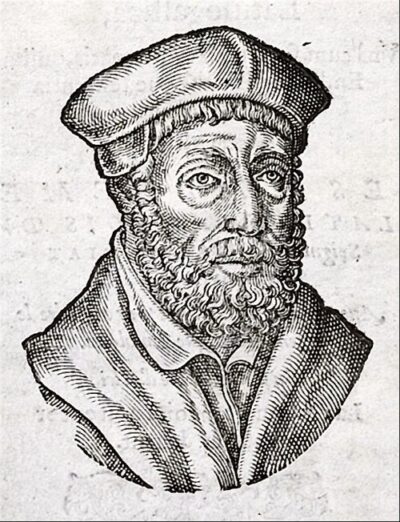 Andrea Alciato (1542–1546)Italian jurist and writer (1492–1550)
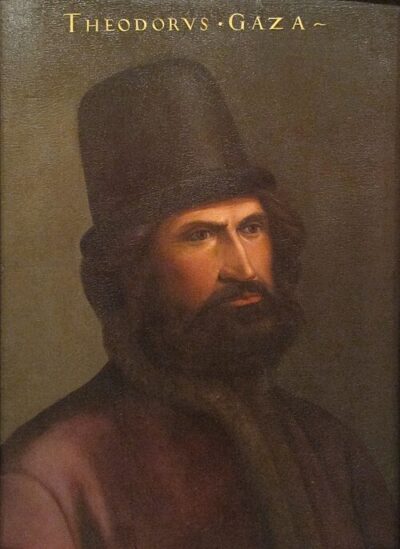 Theodoros GazaGreek Renaissance humanist scholar
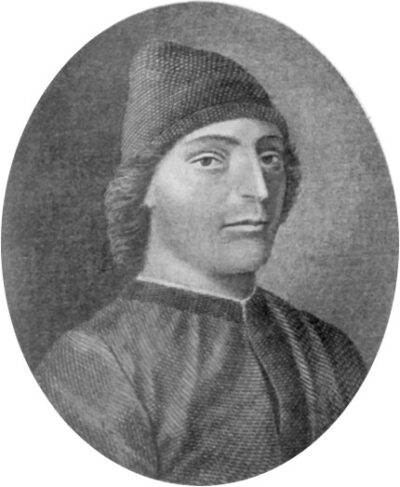 Guarino da VeronaItalian humanist
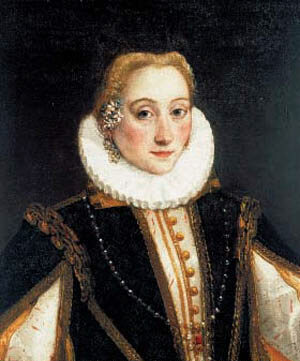 Olympia Fulvia MorataItalian classical scholar
