
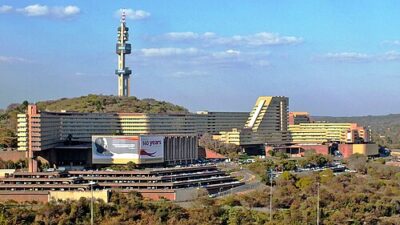
University of South Africa
The University of South Africa is a public university in South Africa. It was founded in 1873. 420,000 students study there (2019).
- Located in
- Pretoria
- Country
- South Africa
- Founded
- June 26, 1873
- Students
- 420,000 (2019)
- What it is
- public university
All 7 facts, and where they come from
Facts
7 facts · 0 confirmed by two sources · 1 cited · 6 from one source
Where this comes from
Papalocal keeps its own record. It started from these sources; what each one said is kept here as it was copied, so a change on their side never changes this page by itself. Tap one to read its version.
What Wikidata says · copied November 17, 2026 · revision 2569237784
- Described as
- public university in South Africa
- Other names
- UNISA, unisa.ac.za, UNISA Library
- What it is
- public university; university
- Founded
- June 26, 1873
- Located in
- Pretoria
- Country
- South Africa
- Students
- 420,000 (2019) · 1 reference
- Official website
- https://www.unisa.ac.za/
- Wikipedias with a page
- 31
Wikidata item Q677993 (wikidata.org/wiki/Q677993), public domain (CC0). Copied 2026-11-17.
What Wikipedia says · copied November 17, 2026 · revision 1383724485
The University of South Africa (UNISA) is the largest university system in South Africa by enrollment. It attracts a third of all higher education students in South Africa. Through various colleges and affiliates, UNISA has over 400,000 students, including international students from 130 countries worldwide, making it one of the world's mega universities and the only such university in Africa. It is the only higher education institution to carry the name of the country. It is the first tertiary institution in Africa to own an airport.
As a comprehensive university, Unisa offers both vocational and academic programmes, many of which have received international accreditation. It also has an extensive geographical footprint, providing its students with recognition and employability in many countries around the world. The university lists many notable South Africans among its alumni, including two Nobel Prize winners: Nelson Mandela, the first democratically elected president of South Africa, and Archbishop Desmond Tutu. It is the first tertiary institution in Africa to own an airport.
Founded in 1873 as the University of the Cape of Good Hope, the University of South Africa (commonly known as Unisa) spent most of its early history as an examining agency for Oxford and Cambridge universities, and as an incubator from which most other universities in South Africa are descended. Legislation in 1916 established the autonomous University of South Africa (the same legislation also established Stellenbosch University and the University of Cape Town as autonomous universities) as an "umbrella" or federal institution, with its seat in Pretoria, playing an academic trusteeship role for several colleges that eventually became autonomous universities. The colleges that were under UNISA's trusteeship were Grey University College (Bloemfontein), Huguenot University College (Wellington), Natal University College (Pietermaritzburg), Rhodes University College (Grahamstown), Transvaal University College (Pretoria), the South African School of Mines and Technology (Johannesburg), and Potchefstroom University College. In 1959, with the passage of the Extension of University Education Act, UNISA's trusteeship also extended to the five "black universities", namely University of Zululand, University of the Western Cape, University of the North, University of Durban-Westville, and University of Fort Hare. In 1946, UNISA was given a new role as a distance education university, and today it offers certificate, diploma, and degree courses up to doctoral level.
In January 2004, UNISA merged with Technikon Southern Africa (Technikon SA, a polytechnic) and incorporated the distance education component of Vista University (VUDEC). The combined institution retained the name University of South Africa. It is now organised by college and by school; see below.
From the Wikipedia article “University of South Africa” (en.wikipedia.org/wiki/University_of_South_Africa), by its contributors, under CC BY-SA 4.0 (creativecommons.org/licenses/by-sa/4.0/). Copied 2026-11-17; not changed.
Confirmed Two sources agree. Cited One source, and it names where it got it. One source One source, without a reference of its own. Sources disagree The sources disagree. We show the best-supported value and keep theirs below.
Picture: A. Bailey, via Wikimedia Commons · CC BY-SA 3.0
People connected 23
Studied here
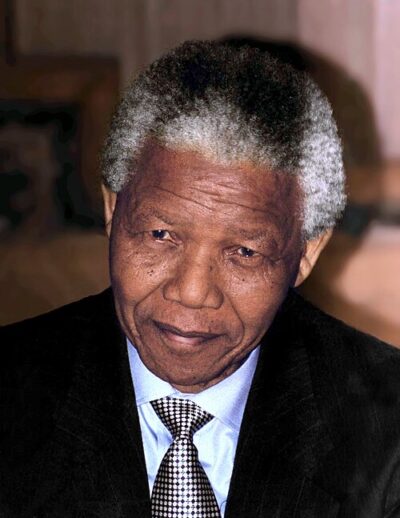 Nelson MandelaPresident of South Africa and anti-apartheid activist (1918–2013)
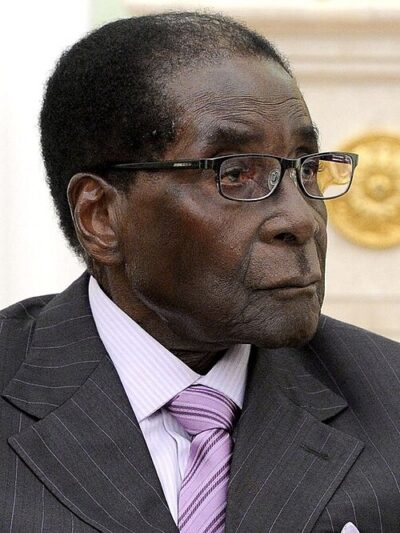 Robert Mugabe2nd President of Zimbabwe from 1987 to 2017
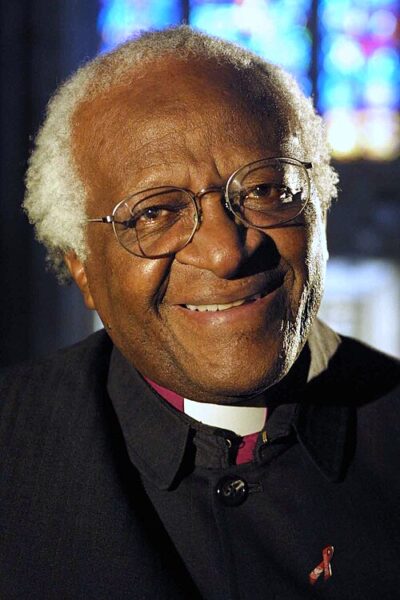 Desmond Tutu (–1954)South African churchman, politician, archbishop, Nobel Prize winner (1931–2021)
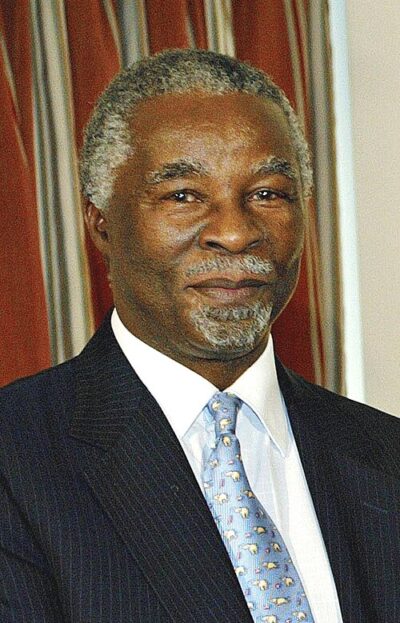 Thabo Mbeki (1995–)President of South Africa from 1999 to 2008
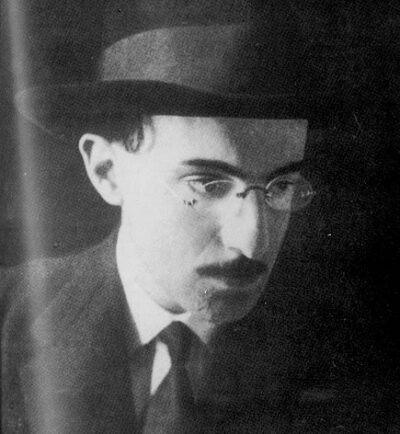 Fernando PessoaPortuguese poet, writer, and philosopher (1888–1935); creator of the heteronymic system including Alberto Caeiro, Ricardo Reis, Álvaro de Campos, and Bernardo Soares
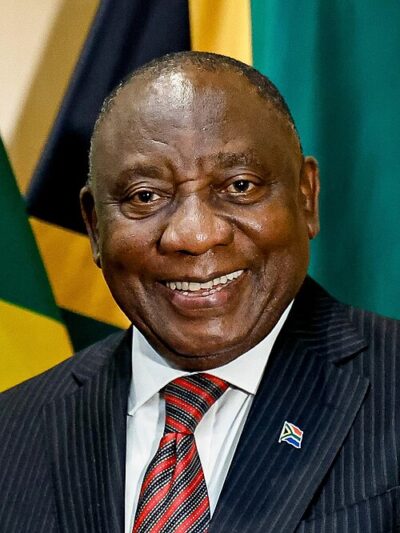 Cyril RamaphosaPresident of South Africa since 2018
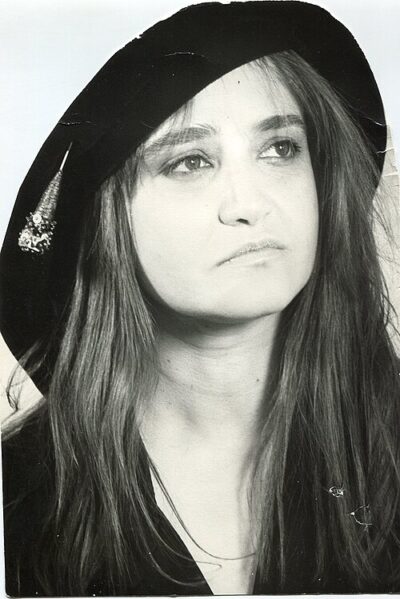 Angelique RockasSouth African Greek actress, producer, artistic director of Internationalist Theatre, and activist (born 1951)
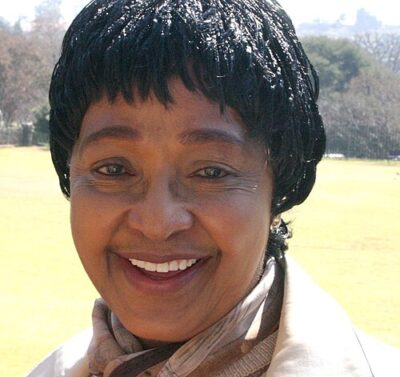 Winnie Madikizela-MandelaSouth African activist and politician (1936-2018)
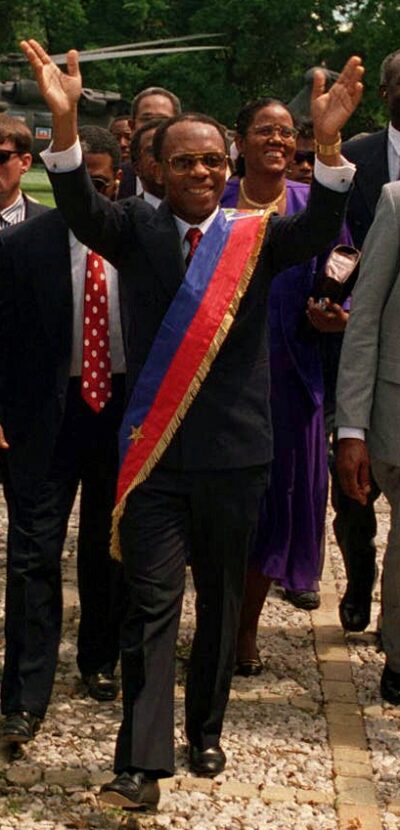 Jean-Bertrand AristideHaitian politician who became Haiti's first democratically elected president
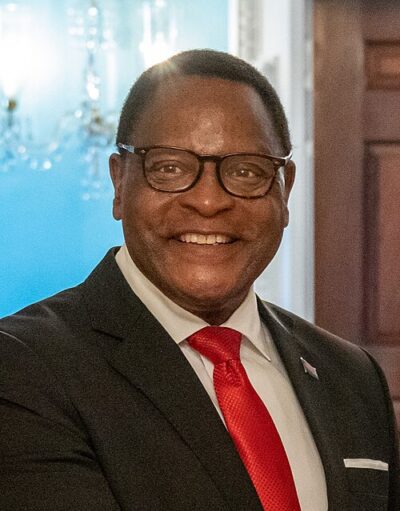 Lazarus ChakweraMalawi religious figure and politician
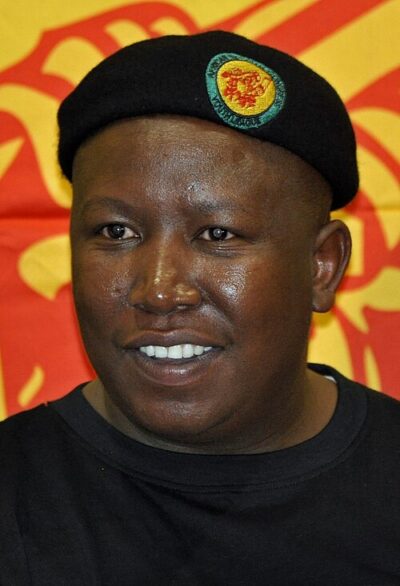 Julius MalemaSouth African politician and activist
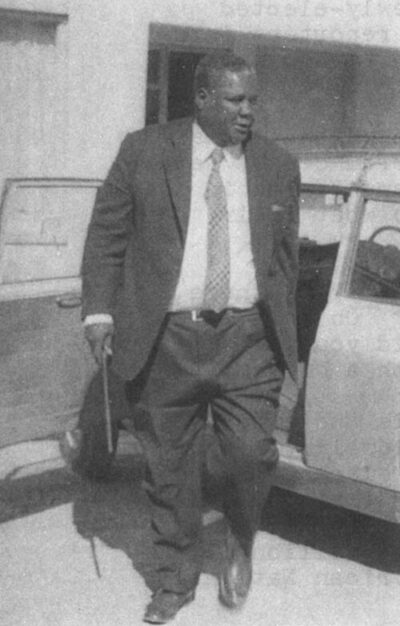 Joshua Nkomo (–1951)Zimbabwean politician (1917-1999)
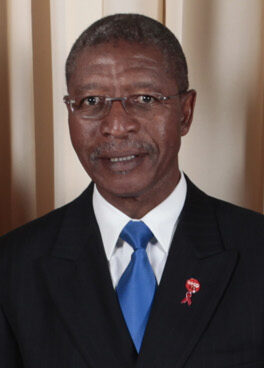 Pakalitha MosisiliPrime Minister of Lesotho
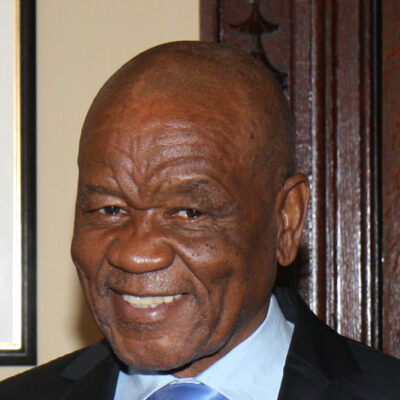 Tom ThabanePrime Minister of Lesotho
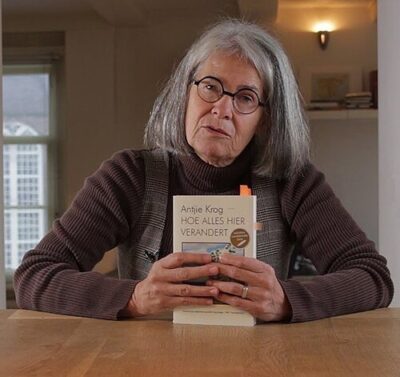 Antjie KrogSouth African writer and academic
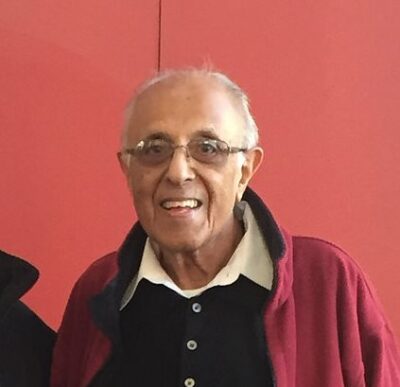 Ahmed KathradaSouth African politician (1929-2017)
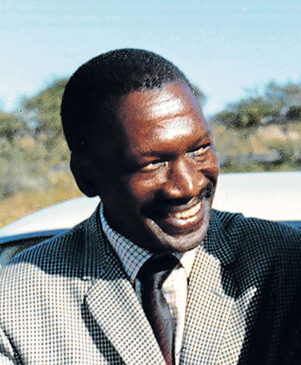 Robert Sobukwe (1947–1949)South African teacher, Pan-Africanist, and anti-apartheid activist (1924-1978)
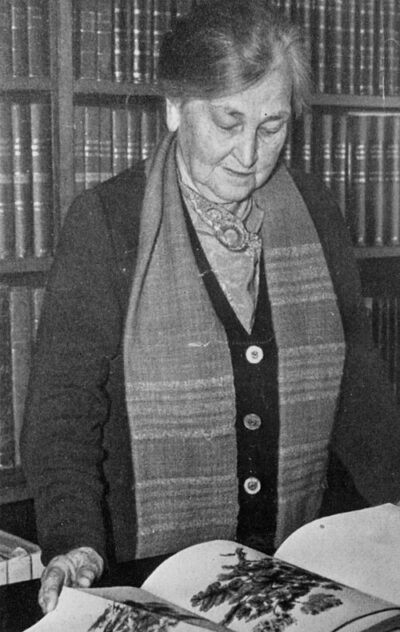 Harriet Margaret Louisa BolusSouth African botanist, botanical collector, and curator and scientific illustrator (1877–1970)
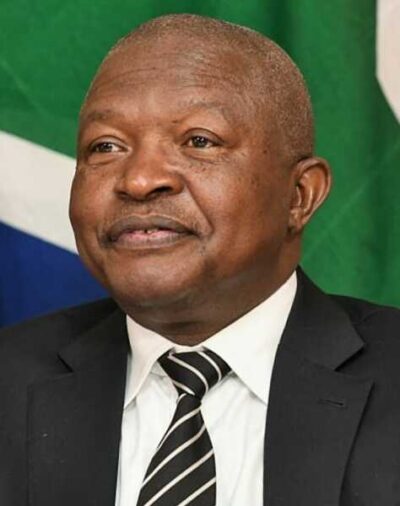 David MabuzaDeputy President of South Africa
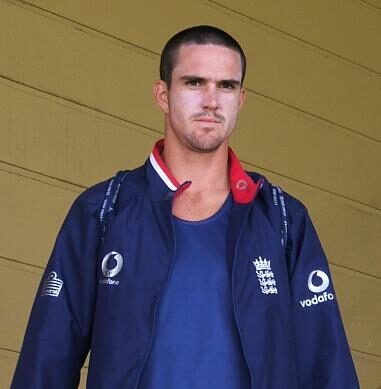 Kevin PietersenSouth African-British cricketer
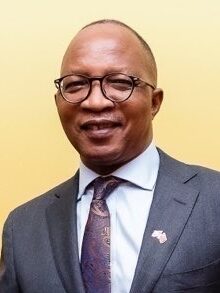 Cleopas Dlaminiprime Minister of Eswatini
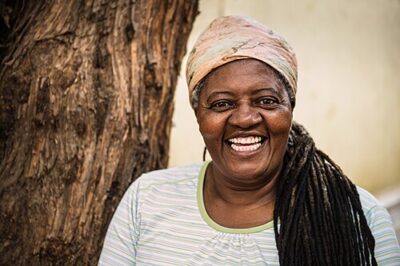 Rosa NamisesNamibian politician and human rights activist
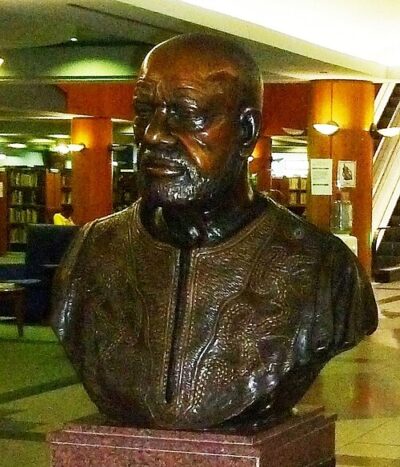 Es'kia MphahleleSouth African writer and publisher (1919–2008)
