

Vilnius University
Vilnius University is a public research university in Vilnius, Lithuania. It was founded in 1579 by Stephen Báthory. It has 5,358 employees (2024). 23,517 students study there (2022). It won the Order of the Red Banner of Labour and 1 more.
- Located in
- Vilnius
- Country
- Lithuania
- Founded
- 1579
- Students
- 23,517 (2022)
- What it is
- public university
All 17 facts, and where they come from
Facts
17 facts · 0 confirmed by two sources · 5 cited · 12 from one source
Where this comes from
Papalocal keeps its own record. It started from these sources; what each one said is kept here as it was copied, so a change on their side never changes this page by itself. Tap one to read its version.
What Wikidata says · copied November 16, 2026 · revision 2568007111
- Described as
- public research university in Vilnius, Lithuania
- Other names
- Vilniaus Universitetas, vu.lt, Universitas Vilnensis
- What it is
- public university; open-access publisher · 1 reference; business
- Founded
- 1579 · 1 reference
- Founded by
- Stephen Báthory
- Headquarters
- Vilnius
- Located in
- Vilnius
- Country
- Lithuania · 1 reference; Soviet Union
- Employees
- 5,358 (2024) · 1 reference
- Field
- science
- Students
- 23,517 (2022) · 1 reference
- Awards
- Order of the Red Banner of Labour; Order of Friendship of Peoples
- Named after
- Stephen Báthory (1919–1939); Vincas Mickevičius-Kapsukas (1955–1990)
- Official website
- https://www.vu.lt/
- Wikipedias with a page
- 54
Wikidata item Q658192 (wikidata.org/wiki/Q658192), public domain (CC0). Copied 2026-11-16.
What Wikipedia says · copied November 16, 2026 · revision 1379920622
Vilnius University (Lithuanian: Vilniaus universitetas) is a public research university, which is the first and largest university in Lithuania, as well as one of the oldest and most prominent higher education institutions in Central and Eastern Europe. Today, it is Lithuania's leading research institution.
The university was founded in 1579 as the Jesuit Academy (College) of Vilnius by Stephen Báthory. It was the third oldest university (after the Cracow Academy and the Albertina) in the Polish–Lithuanian Commonwealth, and the sole university in the Grand Duchy of Lithuania. Due to the failure of the November Uprising (1830–1831), the university was closed down and suspended its operation until 1919. In the aftermath of World War I, the university saw failed attempts to restart it by the local Poles, Lithuanians, and by invading Soviet forces. It finally resumed operations as Polish Stefan Batory University in August 1919.
After the Soviet invasion of Poland in September 1939, the university was briefly administered by the Lithuanian authorities (from October 1939), and then after Soviet annexation of Lithuania (June 1940), punctuated by a period of German occupation after Operation Barbarossa, from 1941 to 1944, when it was administrated as the Vilnius State University. In 1945, the Polish community of students and scholars of Stefan Batory University was transferred to Nicolaus Copernicus University in Toruń. After Lithuania regained its independence in 1990, following the dissolution of the Soviet Union, it resumed its status as one of the prominent universities in Lithuania.
Established in 1579 in Lithuania’s capital city Vilnius, with a faculty in the second-largest city, Kaunas, and another in the fourth-largest city, Šiauliai. The university is composed of fifteen academic faculties that offer more than 200 study programmes in a wide range of academic disciplines for over 24 000 students. Vilnius University is known for its strong community ties, interaction and participation in additional activities offered by the non-academic departments of the university, such as the Cultural Centre, Health and Sports Centre, library, museum, botanical gardens, and other institutions.
Since 2016, Vilnius University has been a member of a network of prestigious universities–the Coimbra Group–and since 2019, it has belonged to the European University Alliance (ARQUS).The alliance aims to create joint, long-term, sustainable structures and mechanisms for close inter-institutional cooperation in the fields of studies, science and social partnerships. The Vilnius University Foundation was established on 6 April 2016, becoming the first university endowment in Lithuania. The Foundation supports scientific research of the highest quality and the creation of study programmes that correspond to global demands, while encouraging other high added-value projects.
From the Wikipedia article “Vilnius University” (en.wikipedia.org/wiki/Vilnius_University), by its contributors, under CC BY-SA 4.0 (creativecommons.org/licenses/by-sa/4.0/). Copied 2026-11-16; not changed.
Confirmed Two sources agree. Cited One source, and it names where it got it. One source One source, without a reference of its own. Sources disagree The sources disagree. We show the best-supported value and keep theirs below.
Picture: Wikimedia Commons: Senamiestis, Vilnius, Lithuania - panoramio (165).jpg · See Commons file page
People connected 14
Studied here
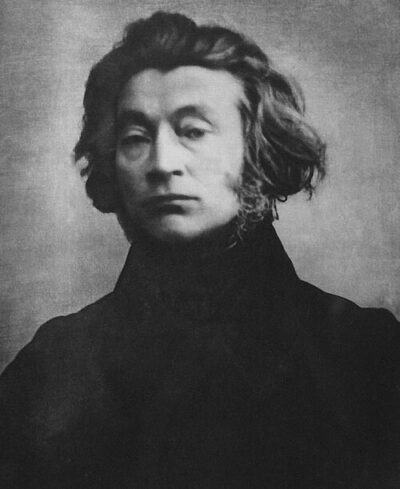 Adam Mickiewicz (1815–)Polish national poet, dramatist, essayist, publicist, translator, and political activist (1798-1855)
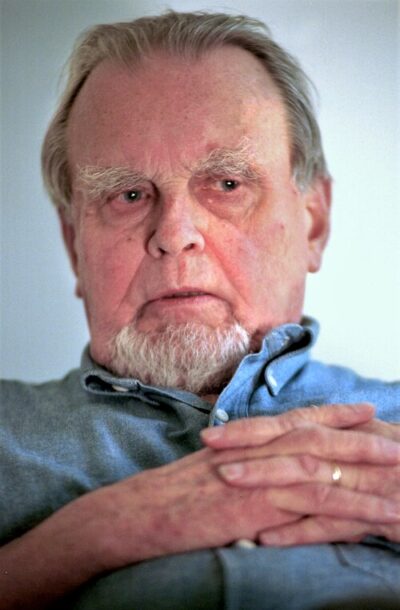 Czesław Miłosz (–1934)Polish-American poet and Nobel laureate (1911–2004)
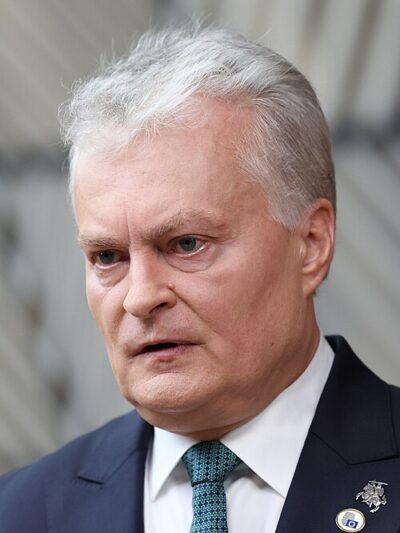 Gitanas NausėdaPresident of Lithuania since 2019
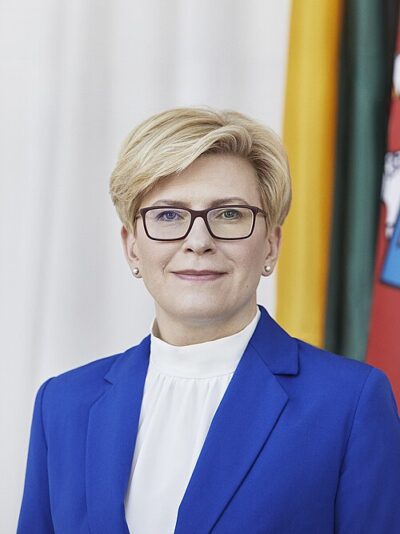 Ingrida Šimonytė (–1998)Prime Minister of the Republic of Lithuania
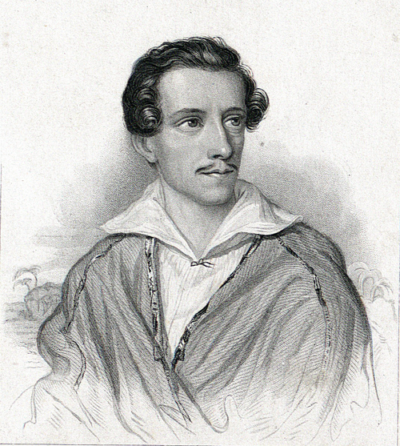 Juliusz SłowackiPolish Romantic poet (1809–1849)
 Marija GimbutasLithuanian-American archaeologist
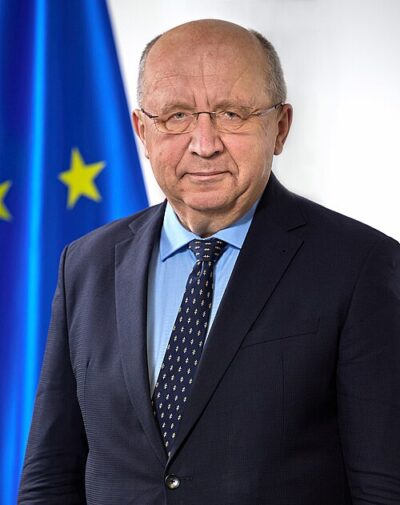 Andrius KubiliusLithuanian politician (born 1956)
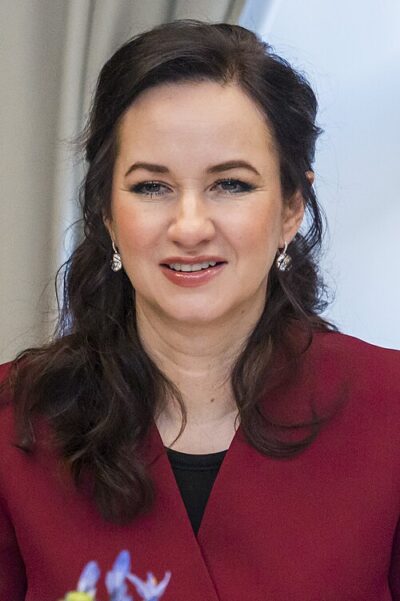 Inga RuginienėLithuanian politician (LSDP) and Prime Minister
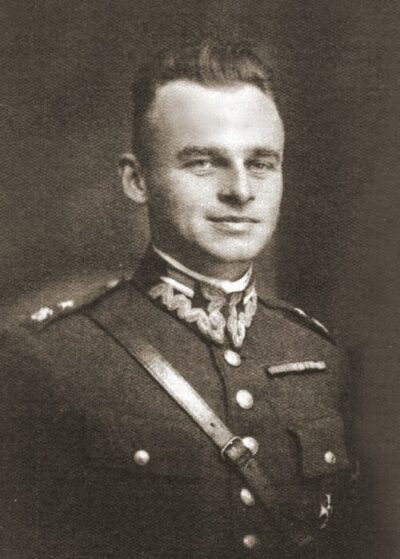 Witold PileckiPolish underground resistance soldier, World War II concentration camp resistance leader (1901-1948)
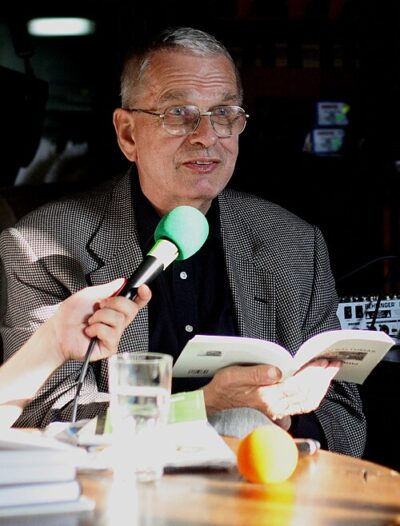 Tomas Venclova (–1960)Lithuanian poet and scholar (born 1937)
 Barys KitBelarusian-American scientist
- KKazimieras ČernisLithuanian astronomer
Worked here
- Gitanas NausėdaPresident of Lithuania since 2019
- Ingrida ŠimonytėPrime Minister of the Republic of Lithuania
- Juliusz SłowackiPolish Romantic poet (1809–1849)
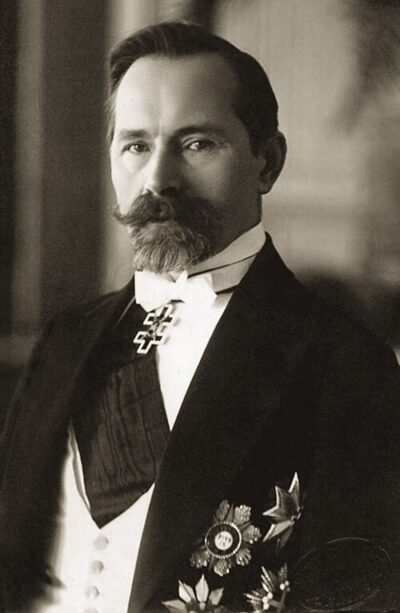 Antanas Smetonafirst President of Lithuania from 4 April 1919 until 19 June 1920 (1874-1944)
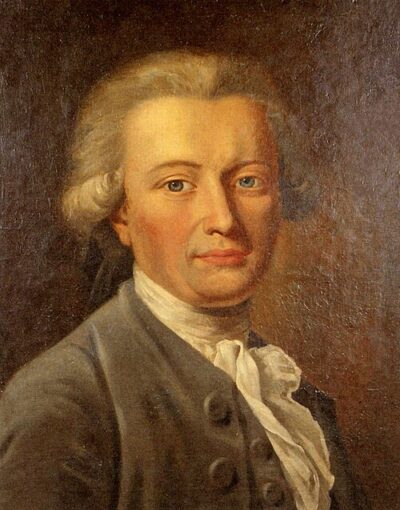 Georg Forster (1784–1787)German naturalist, ethnologist, travel writer, journalist, and revolutionary (1754-1794)
- KKazimieras ČernisLithuanian astronomer
