
Académie de Stanislas (Nancy, France)
Académie de Stanislas (Nancy, France) is a learned society. It was founded in 1750.
- Founded
- December 28, 1750
- Headquarters
- Nancy
- Industry
- other voluntary membership organizations (France)
- Country
- France
All 11 facts, and where they come from
Facts
11 facts · 0 confirmed by two sources · 3 cited · 8 from one source
Where this comes from
Papalocal keeps its own record. It started from these sources; what each one said is kept here as it was copied, so a change on their side never changes this page by itself. Tap one to read its version.
What Wikidata says · copied November 16, 2026 · revision 2529920742
- Described as
- learned society
- Other names
- Academie de Stanislas, Académie de Stanislas, Académie de Stanislas (Nancy), Académie de Nancy
- What it is
- learned society; nonprofit organization · 1 reference
- Founded
- December 28, 1750 · 1 reference
- Headquarters
- Nancy
- Country
- France
- Industry
- other voluntary membership organizations (France) · 1 reference
- Field
- science; humanities; arts
- Named after
- Stanisław Leszczyński
- Official website
- https://www.academie-stanislas.org/
- Wikipedias with a page
- 8
Wikidata item Q322775 (wikidata.org/wiki/Q322775), public domain (CC0). Copied 2026-11-16.
What Wikipedia says · copied November 16, 2026 · revision 1360099290
The Académie de Stanislas is a learned society founded in Nancy, France on 28 December 1750 by the King of Poland, Duke of Lorraine and Bar, Stanisław Leszczyński, under the name Société Royale des Sciences et Belles-Lettres de Nancy.
It was established in the old Jesuit College, the building which founded the Nancy-Université until its temporary suppression by the Jacobin Convention in 1793, and which has now become the Municipal Library of Nancy.
From the Wikipedia article “Académie de Stanislas” (en.wikipedia.org/wiki/Académie_de_Stanislas), by its contributors, under CC BY-SA 4.0 (creativecommons.org/licenses/by-sa/4.0/). Copied 2026-11-16; not changed.
Confirmed Two sources agree. Cited One source, and it names where it got it. One source One source, without a reference of its own. Sources disagree The sources disagree. We show the best-supported value and keep theirs below.
People connected 42
Members 42
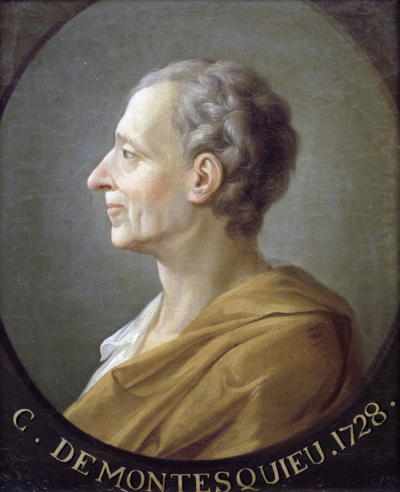 MontesquieuFrench philosopher (1689–1755)
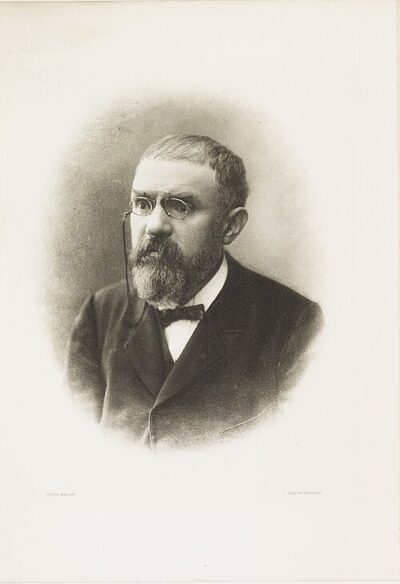 Henri PoincaréFrench mathematician, physicist and engineer (1854–1912)
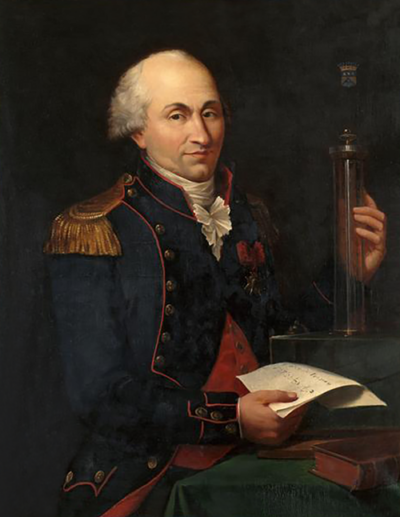 Charles-Augustin de CoulombFrench physicist (1736-1806)
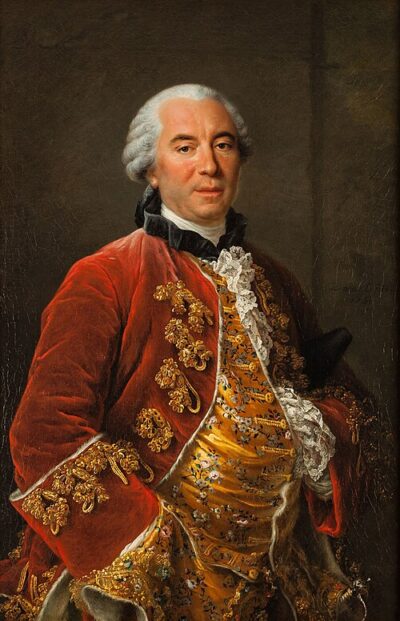 Georges-Louis Leclerc, Comte de BuffonFrench natural historian (1707-1788)
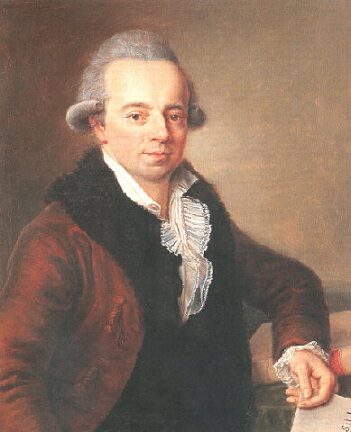 Daniel BernoulliSwiss mathematician and physicist (1700-1782)
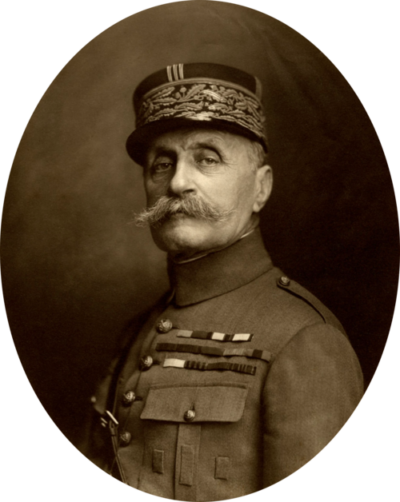 Ferdinand FochFrench marchal and military theorist (1851–1929)
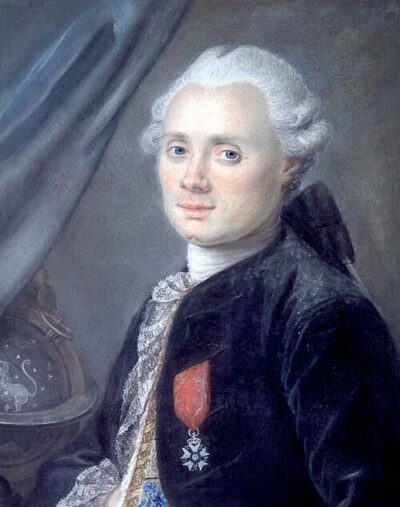 Charles Messier18th- and 19th-century French astronomer
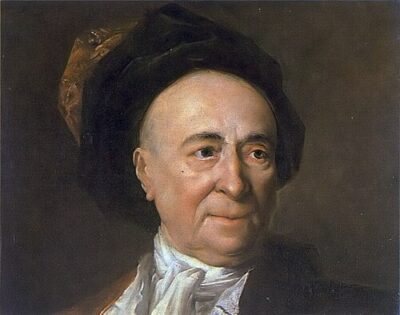 Bernard Le Bovier de FontenelleFrench writer and philosopher of the enlightenment (1657–1757)
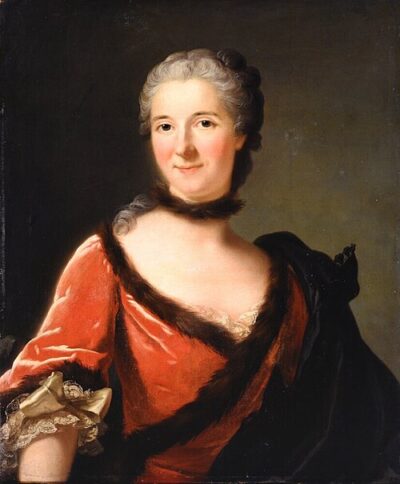 Émilie du ChâteletFrench mathematician, physicist, and author (1706-1749)
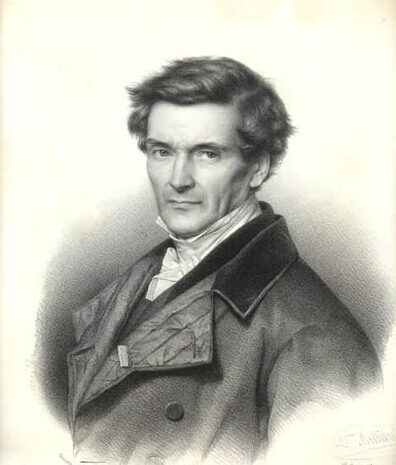 Gaspard-Gustave de CoriolisFrench mathematician, mechanical engineer, and scientist (1792–1843)
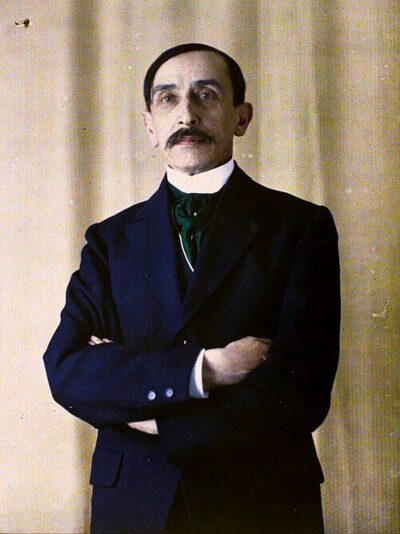 Maurice BarrèsFrench novelist (1862-1923)
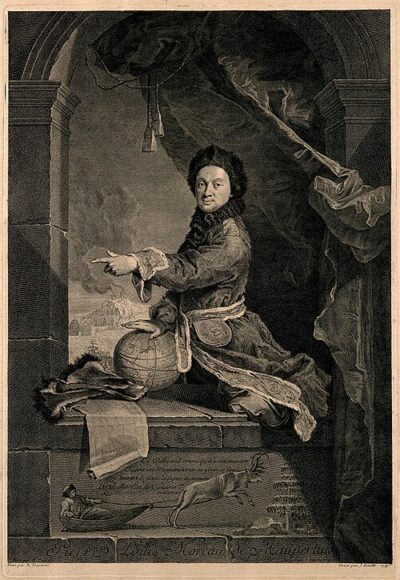 Pierre-Louis Moreau de MaupertuisFrench mathematician, philosopher and man of letters
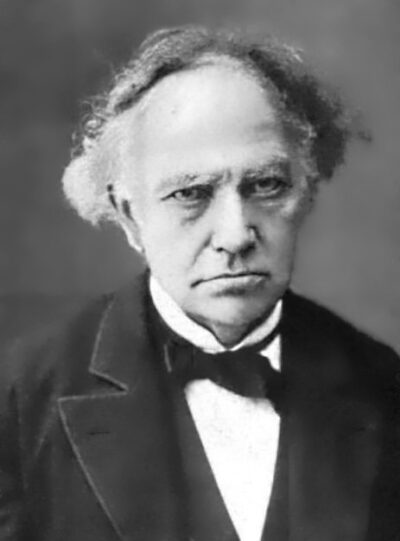 Charles HermiteFrench mathematician (1822-1901)
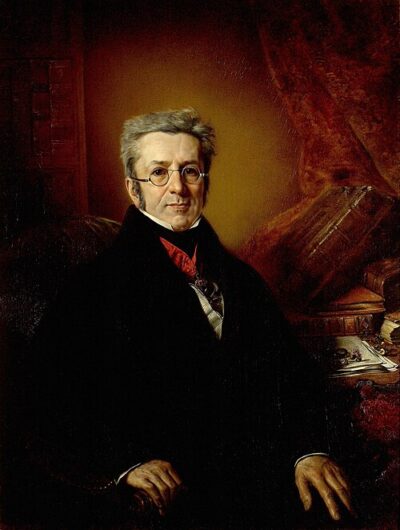 Augustin-Pyramus de CandolleSwiss botanist (1778–1841)
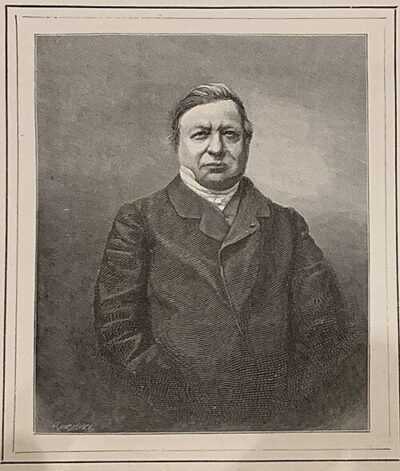 Joseph LiouvilleFrench mathematician and engineer (1809–1882)
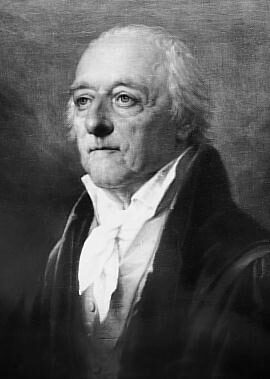 Nicolás Joseph Jacquinchemist, physician and botanist from the Netherlands (1727-1817)
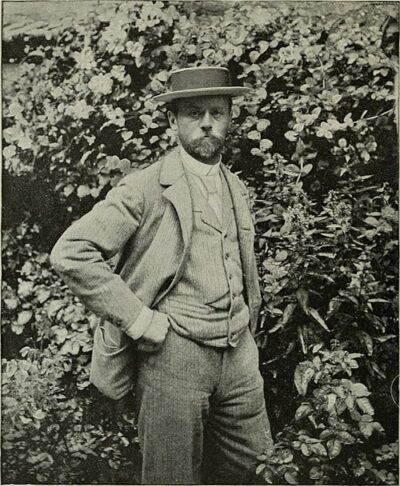 Émile FriantFrench painter (1863-1932)
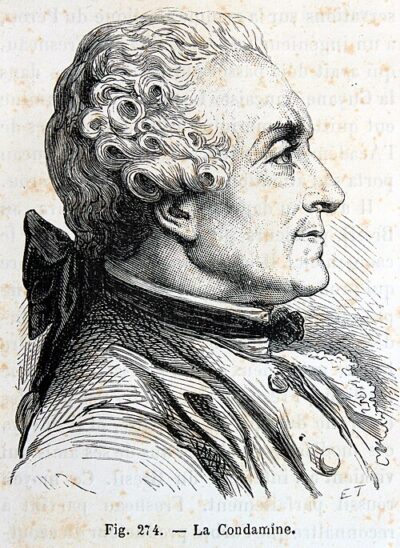 Charles Marie de La CondamineFrench explorer, geographer, and mathematician (1701-1774)
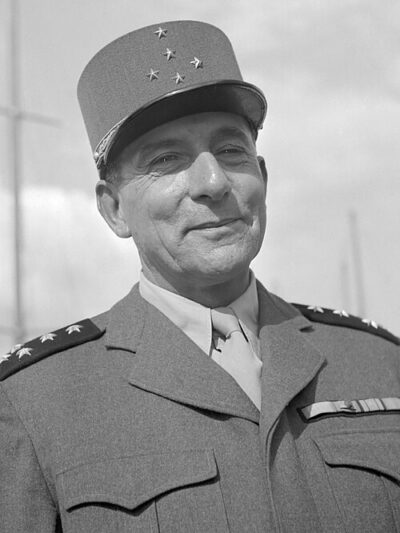 Jean de Lattre de TassignyFrench army general, Marshal of France (1889-1952)
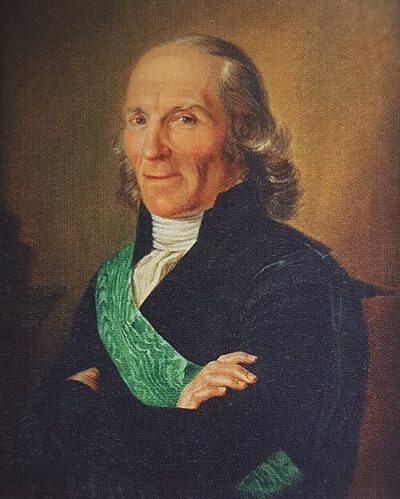 Carl Peter ThunbergSwedish naturalist (1743-1828)
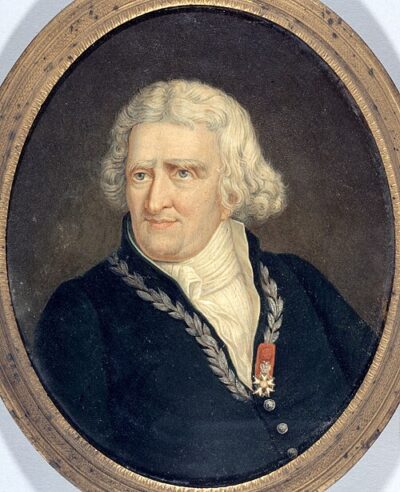 Antoine-Augustin ParmentierFrench agronomist, naturalist, nutritionist, and hygienist; promoter of the potato as a food source in Europe (1737-1813)
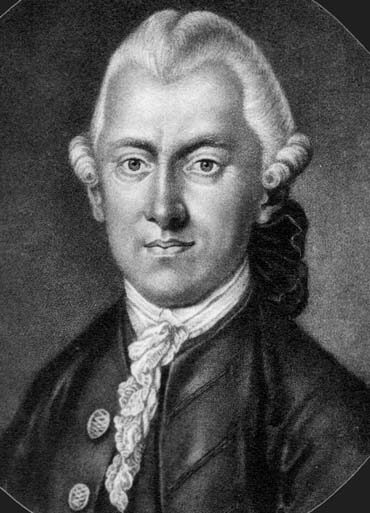 Johann Christian Daniel von SchreberGerman naturalist (1739–1810)
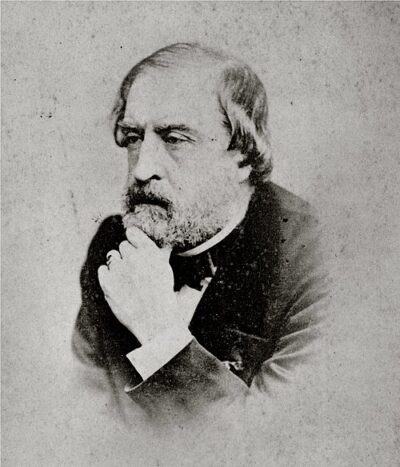 Ambroise ThomasFrench composer
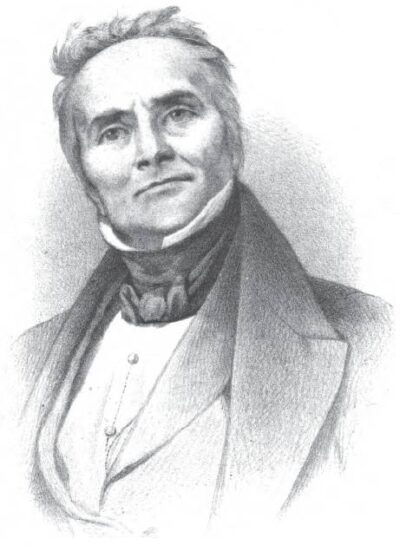 Jean Charles Athanase PeltierFrench physicist (1785-1845)
and 18 more
