

Asiatic-Pacific Campaign Medal
Asiatic-Pacific Campaign Medal is an American campaign medal. It was created in 1942 by Franklin Delano Roosevelt.
- Country
- United States
- Created
- November 6, 1942
All 5 facts, and where they come from
Facts
5 facts · 0 confirmed by two sources · 0 cited · 5 from one source
Where this comes from
Papalocal keeps its own record. It started from these sources; what each one said is kept here as it was copied, so a change on their side never changes this page by itself. Tap one to read its version.
What Wikidata says · copied November 16, 2026 · revision 2353754873
- Described as
- American campaign medal
- Other names
- APCM, Asiatic–Pacific Campaign Medal
- What it is
- campaign medal; United States service medals of the world wars
- Created
- November 6, 1942
- Founded by
- Franklin Delano Roosevelt
- Country
- United States
- Wikipedias with a page
- 10
Wikidata item Q2338071 (wikidata.org/wiki/Q2338071), public domain (CC0). Copied 2026-11-16.
What Wikipedia says · copied November 16, 2026 · revision 1385989221
The Asiatic–Pacific Campaign Medal was a United States military award of the Second World War, which was awarded to any member of the United States Armed Forces who served in the Asiatic-Pacific Theater from 1941 to 1945. The medal was created on November 6, 1942, by Executive Order 9265 issued by President Franklin D. Roosevelt. The medal was designed by Thomas Hudson Jones; the reverse side was designed by Adolph Alexander Weinman which is the same design as used on the reverse of the American Campaign Medal and European-African-Middle Eastern Campaign Medal.
There were 21 Army and 48 Navy-Marine Corps official campaigns of the Pacific Theater, denoted on the suspension and service ribbon of the medal by service stars which also were called "battle stars"; some Navy construction battalion units issued the medal with Arabic numerals. The Arrowhead device is authorized for those campaigns which involved participation in amphibious assault landings. The Fleet Marine Force Combat Operation Insignia is also authorized for wear on the medal for Navy service members who participated in combat while assigned to a Marine Corps unit. The flag colors of the United States and Japan are visible in the ribbon.
The Asiatic–Pacific Campaign Medal was first issued as a service ribbon in 1942. A full medal was authorized in 1947, the first of which was presented to General of the Army Douglas MacArthur. The European Theater equivalent of the medal was known as the European-African-Middle Eastern Campaign Medal.
Boundaries of Asiatic-Pacific Theater.
(1) The eastern boundary is coincident with the western boundary of the American Theater.
(2) The western boundary is from the North Pole south along the 60th meridian east longitude to its intersection with the east boundary of Iran, then south along the Iran boundary to the Gulf of Oman and the intersection of the 60th meridian east longitude, then south along the 60th meridian east longitude to the South Pole.
From the Wikipedia article “Asiatic–Pacific Campaign Medal” (en.wikipedia.org/wiki/Asiatic–Pacific_Campaign_Medal), by its contributors, under CC BY-SA 4.0 (creativecommons.org/licenses/by-sa/4.0/). Copied 2026-11-16; not changed.
Confirmed Two sources agree. Cited One source, and it names where it got it. One source One source, without a reference of its own. Sources disagree The sources disagree. We show the best-supported value and keep theirs below.
Picture: Wikimedia Commons: ASPCFCM.png · See Commons file page
People connected 35
Won it 35
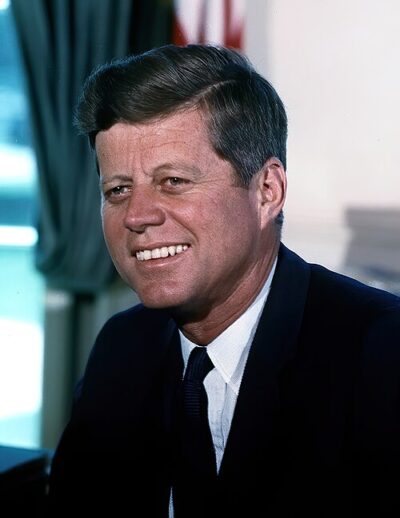 John F. Kennedy (1945)president of the United States from 1961 to 1963 (1917–1963)
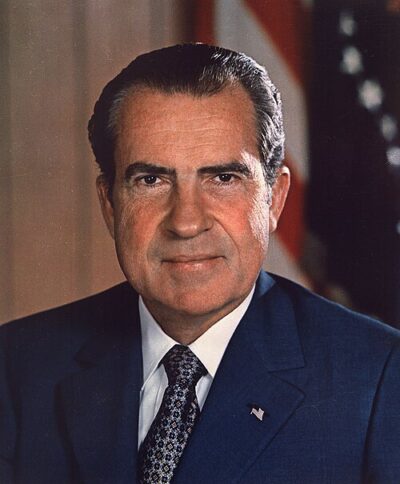 Richard Nixonpresident of the United States from 1969 to 1974 (1913–1994)
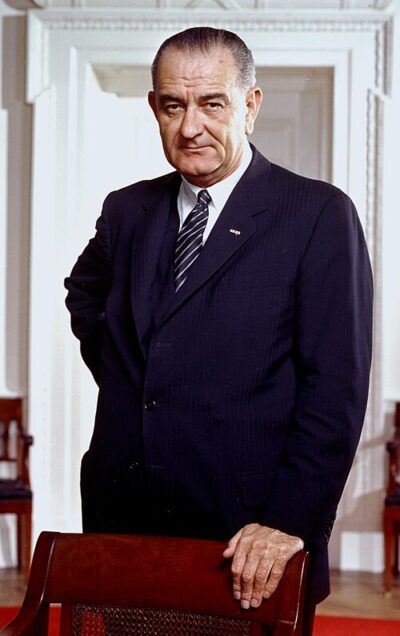 Lyndon B. Johnsonpresident of the United States from 1963 to 1969 (1908–1973)
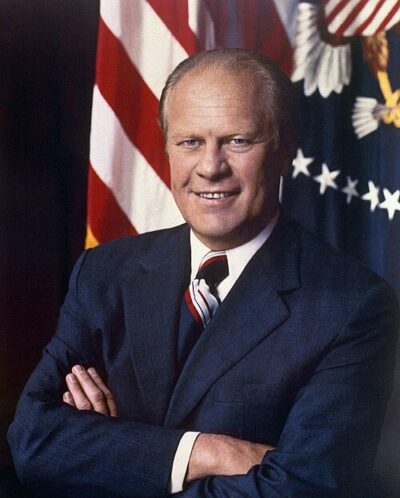 Gerald Fordpresident of the United States from 1974 to 1977 (1913–2006)
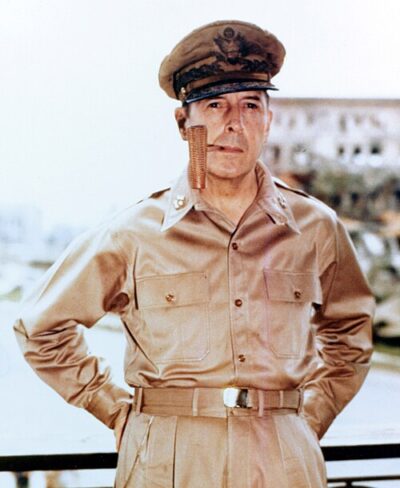 Douglas MacArthurUnited States Army general in WWI, WWII and Korea (1880–1964)
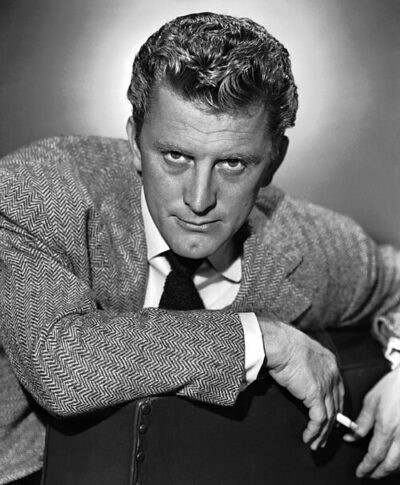 Kirk DouglasAmerican actor (1916–2020)
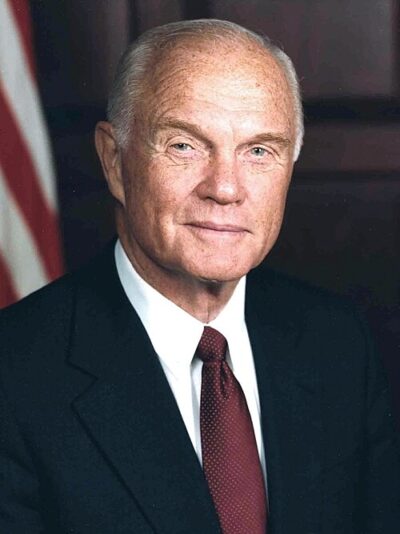 John GlennAmerican astronaut and politician (1921–2016)
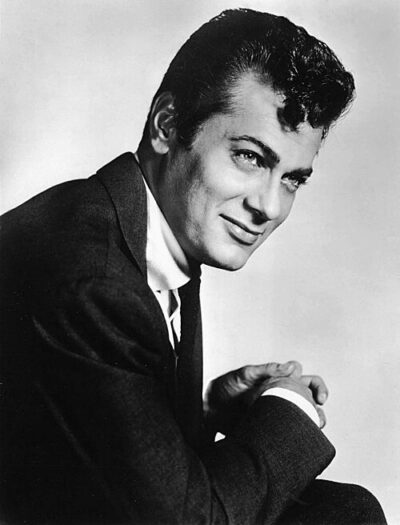 Tony CurtisAmerican actor (1925–2010)
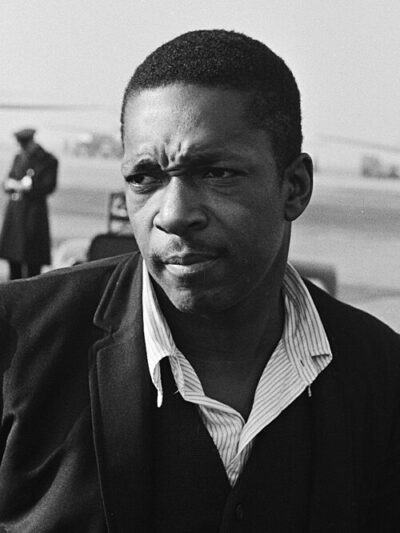 John ColtraneAmerican jazz saxophonist (1926–1967)
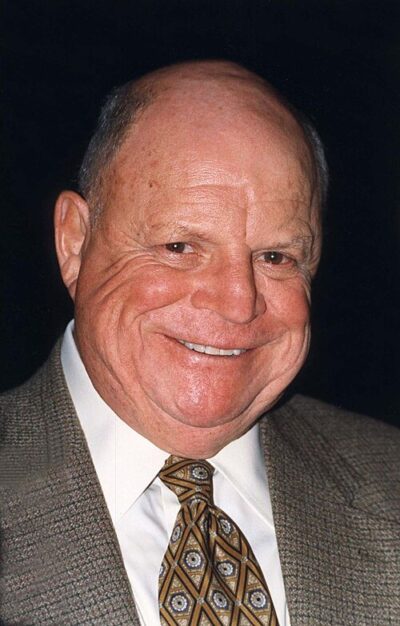 Don RicklesAmerican stand-up comedian (1926–2017)
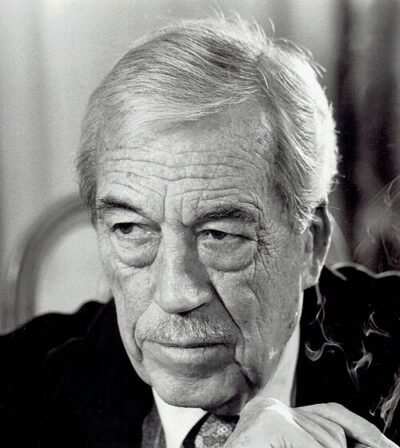 John HustonAmerican film director, screenwriter, and actor (1906–1987)
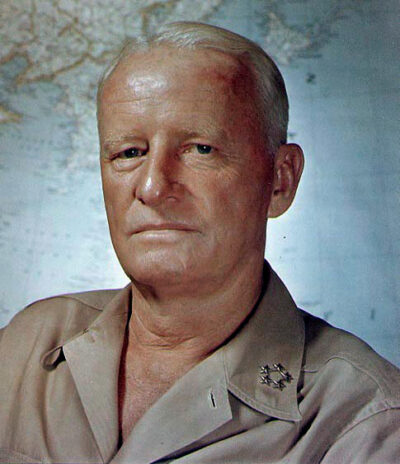 Chester W. NimitzUnited States Navy fleet admiral (1885–1966)
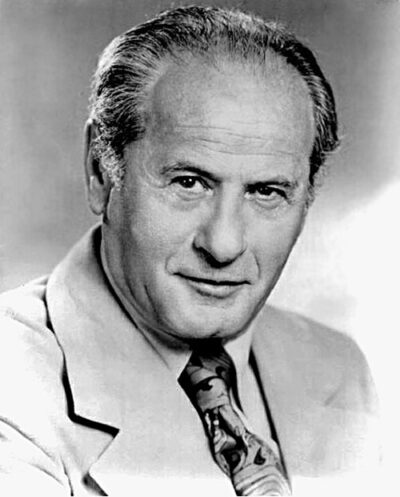 Eli WallachAmerican actor (1915–2014)
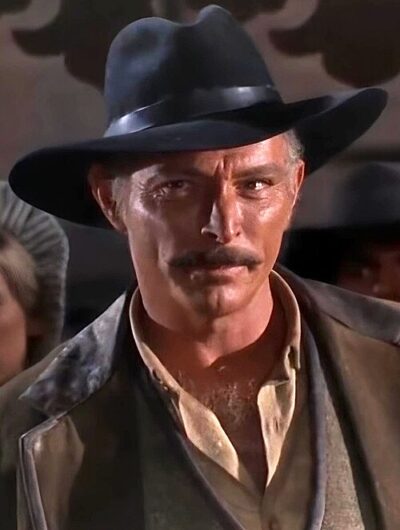 Lee Van CleefAmerican actor (1925–1989)
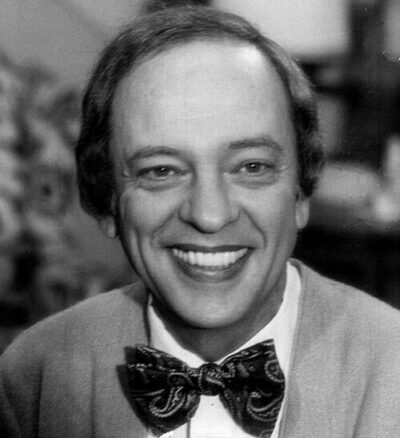 Don KnottsAmerican actor and stand-up comedian (1924-2006)
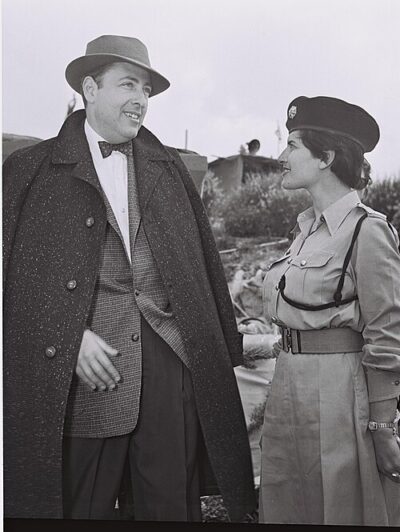 Herman WoukAmerican writer (1915-2019)
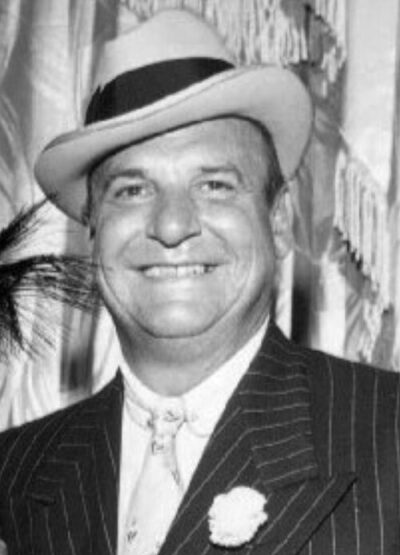 Jackie CooganAmerican actor (1914–1984)
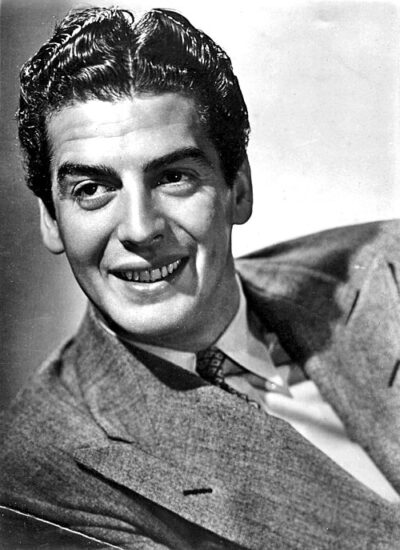 Victor MatureAmerican actor (1913–1999)
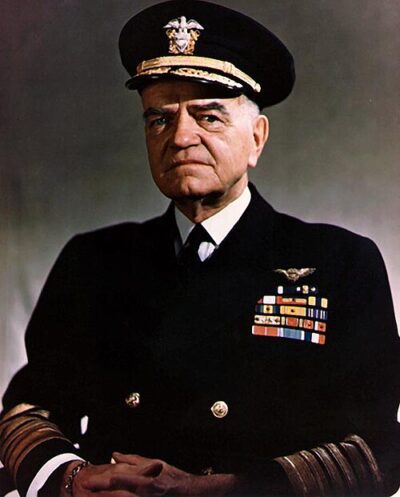 William Halsey Jr.United States admiral (1882–1959)
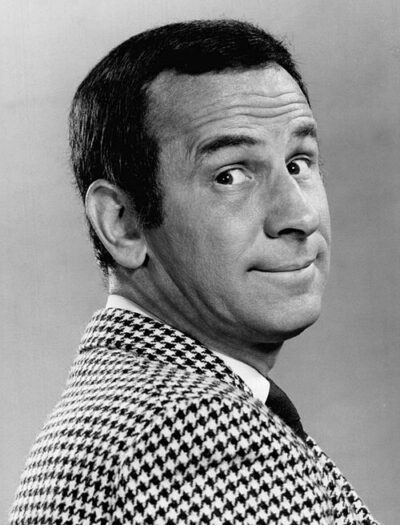 Don AdamsAmerican actor (1923–2005)
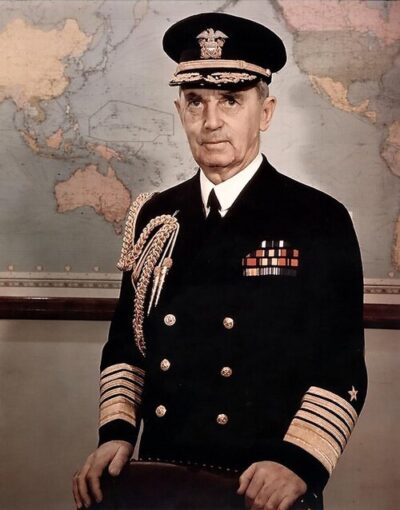 William D. LeahyUnited States admiral, ambassador to France, Chief of Staff (1875–1959)
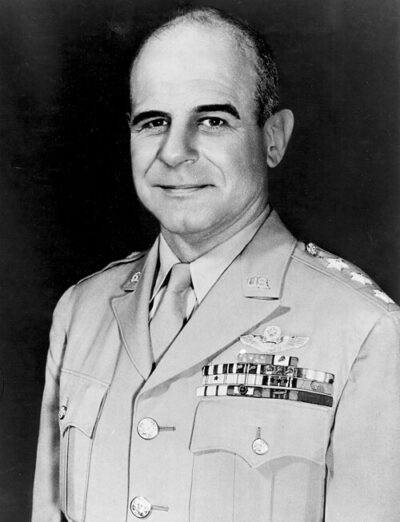 Jimmy DoolittleAmerican military officer and aviation pioneer (1896–1993)
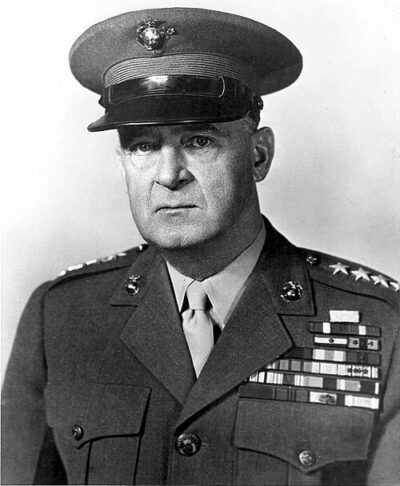 Alexander VandegriftUnited States Marine Corps Medal of Honor recipient and Commandant of the Marine Corps (1887–1973)
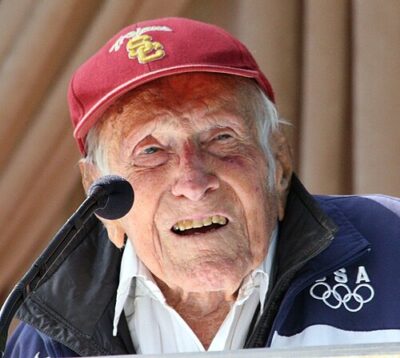 Louis ZamperiniItalian-American middle distance runner and World War II veteran
and 11 more
