
Canada Gairdner International Award
Canada Gairdner International Award is a Canadian biomedical award with an international circle of winners (1959–). It is given by the Gairdner Foundation.
- Given by
- Gairdner Foundation
- Country
- Canada
- Created
- 1959
All 7 facts, and where they come from
Facts
7 facts · 0 confirmed by two sources · 0 cited · 7 from one source
Where this comes from
Papalocal keeps its own record. It started from these sources; what each one said is kept here as it was copied, so a change on their side never changes this page by itself. Tap one to read its version.
What Wikidata says · copied November 16, 2026 · revision 2569602201
- Described as
- Canadian biomedical award with an international circle of winners (1959–)
- What it is
- science award; biomedical award · 1 reference; international award
- Created
- 1959
- Country
- Canada
- Given by
- Gairdner Foundation
- Official website
- https://gairdner.org/winners/index-of-winners/
- Wikipedias with a page
- 18
Wikidata item Q1031994 (wikidata.org/wiki/Q1031994), public domain (CC0). Copied 2026-11-16.
What Wikipedia says · copied November 16, 2026 · revision 1362411317
The Canada Gairdner International Award is given annually by the Gairdner Foundation at a special dinner to five individuals for outstanding discoveries or contributions to medical science. Receipt of the Gairdner is traditionally considered a precursor to winning the Nobel Prize in Medicine; as of 2020, 98 Nobel Prizes have been awarded to prior Gairdner recipients.
Canada Gairdner International Awards are given annually in the amount of $100,000 (each) payable in Canadian funds and can be awarded to residents of any country in the world. A joint award may be given for the same discovery or contribution to medical science, but in that case each awardee receives a full prize.
From the Wikipedia article “Canada Gairdner International Award” (en.wikipedia.org/wiki/Canada_Gairdner_International_Award), by its contributors, under CC BY-SA 4.0 (creativecommons.org/licenses/by-sa/4.0/). Copied 2026-11-16; not changed.
Confirmed Two sources agree. Cited One source, and it names where it got it. One source One source, without a reference of its own. Sources disagree The sources disagree. We show the best-supported value and keep theirs below.
People connected 124
Won it 124
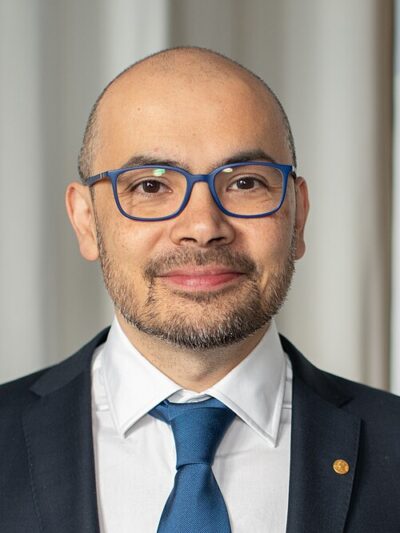 Demis Hassabis (2023)British artificial intelligence researcher (born 1976)
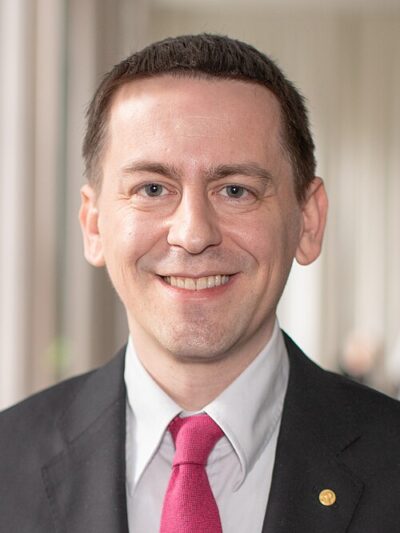 John Michael Jumper (2023)American chemist and AI expert
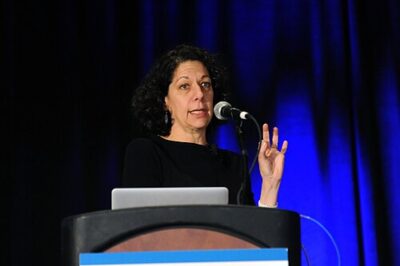 Bonnie L. Bassler (2023)American molecular biologist
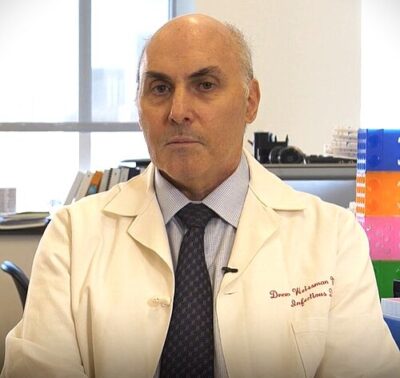 Drew Weissman (2022)American physician-scientist (born 1959)
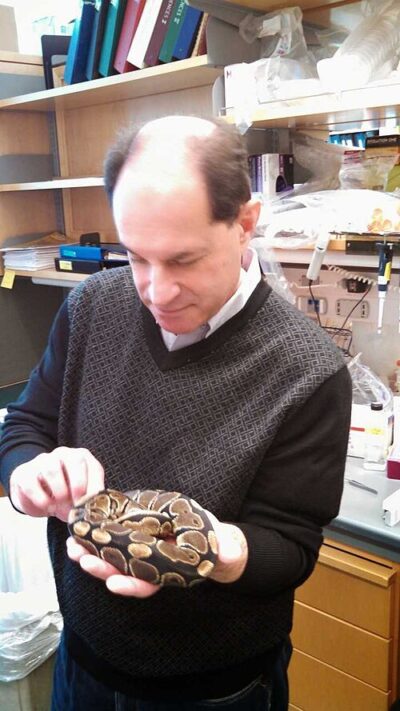 David Julius (2017)American physiologist and Nobel laureate 2021
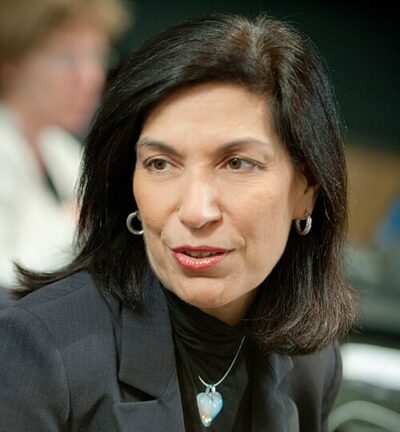 Huda Zoghbi (2017)Lebanese neurogeneticist
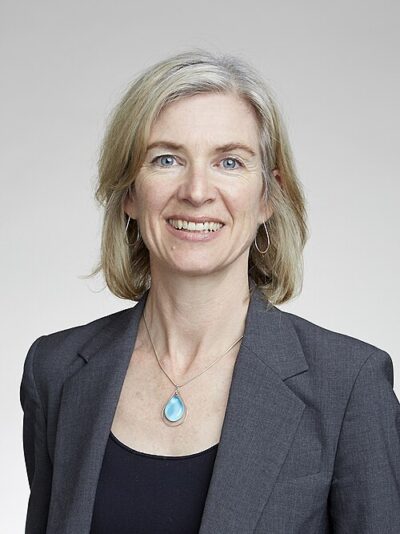 Jennifer Doudna (2016)American biochemist
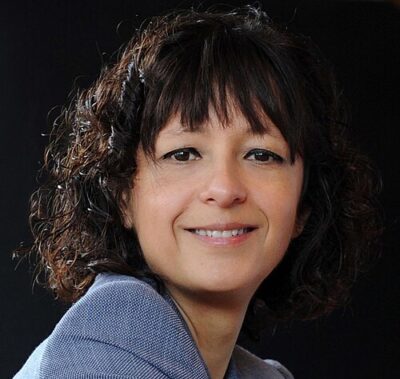 Emmanuelle Charpentier (2016)French microbiologist and biochemist (born 1968)
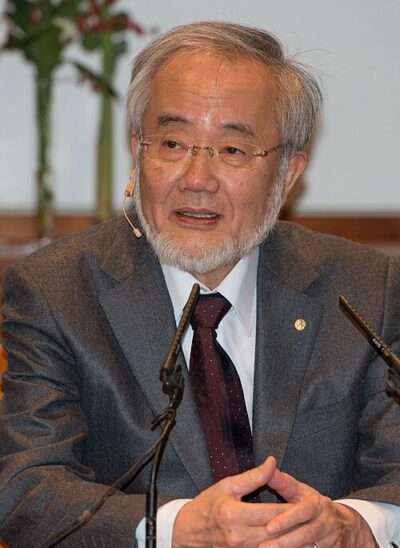 Yoshinori Ohsumi (2015)Japanese molecular biologist (1945 - )
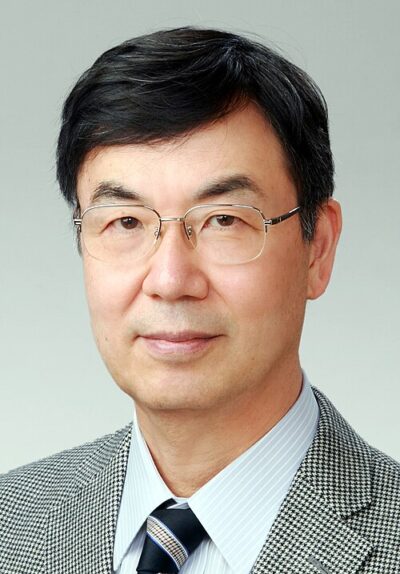 Shimon Sakaguchi (2015)Japanese immunologist and physician (1951-)
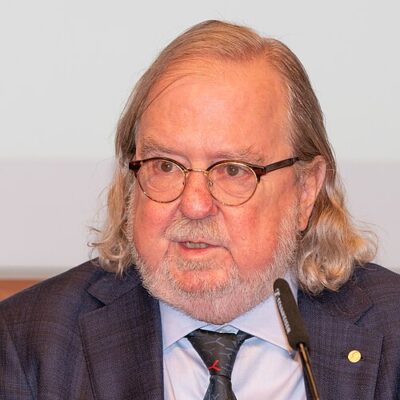 James P. Allison (2014)American immunologist and Nobel laureate (born 1948)
 Harvey J. Alter (2013)American medical researcher
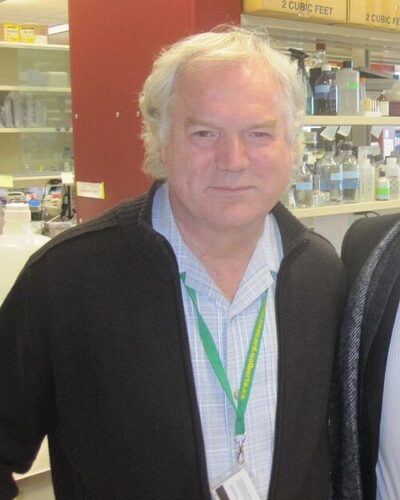 Michael Houghton (2013)virologist
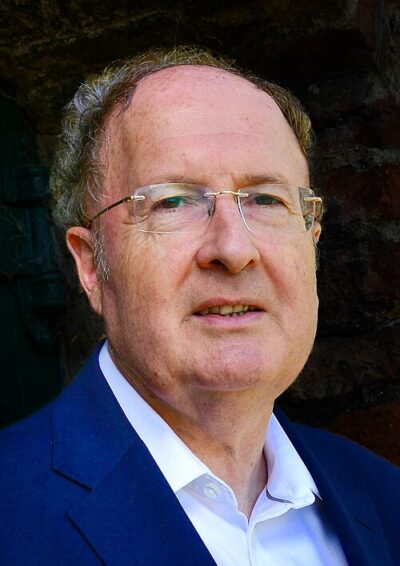 Greg Winter (2013)British biochemist (born 1951)
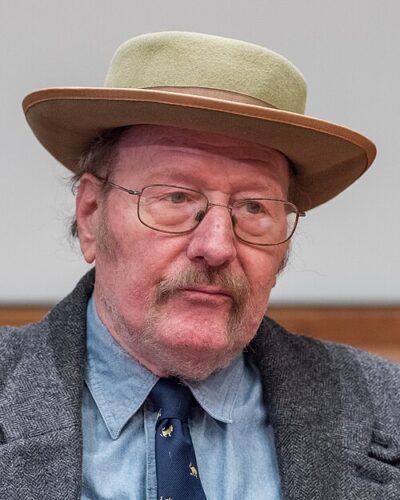 Jeffrey C. Hall (2012)American geneticist and chronobiologist
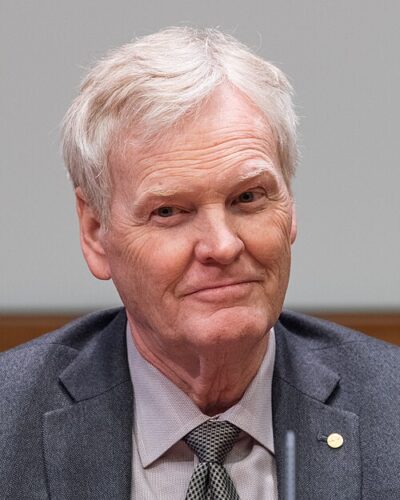 Michael W. Young (2012)American geneticist, chronobiologist
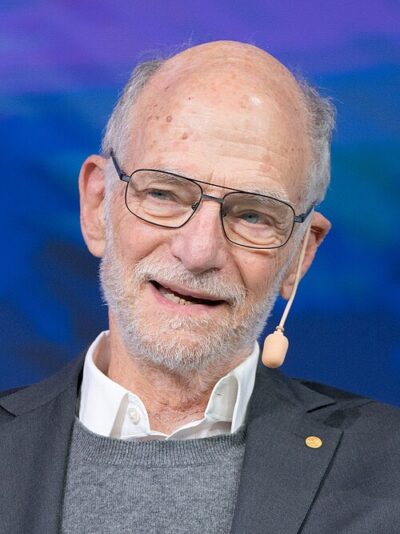 Michael Rosbash (2012)American geneticist and chronobiologist
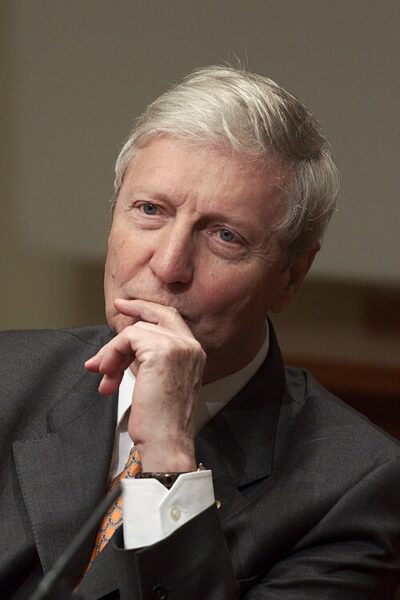 Jules A. Hoffmann (2011)French biologist
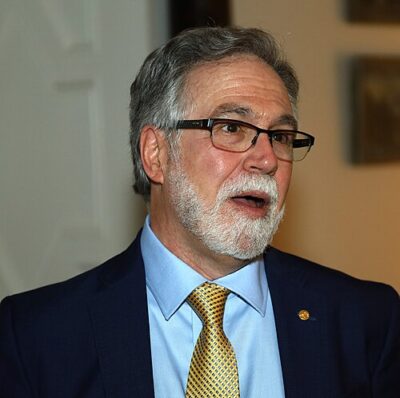 Gregg L. Semenza (2010)American physician and university teacher, Nobel laureate in Medicine, author of many retracted papers
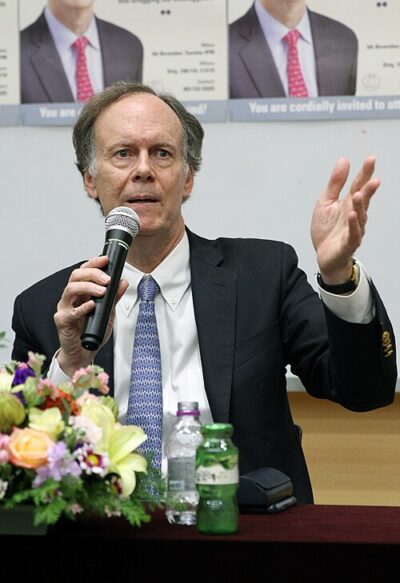 William G. Kaelin (2010)American Nobel Laureate, Professor of Medicine at Harvard University
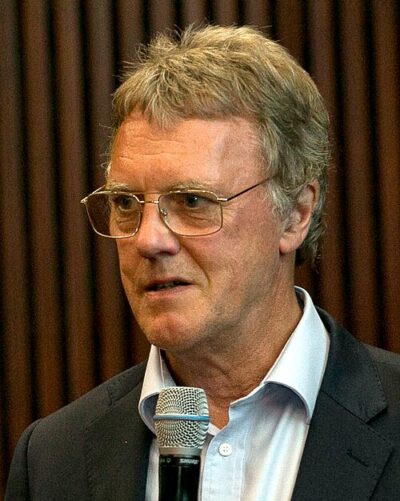 Peter J. Ratcliffe (2010)British biologist & Nobel laureate in medicine
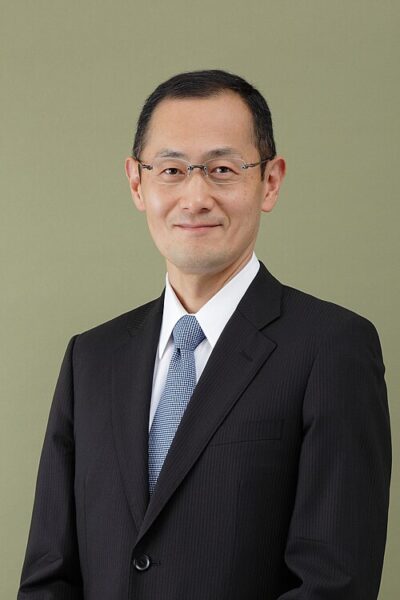 Shinya Yamanaka (2009)Japanese doctor and medical scientist (born 1962)
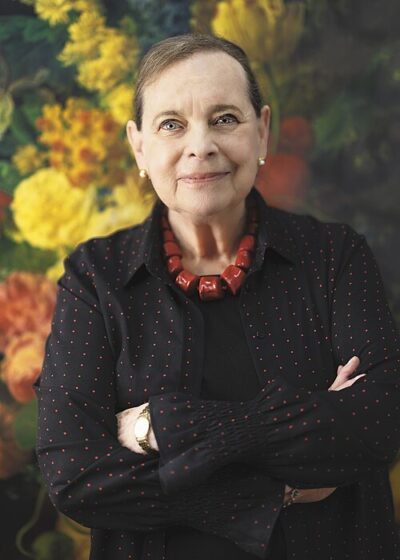 Lucy Shapiro (2009)American developmental biologist
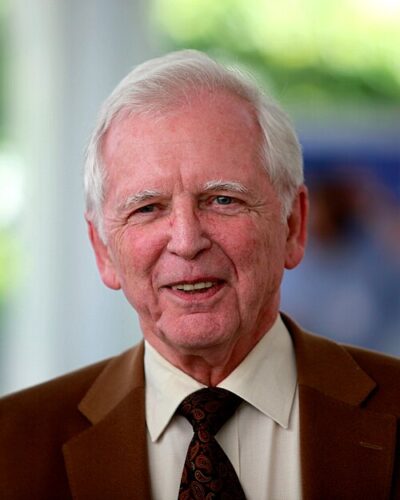 Harald zur Hausen (2008)German virologist and professor emeritus (1936–2023)
and 100 more
