

Christian Democratic Union
The Christian Democratic Union is a German centre-right political party. It was founded in 1945. Its headquarters are in Konrad-Adenauer-Haus. It stands for Christian democracy, conservatism and liberal conservatism.
- Country
- Germany
- Founded
- June 26, 1945
- Ideology
- Christian democracy
All 14 facts, and where they come from
Facts
14 facts · 0 confirmed by two sources · 4 cited · 10 from one source
Where this comes from
Papalocal keeps its own record. It started from these sources; what each one said is kept here as it was copied, so a change on their side never changes this page by itself. Tap one to read its version.
What Wikidata says · copied November 17, 2026 · revision 2565485748
- Described as
- German centre-right political party
- Other names
- CDU, Christian Democratic Union of Germany, Christlich Demokratische Union Deutschlands, Christlich Demokratische Union
- What it is
- major party; fraternal party; political party in Germany
- Founded
- June 26, 1945
- Headquarters
- Konrad-Adenauer-Haus (2000–) · 1 reference
- Country
- Germany
- Industry
- voluntary sector · 1 reference
- Chair
- Konrad Adenauer (1950–1966); Ludwig Erhard (1966–1967)
- Ideology
- Christian democracy; conservatism; liberal conservatism · 1 reference; pro-Europeanism · 1 reference
- Official website
- https://www.cdu.de
- Wikipedias with a page
- 99
Wikidata item Q49762 (wikidata.org/wiki/Q49762), public domain (CC0). Copied 2026-11-17.
What Wikipedia says · copied November 17, 2026 · revision 1386070182
The Christian Democratic Union of Germany (German: Christlich Demokratische Union Deutschlands [ˈkʁɪstlɪç demoˈkʁaːtɪʃə ʔuˈni̯oːn ˈdɔʏtʃlants], CDU [ˌtseːdeːˈʔuː] ) is a Christian democratic and conservative political party in Germany. It is the major party of the centre-right in German politics. Friedrich Merz has been federal chairman of the CDU since 31 January 2022, and has served as the Chancellor of Germany since 6 May 2025. Black, associated with the cassocks that Christian clergy wear, is the party's customary and historical electoral color.
The CDU is active in only 15 of 16 states, as its "sister party", the Christian Social Union in Bavaria (CSU), takes its place in that state. When local and regional parties were allowed in the occupation zones after 1945, Christian parties had developed in parallel, but Bavaria did not merge with other West German chapters that formed the CDU. CDU and CSU members join a united faction within the Bundestag, "the Union" (CDU/CSU), but remain and run as organizationally separate parties. Like all parties, the CSU has to pass the Germany-wide 5% electoral threshold on its own, only from the Bavarian votes, which was not an issue in the past. Having won a combined 22.5% + 6% = 28.5% of votes in the 2025 federal election, the CDU/CSU with 208 out of 630 seats is the largest faction in the 21st Bundestag, the current German federal legislature. The group's first parliamentary leader had been Jens Spahn from 5 May 2025 to summer 2026.
Founded in 1945 as an interdenominational Christian party, the CDU effectively succeeded the traditional Catholic Centre Party that was active from 1870 until 1933. When political parties were allowed in Allied-occupied Germany, many former Centre members joined the all-Christian CDU, including its first leader Konrad Adenauer. The party also included politicians of other backgrounds, including liberals and conservatives. As a result, the party claims to represent "Christian-social, liberal and conservative" elements. The CDU is generally pro-European in outlook.
The CDU leads the federal government in a grand coalition with the Social Democratic Party of Germany (SPD), after returning as the largest party in the 2025 federal election. It previously led the federal government from 1949 to 1969, 1982 to 1998, and 2005 to 2021. Germany's three longest-serving post-war Chancellors have all come from the CDU, specifically: Konrad Adenauer (1949–1963), Helmut Kohl (1982–1998) and Angela Merkel (2005–2021). The party also currently leads the governments of seven of Germany's 16 states. In the former German Democratic Republic, which existed from 1949 until unification, there was also a CDU (called East CDU); it was a bloc party and part of the National Front with the Socialist Unity Party.
The CDU is a member of the Centrist Democrat International (CDI), the International Democracy Union (IDU), and the European People's Party (EPP). It is the largest party in the EPP with 23 MEPs. Ursula von der Leyen, the current President of the European Commission, is also a member of the CDU.
From the Wikipedia article “Christian Democratic Union of Germany” (en.wikipedia.org/wiki/Christian_Democratic_Union_of_Germany), by its contributors, under CC BY-SA 4.0 (creativecommons.org/licenses/by-sa/4.0/). Copied 2026-11-17; not changed.
Confirmed Two sources agree. Cited One source, and it names where it got it. One source One source, without a reference of its own. Sources disagree The sources disagree. We show the best-supported value and keep theirs below.
Picture: Wikimedia Commons: Konrad-Adenauer-Haus (Berlin) Flaggen.jpg · See Commons file page
People connected 42
Party members 42
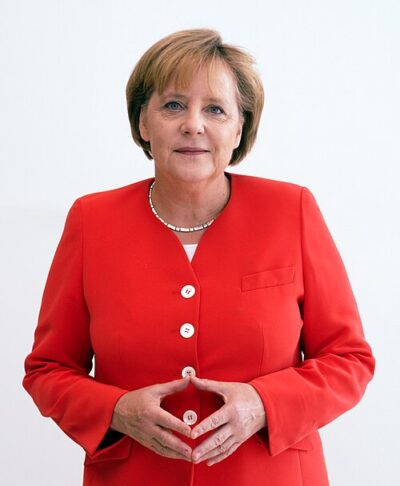 Angela Merkel (1990–)chancellor of Germany from 2005 to 2021 (born 1954)
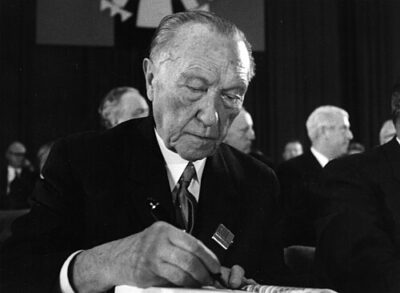 Konrad Adenauer (1945–1967)German politician, Chancellor of West Germany (1949–1963), Zentrum and CDU
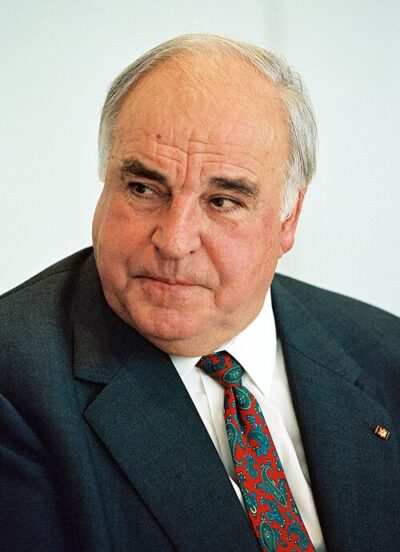 Helmut KohlChancellor of West Germany and reunified Germany (1982–1998)
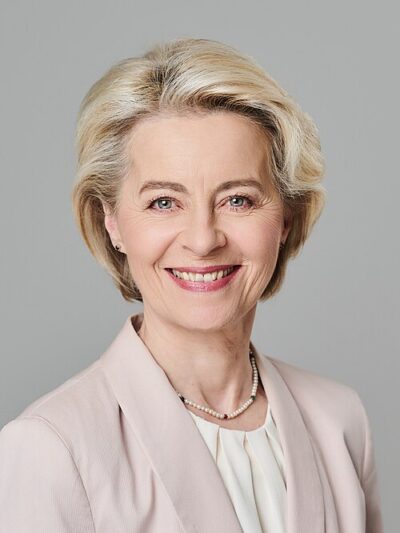 Ursula von der Leyen (1990–)President of the European Commission since 2019
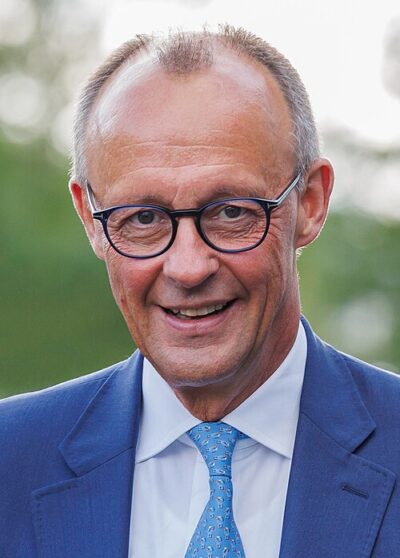 Friedrich Merz (1972–)German politician, Chancellor of the Federal Republic of Germany
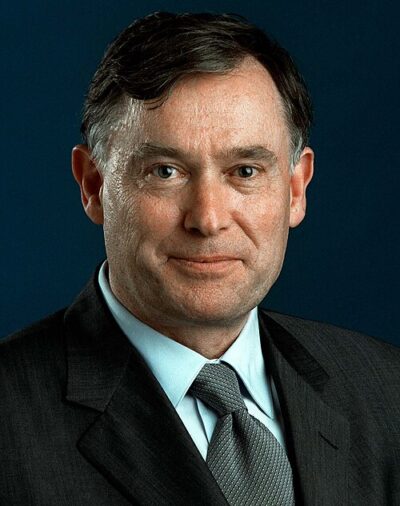 Horst Köhler (1981–2025)German politician (CDU); president of Germany, 2004–2010
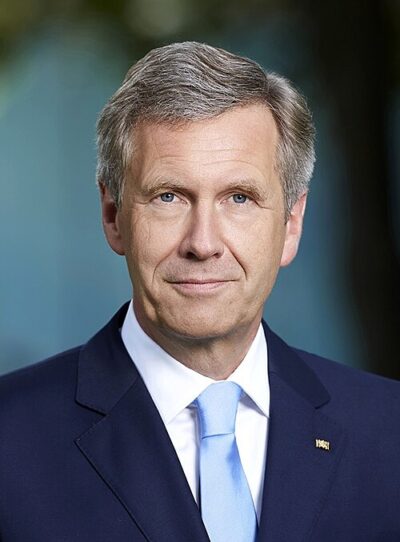 Christian Wulff10th German Federal President
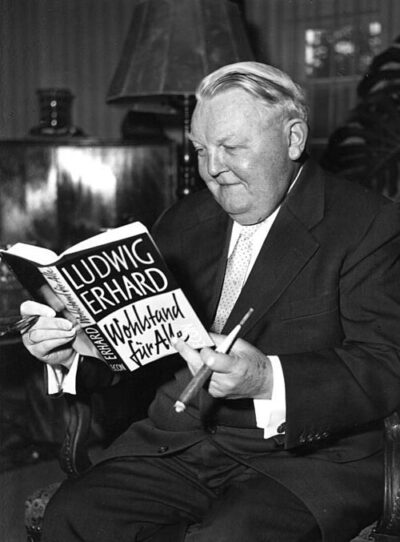 Ludwig ErhardChancellor of West Germany (1963–1966)
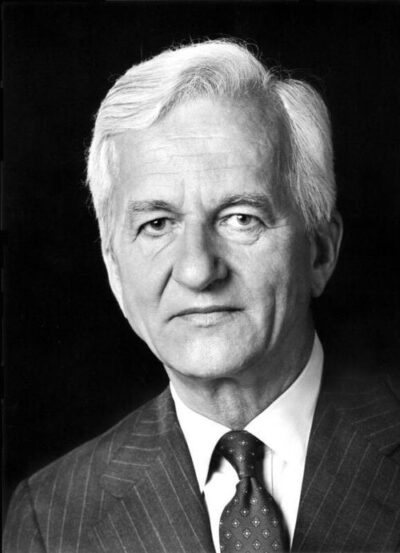 Richard von Weizsäcker (1954–)President of Germany from 1984 to 1994
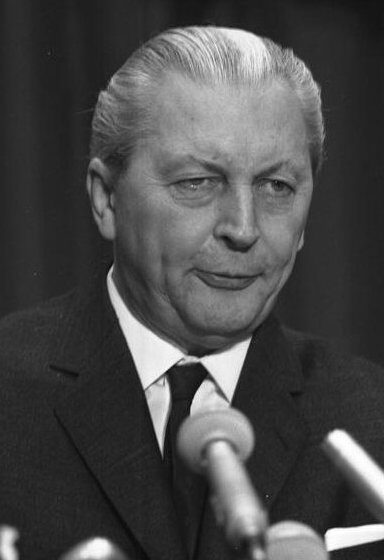 Kurt Georg Kiesinger (1949–1988)Chancellor of West Germany (1966–1969)
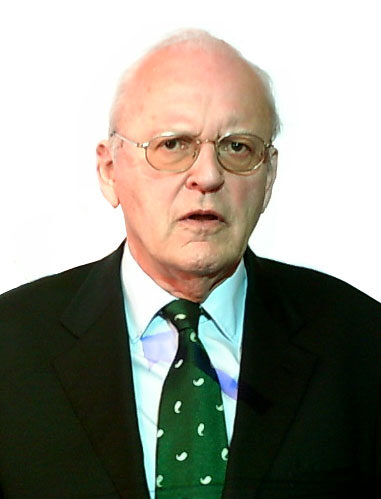 Roman Herzogformer President of the Federal Republic of Germany (1934–2017)
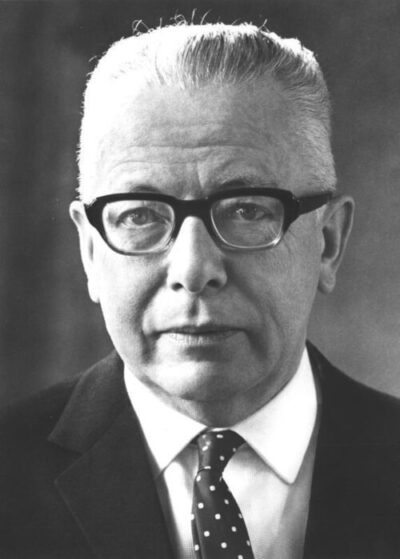 Gustav HeinemannGerman politician; President of Germany from 1969–1974 (1899–1976)
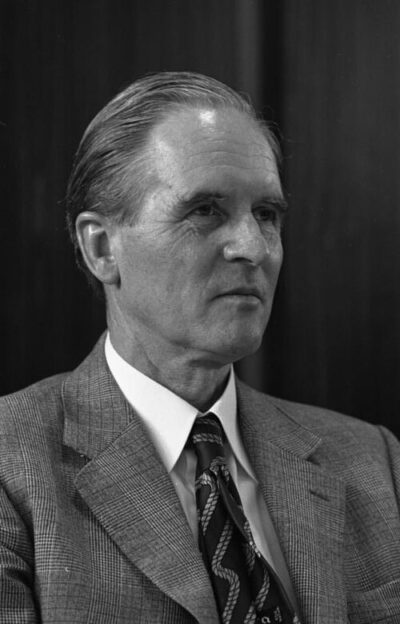 Karl Carstens (1955–)president of the Federal Republic of Germany (1914-1992)
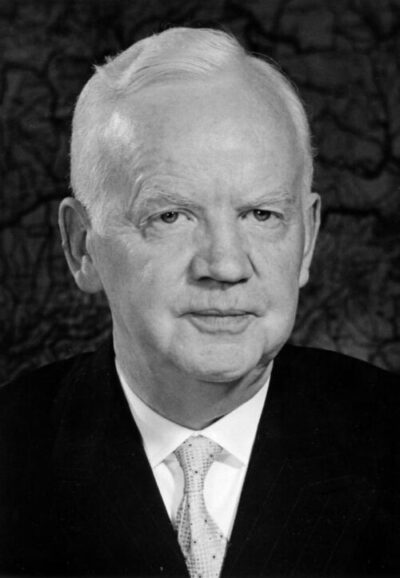 Heinrich Lübke (1945–1972)German politician (1894-1972)
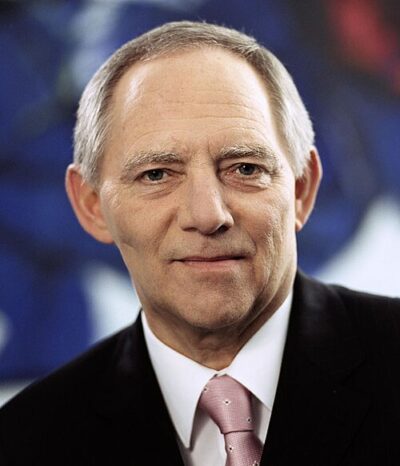 Wolfgang SchäubleGerman politician and statesman (1942–2023)
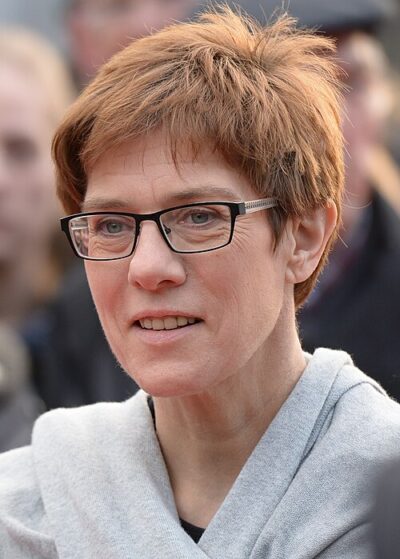 Annegret Kramp-Karrenbauer (1981–)German politician, former federal minister of defence
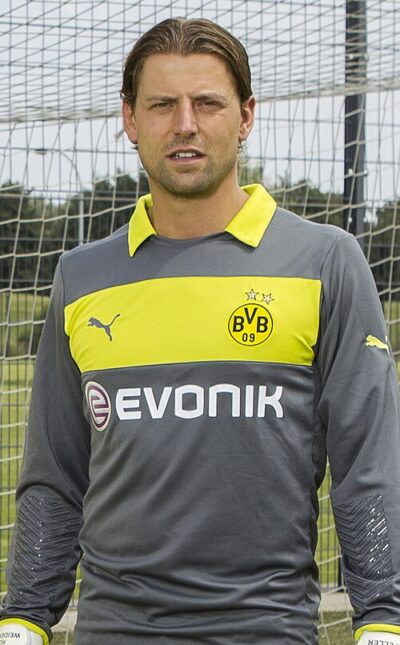 Roman WeidenfellerGerman association football player (born 1980)
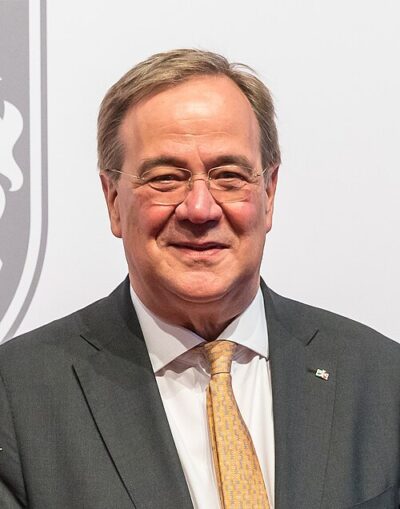 Armin Laschet (1979–)German politician (CDU)
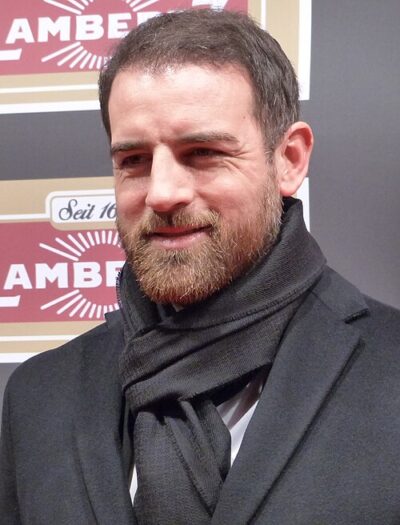 Christoph Metzelder (2006–)German footballer (born 1980)
 Sabine Bergmann-PohlGerman politician, last leader of East Germany
 Thomas de MaizièreGerman politician
 Pascual JordanGerman physicist and politician (1902-1980)
 Olaf ThonGerman association football player and manager
 Walter HallsteinGerman diplomat and statesman (1901–1982)
and 18 more
