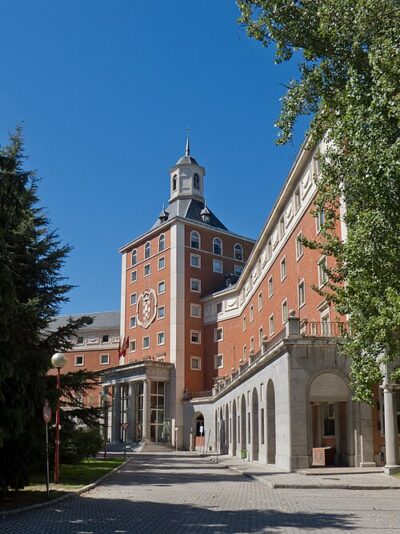
Complutense University of Madrid
The Complutense University of Madrid is a public university in Madrid, Spain. It was founded in 1970. Its headquarters are in Rectorado de la UCM. It has 10,506 employees. 91,598 students study there.
- Located in
- Madrid
- Country
- Spain
- Founded
- 1970
- Students
- 91,598
- What it is
- public university
All 10 facts, and where they come from
Facts
10 facts · 0 confirmed by two sources · 3 cited · 7 from one source
Where this comes from
Papalocal keeps its own record. It started from these sources; what each one said is kept here as it was copied, so a change on their side never changes this page by itself. Tap one to read its version.
What Wikidata says · copied November 16, 2026 · revision 2555385276
- Described as
- public university in Madrid, Spain
- Other names
- Universidad Complutense de Madrid, UCM, Universidad de Madrid, ucm.es
- What it is
- public university; open-access publisher · 1 reference; publishing house · 1 reference
- Founded
- 1970
- Headquarters
- Rectorado de la UCM
- Located in
- Madrid
- Country
- Spain · 1 reference
- Employees
- 10,506 · 1 reference
- Students
- 91,598 · 1 reference
- Official website
- https://www.ucm.es
- Wikipedias with a page
- 56
Wikidata item Q219694 (wikidata.org/wiki/Q219694), public domain (CC0). Copied 2026-11-16.
What Wikipedia says · copied November 16, 2026 · revision 1382140451
The Complutense University of Madrid (Spanish: Universidad Complutense de Madrid, UCM; Latin: Universitas Complutensis Matritensis) is a public research university located in Madrid. Founded in Alcalá in 1293 (before relocating to Madrid in 1836), it is one of the oldest operating universities in the world. It is located on a sprawling campus that occupies the entirety of the Ciudad Universitaria district of Madrid, with annexes in the district of Somosaguas in the neighboring city of Pozuelo de Alarcón. It is named after the ancient Roman settlement of Complutum, now an archeological site in Alcalá de Henares, just east of Madrid.
The Complutense is one of the most historically relevant universities in Spain and in the world, and arguably the most intimately entwined with the development of the Spanish state. Both the Palace of Moncloa (the prime minister's official residence) and the Spanish Constitutional Court are located directly on the university's campus grounds. The university has trained numerous Spanish prime ministers, EU commissioners, and NATO secretaries-general, as well as members of the Spanish Royal House over the centuries. By Royal Decree of 1857, the Central University was the first and only institution in Spain authorized to grant doctorate degrees throughout the Spanish Empire, which established it as the "Docta" (the Learned), making it the ultimate intellectual authority in Spain. This power was decentralized in the late 20th century, but the Complutense retained much of its historical precedence to the present day.
It enrolls over 86,000 students, making it the eighth largest non-distance European university by enrollment. In 1909, the Central University became one of the first universities in the world to grant a doctorate degree to a woman. It was renamed as Universidad de Madrid ('University of Madrid') in 1943.
From the Wikipedia article “Complutense University of Madrid” (en.wikipedia.org/wiki/Complutense_University_of_Madrid), by its contributors, under CC BY-SA 4.0 (creativecommons.org/licenses/by-sa/4.0/). Copied 2026-11-16; not changed.
Confirmed Two sources agree. Cited One source, and it names where it got it. One source One source, without a reference of its own. Sources disagree The sources disagree. We show the best-supported value and keep theirs below.
Picture: Carlos Delgado, via Wikimedia Commons · CC BY-SA 3.0
People connected 95
Studied here 89
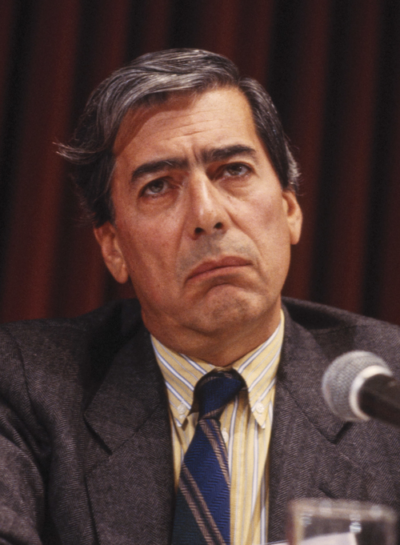 Mario Vargas Llosa (1958–1971)Peruvian, Spanish and Dominican novelist and writer (1936–2025)
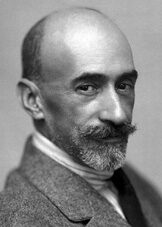 Jacinto BenaventeSpanish writer (1866-1954)
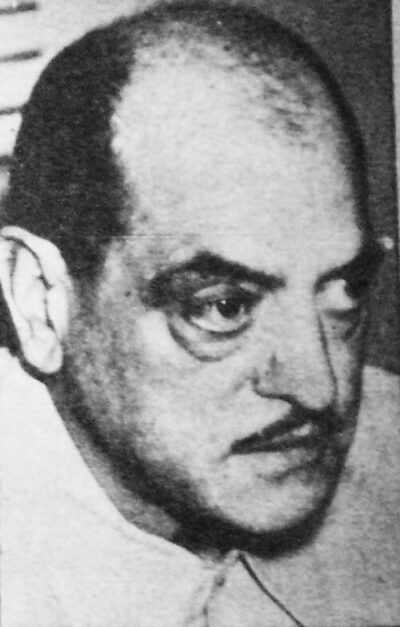 Luis BuñuelSpanish-Mexican filmmaker (1900–1983)
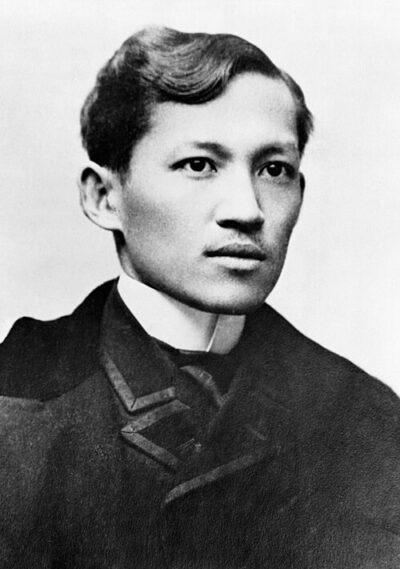 José RizalFilipino nationalist, writer and polymath (1861–1896)
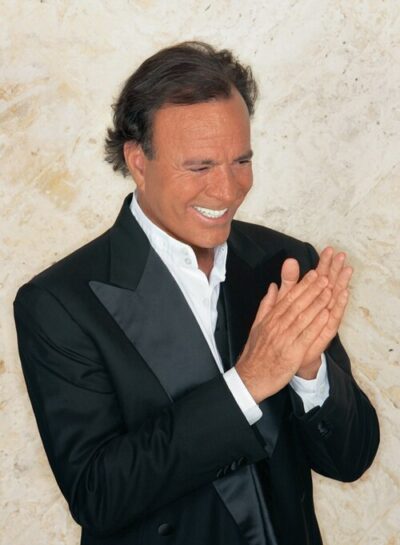 Julio IglesiasSpanish singer and lawyer (born 1943)
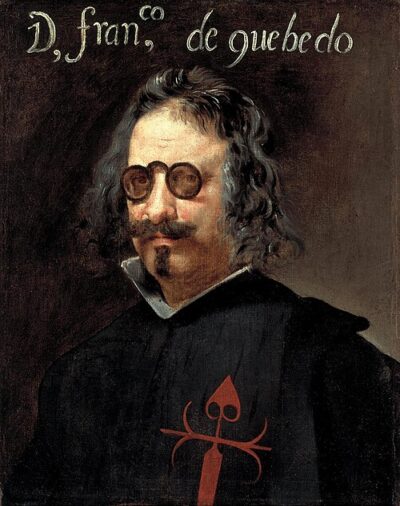 Francisco QuevedoSpanish writer (1580-1645)
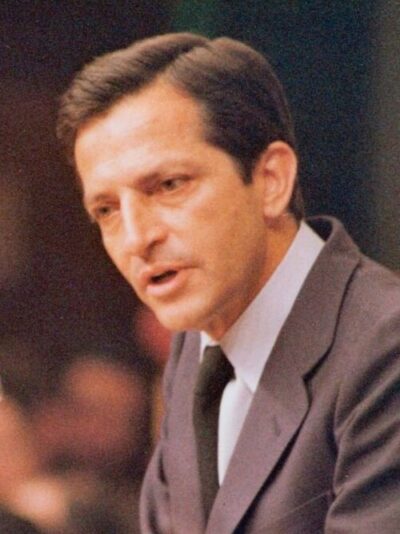 Adolfo SuárezPrime Minister of Spain (1976–1981)
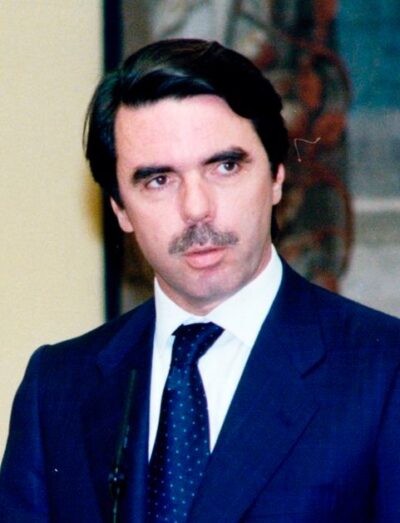 José María AznarPrime Minister of Spain from 1996 to 2004
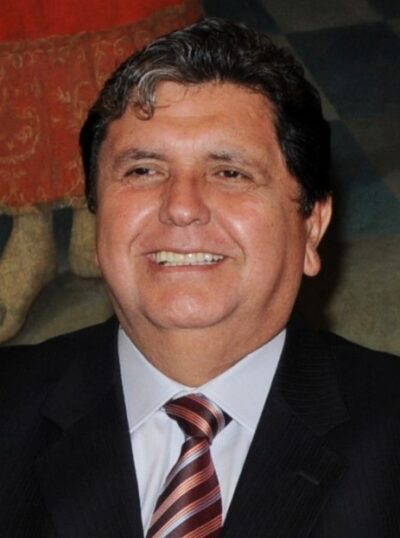 Alan GarcíaPresident of Peru (1985–1990 and 2006–2011)
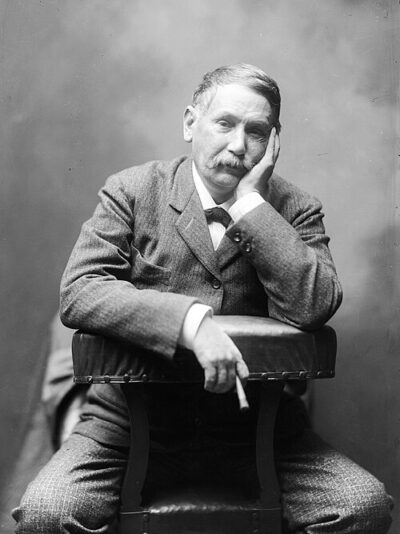 Benito Pérez GaldósSpanish realist novelist (1843–1920)
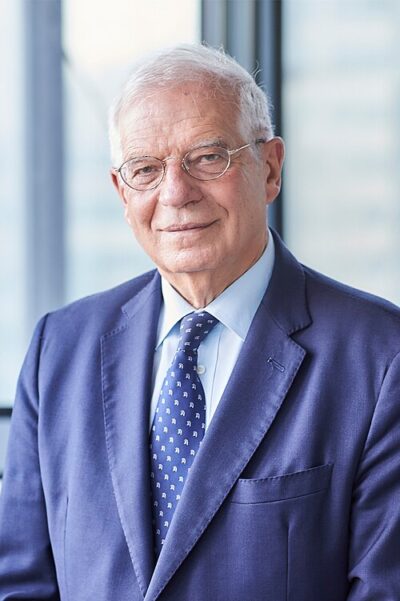 Josep Borrell (1967–1976)Catalan-Spanish diplomat and politician (born 1947)
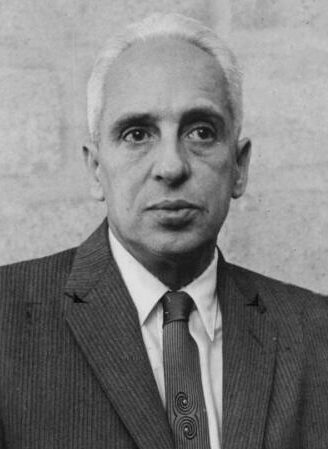 Severo OchoaSpanish physician
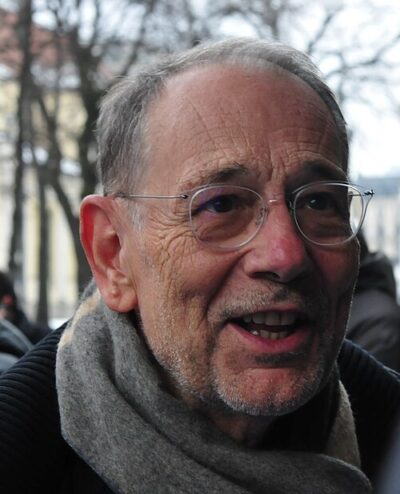 Javier SolanaSpanish politician
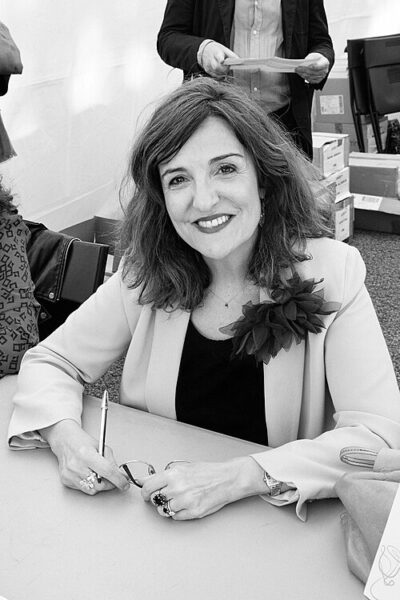 Elvira LindoSpanish writer
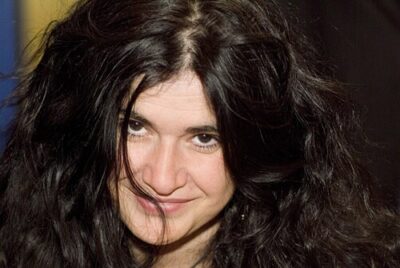 Lucía EtxebarriaSpanish writer
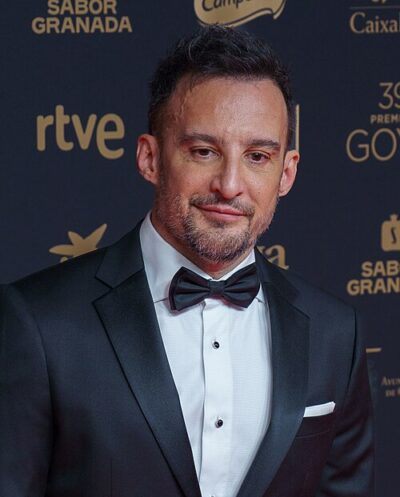 Alejandro AmenábarSpanish-Chilean film director, screenwriter and composer
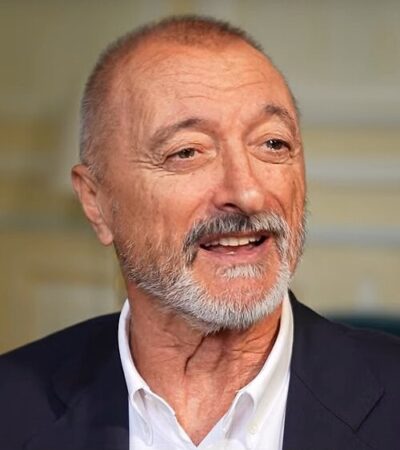 Arturo Pérez-ReverteSpanish writer and journalist
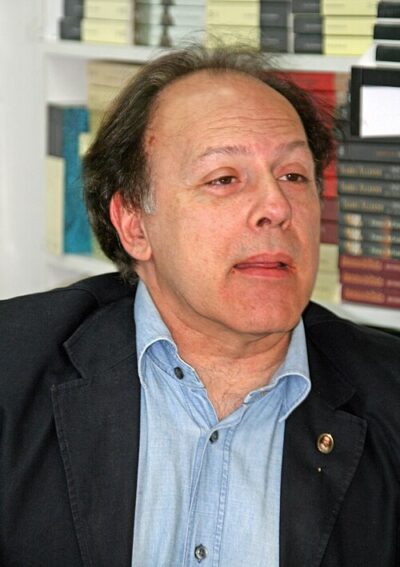 Javier MaríasSpanish writer (1951–2022)
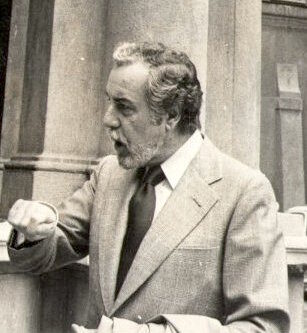 Fernando ReySpanish actor (1917–1994)
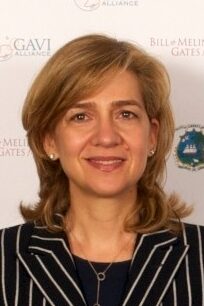 Infanta Cristina of SpainSpanish royal
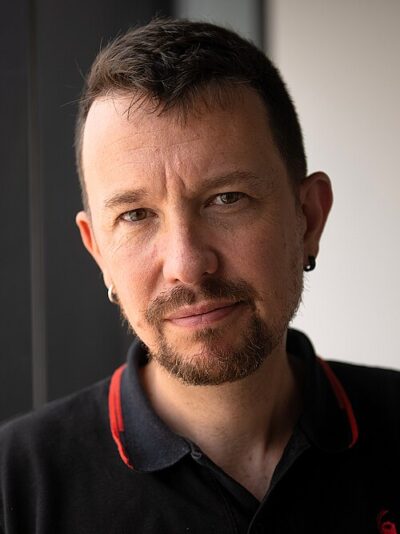 Pablo Iglesias Turrión (1996–2008)Spanish politician (born 1978)
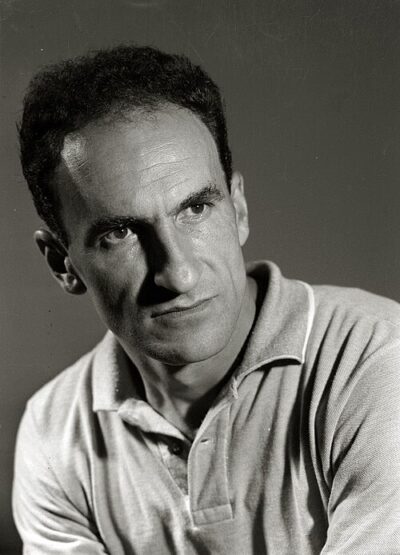 Eduardo ChillidaSpanish Basque sculptor (1924–2002)
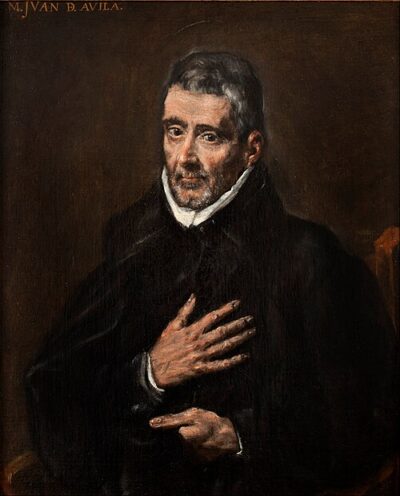 John of ÁvilaSpanish priest, Doctor of the Church
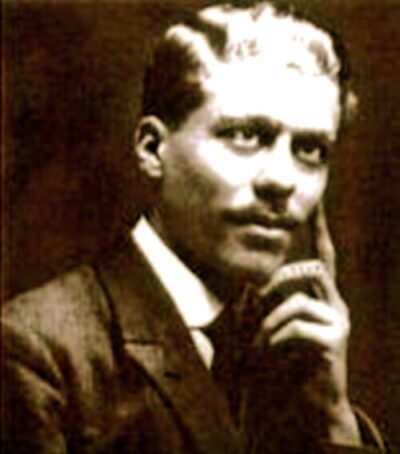 Emmanuel MounierFrench philosopher (1905–1950)
and 65 more
Worked here
- Josep Borrell (1972–)Catalan-Spanish diplomat and politician (born 1947)
- Javier SolanaSpanish politician
- Pablo Iglesias Turrión (2008–)Spanish politician (born 1978)
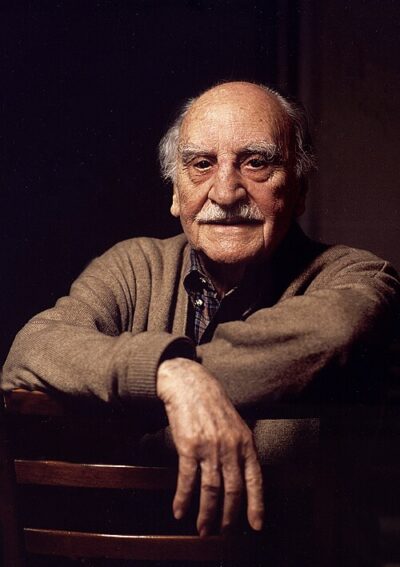 Francisco AyalaSpanish novelist
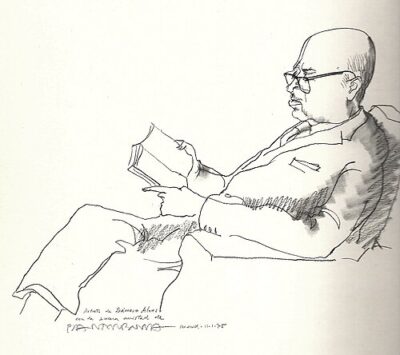 Dámaso AlonsoSpanish poet, philologist, and literary critic
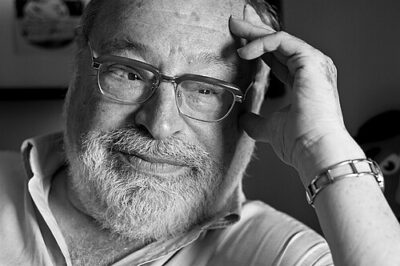 Fernando SavaterSpanish philosophy professor and author
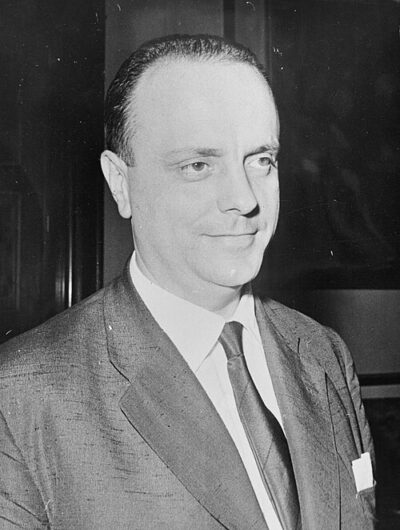 Manuel FragaSpanish politician (1922–2012)
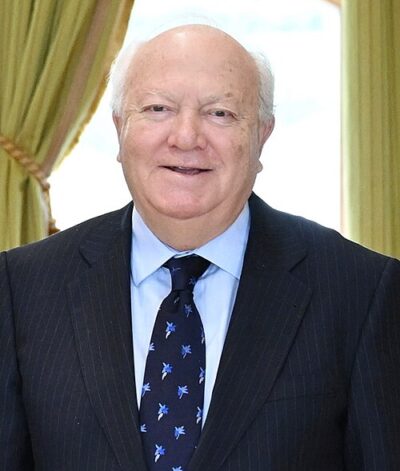 Miguel Ángel MoratinosSpanish politician
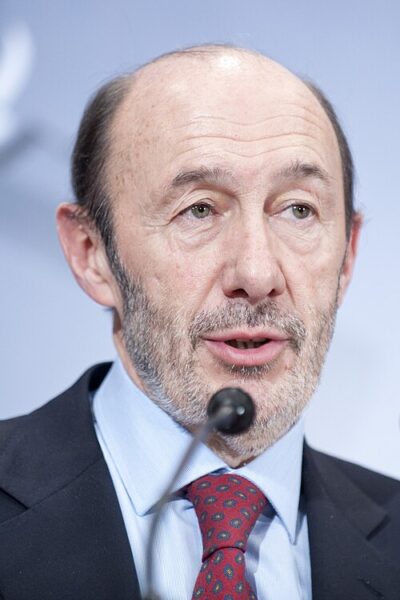 Alfredo Pérez RubalcabaSpanish politician and chemist (1951-2019)
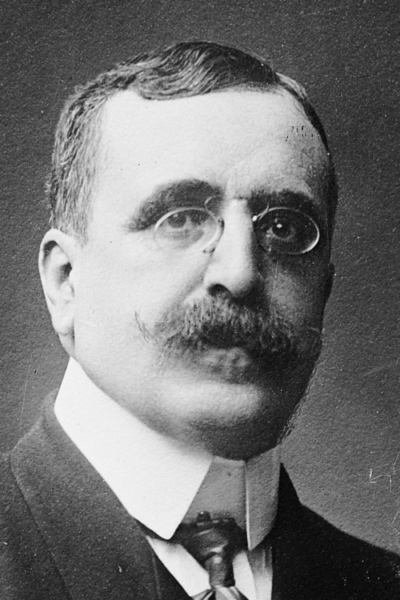 José CanalejasSpanish politician (1854-1912)
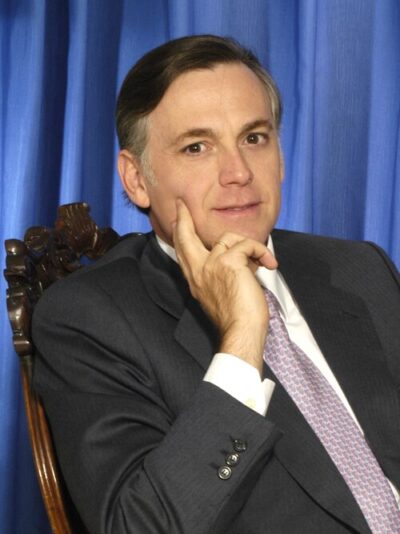 Jesús Huerta de SotoSpanish economist, professor, and author
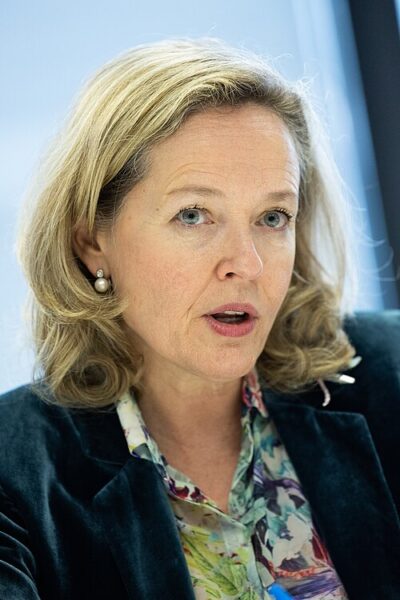 Nadia CalviñoSpanish economist and politician
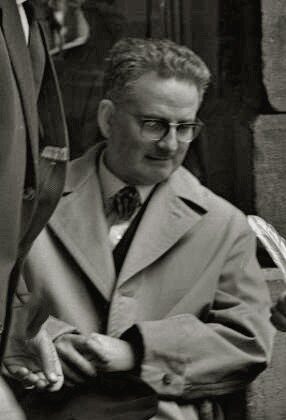 Julio CaroSpanish academic (1914–1995)
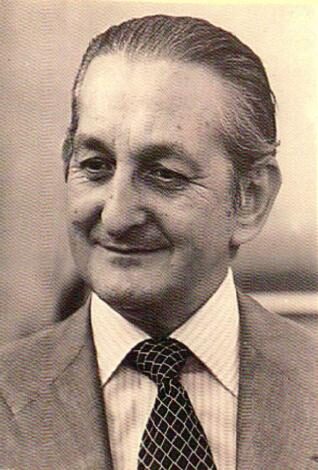 Torcuato Fernández-MirandaSpanish politician (1915-1980)
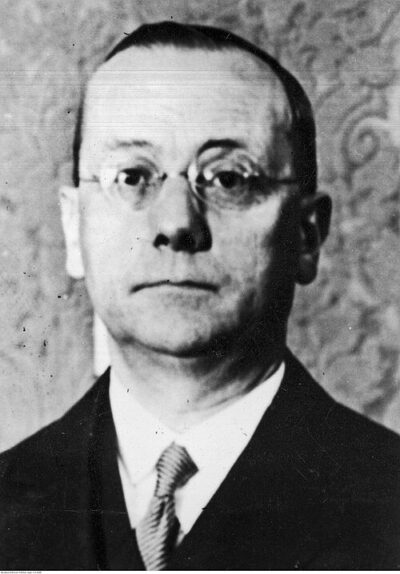 José GiralSpanish politician (1879-1962)
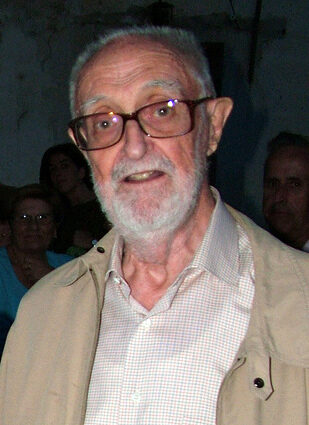 José Luis SampedroSpanish economist and writer
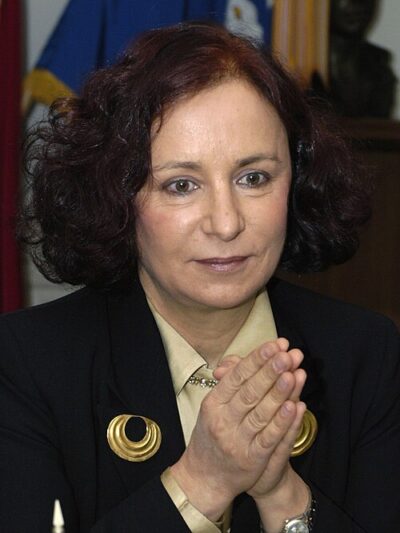 Ana PalacioSpanish politician