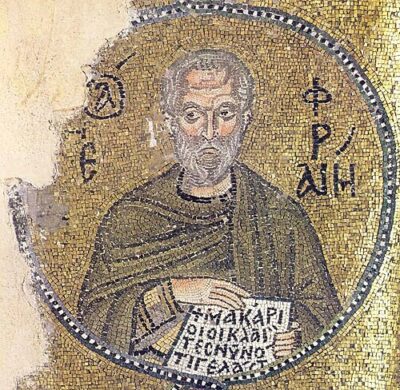
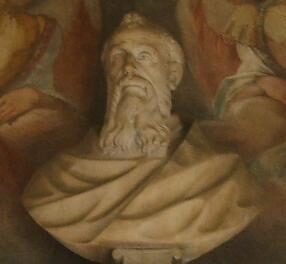
Doctor of the Church
Doctor of the Church is a title given by the Catholic Church.
All 1 facts, and where they come from
Facts
1 facts · 0 confirmed by two sources · 0 cited · 1 from one source
Where this comes from
Papalocal keeps its own record. It started from these sources; what each one said is kept here as it was copied, so a change on their side never changes this page by itself. Tap one to read its version.
What Wikidata says · copied November 17, 2026 · revision 2560646760
- Described as
- title given by the Catholic Church
- What it is
- title of honor
- Wikipedias with a page
- 59
Wikidata item Q192499 (wikidata.org/wiki/Q192499), public domain (CC0). Copied 2026-11-17.
What Wikipedia says · copied November 17, 2026 · revision 1385569862
Doctor of the Church (Latin: doctor, 'teacher'), also referred to as Doctor of the Universal Church (Doctor Ecclesiae Universalis), is a title given by the Catholic Church to saints recognised as having made a significant contribution to theology or doctrine through their research, study, or writing.
As of 2025, the Catholic Church has named 38 Doctors of the Church. Of these, the 18 who died before the Great Schism of 1054 are also held in high esteem by the Eastern Orthodox Church, although it does not use the formal title Doctor of the Church.
Among the 38 recognised Doctors, 29 are from the West and nine from the East; four are women and 34 are men; one is an abbess, three are nuns, and one is a tertiary associated with a religious order; two are popes, 19 are bishops, 13 are priests, and one is a deacon; and 28 are from Europe, three are from Africa, and seven are from Asia. More Doctors (twelve) lived in the fourth century than any other; eminent Christian writers of the first, second, and third centuries are usually referred to as the Ante-Nicene Fathers. The shortest period between death and nomination was that of Alphonsus Liguori, who died in 1787 and was named a Doctor in 1871 – a period of 84 years; the longest was that of Irenaeus, which took more than 18 centuries.
From the Wikipedia article “Doctor of the Church” (en.wikipedia.org/wiki/Doctor_of_the_Church), by its contributors, under CC BY-SA 4.0 (creativecommons.org/licenses/by-sa/4.0/). Copied 2026-11-17; not changed.
Confirmed Two sources agree. Cited One source, and it names where it got it. One source One source, without a reference of its own. Sources disagree The sources disagree. We show the best-supported value and keep theirs below.
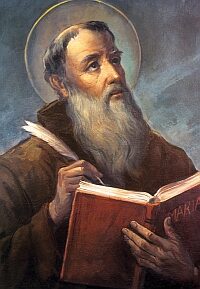
Picture: Wikimedia Commons: AmbroseOfMilan.jpg · See Commons file page
People connected 13
Occupation
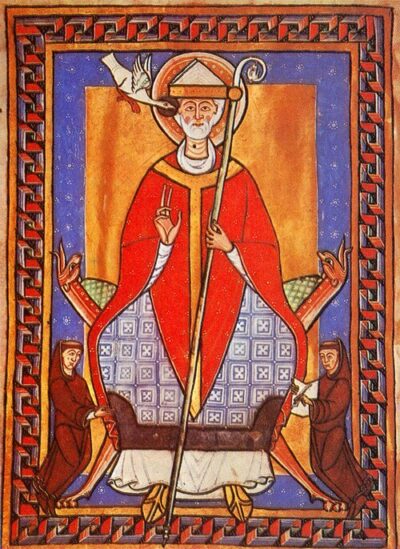 Gregory I6th-century Roman Pope, theologian and Church Father, Catholic and Orthodox saint, 64th Bishop of Rome and Doctor of the Church
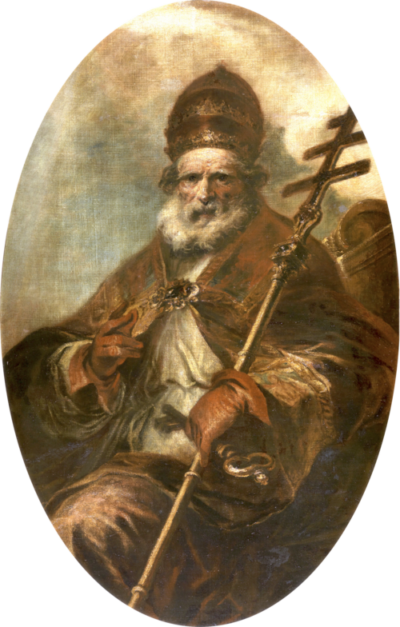 Leo IPope from 440 to 461 (390–461)
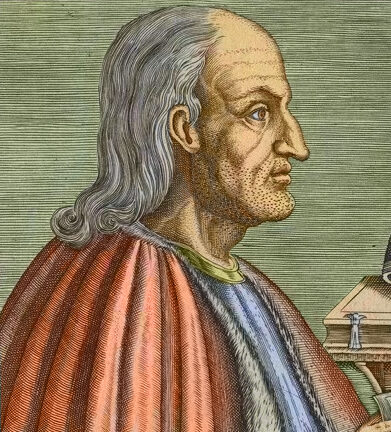 Anselm of Canterbury11th‑century Benedictine monk, Archbishop of Canterbury, philosopher and theologian
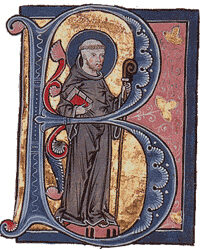 Bernard of ClairvauxBurgundian saint, abbot and theologian (1090–1153)
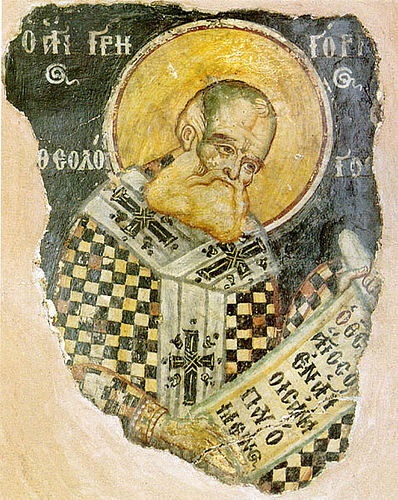 Gregory of NazianzusChristian saint and theologian (c. 329 – 390)
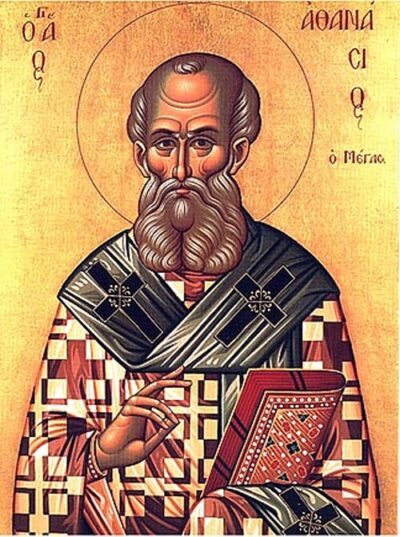 Athanasius of AlexandriaPope of Alexandria from 328 to 373 (296–373)
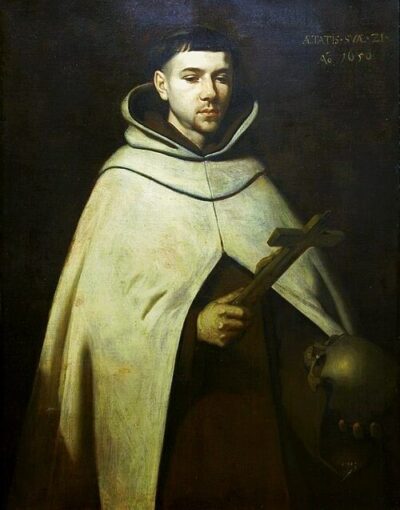 John of the CrossSpanish mystic and Roman Catholic saint (1542–1591)
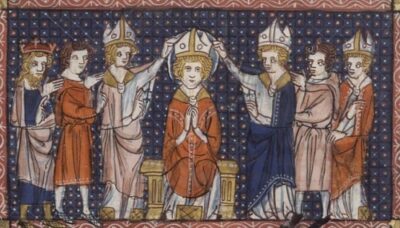 Hilary of PoitiersBishop of Poitiers (c. 310 – c. 367)
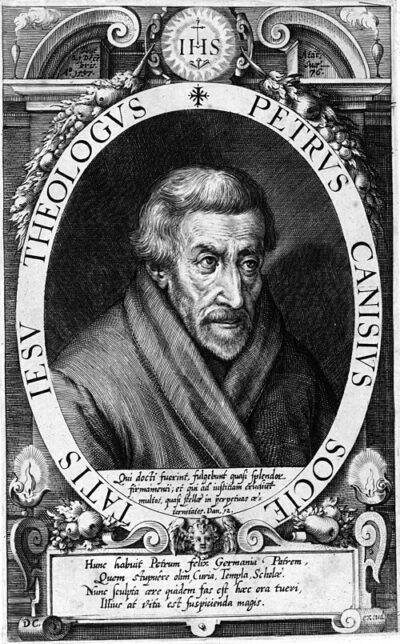 Peter CanisiusDutch, Jesuit priest, Doctor of the Church, Roman Catholic saint
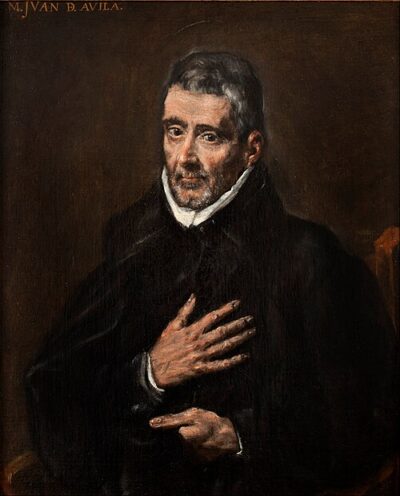 John of ÁvilaSpanish priest, Doctor of the Church
 Lawrence of BrindisiItalian Capuchin, saint (1559-1619)