
First Lord of the Admiralty
First Lord of the Admiralty is a political head of the Royal Navy. It was created in 1628.
- Country
- United Kingdom
- Created
- 1628
All 4 facts, and where they come from
Facts
4 facts · 0 confirmed by two sources · 0 cited · 4 from one source
Where this comes from
Papalocal keeps its own record. It started from these sources; what each one said is kept here as it was copied, so a change on their side never changes this page by itself. Tap one to read its version.
What Wikidata says · copied November 17, 2026 · revision 2406045602
- Described as
- political head of the Royal Navy
- Other names
- Office the First Lord of the Admiralty, First Lord of the Admiralty of Great Britain, First Lord of the Admiralty of England, First Lord of the Admiralty of the United Kingdom
- What it is
- position
- Created
- 1628 · 1 reference
- Ended
- April 1, 1964
- Country
- United Kingdom
- Wikipedias with a page
- 17
Wikidata item Q21561383 (wikidata.org/wiki/Q21561383), public domain (CC0). Copied 2026-11-17.
What Wikipedia says · copied November 17, 2026 · revision 1382049071
First Lord of the Admiralty, formally the Office of the First Lord of the Admiralty, was the title of the political head of the Naval Service from 1628 to 1964, when the Admiralty, Air Ministry, Ministry of Defence and War Office were merged to form the Ministry of Defence. The holder was the government's senior adviser on all naval affairs, responsible for the direction and control of the Admiralty (them being the pre-eminent member of the Board of Admiralty), the Royal Navy, and the Royal Marines. It was one of the earliest known permanent government posts. The modern-day equivalent of the office is the Secretary of State for Defence.
From the Wikipedia article “First Lord of the Admiralty” (en.wikipedia.org/wiki/First_Lord_of_the_Admiralty), by its contributors, under CC BY-SA 4.0 (creativecommons.org/licenses/by-sa/4.0/). Copied 2026-11-17; not changed.
Confirmed Two sources agree. Cited One source, and it names where it got it. One source One source, without a reference of its own. Sources disagree The sources disagree. We show the best-supported value and keep theirs below.
People connected 13
Held this office
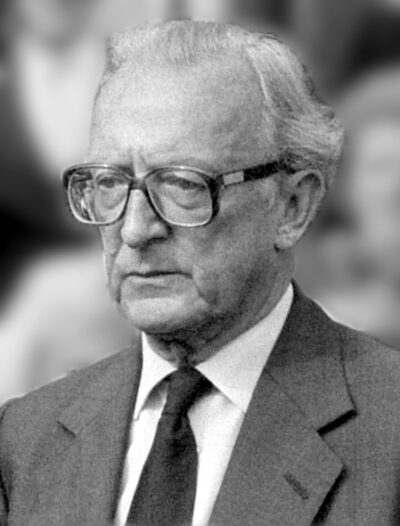 Peter Carington, 6th Baron Carrington (1959–1963)British Conservative politician (1919–2018)
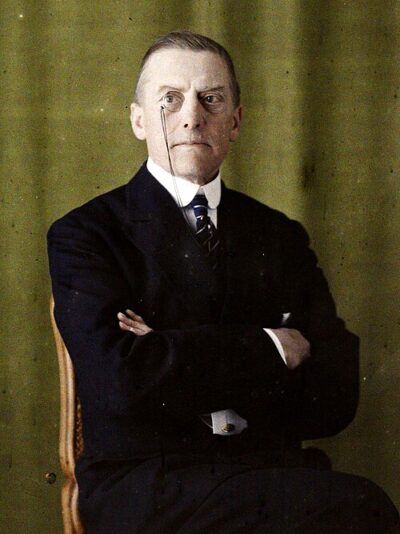 Austen Chamberlain (1931)British politician (1863-1937)
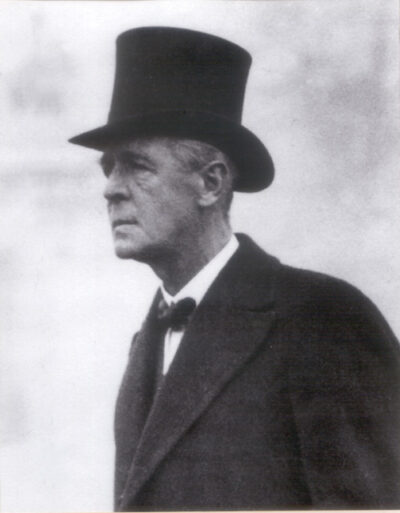 Frederic Thesiger, 1st Viscount Chelmsford (1924)Governor of New South Wales; Governor of Queensland; Viceroy of India (1868–1933)
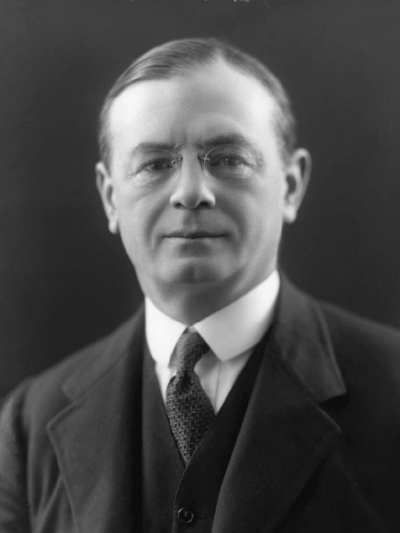 Leo Amery (1922–1924)British politician and journalist (1873-1955)
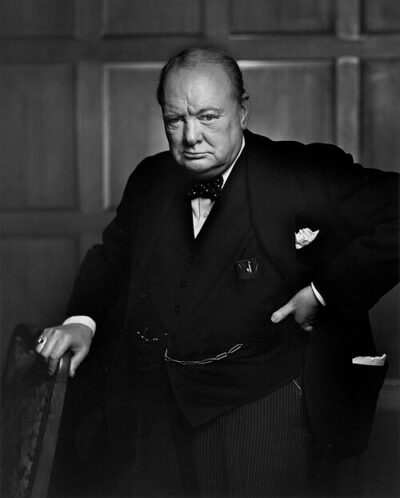 Winston Churchill (1911–1940)British statesman, soldier and writer (1874–1965)
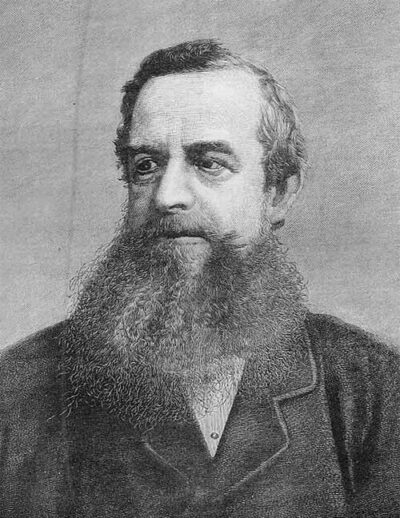 George Robinson, 1st Marquess of Ripon (1886)British politician (1827–1909)
 Edward Law, 1st Earl of Ellenborough (1846)British Tory politician, Governor-General of India (1790-1871)
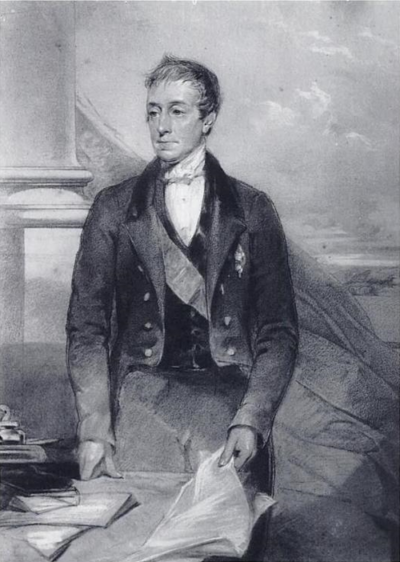 George Eden, 1st Earl of Auckland (1834–1849)British politician (1784-1849)
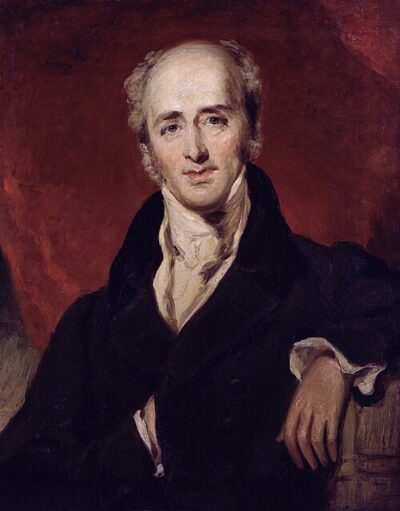 Charles Grey, 2nd Earl Grey (1806)Prime Minister of the United Kingdom from 1830 to 1834 (1764–1845)
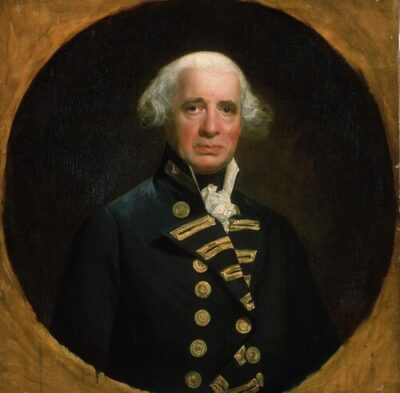 Richard Howe, 1st Earl Howe (1783–1788)Royal Navy Admiral of the Fleet
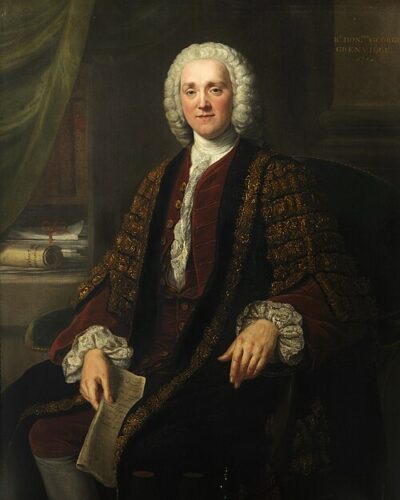 George Grenville (1762–1763)Prime Minister of Great Britain (1712-1770)
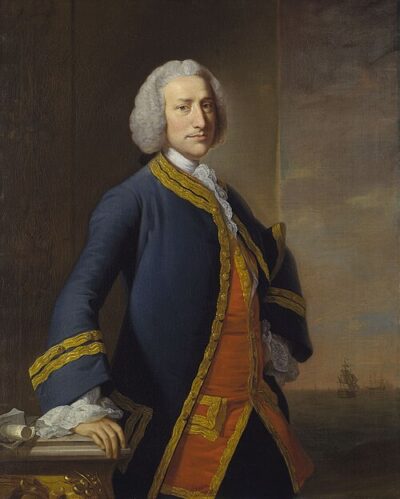 George Anson, 1st Baron Anson (1751–1762)British admiral (1697-1762)
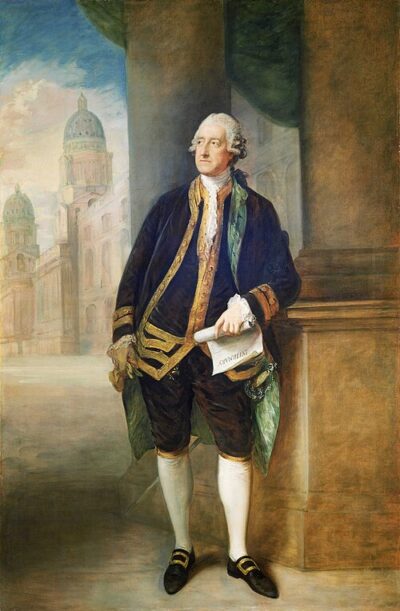 John Montagu, 4th Earl of Sandwich (1748–1782)English Peer and statesman; inventor of the sandwich
