

Henry Draper Medal
Henry Draper Medal is an American award in astronomical physics (1886–). It is given by the National Academy of Sciences.
- Given by
- National Academy of Sciences
- Country
- United States
- Created
- 1886
All 7 facts, and where they come from
Facts
7 facts · 0 confirmed by two sources · 0 cited · 7 from one source
Where this comes from
Papalocal keeps its own record. It started from these sources; what each one said is kept here as it was copied, so a change on their side never changes this page by itself. Tap one to read its version.
What Wikidata says · copied November 16, 2026 · revision 2561803194
- Described as
- American award in astronomical physics (1886–)
- Other names
- Draper Medal
- What it is
- physics award; medal; astronomy prize
- Created
- 1886 · 1 reference
- Country
- United States
- Given by
- National Academy of Sciences
- Named after
- Henry Draper
- Wikipedias with a page
- 24
Wikidata item Q746633 (wikidata.org/wiki/Q746633), public domain (CC0). Copied 2026-11-16.
What Wikipedia says · copied November 16, 2026 · revision 1369510102
The Henry Draper Medal is awarded every 4 years by the United States National Academy of Sciences "for investigations in astronomical physics". Named after Henry Draper, the medal is awarded with a gift of US$15,000. The medal was established under the Draper Fund by his widow, Anna Draper, in honor of her husband, and was first awarded in 1886 to Samuel Pierpont Langley "for numerous investigations of a high order of merit in solar physics, and especially in the domain of radiant energy". It has since been awarded 45 times.
The medal has been awarded to multiple individuals in the same year: in 1977 it was awarded to Arno Allan Penzias and Robert Woodrow Wilson "for their discovery of the cosmic microwave radiation (a remnant of the very early universe), and their leading role in the discovery of interstellar molecules"; in 1989 to Riccardo Giovanelli and Martha P. Haynes "for the first three-dimensional view of some of the remarkable large-scale filamentary structures of our visible universe"; in 1993 to Ralph Asher Alpher and Robert Herman "for their insight and skill in developing a physical model of the evolution of the universe and in predicting the existence of a microwave background radiation years before this radiation was serendipitously discovered" and in 2001 to R. Paul Butler and Geoffrey Marcy "for their pioneering investigations of planets orbiting other stars via high-precision radial velocities".
From the Wikipedia article “Henry Draper Medal” (en.wikipedia.org/wiki/Henry_Draper_Medal), by its contributors, under CC BY-SA 4.0 (creativecommons.org/licenses/by-sa/4.0/). Copied 2026-11-16; not changed.
Confirmed Two sources agree. Cited One source, and it names where it got it. One source One source, without a reference of its own. Sources disagree The sources disagree. We show the best-supported value and keep theirs below.
Picture: Wikimedia Commons: Henry Draper Medal obverse.png · See Commons file page
People connected 32
Won it 32
 Barry C. Barish (2017)American physicist
 Geoffrey Marcy (2001)American astronomer
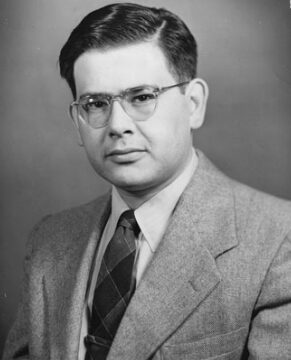 Ralph Asher Alpher (1993)American cosmologist (1921–2007)
 Joseph Hooton Taylor (1985)American astronomer
- WWilliam Wilson Morgan (1980)American astronomer (1906–1994)
 Robert Wilson (1977)American astronomer (born 1936)
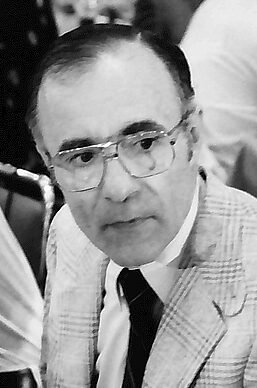 Arno Allan Penzias (1977)German-born American physicist
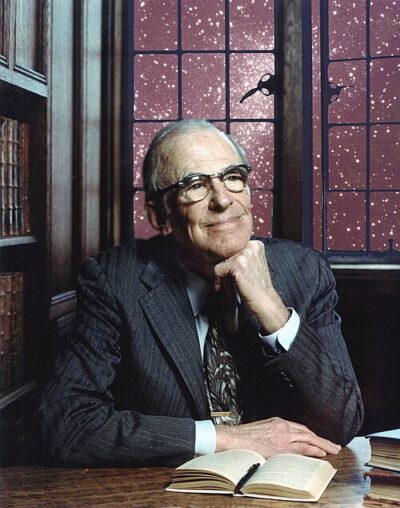 Lyman Spitzer (1974)American astronomer (1914–1997)
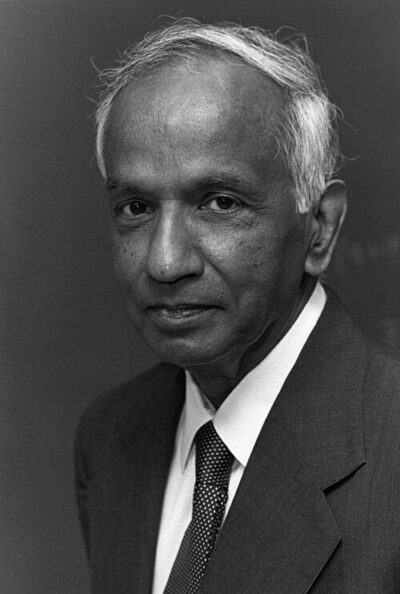 Subrahmanyan Chandrasekhar (1971)Indian-American astrophysicist
 Martin Ryle (1965)English radio astronomer (1918–1984)
- MMartin Schwarzschild (1960)German astronomer (1912-1997)
 Horace W. Babcock (1957)American astronomer (1912–2003)
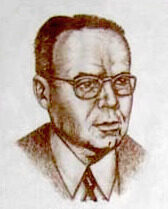 Otto Struve (1949)Baltic German astronomer (1897–1963)
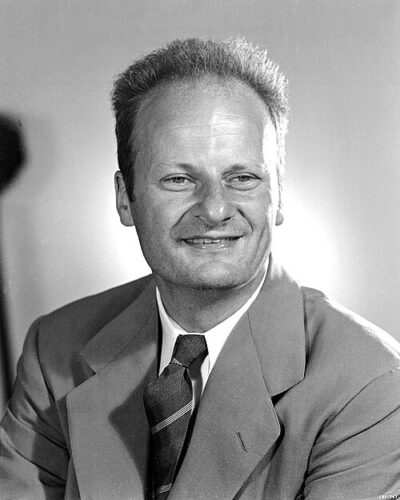 Hans Bethe (1948)German-American nuclear physicist
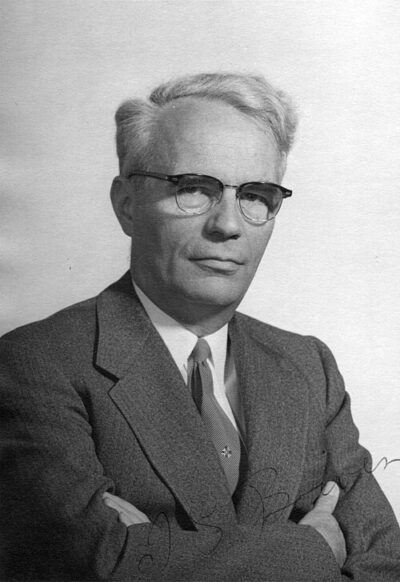 Ira S. Bowen (1942)American physicist and astronomer (1898–1973)
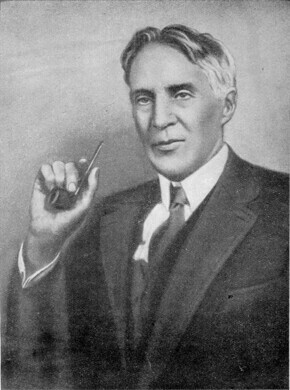 Robert W. Wood (1940)American physicist and inventor (1868–1955)
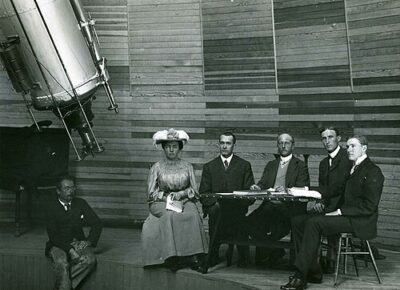 Vesto Slipher (1932)American astronomer (1875–1969)
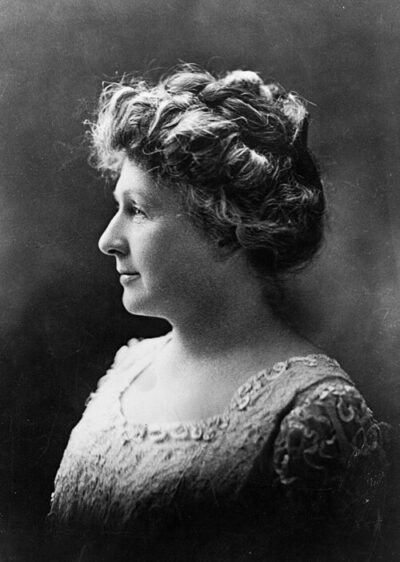 Annie Jump Cannon (1931)American astronomer (1863-1941)
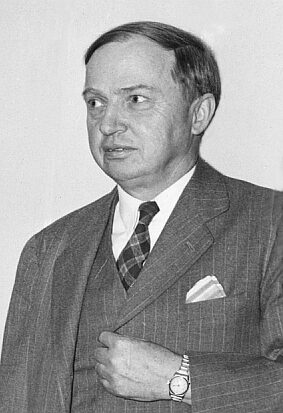 Harlow Shapley (1926)American astronomer (1885-1972)
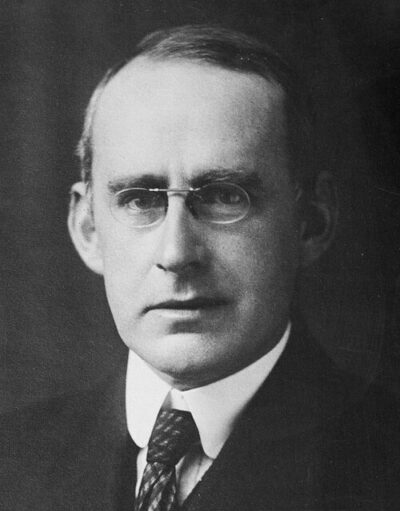 Arthur Eddington (1924)British astrophysicist (1882-1944)
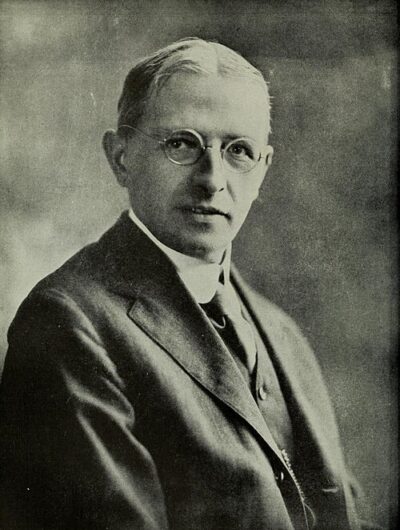 Henry Norris Russell (1922)American astronomer (1877–1957)
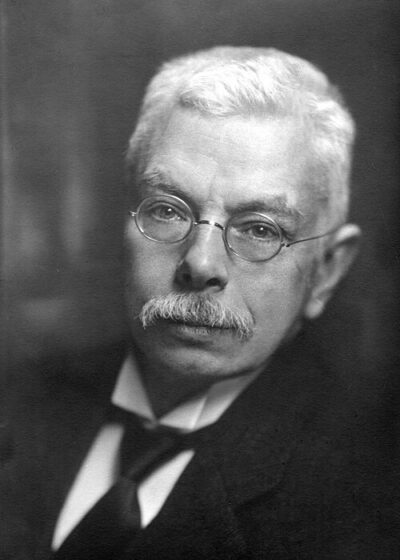 Pieter Zeeman (1921)Dutch physicist (1865–1943)
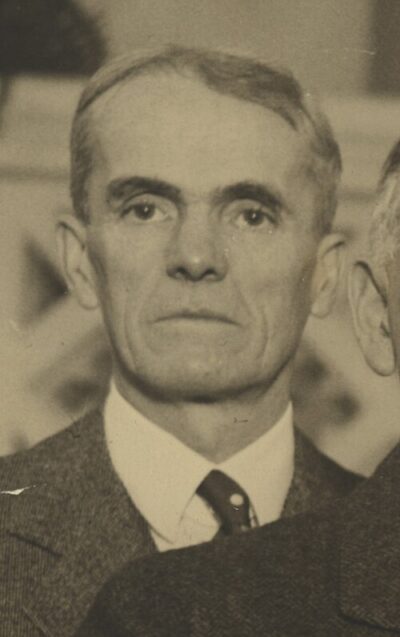 Walter Sydney Adams (1918)American astronomer (1876-1956)
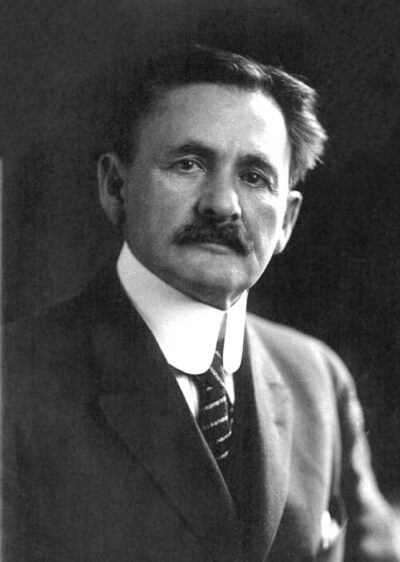 Albert Abraham Michelson (1916)American physicist (1852–1931)
and 8 more
