
High Energy and Particle Physics Prize
High Energy and Particle Physics Prize is a European Physical Society award. It was created in 1989.
- Given by
- European Physical Society
- Created
- 1989
All 3 facts, and where they come from
Facts
3 facts · 0 confirmed by two sources · 0 cited · 3 from one source
Where this comes from
Papalocal keeps its own record. It started from these sources; what each one said is kept here as it was copied, so a change on their side never changes this page by itself. Tap one to read its version.
What Wikidata says · copied November 16, 2026 · revision 2501384837
- Described as
- European Physical Society award
- Other names
- High Energy Physics Prize
- What it is
- science award
- Created
- 1989
- Given by
- European Physical Society
- Wikipedias with a page
- 7
Wikidata item Q15815544 (wikidata.org/wiki/Q15815544), public domain (CC0). Copied 2026-11-16.
What Wikipedia says · copied November 16, 2026 · revision 1376161391
The High Energy and Particle Physics Prize, established in 1989, is awarded every two years for an outstanding contribution to High Energy Physics in an experimental, theoretical or technological area. The price is administered by the EPS-HEPP Division (EPS-HEPP) of the European Physical Society (EPS) and awarded during the EPS conference on High Energy Physics, together with the Cocconi Prize, the Gribov Medal, the Young Experimental Physicist Prize and the Outreach Prize. Nominations are managed by the EPS-HEPP board through an open call.
By 2023, a total of 34 individuals and six collaboration groups have been recognized by the 17 awards that have been presented so far. Among the individual winners, 12 have also received the Nobel Prize in Physics.
Since 2003 the prize includes non-European in the pool of nominees.
From the Wikipedia article “High Energy and Particle Physics Prize” (en.wikipedia.org/wiki/High_Energy_and_Particle_Physics_Prize), by its contributors, under CC BY-SA 4.0 (creativecommons.org/licenses/by-sa/4.0/). Copied 2026-11-16; not changed.
Confirmed Two sources agree. Cited One source, and it names where it got it. One source One source, without a reference of its own. Sources disagree The sources disagree. We show the best-supported value and keep theirs below.
People connected 13
Won it
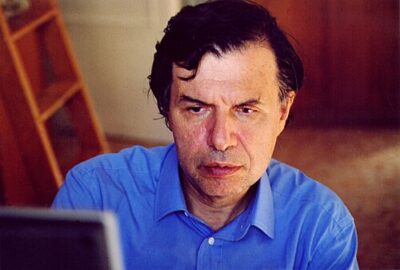 Giorgio Parisi (2015)Italian physicist (1948-)
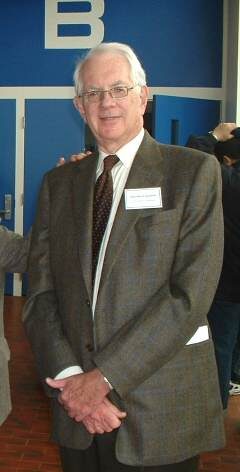 Sheldon Glashow (2011)American theoretical physicist
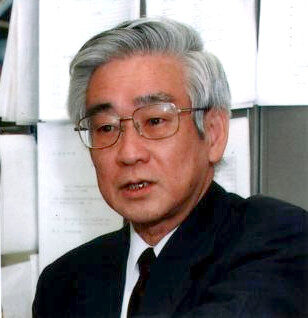 Toshihide Maskawa (2007)Japanese theoretical physicist (1940–2021)
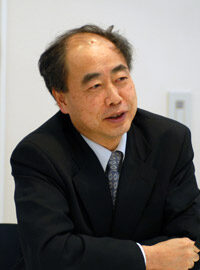 Makoto Kobayashi (2007)Japanese theoretical physicist (1944–)
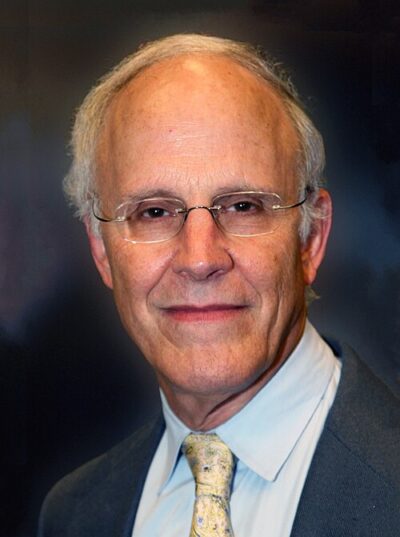 David Gross (2003)American particle physicist and string theorist
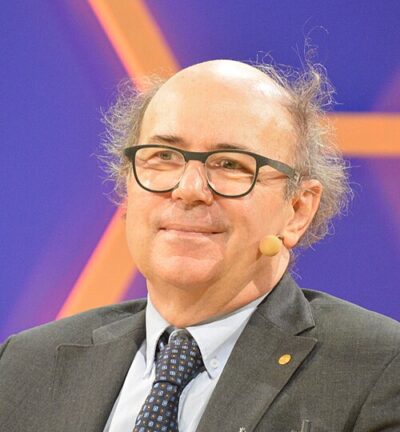 Frank Wilczek (2003)American theoretical physicist
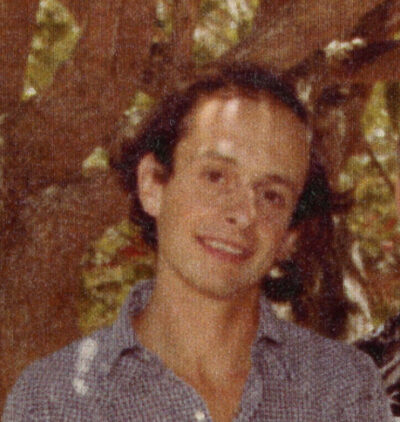 Hugh David Politzer (2003)American physicist
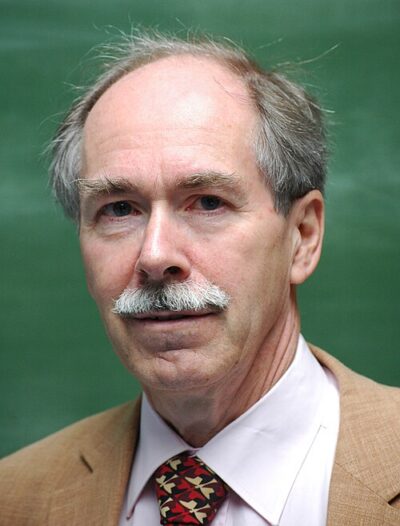 Gerard 't Hooft (1999)Dutch theoretical physicist
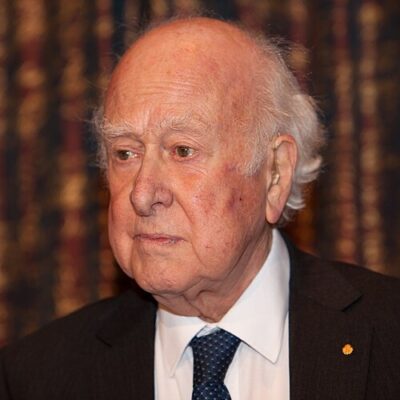 Peter Higgs (1997)British physicist and Nobel Prize winner (1929–2024)
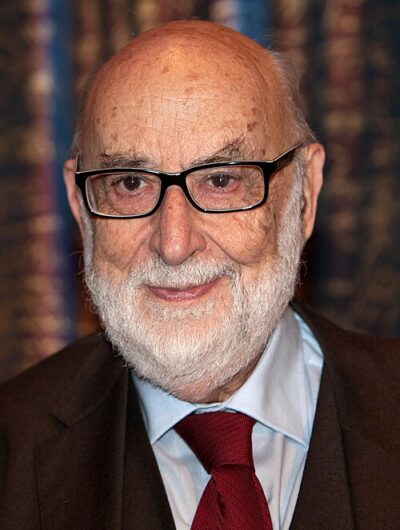 François Englert (1997)Belgian theoretical physicist (1932–2026)
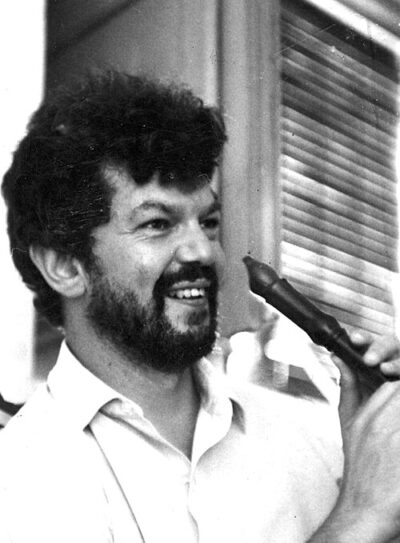 Robert Brout (1997)American physicist (1928-2011)
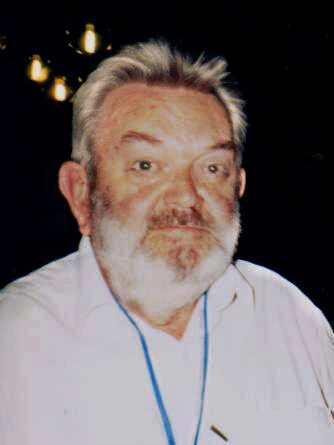 Martinus J. G. Veltman (1993)Dutch theoretical physicist (1931–2021)
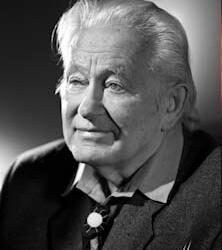 Georges Charpak (1989)French physicist (1924-2010)
