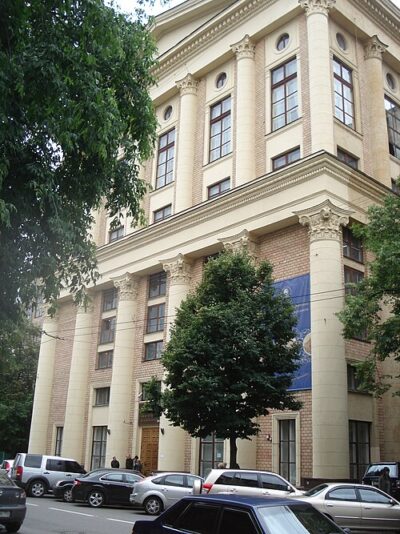
Higher Party School at the Central Committee of the CPSU
Higher Party School at the Central Committee of the CPSU is a Political school in the Soviet Union. It was founded in 1938. Its headquarters are in Moscow. 720 students study there (1970).
- Country
- Soviet Union
- Founded
- 1938
- Students
- 720 (1970)
- What it is
- higher party school
All 9 facts, and where they come from
Facts
9 facts · 0 confirmed by two sources · 0 cited · 9 from one source
Where this comes from
Papalocal keeps its own record. It started from these sources; what each one said is kept here as it was copied, so a change on their side never changes this page by itself. Tap one to read its version.
What Wikidata says · copied November 16, 2026 · revision 2525104274
- Described as
- Political school in the Soviet Union
- What it is
- higher party school
- Comes after
- Institute of Red Professors
- Followed by
- Academy of Social Sciences of the Central Committee of CPSU
- Founded
- 1938
- Ended
- 1978
- Headquarters
- Moscow
- Country
- Soviet Union
- Part of
- Central Committee of the Communist Party of the Soviet Union
- Students
- 720 (1970)
- Wikipedias with a page
- 11
Wikidata item Q15628703 (wikidata.org/wiki/Q15628703), public domain (CC0). Copied 2026-11-16.
What Wikipedia says · copied November 16, 2026 · revision 1384999572
Higher Party School under the Central Committee of the CPSU (Russian: Высшая партийная школа при ЦК КПСС) was a higher party-political educational institution in the Soviet Union for the training and retraining of the leadership of the Communist Party of the Soviet Union and Soviet state, and media workers (radio, print, and television), which existed in Moscow from 1939 to 1978. It was merged with the Academy of Social Sciences under the Central Committee of the CPSU. About 10,000 party and government workers graduated from the institution, and more than 14,500 completed retraining courses.
From the Wikipedia article “Higher Party School” (en.wikipedia.org/wiki/Higher_Party_School), by its contributors, under CC BY-SA 4.0 (creativecommons.org/licenses/by-sa/4.0/). Copied 2026-11-16; not changed.
Confirmed Two sources agree. Cited One source, and it names where it got it. One source One source, without a reference of its own. Sources disagree The sources disagree. We show the best-supported value and keep theirs below.
Picture: Alton, via Wikimedia Commons · CC BY-SA 3.0
People connected 17
Studied here
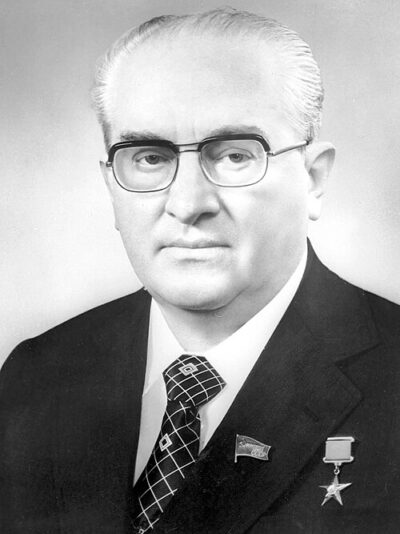 Yuri Andropov (–1947)General Secretary of the Communist Party of the Soviet Union (1914–1984)
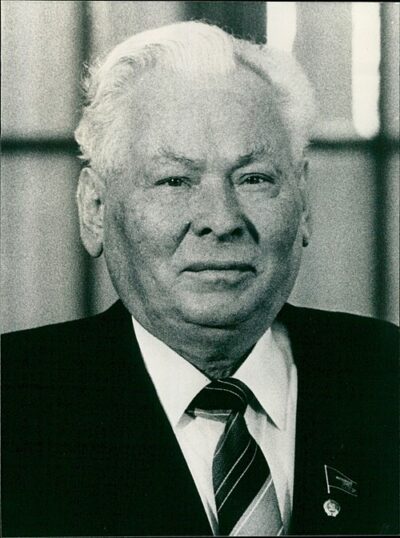 Konstantin ChernenkoGeneral Secretary of the Communist Party of the Soviet Union (1911-1985)
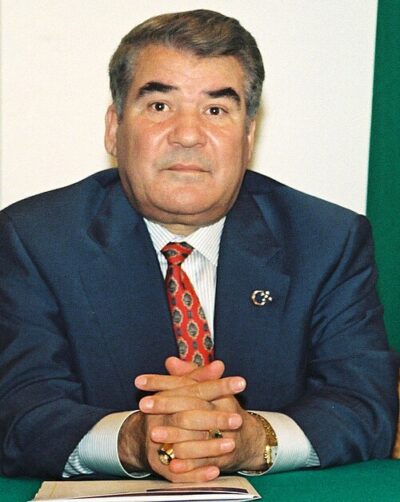 Saparmyrat Nyýazow (–1976)President of Turkmenistan from 1990 to 2006
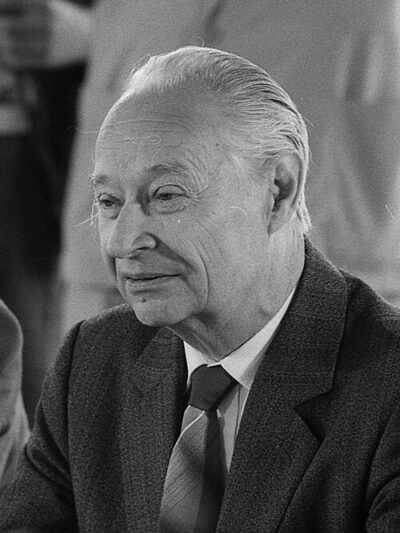 Alexander Dubčekfirst Secretary of the Czechoslovak Communist Party (1921-1992)
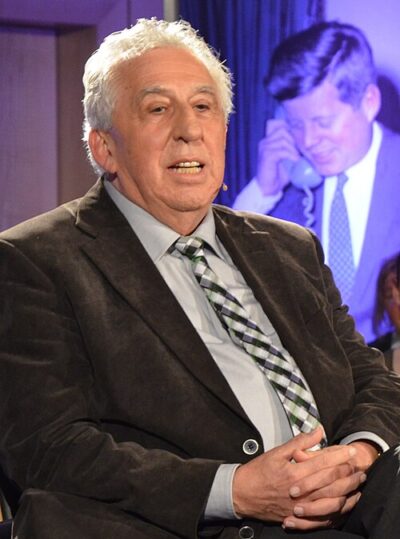 Egon KrenzGerman politician, communist leader of East Germany
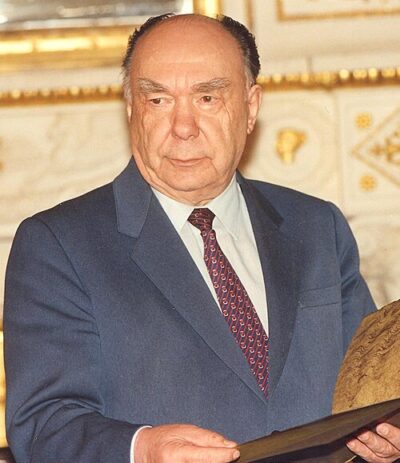 Alexander Nikolaevich YakovlevSoviet diplomat (1923-2005)
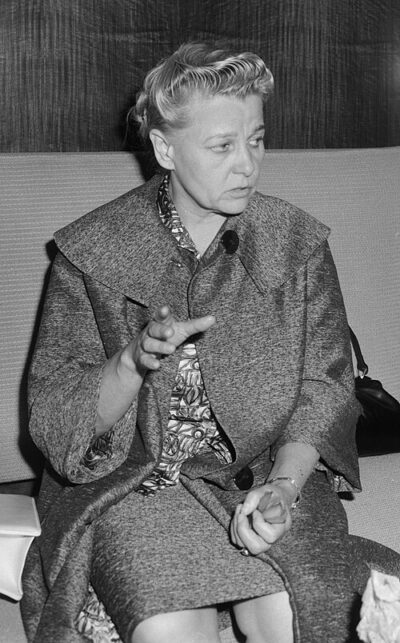 Yekaterina FurtsevaSoviet politician (1910-1974)
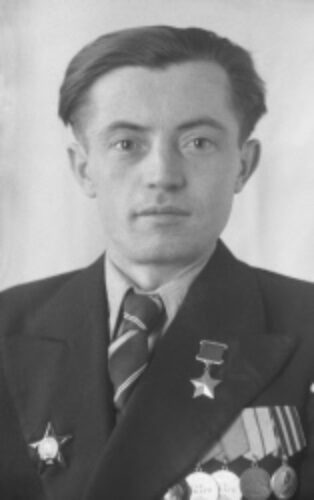 Yakov PavlovHero of the Soviet Union (1917-1981)
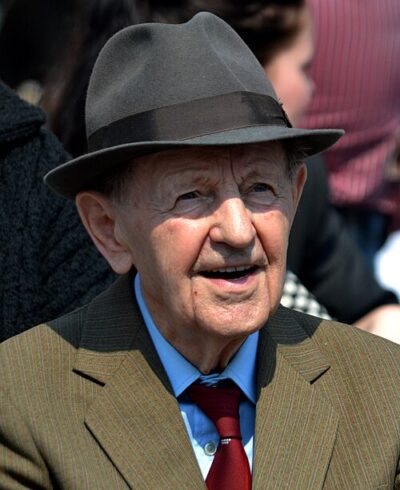 Miloš JakešCzechoslovak politician (1922-2020)
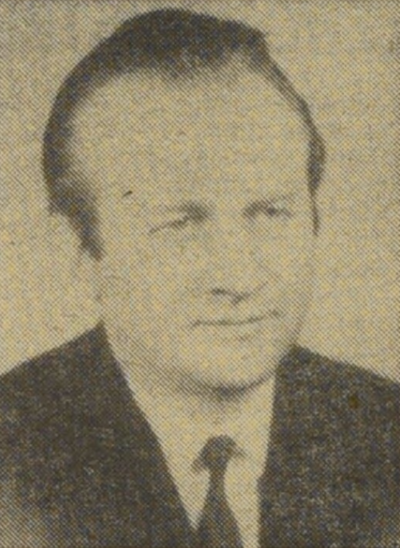 Jozef LenártSlovak politician (1923–2004), member of the Czechoslovak Parliament and Slovak National Council
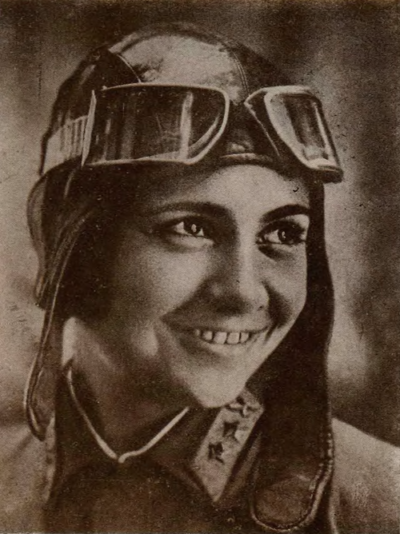 Zuleykha Seyidmammadova (–1953)Azerbaijani female military pilot (1919-1999)
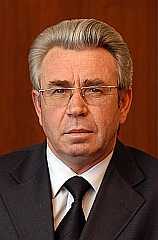 Nikolai TanayevPrime Minister of Kyrgyzstan (1945-2020)
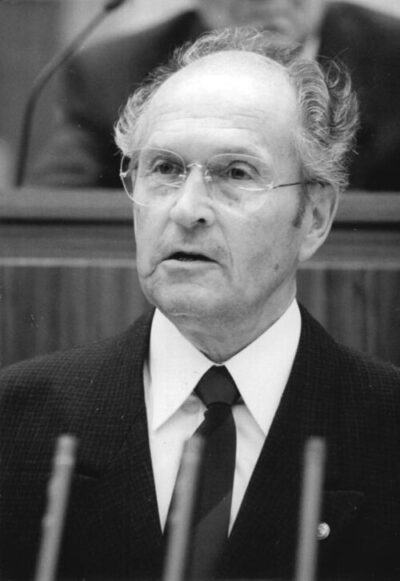 Oskar FischerGerman politician (1923-2020)
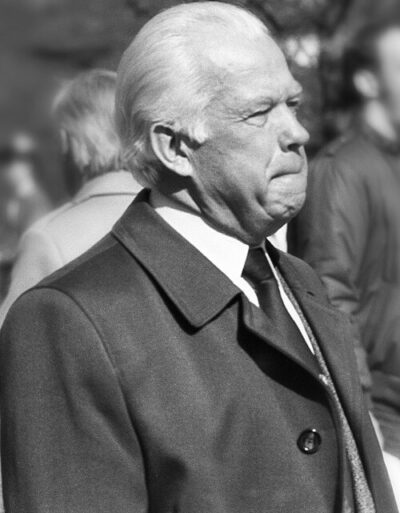 Karl Vaino (–1957)Soviet and Estonian politician (1923-2022)
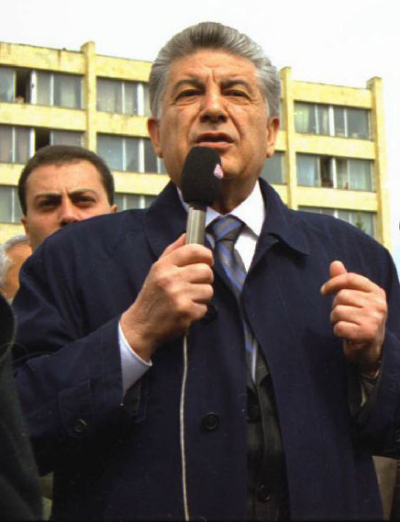 Karen Demirchyan (–1961)Soviet politician (1932-1999)
- SSyarhei Linh (–1976)3rd Prime Minister of Belarus 1996–2000