Central Committee of the Communist Party of the Soviet Union
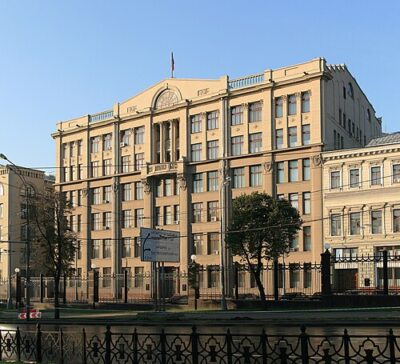
The Central Committee of the Communist Party of the Soviet Union is an executive leadership of the Communist Party of the Soviet Union. It was founded in 1918. Its headquarters are in Staraya Square 4.
- Founded
- 1918
- Headquarters
- Staraya Square 4
- Country
- Soviet Union
All 7 facts, and where they come from
Facts
7 facts · 0 confirmed by two sources · 0 cited · 7 from one source
Where this comes from
Papalocal keeps its own record. It started from these sources; what each one said is kept here as it was copied, so a change on their side never changes this page by itself. Tap one to read its version.
What Wikidata says · copied November 17, 2026 · revision 2565121934
- Described as
- executive leadership of the Communist Party of the Soviet Union
- Other names
- CPSU CC
- What it is
- CPSU body; Central Committee
- Founded
- 1918
- Ended
- November 6, 1991 · 1 reference
- Headquarters
- Staraya Square 4
- Country
- Soviet Union
- Office of
- Communist Party of the Soviet Union
- Wikipedias with a page
- 42
Wikidata item Q1971373 (wikidata.org/wiki/Q1971373), public domain (CC0). Copied 2026-11-17.
What Wikipedia says · copied November 17, 2026 · revision 1382403464
The Central Committee of the Communist Party of the Soviet Union was the highest organ of the Communist Party of the Soviet Union (CPSU) between Congresses. Elected by the Congress, the Central Committee emerged as the core nexus of executive and administrative authority in the party, with de facto supremacy over the government of the Soviet Union. It was composed of full members and candidate (non-voting) members. Real authority was often concentrated in smaller, more agile organs elected by the Committee, namely the Politburo, Secretariat, and Orgburo (dissolved in 1952), as well as in the post of General Secretary. Theoretically a collective leadership, the Committee increasingly became a rubber-stamp institution, particularly from the late 1920s onward under the dominance of Joseph Stalin.
The Central Committee originated in the Russian Social Democratic Labor Party (RSDLP), established in 1898, and continued in the Bolshevik party, established in 1912. After the Bolsheviks seized power in the October Revolution of 1917, the Committee assumed a key leadership role, functioning both as a strategic body and a conduit for implementing party directives in the expanding Soviet state. Stalin used his control over personnel appointments to dominate the Committee and ensure ideological conformity, and during his rule the Committee's composition often reflected factional struggles, purges, and leadership reshufflings. During the Great Purge of 1936 to 1938, a significant portion of its members were executed or imprisoned.
After Stalin's death in 1953, the Central Committee experienced a relative revival as collective leadership attempted to curtail the powers of the General Secretary, playing key roles in the failed attempt to remove Nikita Khrushchev in 1957, and in his removal in 1964. Under Leonid Brezhnev and his successors, the Committee reverted to a more ceremonial function, mirroring the broader bureaucratization of the Soviet system. During the Brezhnev era, the Committee became increasingly vast and unwieldy, consisting of hundreds of full and candidate members, including regional party leaders, military officials, and economic planners. The final years of the Committee were marked by attempts at reform under Mikhail Gorbachev from 1985, which saw it sidelined by the rising influence of state organs and the accelerating disintegration of party control. The Committee was officially disbanded upon the banning of the CPSU in late 1991.
From the Wikipedia article “Central Committee of the Communist Party of the Soviet Union” (en.wikipedia.org/wiki/Central_Committee_of_the_Communist_Party_of_the_Soviet_Union), by its contributors, under CC BY-SA 4.0 (creativecommons.org/licenses/by-sa/4.0/). Copied 2026-11-17; not changed.
Confirmed Two sources agree. Cited One source, and it names where it got it. One source One source, without a reference of its own. Sources disagree The sources disagree. We show the best-supported value and keep theirs below.
Picture: Ludvig14, via Wikimedia Commons · CC BY-SA 4.0
People connected 122
Members 122
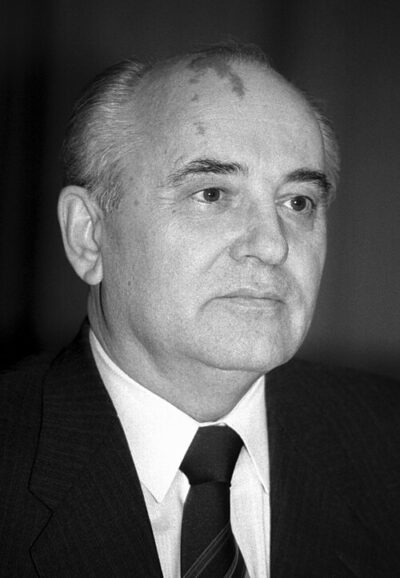 Mikhail Gorbachevleader of the Soviet Union from 1985 to 1991 (1931–2022)
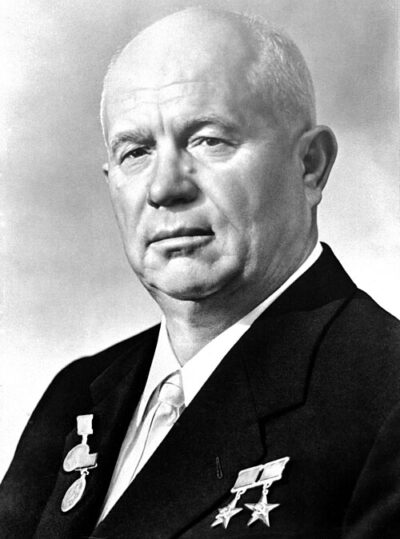 Nikita Khrushchevleader of the Soviet Union from 1953 to 1964
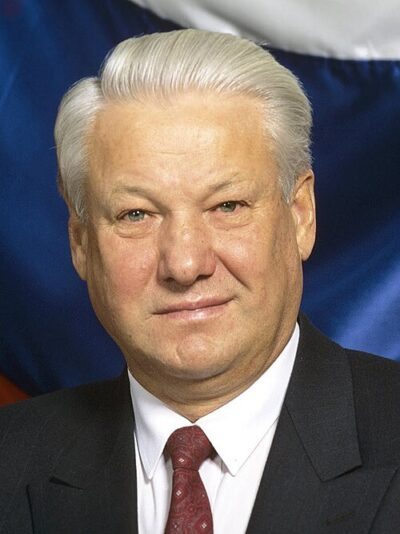 Boris Yeltsin (1981–)Soviet and Russian politician, 1st President of Russia (1931–2007)
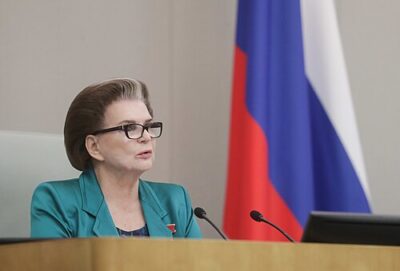 Valentina TereshkovaRussian cosmonaut and pilot, first woman to have flown in space (born 1937)
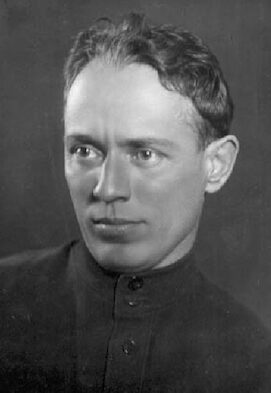 Mikhail SholokhovSoviet writer (1905-1984)
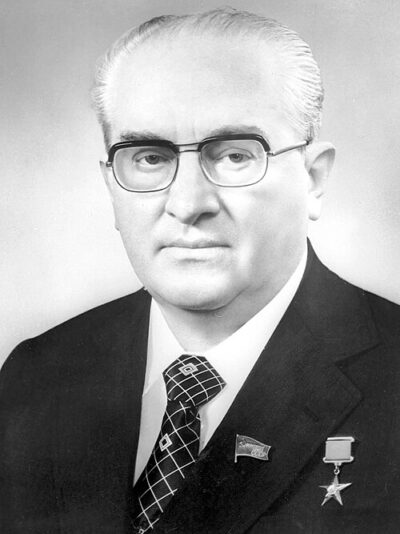 Yuri AndropovGeneral Secretary of the Communist Party of the Soviet Union (1914–1984)
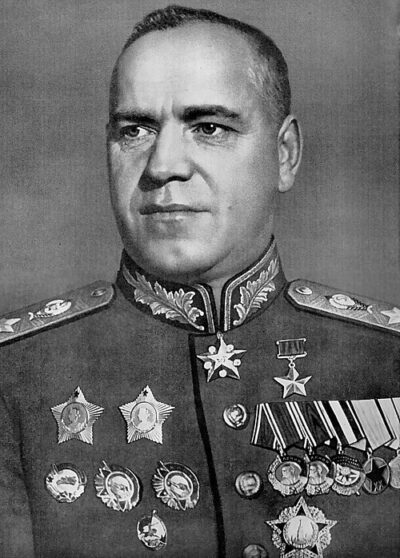 Georgy ZhukovMarshal of the Soviet Union (1896-1974)
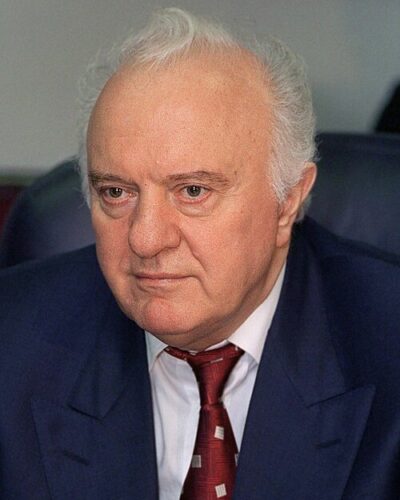 Eduard ShevardnadzeSoviet and Georgian politician and diplomat, Soviet foreign minister and second President of Georgia (1995–2003)
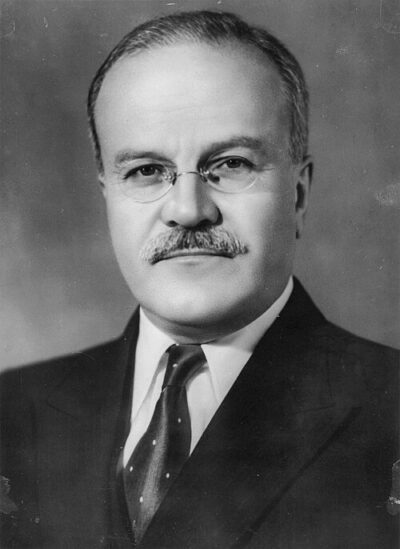 Vyacheslav MolotovSoviet politician, statesman and diplomat (1890–1986)
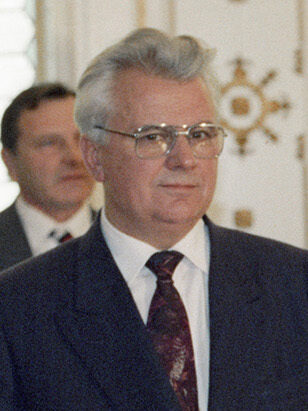 Leonid KravchukUkrainian politician, 1st President of Ukraine
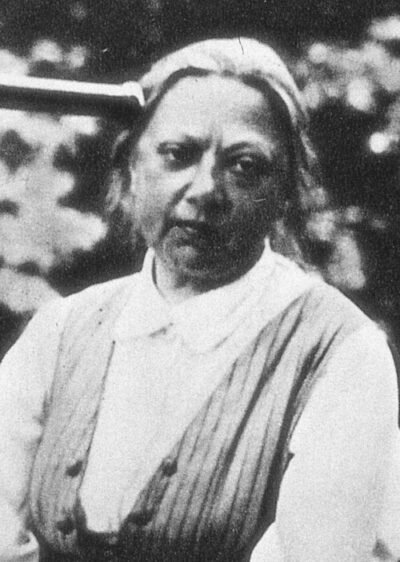 Nadezhda KrupskayaRussian revolutionary and politician (1869–1939)
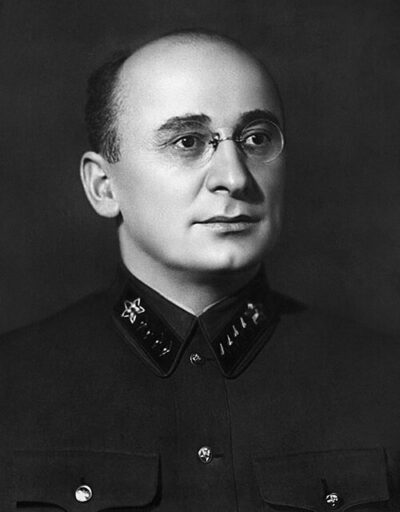 Lavrentiy BeriaSoviet politician and NKVD police chief
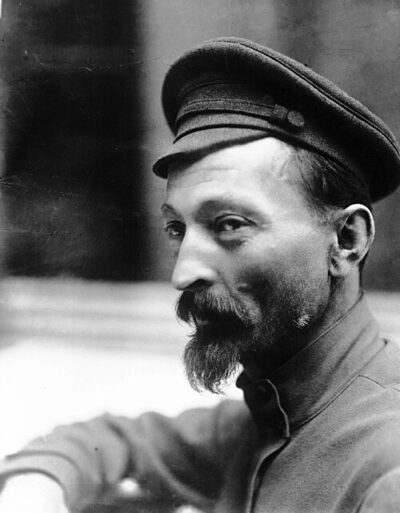 Felix DzerzhinskyBolshevik revolutionary and founder of the first Soviet secret police organs (1877-1926)
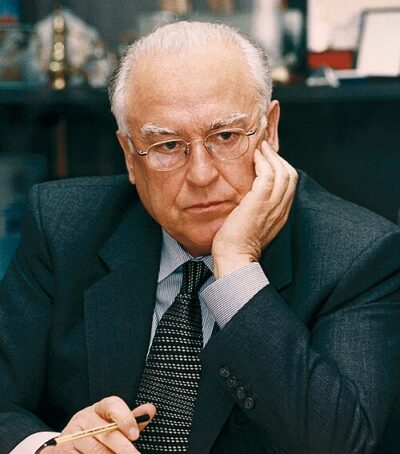 Victor ChernomyrdinRussian diplomat and politician (1938–2010)
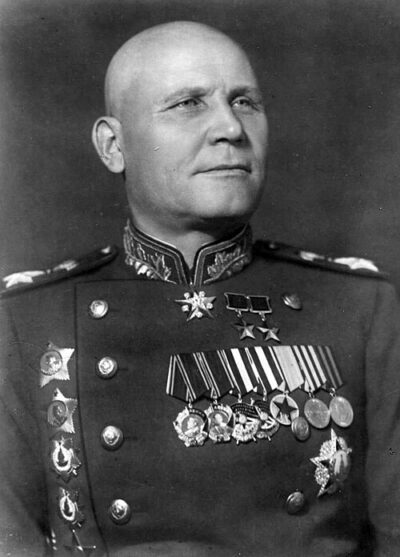 Ivan KonevSoviet military commander (1897-1973)
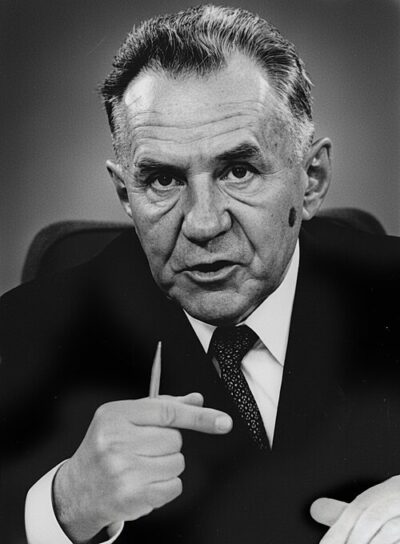 Aleksey Nikolayevich KosyginSoviet statesman, public officer, cabinet officer
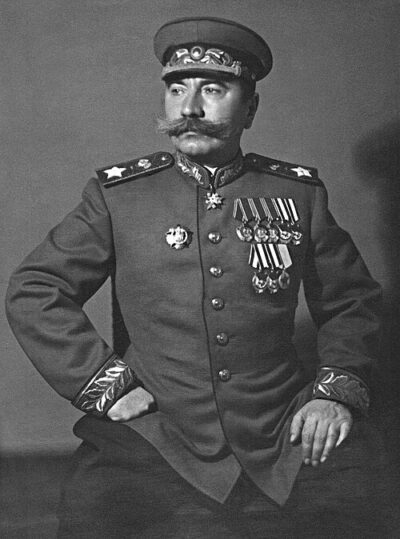 Semyon BudyonnySoviet marshal (1883-1973)
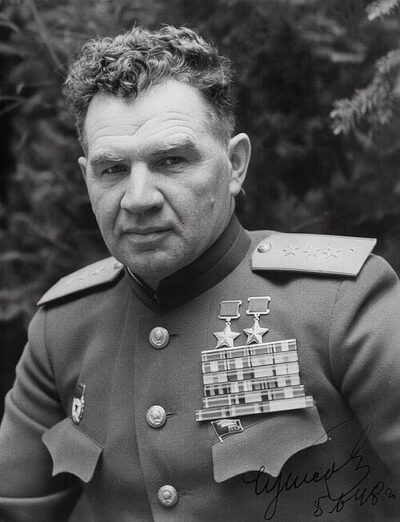 Vasily ChuikovSoviet marshal (1900–1982)
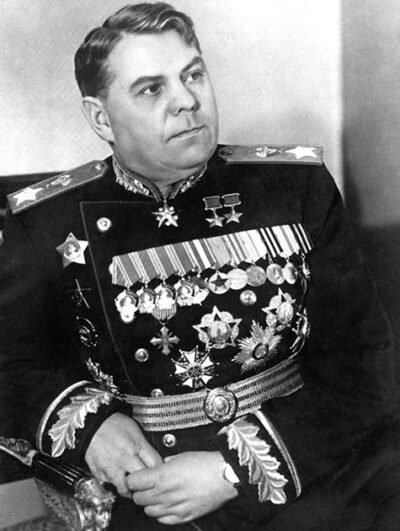 Aleksandr Michajlovič VasilevskijMarshal of the Soviet Union (1895-1977)
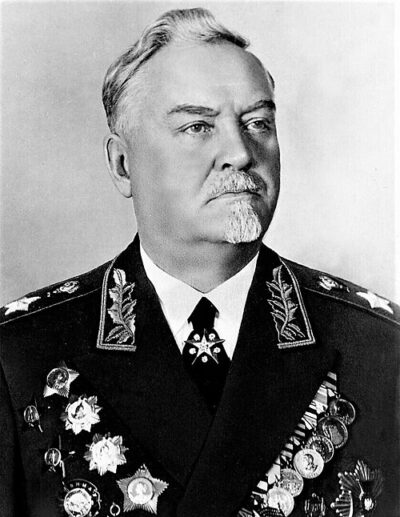 Nikolai BulganinSoviet politician (1895–1975)
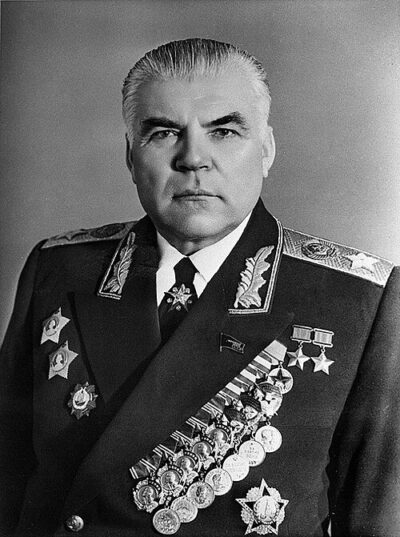 Rodion MalinovskySoviet military commander
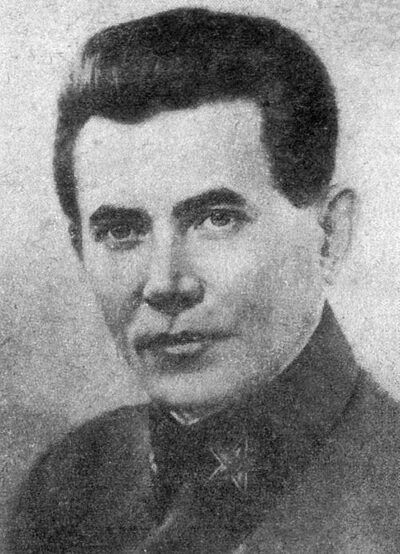 Nikolai YezhovNKVD director under Joseph Stalin (1895-1940)
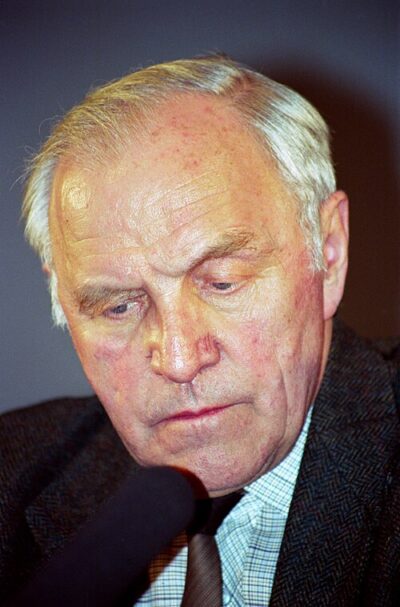 Mikhail UlyanovSoviet and Russian actor, theatre and film director (1927-2007)
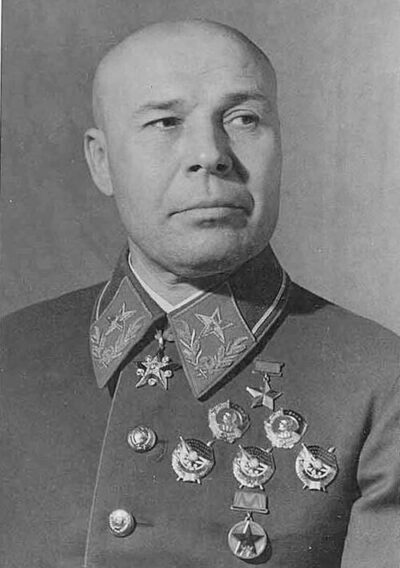 Semyon TimoshenkoSoviet military commander (1895-1970)
and 98 more